readwithpride.com
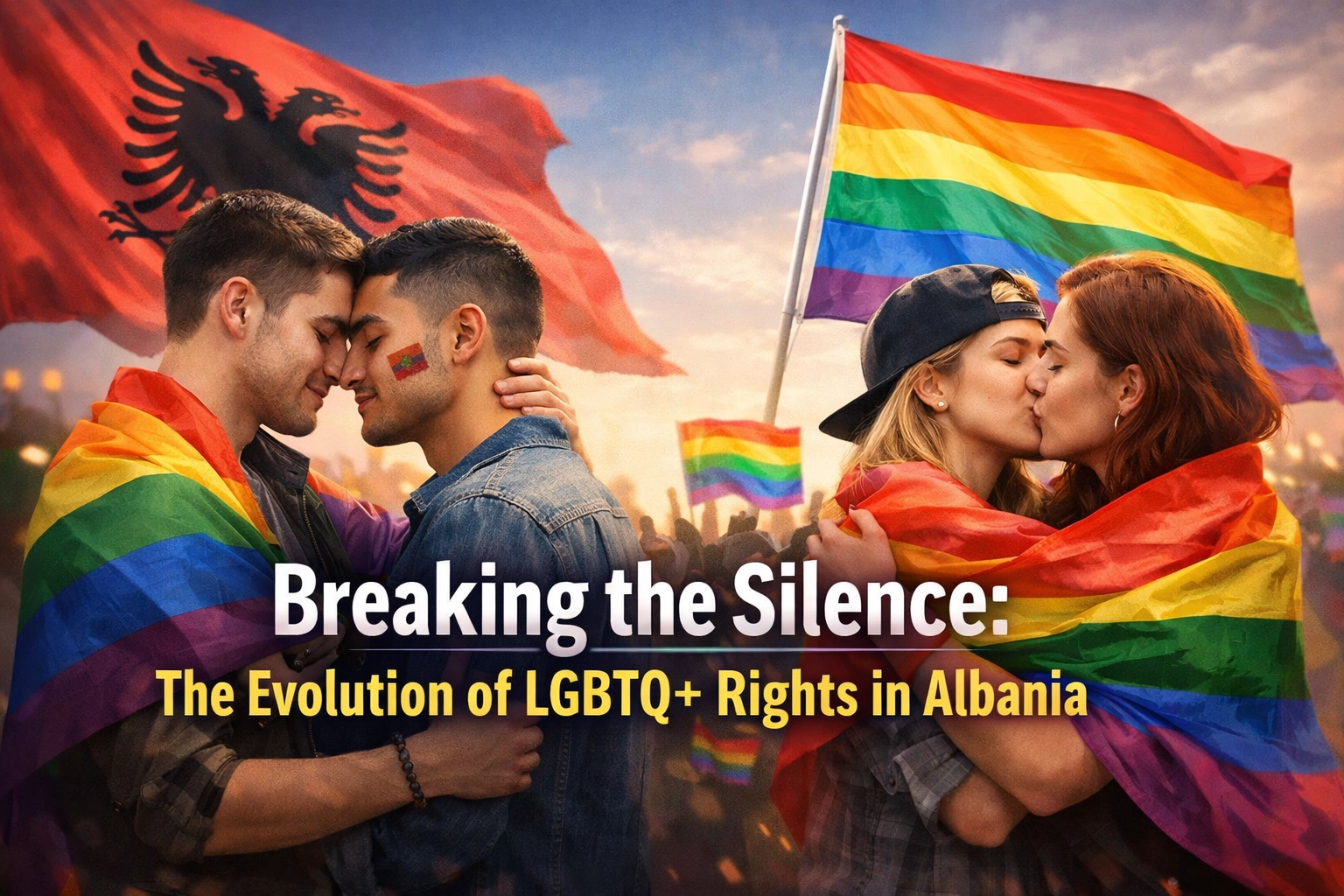
Albania isn't the first country that comes to mind when you think about LGBTQ+ progress in Europe. Tucked away in the Balkans, this small nation has quietly undergone one of the most dramatic transformations in LGBTQ+ rights on the continent: moving from severe criminalization to comprehensive anti-discrimination laws in just three decades. But here's the thing: legal progress doesn't always equal social acceptance, and Albania's journey reveals the complicated reality of queer life in a deeply traditional society.
From Prison Sentences to Pride: A Dramatic Shift
Let's rewind to the early 1990s. Under the iron-fisted rule of Enver Hoxha's socialist regime, being gay in Albania wasn't just taboo: it was literally illegal. Article 137 of the Penal Code could land you in prison for up to ten years simply for loving someone of the same gender. Albania was one of the most isolated countries in the world, and LGBTQ+ people lived in absolute secrecy, their identities buried under layers of fear and silence.
Then, something remarkable happened. On January 20, 1995, Albania decriminalized same-sex relations. Just like that, the country leapfrogged from one of Europe's most oppressive regimes to joining the ranks of nations recognizing basic human rights for LGBTQ+ individuals. This wasn't some gradual evolution: it was a revolution, driven by international pressure and brave advocacy campaigns as Albania emerged from decades of isolation.
Building the Framework (On Paper, At Least)
The momentum didn't stop there. In 2001, Albania established an equal age of consent at 14, regardless of sexual orientation. But the real game-changer came in 2010 when Parliament adopted a comprehensive Law on Protection Against Discrimination. This wasn't some watered-down gesture: it explicitly prohibited discrimination based on sexual orientation and gender identity across employment, education, housing, healthcare, and access to goods and services.
By 2013, the government went even further, amending the criminal code to classify hate crimes against sexual orientation and gender identity on par with offenses based on race, religion, and ethnicity. The law even criminalized spreading homophobic information online, with penalties up to two years imprisonment. On paper, Albania started looking like a progressive haven for LGBTQ+ fiction come to life.
The Wedding That Shook a Nation
Fast forward to May 2024, and Albania witnessed something unprecedented: Alba Ahmetaj and Edlira Maraj celebrated their wedding ceremony on the rooftop of Tirana's Municipality building. After 15 years together, they became the first same-sex couple to have a publicly recognized wedding ceremony in Albania. They leveraged a clever interpretation of Article 53(1) of the Albanian Constitution, which guarantees the right to marry without specifying gender.
The symbolism was powerful. The reality? Complicated. While the ceremony made headlines and gave hope to countless queer Albanians, it also unleashed a fierce backlash from religious institutions, conservative politicians, and traditionalist groups. The wedding exposed the massive gap between legal protections and social acceptance: a gap that feels more like a canyon in much of the country.
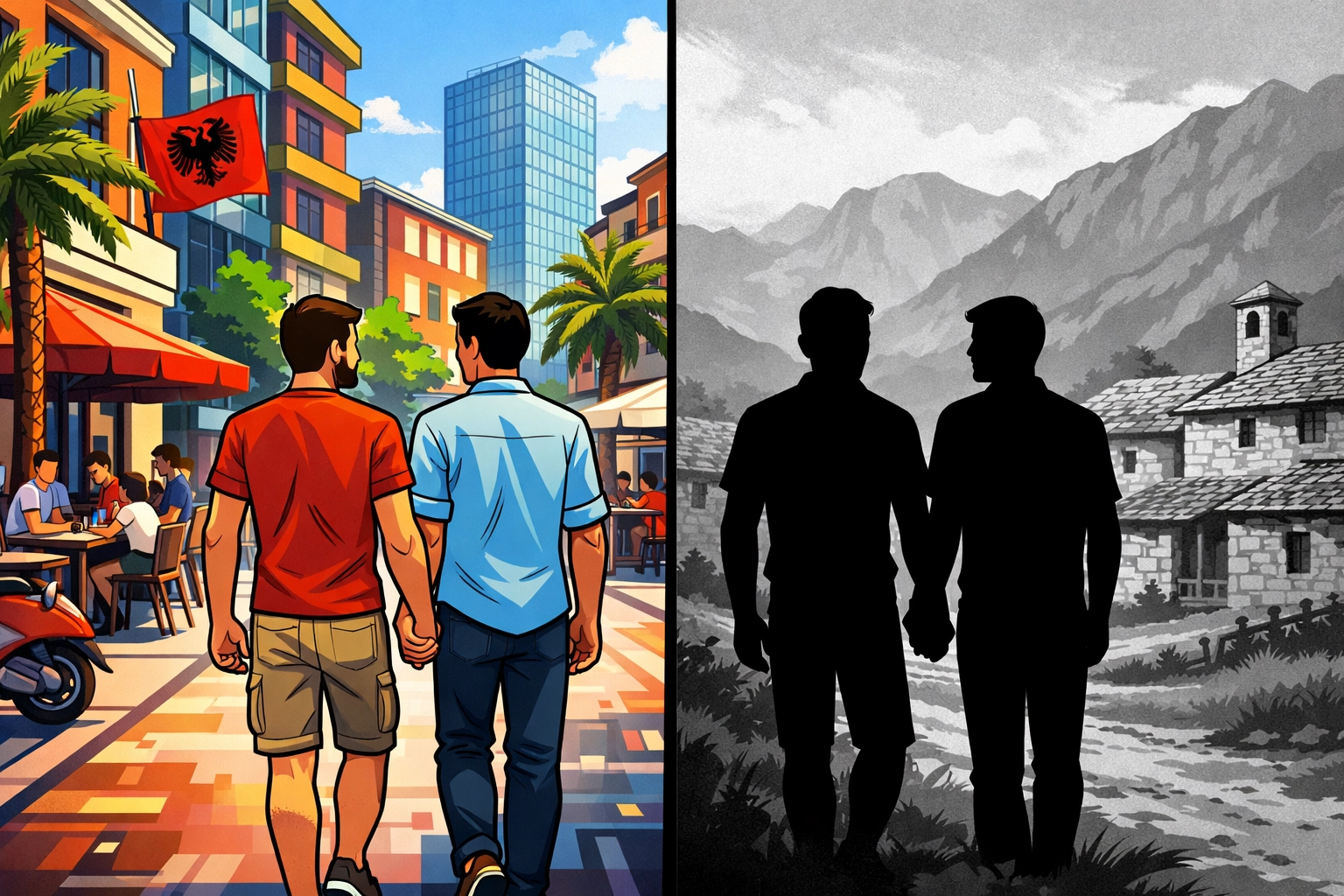
The Urban-Rural Divide: Two Different Albanias
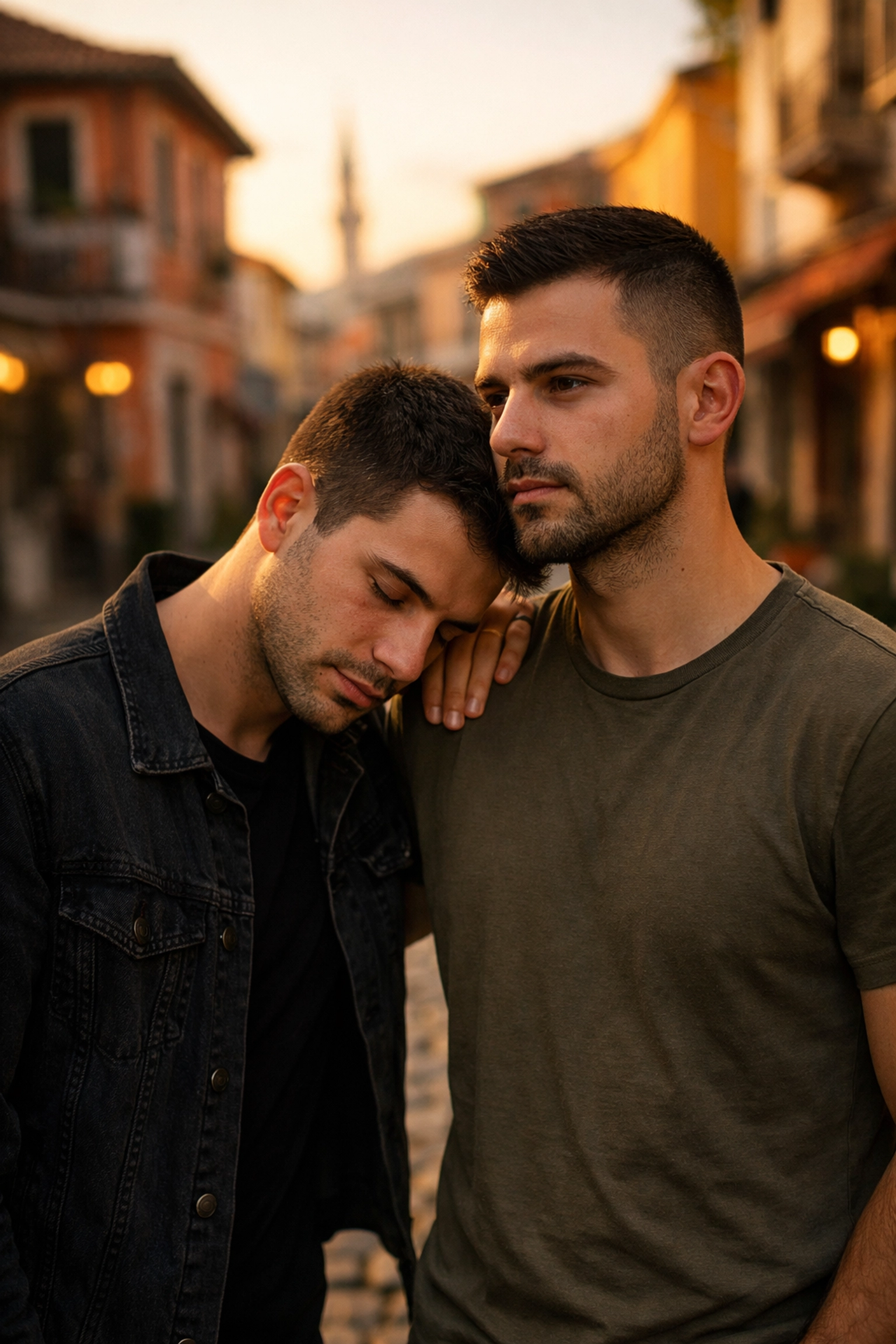
Here's where things get really interesting for anyone exploring gay romance books set in Albania or considering the real experiences of LGBTQ+ individuals there: Tirana and the rest of Albania might as well be different countries.
In the capital, you'll find a growing (though still small) queer community, progressive discourse, LGBTQ+ organizations, and a handful of safe spaces. Young people in Tirana increasingly challenge traditional norms, influenced by Western media, EU integration aspirations, and internet connectivity. It's not Amsterdam or Berlin, but there's a pulse of change.
Step outside the capital, though, and it's a different story entirely. Rural Albania remains deeply conservative, with traditional gender roles and family structures rigidly enforced. Coming out in a small Albanian village isn't just difficult: it can be dangerous. Many LGBTQ+ individuals from rural areas face a stark choice: stay closeted or leave for Tirana or abroad. This urban-rural divide creates a kind of internal migration, with queer Albanians gravitating toward cities where they can breathe a bit easier.
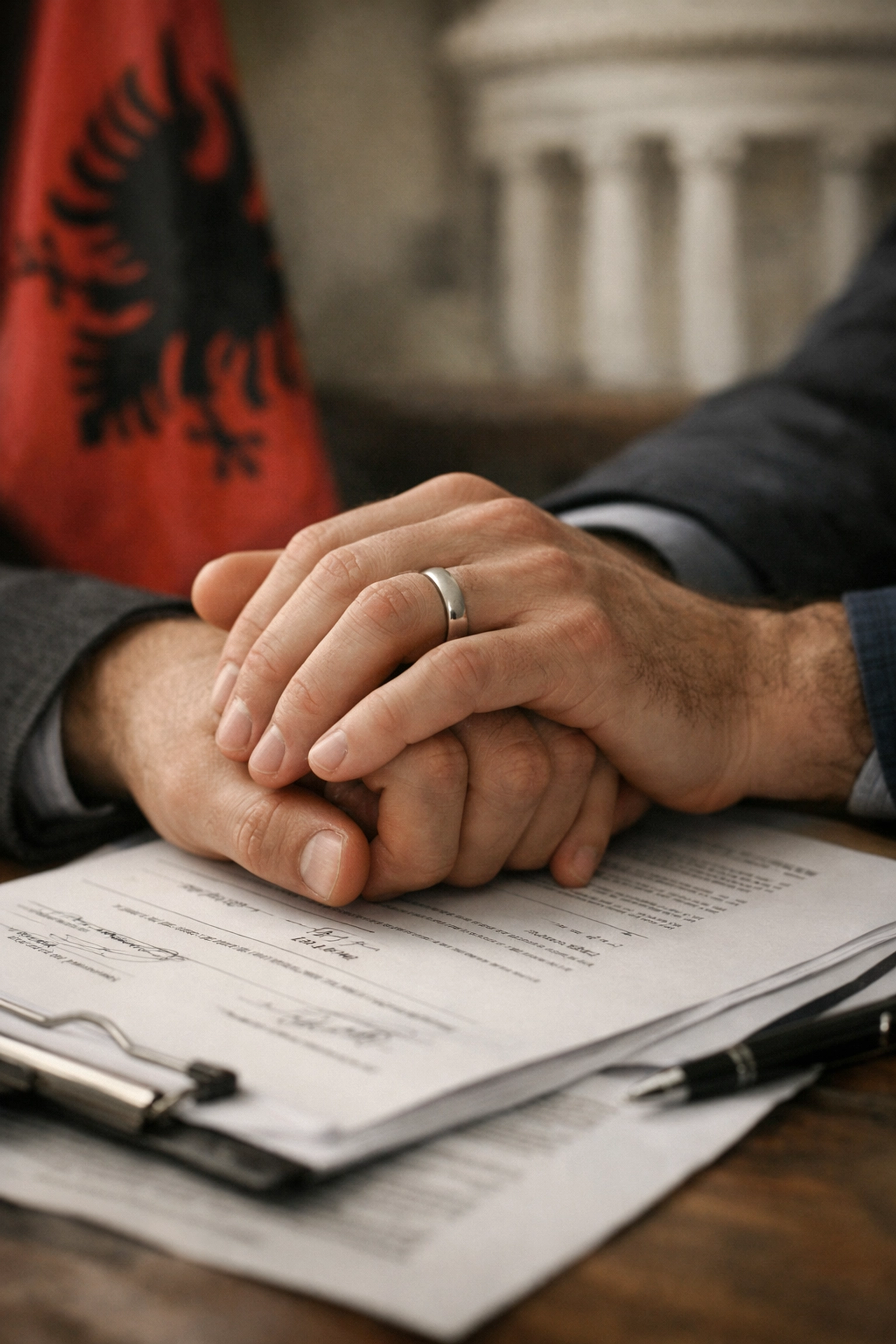
The Legal Gaps That Still Hurt
Despite all the progress, Albania still has glaring legal gaps that affect daily life for LGBTQ+ individuals:
Marriage equality remains banned. That 2024 wedding ceremony was symbolic, not legally binding. Same-sex couples can't marry, can't access the legal protections available to opposite-sex couples, and can't adopt children together (though single LGBTQ+ individuals can adopt).
Gender marker changes are impossible under current law. Trans and non-binary Albanians face bureaucratic brick walls when trying to align their legal documents with their identity.
Religious influence is strong. In 2016, religious leaders successfully pressured parliament to remove sexual orientation and gender identity from constitutional non-discrimination protections. This rollback sent a chilling message about who holds real power in shaping social norms.
Civil Society: The Real Heroes of This Story
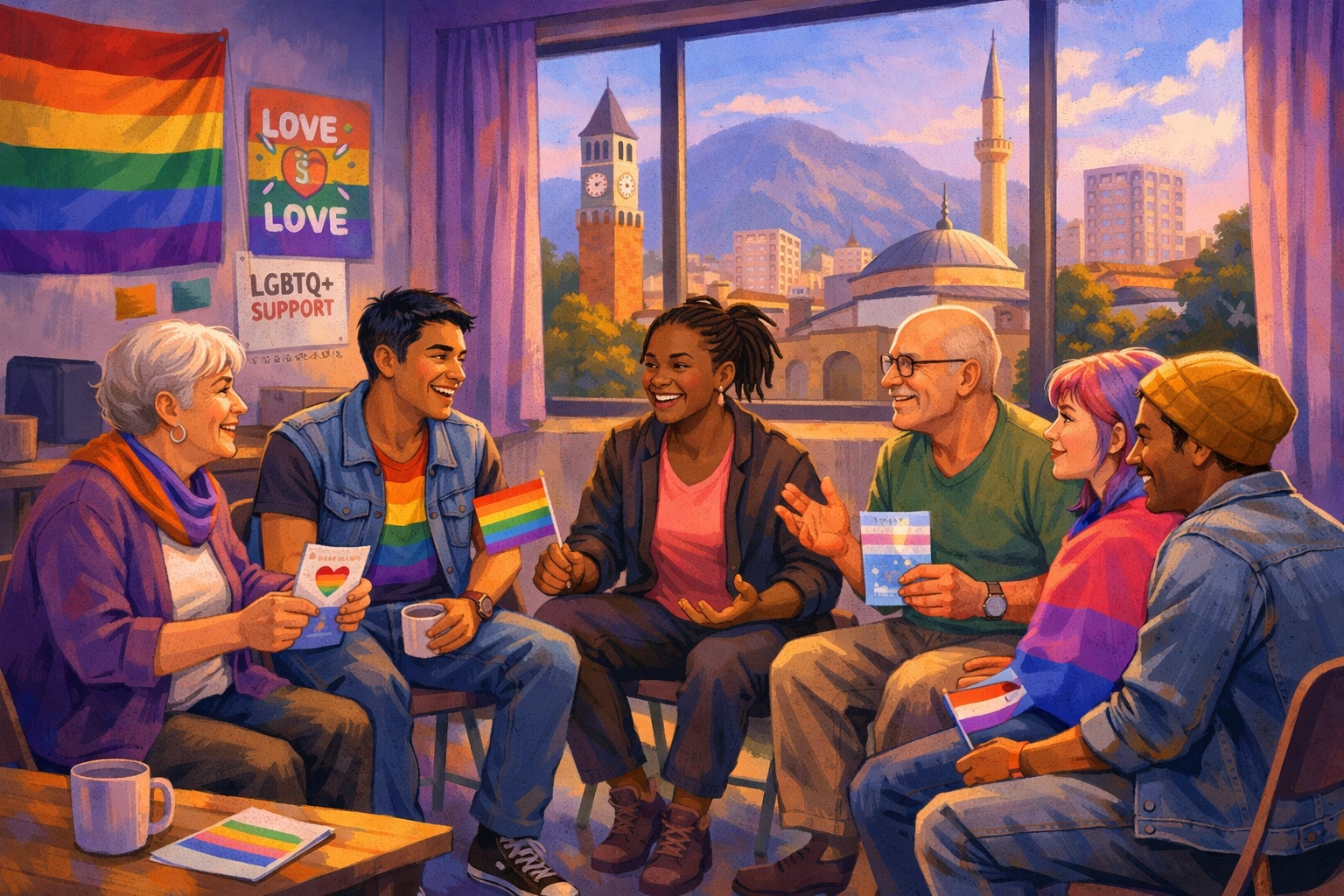
If there's hope in Albania's LGBTQ+ landscape, it comes from civil society organizations doing the heavy lifting. Groups like the Alliance Against LGBT Discrimination (Aleanca LGBT), founded in 2009, work tirelessly on community building and raising awareness. Pro LGBT launched "My Story," a human rights news portal that became Albania's primary source for LGBTQ+ issues.
These organizations operate in a challenging environment, facing harassment, limited funding, and constant pushback from conservative forces. Yet they persist, creating safe spaces, providing support services, and slowly shifting public opinion through visibility and education. They're the unsung heroes making life bearable: and sometimes even joyful: for queer Albanians.
Cross-Border Dreams: Albania Meets Greece
The proximity to Greece creates interesting dynamics for Albanian LGBTQ+ individuals. Greece, while far from perfect, offers more established queer communities, legal same-sex partnerships, and greater social acceptance. Many Albanian LGBTQ+ people look across the border with a mixture of envy and hope.
Cross-border romances between Albanian and Greek men have their own unique challenges and beauty: navigating different levels of openness, family expectations that vary wildly between the two cultures, and the practicalities of building a life when one partner comes from a country still finding its way toward acceptance. These stories would make incredible MM romance books, full of cultural tension, forbidden love, and the courage it takes to be yourself against all odds.
What the Future Holds
Albania stands at a crossroads. EU integration efforts push toward more progressive policies and better implementation of existing laws. Younger generations increasingly reject the rigid traditionalism of their parents. Technology connects Albanian LGBTQ+ youth with global queer communities, making isolation harder to maintain.
But resistance remains fierce. Religious institutions, conservative politicians, and traditionalist family structures won't yield without a fight. The 2024 wedding backlash proved that visibility can provoke as much hostility as it inspires hope.
The evolution of LGBTQ+ rights in Albania is far from over. It's a story still being written by brave individuals who refuse to stay silent, by organizations fighting for dignity and equality, and by every queer Albanian who dares to live authentically despite the risks. Legal frameworks matter, but real change happens in hearts and minds: and that transformation takes time, courage, and persistence.
For those of us reading gay romance novels and queer fiction, Albania's story reminds us that behind every narrative of progress lies countless untold stories of struggle, resilience, and love refusing to be silenced. That's the kind of authentic story worth celebrating and sharing.
Explore more LGBTQ+ stories and perspectives at Read with Pride, your destination for authentic gay fiction and MM romance books.
Connect with our community:
- Facebook: Read with Pride
- Instagram: @read.withpride
- Twitter/X: @Read_With_Pride
#ReadWithPride #LGBTQRights #Albania #QueerHistory #MMRomance #GayRomanceBooks #LGBTQFiction #QueerFiction #GayLoveStories #BalkanPride #LGBTQProgress #GayRights #QueerCommunity #MMRomanceBooks #GayFiction #LGBTQEbooks #AlbanianPride #QueerVisibility #2026 #GayLiterature #AuthenticStories

Leave a Reply
You must be logged in to post a comment.