

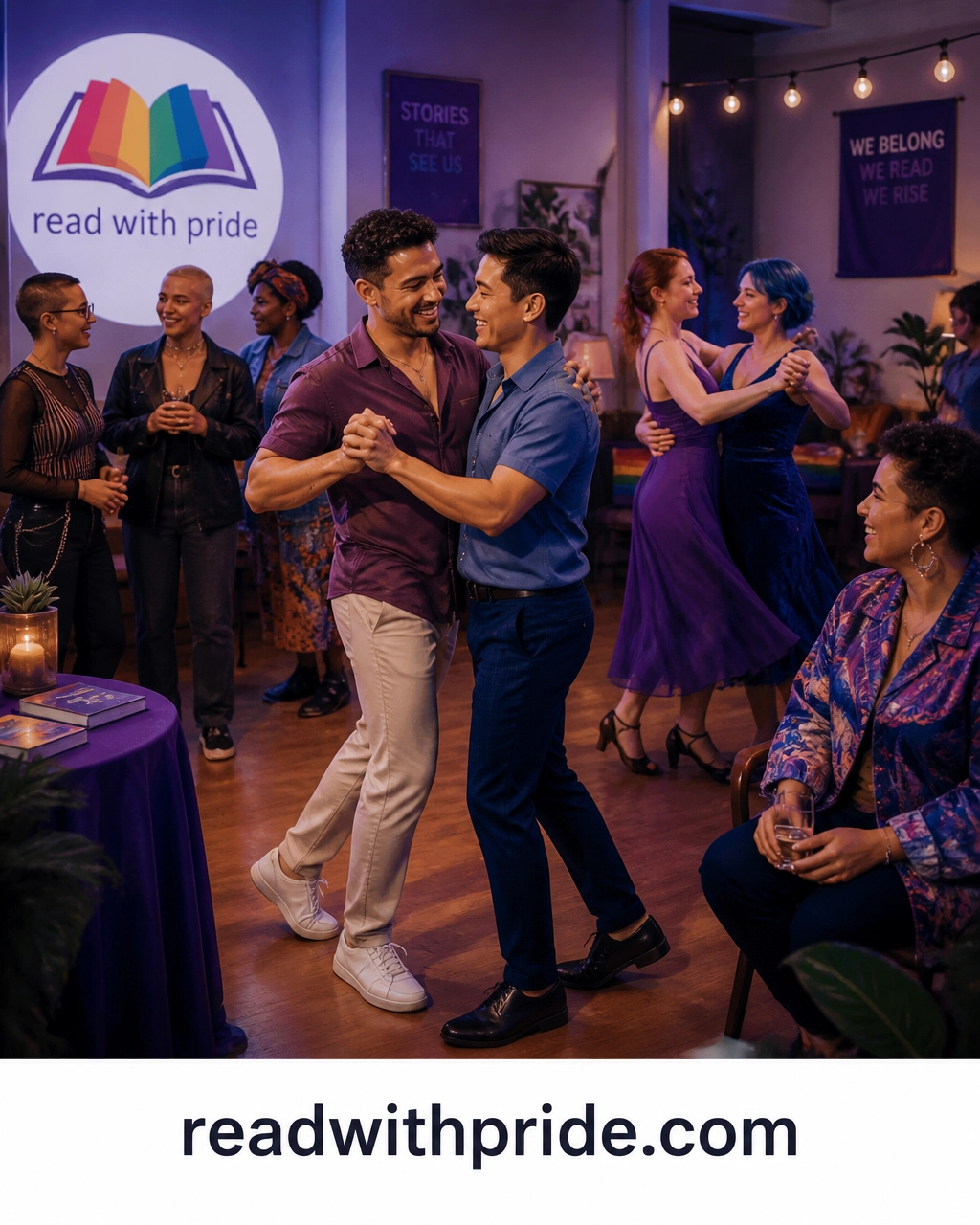
There is a special kind of bravery involved in walking into a dance class when you have two left feet, zero rhythm, and the strong suspicion that everyone else has been dancing since birth.
Good news: they probably haven’t. Queer dance spaces are often less about perfect footwork and more about finding a room where you can laugh, learn, move, and meet people who understand that “step, step, turn” is not always as simple as it sounds.
Partner dance can be a hands-on hobby and a brilliant way to build community. Salsa nights, ballroom classes, queer swing, tango socials, and local dance events all create natural opportunities to connect, with no awkward networking spreadsheet required.
Start with a low-pressure queer dance space
If your first thought is “I could never do that,” look for beginner-friendly classes that say:
- No partner required
- All experience levels welcome
- Lead, follow, or switch roles
- LGBTQ+ or queer-centred
- Drop-in sessions available
That language matters. Inclusive dance spaces understand that not everyone wants traditional gender roles assigned before they have even found the dance floor. You should be able to choose whether you lead, follow, or switch, and change your mind as you learn.
A good class will also explain consent clearly. Partner dancing involves touch, movement, and personal space, so instructors should make it normal to ask before trying a move, say no to a particular connection, or take a break. That is not being difficult. That is being a considerate human with functioning boundaries.

What to look for before you book
Before signing up, check the event description and social media pages. Look for photos that show a genuinely varied community, not just a rainbow added to a stock image. Read reviews if they are available, and see whether the organisers mention accessibility, pronouns, changing rooms, and respectful conduct.
You can also message the organiser with practical questions:
- Can I attend alone?
- Do people rotate partners?
- Is the venue accessible?
- Are there alcohol-free or quieter options?
- What happens if I feel uncomfortable?
Try a short beginner series rather than committing to an entire season immediately. Returning to the same class each week makes it easier to recognise people, remember names, and build the kind of slow, steady connection that turns “I don’t know anyone here” into “Is Alex coming tonight?”
Partner dancing is basically a queer romance trope factory
Partner dancing has forced proximity built in. You are placed close to another person and asked to coordinate your limbs while pretending you know where the beat went.
Then there is the slow burn: repeated classes, familiar smiles, shared jokes, and one person finally remembering the choreography. Enemies-to-lovers? Easy. You step on each other’s toes during week one, develop a competitive grudge by week three, and somehow end up sharing chips after the social.
The best part is that real life does not need to follow the neat ending of a romance novel. Maybe you make a new friend. Maybe you find a date. Maybe you discover that dancing with someone you trust helps you feel more at home in your body.
That same emotional journey appears throughout MM romance books, gay romance novels, lesbian romance, and wider queer fiction: people learning to communicate, take up space, and let themselves be seen. From coming out stories to tender queer love stories, LGBTQ+ novels remind us that connection can begin in unexpected places: including beside the refreshments table.

Find: or start: your community dance night
Search your town or city with phrases such as “queer salsa,” “LGBTQ+ ballroom,” “inclusive swing,” “queer tango,” or “partner dance for beginners.” Local LGBTQ+ centres, Pride organisers, libraries, cafés, and community halls may know about events that are not easy to find through ordinary search results.
If nothing exists nearby, start small. Invite a few friends to a community room, choose a beginner video or local teacher, and make the goal social rather than spectacular. Add snacks. Create a playlist. Give everyone permission to be gloriously uncoordinated.
You could even pair the event with a queer book club discussion about dance-themed gay fiction, emotional MM books, or LGBTQ+ fiction 2026. A reading group and a dance night may sound like different hobbies, but both create a reason to gather: and a structure for people to keep showing up.

Find your next story: and your next people
Whether you dance beautifully or spend most of the evening apologising to your own feet, there is room for you. Community is not something you have to audition for.
Browse Read with Pride for MM romance books, gay romance novels, lesbian romance, gay fiction, LGBTQ+ novels, and more queer love stories. Explore the LGBTQ+ blog for conversations about queer life, coming out stories, hobbies, relationships, and reading in 2026.
Are you an LGBTQ+ author? Visit the Free Global Publishing Portal to learn more about sharing your work with readers worldwide.
Follow Readwithpride on Facebook and Instagram for more recommendations, community conversations, and reasons to keep showing up: on the dance floor and everywhere else. Whether you are exploring LGBTQ+ fiction 2026 or even a wider conversation such as C Section 2026, there is always room for another story and another person in the circle.
#ReadWithPride #QueerHobbies #LGBTQCommunity #QueerDance #SalsaNight #BallroomDance #MMRomanceBooks #GayRomanceNovels #LesbianRomance #QueerFiction #QueerBookClub #LGBTQFiction2026 #ComingOutStories #QueerLoveStories

Leave a Reply
You must be logged in to post a comment.