


We need to talk about that moment. You know the one, when the character finally discovers who's really been messaging them all this time. The stomach-drop reveal. The "Oh no, it's you" recognition scene that makes you want to throw your Kindle across the room (but also keep reading because you absolutely need to know what happens next).
Secret identities in MM romance hit different. And if you've been following our series on gay social media and dating, you know we've covered everything from app culture to Instagram DMs. But this? This is where the digital world gets deliciously complicated: and where fiction takes something potentially harmful and transforms it into pure, tension-filled gold.
The Real-World Shadow: What Catfishing Actually Is
Let's get serious for a second. Real catfishing is no joke. It's when someone creates a fake online persona to deceive others: usually for romantic scams, emotional manipulation, or worse. It's about predatory behavior, broken trust, and real people getting hurt. The person behind the screen isn't a misunderstood romantic lead; they're someone engaging in deception that can have devastating consequences.
So why, then, are we absolutely obsessed with reading about characters who hide behind screens, use fake profiles, or conceal their true identities online?
The answer lies in the crucial difference between fiction and reality: consent, context, and consequences.

The Fictional Framework: Why Secret Identities Work in Romance
In the best gay romance books and MM romance novels, secret identity stories operate under different rules. The authors aren't glorifying deception: they're using it as a narrative device to explore themes of vulnerability, self-discovery, and the masks we all wear (both online and off).
Here's what makes it work in fiction:
The Setup Is Everything. In MM romance, the secret identity usually stems from understandable motivations: fear of coming out, professional concerns, protecting oneself in a hostile environment, or even accidental anonymity that spirals out of control. The character isn't necessarily trying to deceive; they're trying to survive, explore, or protect themselves.
Both Characters Get Development. Unlike real catfishing where one person holds all the power, well-written MM fiction gives us both perspectives. We see the person behind the screen grappling with guilt. We feel the other character's growing attachment. We're rooting for both of them to figure it out because we understand why it happened.
The Reveal Is the Point. In real life, discovering you've been catfished is the end of the story: and usually a traumatic one. In fiction, it's the midpoint crisis that forces both characters to confront who they really are and what they really want. It's where the story actually begins.
The Psychology of the Screen: Why We Love the Trope
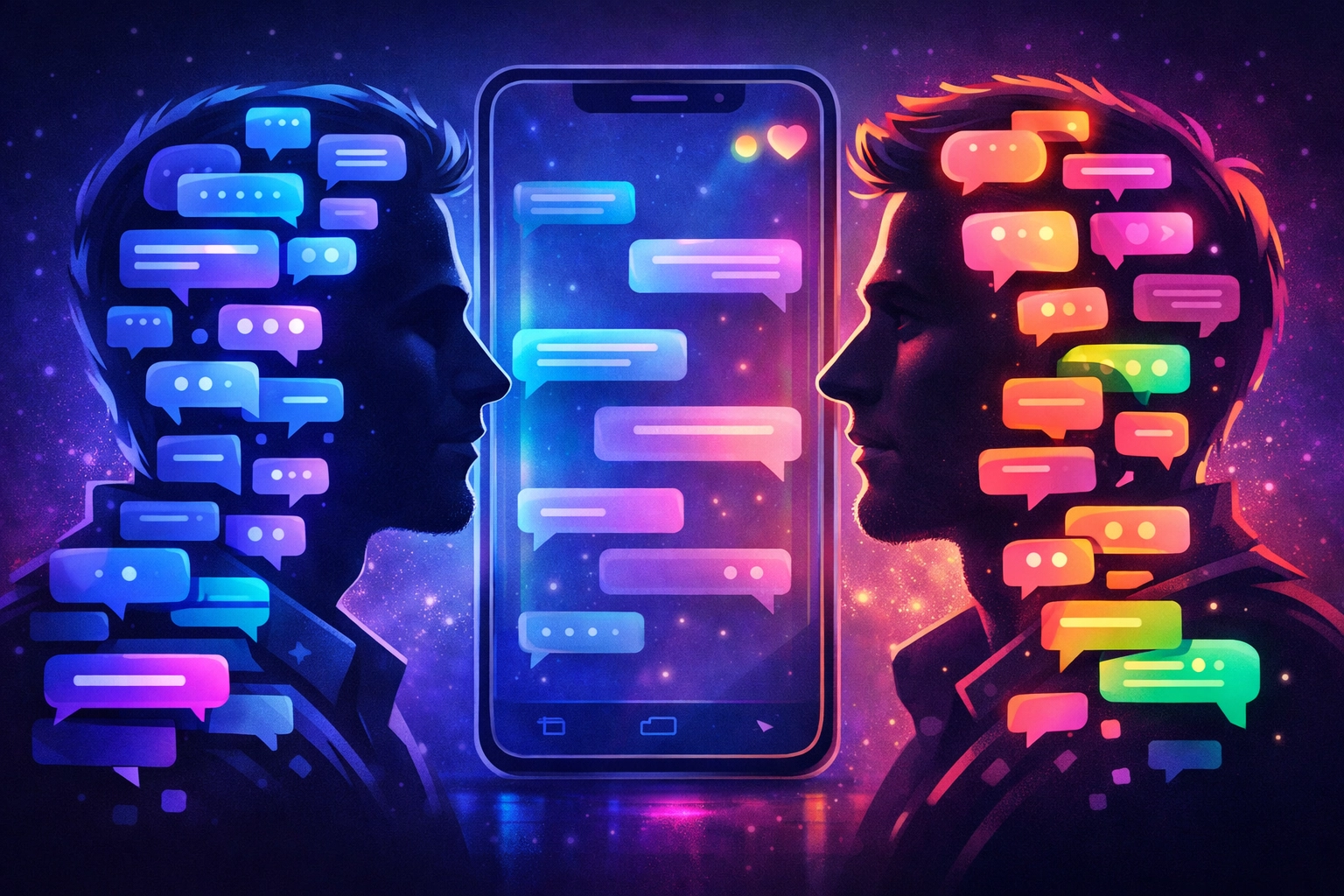
There's something deeply compelling about watching characters connect through screens before they meet in person. It taps into several psychological elements that make for irresistible storytelling:
Digital Intimacy Is Real Intimacy. When characters bare their souls via text, chat, or DMs, they often reveal truths they'd never say face-to-face. The anonymity (or perceived anonymity) of the screen becomes a confession booth where vulnerability flows freely. We've all felt that: the way it's somehow easier to be real when you're not making eye contact.
The Masks We Wear. Every LGBTQ+ person knows something about hiding and revealing. The secret identity trope resonates because it's a metaphor for the closet, for code-switching, for the different versions of ourselves we present to the world. When a character is hiding behind a profile, we're really exploring the broader question: who are we when no one's watching?
The Transformation Fantasy. There's a reason Cinderella endures as a story. We love the moment when someone sees past the disguise and recognizes the real person underneath. In spicy MM romance, this becomes even more potent: the revelation that the anonymous stranger you've been messaging is actually your rival, your boss, your best friend, or that impossibly hot guy you thought was straight.
The Ethics of Fiction: Where Authors Walk the Line
Here's where skilled MM authors really shine: they understand that this trope requires careful handling. The best gay romance books featuring secret identities don't shy away from the ethical complications:
Acknowledgment of the Lie. Good authors don't handwave the deception. The character who's been hiding usually experiences genuine guilt and fear about what they've done. The reveal scene isn't just dramatic: it's painful, messy, and full of consequences.
Grovel Mode: Activated. One of the most satisfying parts of these stories? Watching the deceiver work to earn back trust. The grovel is essential. Whether it's grand romantic gestures, vulnerable honesty, or proof of genuine change, the character has to earn their happy ending.
Real Conversations About Trust. The best MM fiction doesn't treat trust as something easily repaired. These stories often include therapy, honest conversations about boundaries, and a genuine reckoning with what deception does to a relationship.
From Digital Fantasy to Physical Reality: The Bridge Scene
There's a specific moment that defines secret identity romance: the first time the characters meet in person after the truth comes out. This is where the rubber meets the road, where digital chemistry has to translate into real-world connection.
The tension in these scenes is incredible because we're watching both characters navigate multiple realities at once: Who was I online? Who am I in person? Can we bridge these two versions? Do I still want this now that it's real?
In MM romance specifically, this often intersects with coming out narratives or navigating queer spaces. The character might have been more openly gay online than in their daily life. They might have used the anonymity to explore desires they weren't ready to claim publicly. The meeting becomes not just about two people connecting, but about integration: becoming whole rather than fragmented.

Why This Trope Endures: The Modern Twist
Here's the thing about secret identity stories in 2026: they're more relevant than ever. We're living in an era where our digital selves and physical selves are increasingly intertwined but still somehow separate. We all curate online personas. We all decide what to reveal and what to hide.
Contemporary MM romance authors are getting incredibly creative with this trope:
- Social media influencers hiding their real identities
- Gaming relationships that cross into reality
- Professional rivals connecting anonymously on dating apps
- Anonymous advice columnists falling for their letter writers
- Catfish investigators falling for their targets (hello, irony)
The beauty of reading these stories through Read with Pride is discovering how diverse LGBTQ+ authors are reinventing this classic trope for the digital age. They're not just rehashing old plots: they're using secret identities to explore modern questions about authenticity, online culture, and what it means to truly know someone.
The Verdict: Fantasy vs. Reality
So why are we obsessed with secret identities in gay romance books? Because in the safe space of fiction, we can explore the terrifying possibilities of digital connection without the real-world risks. We can experience the thrill of anonymity, the rush of revelation, and the satisfaction of earned trust: all from the comfort of our reading nook.
We're not endorsing real catfishing. We're celebrating stories that use deception as a narrative tool to explore deeper truths about identity, vulnerability, and connection. The best MM romance novels featuring this trope don't minimize the harm of dishonesty: they use it as a crucible to forge stronger, more authentic relationships.
And let's be honest: there's something deliciously satisfying about watching two characters who've been circling each other online finally figure out they've been falling for each other all along. That moment when the masks come off? When the screen disappears and it's just two people, vulnerable and real and terrified and hopeful?
That's why we read.
Looking for MM romance that plays with identity, anonymity, and that perfect moment of recognition? Browse our collection at readwithpride.com where you'll find everything from sweet digital-age meet-cutes to spicy MM romance with complex reveals. Because sometimes the best love stories start with a lie: but they only work when they end with truth.
#MMRomance #GayRomanceBooks #ReadWithPride #LGBTQBooks #SecretIdentityTrope #QueerFiction #GayBooks #MMBooks #SpicyMMRomance #GayRomanticFiction #DigitalAgeLove #LGBTQRomance #BookRecommendations #QueerLit #RomanceTropes
Follow us for more LGBTQ+ romance insights:
📘 Facebook
📸 Instagram
🐦 X/Twitter

Leave a Reply
You must be logged in to post a comment.