

Remember the sound of a dial-up modem connecting? That screechy symphony of beeps and static wasn't just your internet coming online, for many LGBTQ+ folks, it was the sound of possibility. Before Grindr grids and Instagram DMs, before "hey" became the laziest pickup line in history, there was a whole era of digital cruising that changed how queer people found each other.
And honestly? Those early online spaces weren't just about hooking up (though, let's be real, that happened too). They were about connection in a world that often felt isolating. They were the precursors to the "anonymous chat turns to love" trope we devour in MM romance books today.
So grab your nostalgia goggles, we're taking a trip down memory lane to explore how gay chat rooms and social sites evolved, and how they've influenced the gay romance novels we can't put down.
The Dawn of Digital: Bulletin Board Systems (1980s-1990s)
Before websites were a thing, before you could Google "gay bars near me," there were Bulletin Board Systems (BBSs). These were basically local or regional networks you'd dial into with your computer modem. Think of them as the grandparents of social media, clunky, slow, but absolutely revolutionary.
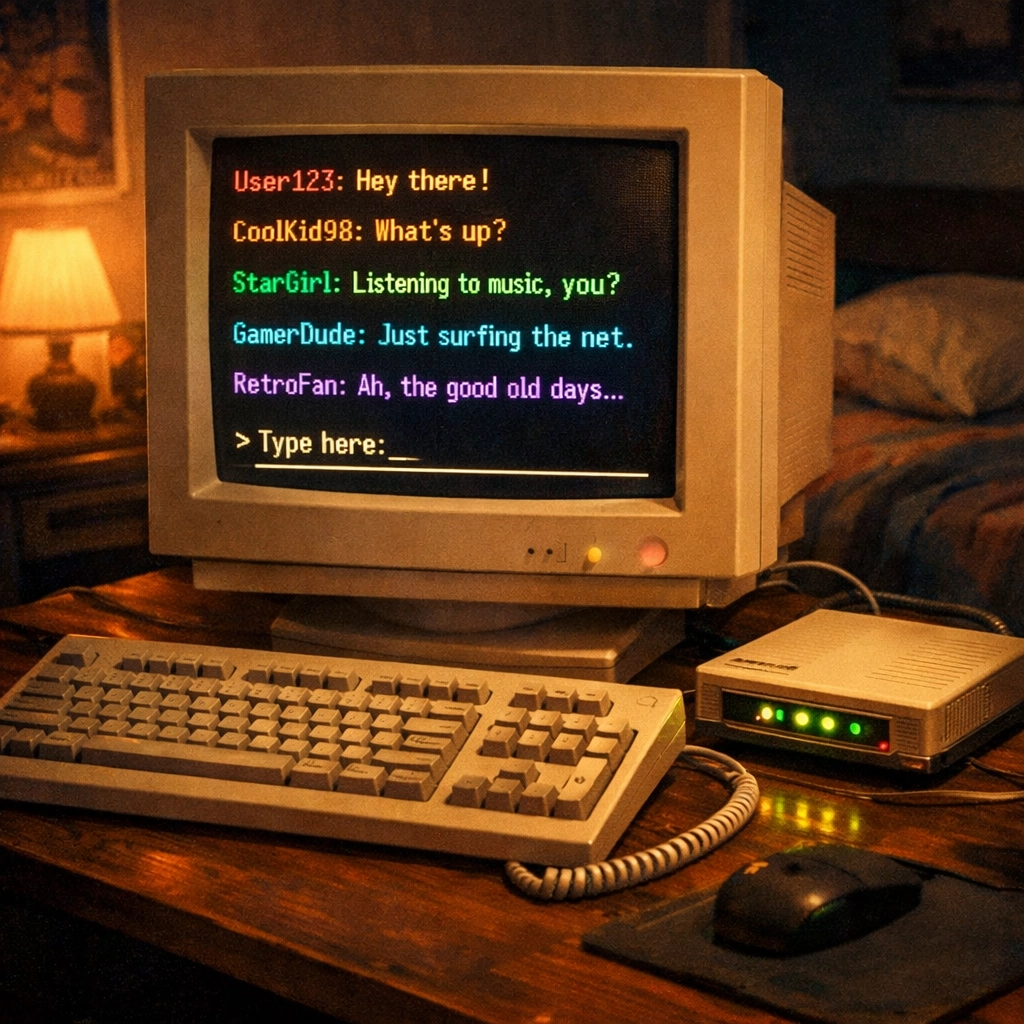
In the 1980s and early 90s, these BBSs became lifelines for queer folks, especially those in rural areas or conservative communities. You could post messages, chat with others, and, most importantly, be yourself without the fear of being outed in your physical community.
Then came Gay.Net in December 1993, launched by Andy Cramer. For $10 a month (which, adjusted for inflation, is still cheaper than most dating app subscriptions today), 10,000 gay and bisexual men found their people. Cramer created Gay.Net because mainstream services like Prodigy and AOL were heavily censored. He wanted "a site where people could be who they were."
At first, members used fake pictures or stayed anonymous. But over time, trust grew. Avatars appeared, then real photos. It was the beginning of digital authenticity in queer spaces. By 1999, Gay.Net had merged with Gay.com, boasting 4 million users.
For queer women, lesbian.org emerged in the mid-1990s, created by Amy Goodloe as a space for women to find each other and share experiences. These weren't just dating sites, they were communities.
"You've Got M(ale)!": The AOL Chat Room Era
If you were online in the late 90s, you remember AOL chat rooms. Launched in 1993, they became the digital equivalent of a bustling gay bar, except you could access them in your pajamas at 2 AM.
AOL chat rooms were "rife with gay-centric spaces" by the late 90s. Rooms with names like "M4M" and "Gay Romance" (yes, really) became virtual cruising grounds. You'd pick a screen name (and everyone had at least three, don't lie), create a profile with an A/S/L (age/sex/location), and dive into conversation.
The anonymity was thrilling. You could be whoever you wanted. You could explore your identity without judgment. You could flirt, make friends, or find something more. And if it got weird? You could just log off.
This era also gave birth to what would become a beloved gay romance trope: the anonymous online connection that turns into real-life love. How many MM romance novels have we read where characters meet in a chat room, develop feelings through messages, and then face the terrifying/exciting moment of meeting IRL? (Spoiler: it always works out, and there's usually a very satisfying kiss in the rain.)
Desktop Dating: The Early 2000s
As the internet matured, so did our ways of connecting. Gaydar launched in November 1999, offering chat and messaging specifically for queer men seeking dates, relationships, or casual encounters. It was sleek(ish) for its time and felt more grown-up than AOL chat rooms.
The early 2000s saw an explosion of desktop dating sites: Manhunt.net, Adam4Adam.com, GayRomeo.com. These platforms were more structured than chat rooms, you created detailed profiles, uploaded photos, and browsed potential matches like window shopping.
But there was a catch: you had to be at your computer. If someone messaged you while you were at work or out with friends, tough luck. Connection still required you to be stationary, logged in, waiting.
Still, these sites were game-changers. They expanded the dating pool beyond your immediate area (though you still needed to meet eventually, no one was flying cross-country for a first date). They also gave LGBTQ+ fiction writers tons of material. The "long-distance online romance" became a popular storyline, complete with tension, miscommunication, and eventual grand gestures.
The Mobile Revolution: Grindr Changes Everything
Then came 2009. The year that changed digital cruising forever.
Grindr launched as one of the first third-party iPhone apps, and it introduced something revolutionary: geolocation-based matching. Suddenly, you could see who was nearby right now. The grid of torsos (some headless, some not) became instantly iconic, and polarizing.
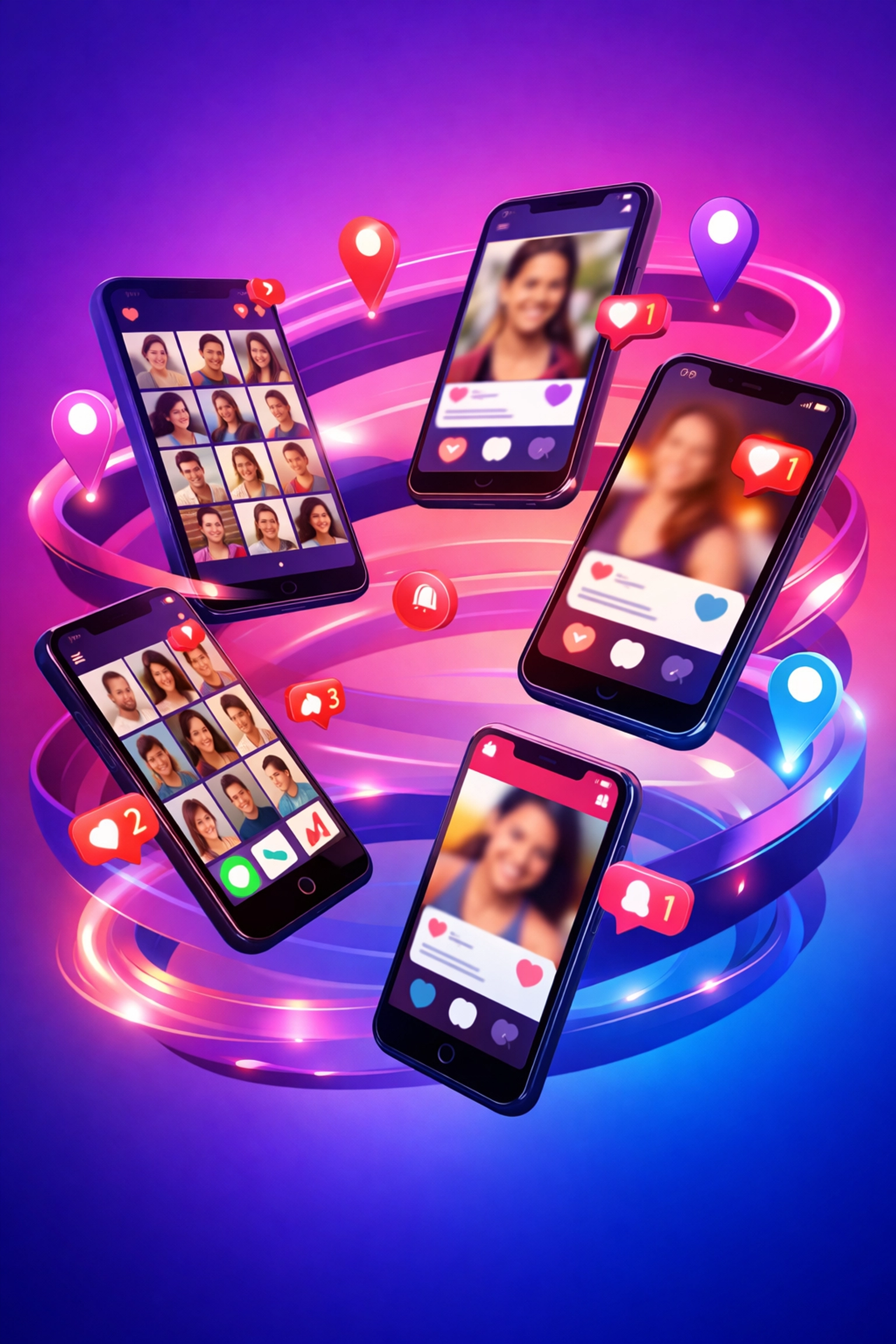
Creator Joel Simkhai designed Grindr as "a casual dating app for the queer community," but it became so much more. It was immediate. It was mobile. It put the power of connection literally in your pocket. No more waiting at your computer, you could cruise while grocery shopping, at the gym, or on your lunch break.
Grindr opened the floodgates. Other apps followed: Scruff, Jack'd, Hornet, and eventually apps like Tinder that weren't exclusively for queer users but welcomed everyone. The way we connected fundamentally shifted from patient waiting to instant gratification.
And yes, it changed gay romance books too. Authors started writing about app culture, about the awkwardness of recognizing someone from Grindr in public, about the mix of convenience and superficiality these platforms brought. The "we matched on an app" meet-cute became as common as "we locked eyes across a crowded bar."
How Digital Cruising Shaped MM Romance
Here's the thing: all these technological shifts didn't just change how real gay men connected, they transformed MM romance fiction too.
The "anonymous online connection" trope? Born from AOL chat rooms and early forums. That delicious tension of falling for someone's words before seeing their face, the vulnerability of revealing yourself gradually, the fear and hope of meeting in person, it's catnip for romance readers.
The "accidental catfish" storyline? Straight from desktop dating era anxieties about whether someone's profile matched reality.
The "hate-to-love on a dating app" plot? Pure Grindr-era inspiration, where initial chemistry (or lack thereof) on an app leads to unexpected real-world sparks.
Even contemporary gay romance novels that don't explicitly feature apps are influenced by this history. The way characters communicate, the speed at which relationships develop, the role of technology in modern dating, it's all shaped by decades of digital cruising evolution.
At Read with Pride, we see these tropes play out in countless stories. From historical LGBTQ+ romance that imagines what "if only they'd had the internet" to ultra-contemporary MM contemporary romance that deals with the realities of app fatigue, these digital spaces are woven into queer storytelling.
Where We Are Now (and Where We're Going)
Today's landscape is fragmented in the best way. Yes, Grindr still dominates for many. But there's also Scruff for bear lovers, Feeld for the ethically non-monogamous, Lex for queer text-based connection, and TikTok has become an unexpected place for queer community building.
We've come full circle in some ways. After years of photo-first apps, there's renewed interest in text-based connection (hello, Lex). The anonymity of early chat rooms is being reimagined as intentional authenticity. People are seeking substance again, not just convenience.
And the best part? Gay fiction and MM novels are documenting all of it. Every awkward first message, every successful meet-cute, every heartbreak and triumph of digital dating: it's all being captured in the queer fiction we devour.
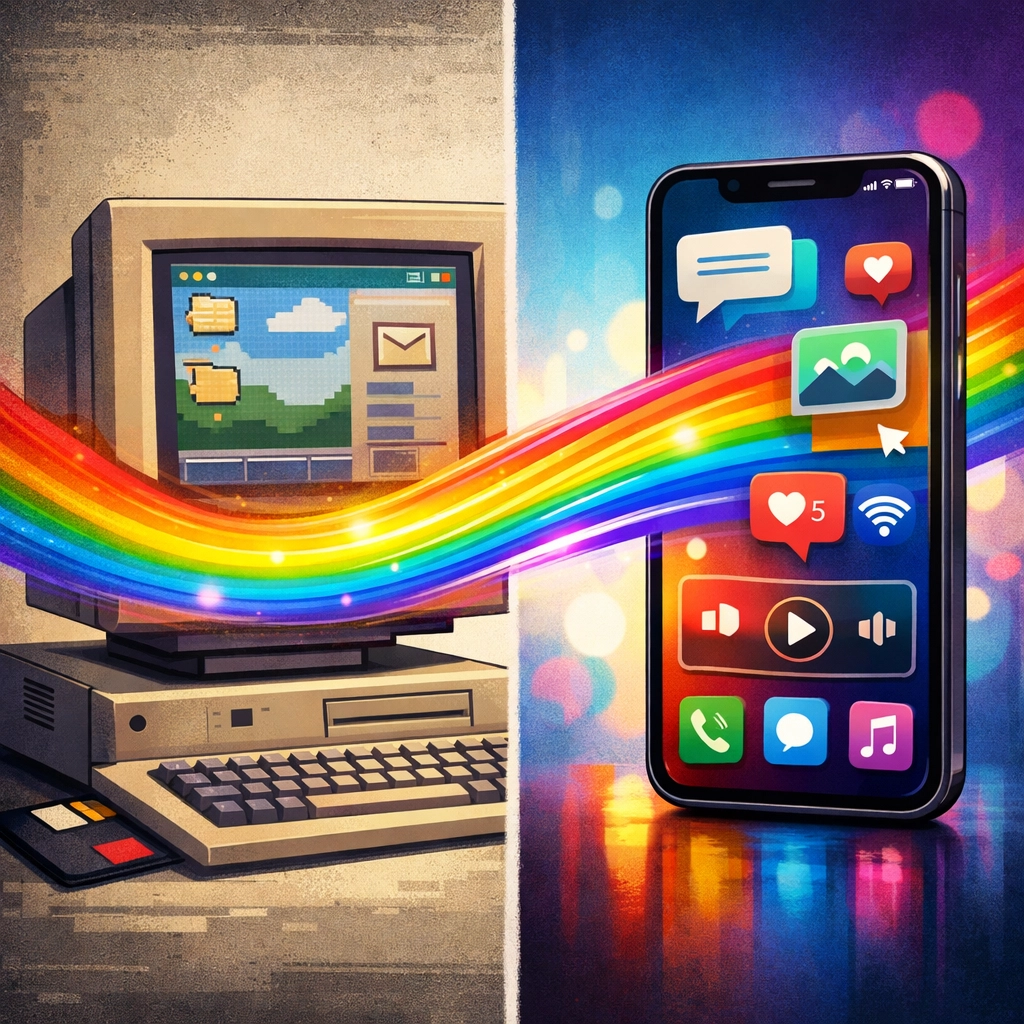
The Through-Line: Connection
Whether it was logging into Gay.Net on a bulky desktop in 1994, spending hours in an AOL chat room in 1999, refreshing your Manhunt profile in 2005, or scrolling through Grindr in 2026: the core desire hasn't changed.
We want to be seen. We want to be known. We want to find our people, whether that's friends, lovers, or just someone who gets the reference to that obscure gay romance book we can't stop recommending.
The technology evolved, but the human need for connection stayed constant. And that's what makes both real-life digital cruising and fictional versions in MM romance books so compelling: they're about vulnerability, hope, and the courage to put yourself out there.
So next time you swipe, scroll, or DM, remember: you're part of a decades-long tradition of queer people using whatever tools available to find each other. It's not just dating: it's history.
What's your favorite MM romance that features online connection or dating apps? Drop your recs in the comments or tag us on social!
Follow us for more queer book love:
- Instagram: @read.withpride
- Facebook: Read With Pride
- X/Twitter: @Read_With_Pride
- Website: readwithpride.com
#ReadWithPride #MMRomance #GayRomanceBooks #LGBTQBooks #QueerFiction #GayFiction #MMBooks #LGBTQRomance #GayLoveStories #QueerRomance #GayNovels #MMNovels #LGBTQFiction #GayLiterature #MMContemporary #GayRomanceReads #QueerBooks #LGBTQReading #GayBookClub #MMRomanceReaders #DatingAppRomance #OnlineRomance #ModernRomance #2026Books

Leave a Reply
You must be logged in to post a comment.