

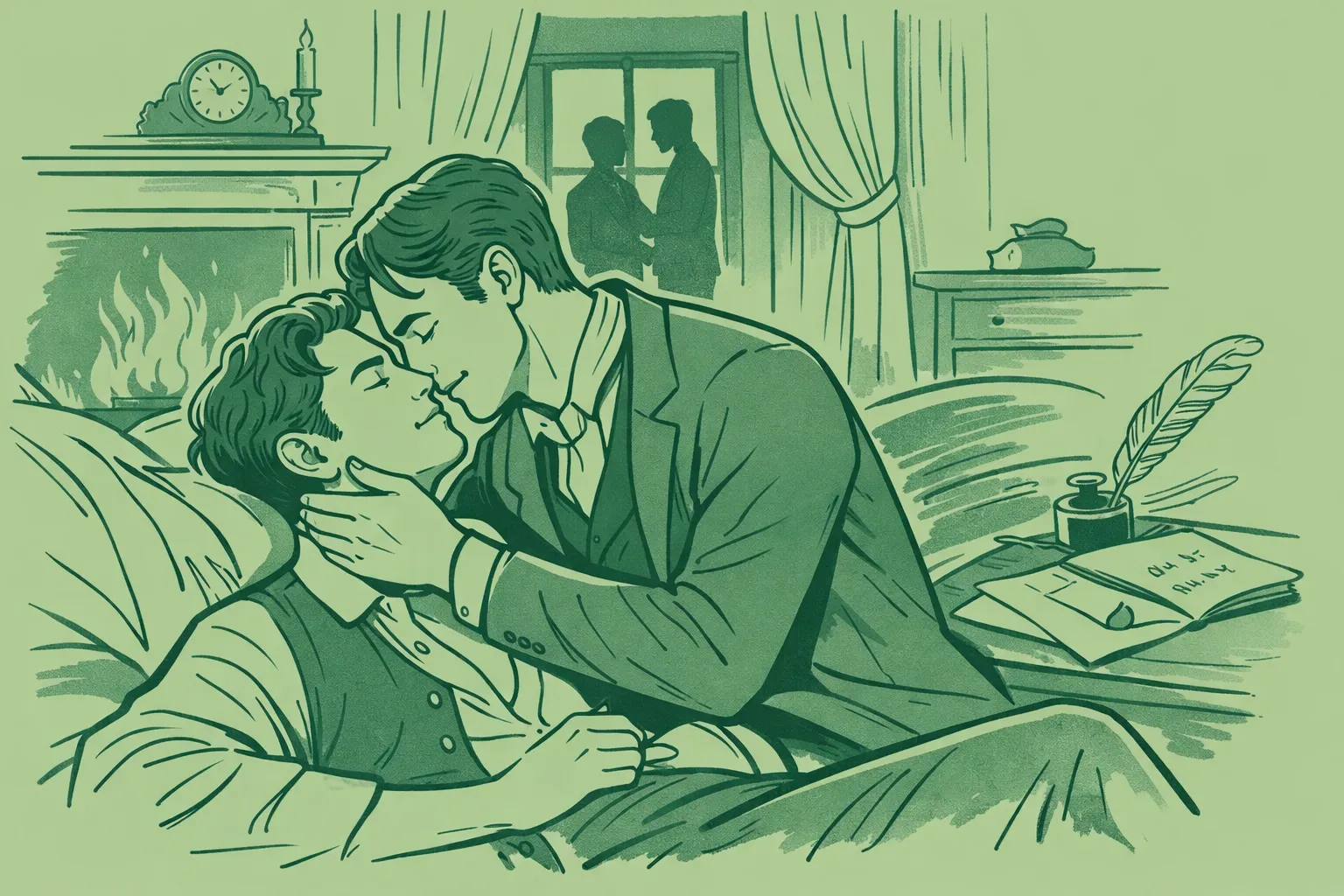
The Victorian era is often painted as a time of rigid morality, starched collars, and propriety at all costs. But behind the heavy velvet curtains, beneath the gas-lit streets of London, men were finding ways to love one another in the shadows. This wasn't just romance: it was survival. It was a love that had to hide, whisper, and speak in codes. And from that secrecy, our modern LGBTQ+ identity was born.
Discover Dick Ferguson's compelling MM historical romance collection at Read with Pride: where forbidden love meets authentic storytelling.
The Cost of a Secret: When Love Became a Crime
Until 1861, sodomy was a capital offense in Britain. Men caught in same-sex relationships faced the gallows. When the death penalty was finally abolished for this "crime," it wasn't mercy: it was merely a shift to 10 years to life in brutal prisons, complete with solitary confinement and hard labor.
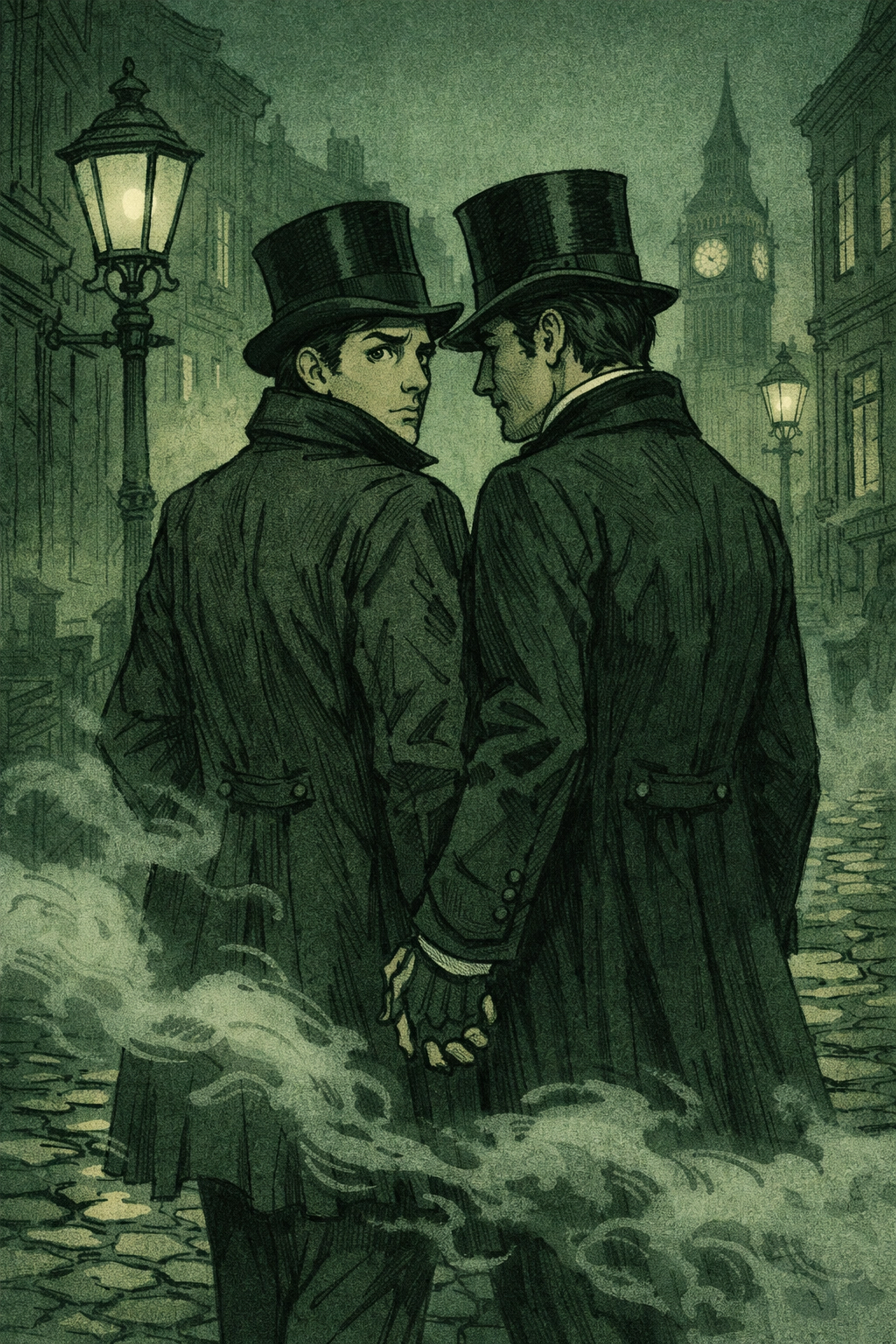
Then came 1885. The Criminal Law Amendment Act introduced the Labouchere Amendment, which criminalized all male homosexual acts, even those conducted in the privacy of one's own home. Suddenly, what happened behind closed doors was fair game for prosecution. Private intimacy became a public crime. A generation of men was forced into a life of codes, whispers, and constant fear.
Explore the emotional depth of secret love in Dick Ferguson's The Price of Desire: a story that captures the vulnerability of forbidden passion.
What's particularly striking about Victorian England is how it divided along lines of class and gender. Wealthy aristocratic men could often hide in plain sight. Evan Morgan, the 2nd Viscount Tredegar, hosted legendary gatherings where his "promiscuous homosexuality was an open secret apparently known to everyone except the police." Meanwhile, ordinary gay men: working-class men without titles or estates: faced the full brutality of the law.
Women's same-sex relationships? Entirely legal. Legislators may have excluded lesbianism from the law to avoid drawing public attention to the very possibility. Upper and middle-class women found freedom through "Boston Marriages": socially acceptable same-sex unions between wealthy, well-educated women who lived together in intimate companionship.
Oscar Wilde: The Man Who Refused to Be Small
No discussion of Victorian queer history is complete without Oscar Wilde. The era's most brilliant wit, the man who could command a room with a single quip, fell spectacularly from grace: not because his sexuality was unknown, but because he refused to be ashamed of it.
His love for Lord Alfred Douglas wasn't just a scandal. It was a testament to a heart that refused to be small, even when the world demanded it shrink. Wilde was prosecuted under the very Labouchere Amendment that had turned private love into public crime. In 1895, he was sentenced to two years of hard labor. The experience destroyed his health and his career.
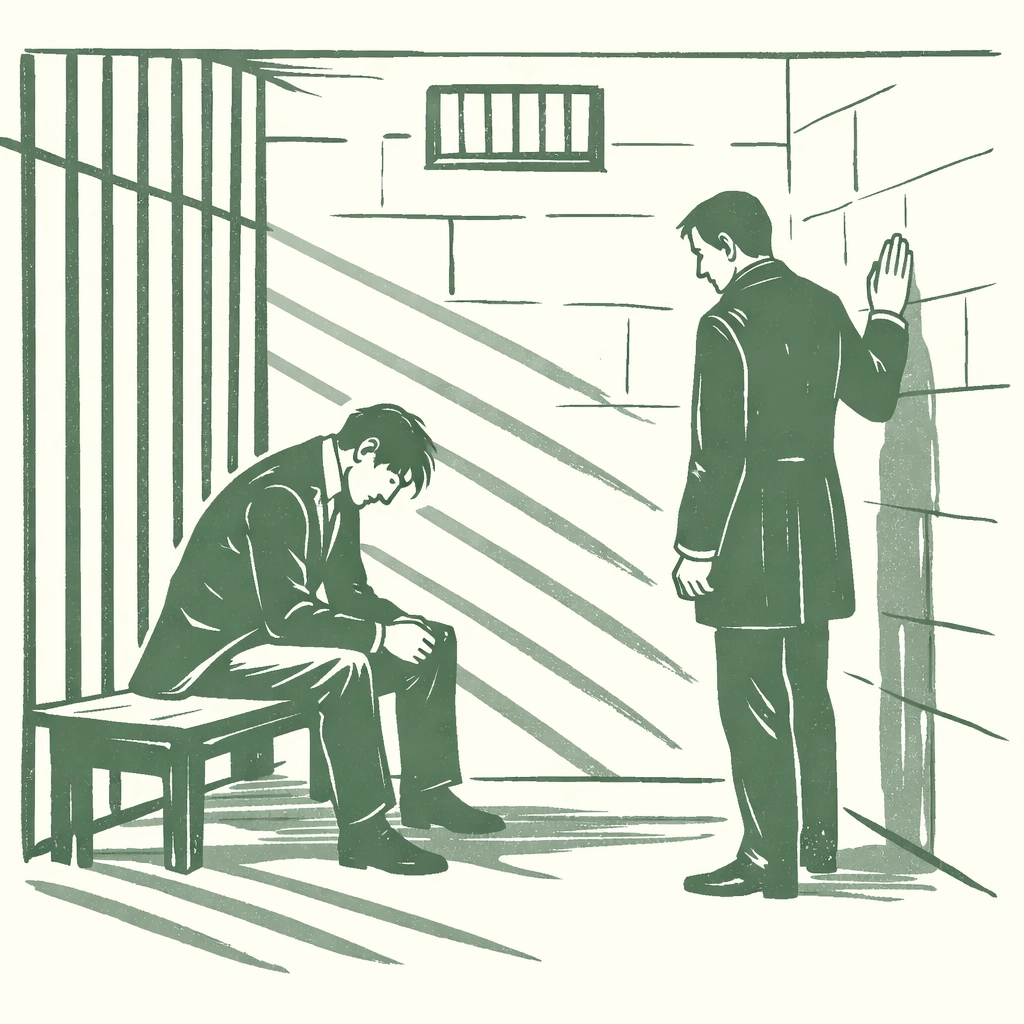
But Wilde's tragedy gave us something profound: proof that love, even when it costs everything, is worth fighting for. His trial forced Victorian society to confront what it had been pretending not to see. And in doing so, it planted the seeds for every coming-out story that would follow.
Dick Ferguson's The Phoenix of Ludgate explores themes of resilience and rebirth: echoing the strength of those who loved against all odds.
The Green Carnation: Secret Symbols of Recognition
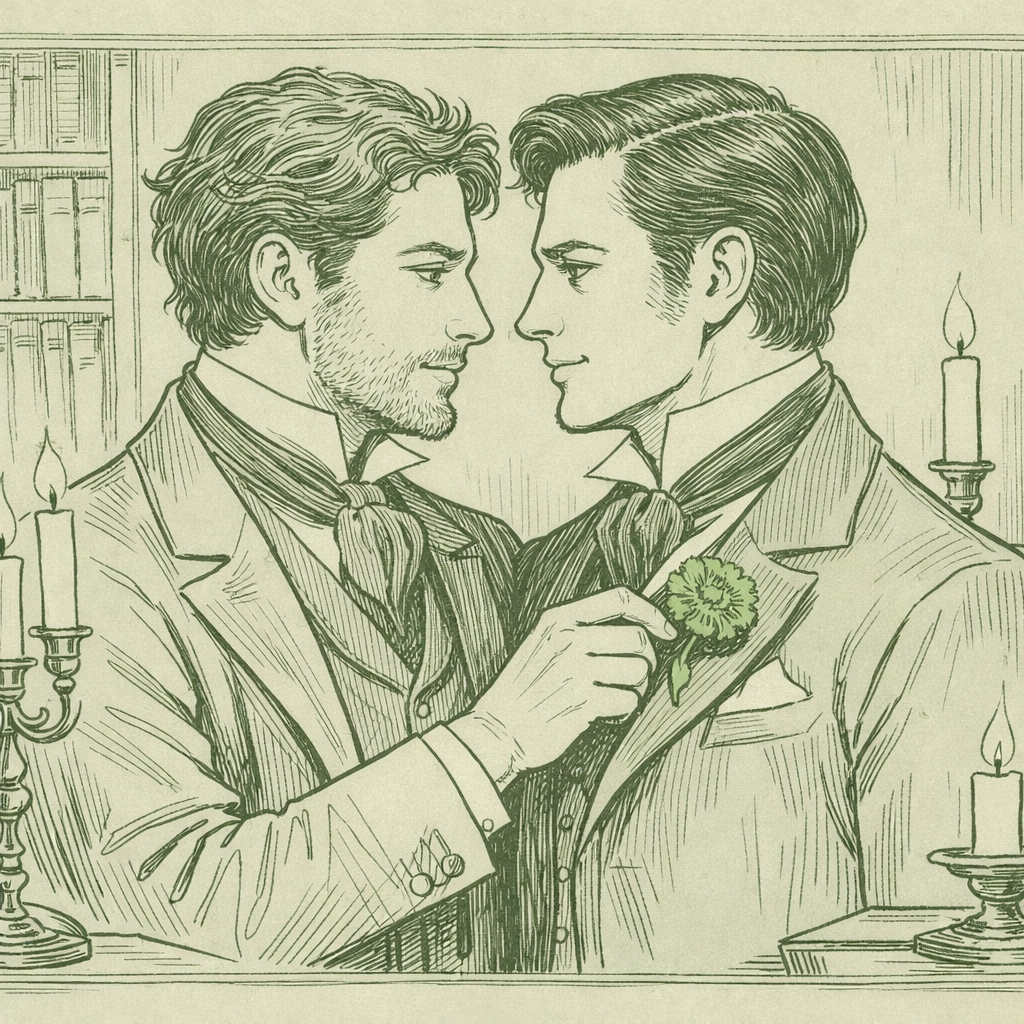
In a world that criminalized their existence, Victorian gay men developed their own language. The green carnation became one of the most famous symbols: worn in a buttonhole, it was a way of saying "I see you" in a world that refused to look.
Oscar Wilde popularized the green carnation, though its exact origins remain debated. What's certain is that it represented something dangerous and beautiful: visibility in invisibility. A splash of color in a grey world. A signal to others who understood.
These weren't just fashion statements. They were lifelines. Ways to find community, love, and recognition when the law said you shouldn't exist at all.
For stories that honor the courage of hidden love, visit dickfergusonwriter.com and explore our full MM romance collection.
The Ferguson Connection: Authentic Internal Struggles
Dick Ferguson's mastery lies in his ability to capture what we might call "authentic internal struggles." His characters don't just fall in love: they grapple with it. They experience the possessive jealousy, the terrifying vulnerability, the fear of losing everything for the sake of a feeling they can't name or control.
This mirrors exactly what Victorian men experienced. The internal war between desire and survival. The knowledge that loving someone could cost you your freedom, your reputation, your life. Ferguson's MM romance novels don't shy away from these complexities. They lean into them.
In The Silent Heartbeat and Velvet Nights and Broken Dreams, readers find characters who understand that love isn't always safe: but it's always worth it. Just like those Victorian men who wore green carnations and whispered in coded language, Ferguson's characters know that some truths demand to be told, no matter the cost.
The Birth of Identity
Here's what's particularly fascinating about the Victorian era: it invented the very categories we use today. Before this period, same-sex attraction existed, of course: but not as an identity. The concepts of "heterosexuality" and "homosexuality" as distinct, fixed identities were born in Victorian times.
This wasn't liberation. It was categorization for the purpose of control. By naming it, Victorian society could criminalize it, pathologize it, and attempt to eliminate it. But in naming it, they also gave birth to something they couldn't control: community. Identity. Pride.
Dive deeper into LGBTQ+ history and fiction at Read with Pride: your destination for MM romance, gay fiction, and queer literature.
We Owe Them Everything
Every time someone comes out today, they stand on the shoulders of Victorian men who loved in the dark. Every pride parade, every legal marriage, every public display of affection between same-sex partners: it all traces back to those who refused to stop loving, even when the world called it criminal.
Their resilience is the foundation of our freedom. Their secret symbols became our rainbow flags. Their whispered confessions became our loud, proud declarations. We owe our modern LGBTQ+ rights to people who never lived to see them: people who wore green carnations and spoke in codes and loved despite everything.
Dick Ferguson's writing honors this legacy. His MM romance novels capture the emotional truth of loving when it's dangerous, when it's forbidden, when everything inside you says it's wrong: but your heart knows it's right.
Read Their Stories. Honor Their Legacy.
Victorian queer history isn't just about suffering. It's about survival, creativity, courage, and love that refused to die. It's about finding ways to be yourself when the world insists you shouldn't exist.
Explore Dick Ferguson's complete collection of gay romance books, MM novels, and LGBTQ+ fiction at dickfergusonwriter.com. From historical romance to contemporary love stories, find books that honor the complexity of queer love.
Special recommendations for historical MM romance readers:
The love that dared not speak its name? It's speaking now. Loudly. Proudly. And thanks to writers like Dick Ferguson, it's being celebrated in all its complicated, beautiful, messy glory.
Follow us on social media:
- Instagram: @dickfergusonwriter
- Twitter/X: @DickFergus94902
- Facebook: Dick Ferguson Writer
Visit Read with Pride for more LGBTQ+ ebooks, gay books, and MM romance recommendations.
#ReadWithPride #MMRomance #GayRomance #LGBTQBooks #QueerFiction #GayFiction #VictorianHistory #OscarWilde #QueerHistory #GayHistoricalRomance #MMHistoricalRomance #GayLoveStories #LGBTQLiterature #DickFerguson #ForbiddenLove #GayNovels #MMNovels #GayRomanceBooks #ReadingWithPride #WritingWithPride #QueerAuthors #GayAuthors #2026GayBooks #BestMMRomance #GayBookClub #LGBTQKindleBooks

Leave a Reply
You must be logged in to post a comment.