

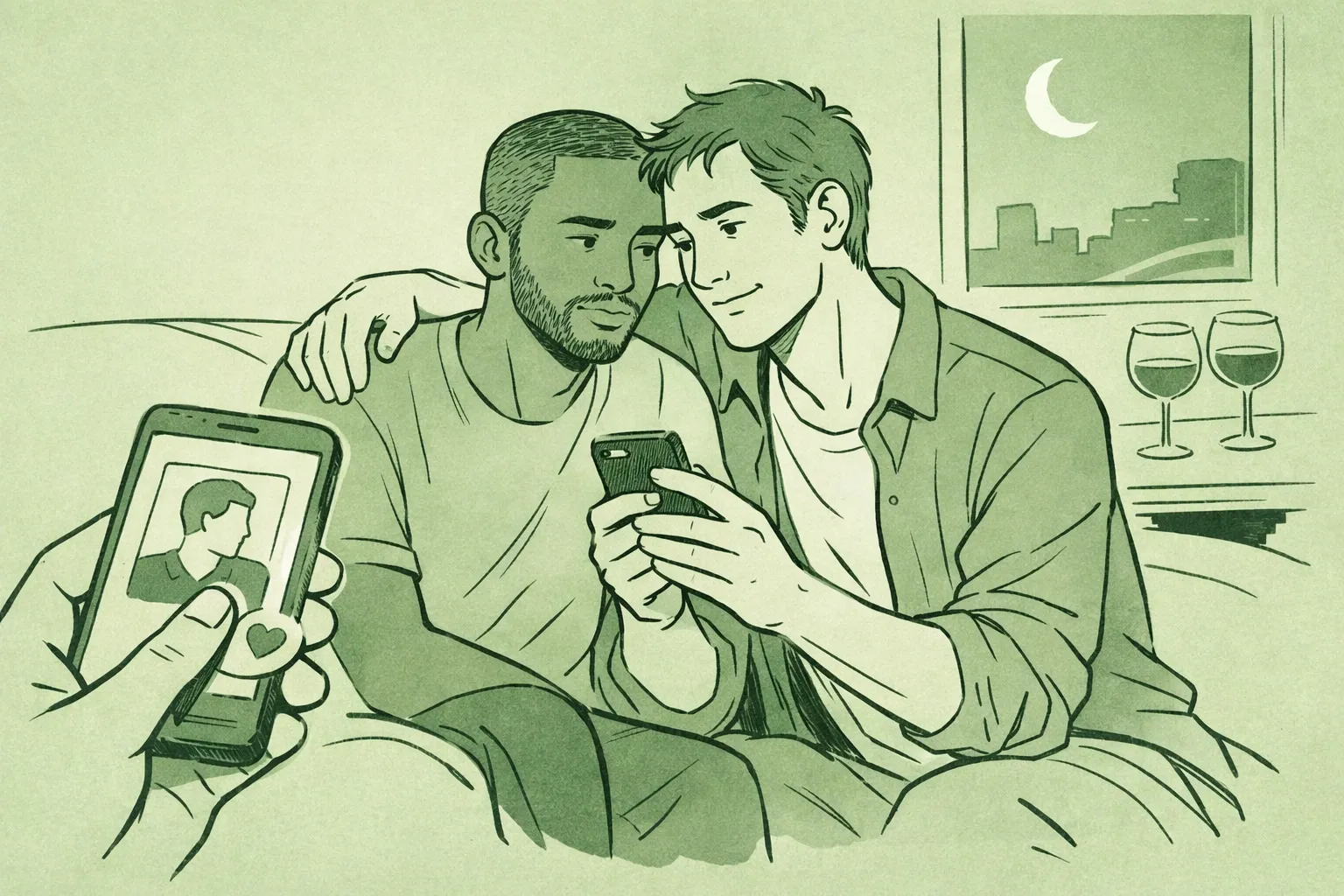
Remember when we thought dating apps would make finding love easier? Swipe right, find your person, ride off into the sunset. Simple, right?
Well, if you're reading this with your thumb hovering over yet another profile at 2 AM, heart racing over whether to swipe right or left, you already know the truth: digital dating feels like putting your entire soul on trial, one swipe at a time.
For gay and bi men navigating the already complex world of queer dating, apps like Grindr, Tinder, and Scruff can feel less like convenient tools and more like high-stakes gambling with your self-esteem. Let's talk about why that first swipe, and every one after, feels so damn vulnerable.
The Digital Mask: Packaging Your Soul in Six Photos
Here's the setup: you've got six photos, maybe 200 characters, and a handful of emoji to communicate everything about who you are as a human being. No pressure, right?
The reality is that dating profiles force us into a brutal exercise of self-commodification. You're not just sharing pictures, you're crafting a highlight reel that will be judged in 2.7 seconds. Should you include the gym selfie or will that seem too thirsty? Does the photo with your dog make you look approachable or boring? Is mentioning your love of MM romance novels (like the ones at Read with Pride) going to attract fellow book lovers or scare off the "masc4masc" crowd?
Every choice feels loaded with judgment. And here's the thing: it is. Research shows that dating apps activate the same reward pathways in your brain as slot machines, you're literally experiencing the neurological equivalent of gambling addiction every time you open the app. The anticipation before each swipe triggers dopamine release, but the uncertainty of whether you'll match creates that compulsive "just one more" pattern.
For queer men who've already spent years navigating visibility, presentation, and the exhausting question of "am I safe to be myself here?", this digital performance of identity cuts deep. You're not just choosing photos. You're deciding which version of yourself is worthy of love.
Scarier Than the Bar: When Rejection Comes in Digital Form
Let's be real: getting rejected at a bar sucks. Someone turns away, walks off, gives you the polite-but-firm "I'm here with friends" brush-off. It stings for a moment, maybe you grab another drink, and the night moves on.
Digital rejection? That's a different beast entirely.
When someone swipes left on your profile, when messages go unanswered, when matches unmatch without explanation, it feels more personal precisely because it's more clinical. There's a permanence to it. A visibility. Your brain interprets it as concrete evidence: "This person looked at everything I chose to present about myself and decided I wasn't worth their time."
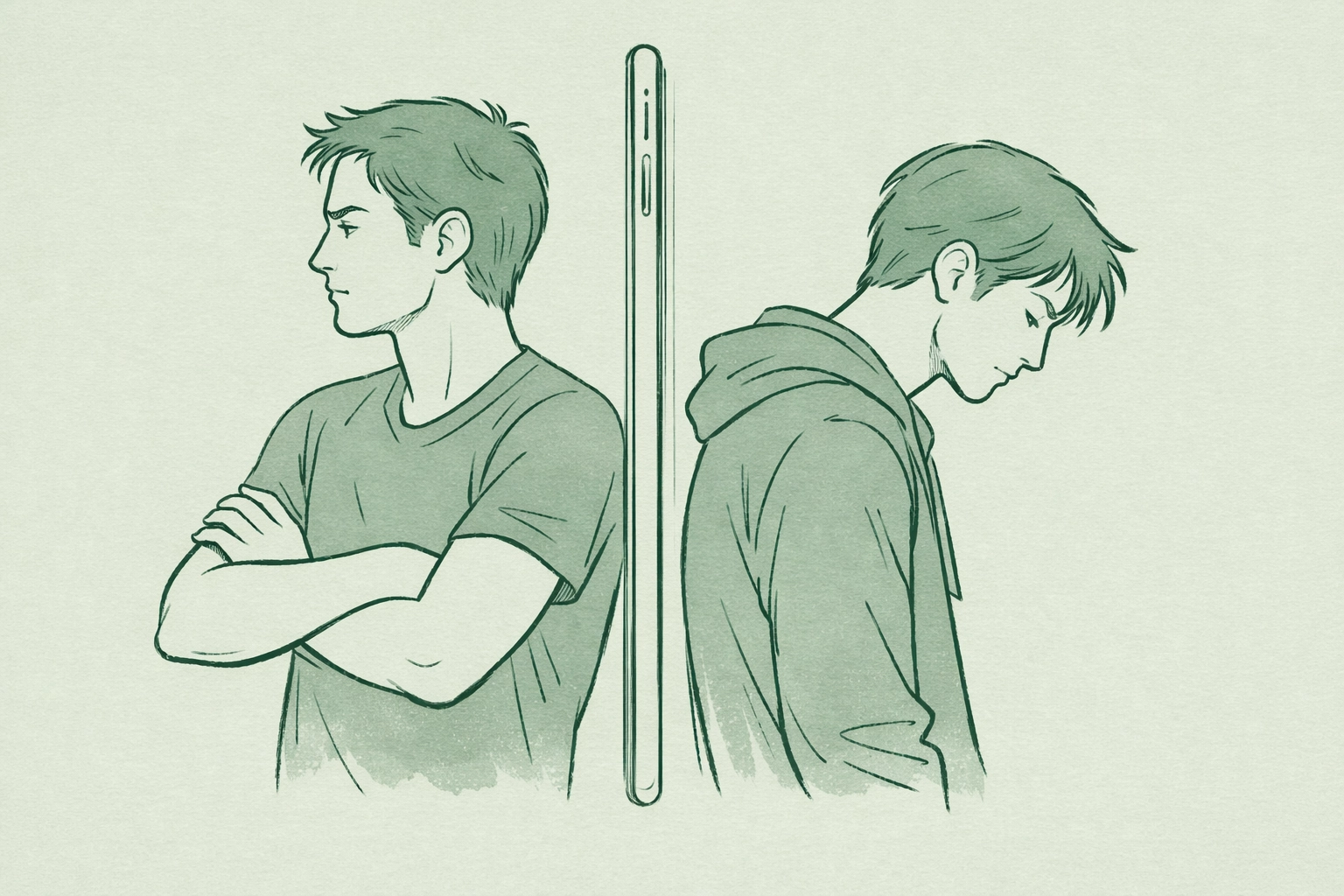
There's no ambiguity to soften the blow. No "maybe they didn't see me" or "maybe they're having a bad day." The app tells you they looked. They chose no. The rejection is documented, timestamped, undeniable.
For users with anxious attachment styles, and let's face it, many queer men develop anxious attachment patterns after growing up in heteronormative spaces where our relationships were invisible or invalidated, this hits even harder. Each non-match becomes evidence of a deeper fear: maybe I'm unlovable.
The Exhausting "Vibe Check" Through a Text Bubble
So you matched. Congratulations! Now comes the really anxiety-inducing part: trying to determine if this stranger possesses any of the qualities that matter, empathy, authenticity, emotional depth, similar interests in LGBTQ+ fiction, through a series of text messages.
Can you sense someone's "vibe" through typing? Sort of. Can you tell if they're actually interested or just bored on a Tuesday? Maybe. Can you determine if this person is capable of the kind of profound connection you're seeking, the kind Dick Ferguson writes about in novels like The Campaign for Us, where characters navigate vulnerability and authentic connection? Not really.
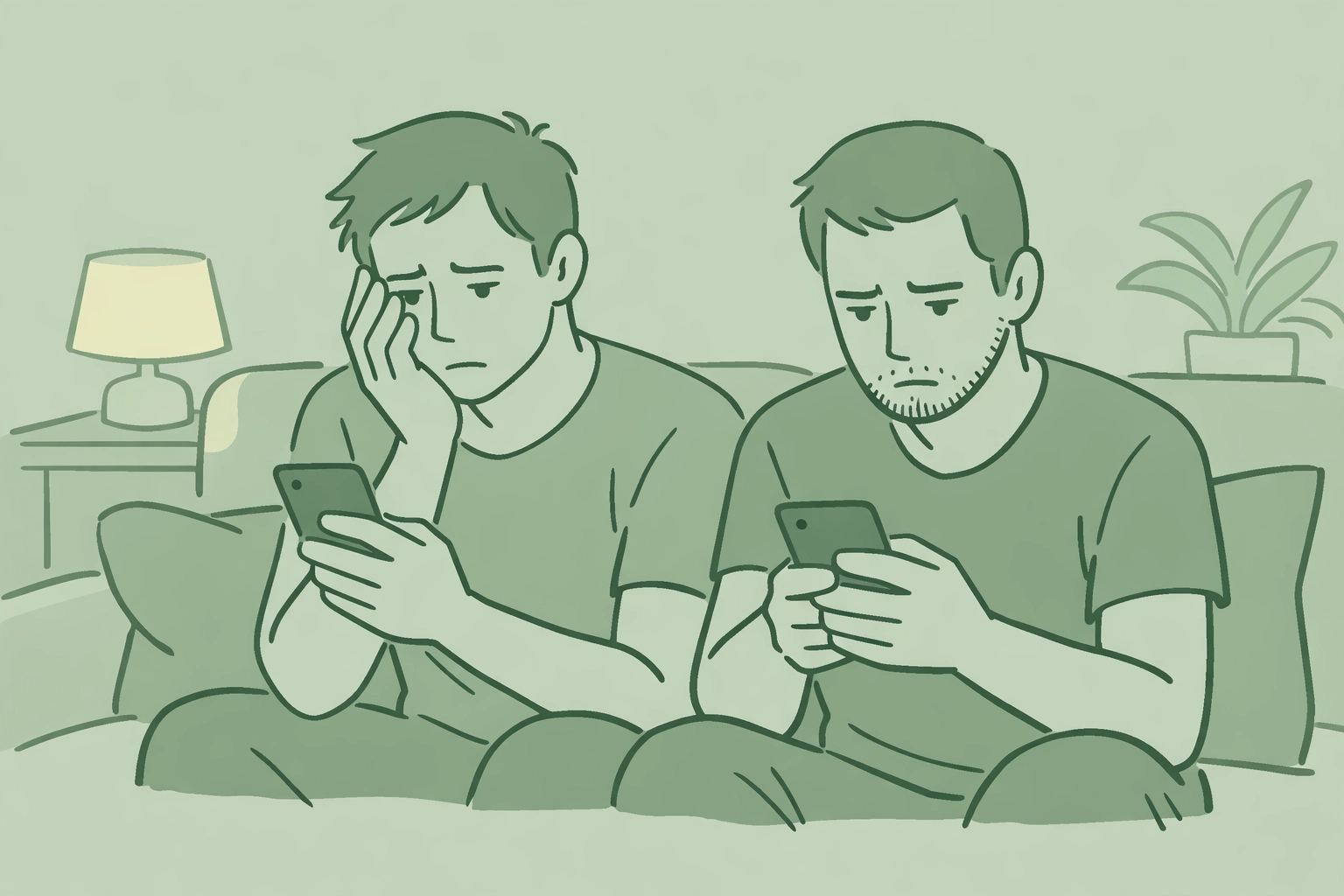
The mental gymnastics are exhausting. You analyze response times. You read tone into words that have no tone. You craft and re-craft messages, trying to sound interesting but not desperate, funny but not trying-too-hard, open but not overeager. Every text becomes a performance review.
And meanwhile, you're comparing this interaction to dozens of others, wondering if the grass is greener in your other matches. This is what psychologists call the "paradox of choice", having more options actually decreases satisfaction because you're always wondering if someone better is just one more swipe away.
Through Dick Ferguson's Lens: When the Performance Stops
If you've read Dick Ferguson's work, and if you haven't, start with The Price of Desire, you'll recognize this theme immediately. His characters consistently struggle with masks, with the performance of acceptability, with the terrifying question of whether they're lovable as their authentic selves.
In a Ferguson novel, the real magic happens when the armor comes down. When characters stop performing and start being. When they risk vulnerability and discover that authentic connection only exists on the other side of that risk.
Dating apps make this harder because the entire architecture encourages performance over authenticity. You're literally swiping through curated personas, engaging with digital masks, trying to determine what's real through layers of self-presentation.
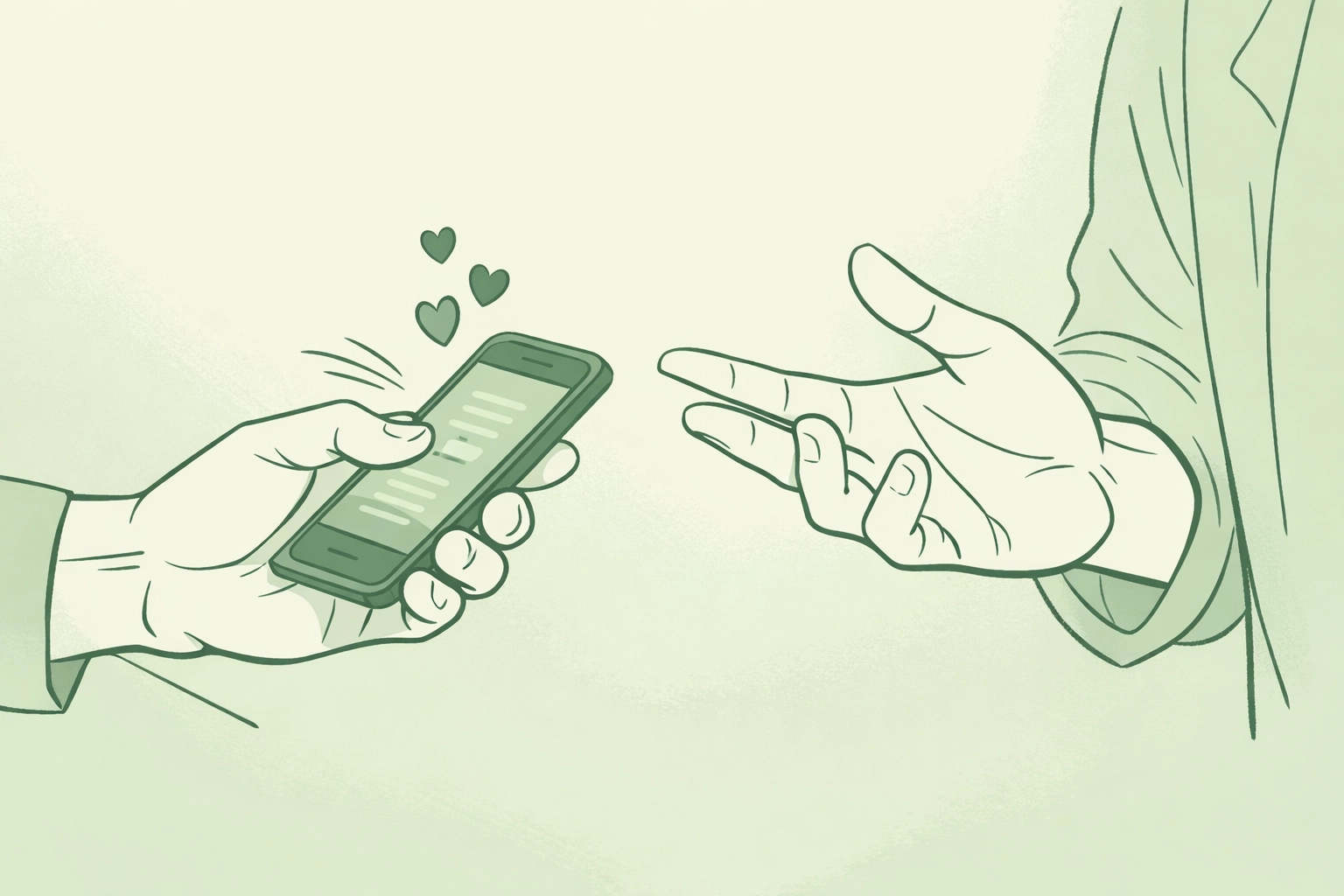
The lesson from Ferguson's characters? The connection you're seeking won't happen until someone, probably you, has the courage to drop the mask first. That means being honest in your profile about what you're actually looking for (even if it's not just hookups). It means sending messages that reflect your real interests, not what you think will get responses. It means accepting that some people won't be interested in the real you, and that's actually a good thing, because you're filtering for people who will be.
Resilience: Keeping Your Heart Open in the Age of Swipe Fatigue
So how do you navigate digital dating without letting the swiping fatigue turn you cynical? Here are some strategies for protecting your emotional wellbeing while still staying open to connection:
Limit Your Time: Set boundaries around app usage. The compulsive checking feeds anxiety without improving your chances. Try designated "dating hours" instead of all-day scrolling.
Remember You're Human, Not a Product: Your worth isn't determined by match rates. The algorithm isn't a moral judge. Rejection is about compatibility, not value.
Lead With Authenticity: Include something real in your profile, your actual interests, what you're genuinely looking for. You might get fewer matches, but they'll be better matches.
Take Breaks: If you're feeling burned out, delete the apps for a while. Real life hasn't disappeared. Join a queer book club, attend local events, visit Read with Pride for community connection through shared reading.
Process the Feelings: If digital dating is stirring up deeper issues around worth, visibility, or lovability, consider therapy or checking out resources like The Private Self: A Guide to Honoring Your Truth in Your Own Time.
Connect Offline When Possible: Move promising matches to in-person meetings relatively quickly. Chemistry exists in physical space, not text bubbles.
Behind Every Swipe: A Human Heart
Here's what gets lost in the gamification of dating: behind every profile is an actual human being who's also feeling vulnerable, also wondering if they're enough, also hoping to find genuine connection in a digital landscape designed for quick consumption.
That guy whose profile you're analyzing right now? He's probably overthinking his photos just like you overthought yours. That match who hasn't messaged back? Maybe he's dealing with his own anxiety about saying the right thing. The person who swiped left on you? They're not a villain, they're just someone with different preferences, different needs, different chemistry.
Digital dating feels high-stakes because we've forgotten this basic truth: rejection isn't personal, it's about compatibility. The right person for you is someone who wants what you're offering. Everyone else is just sorting themselves out of contention, saving you both time and heartache.
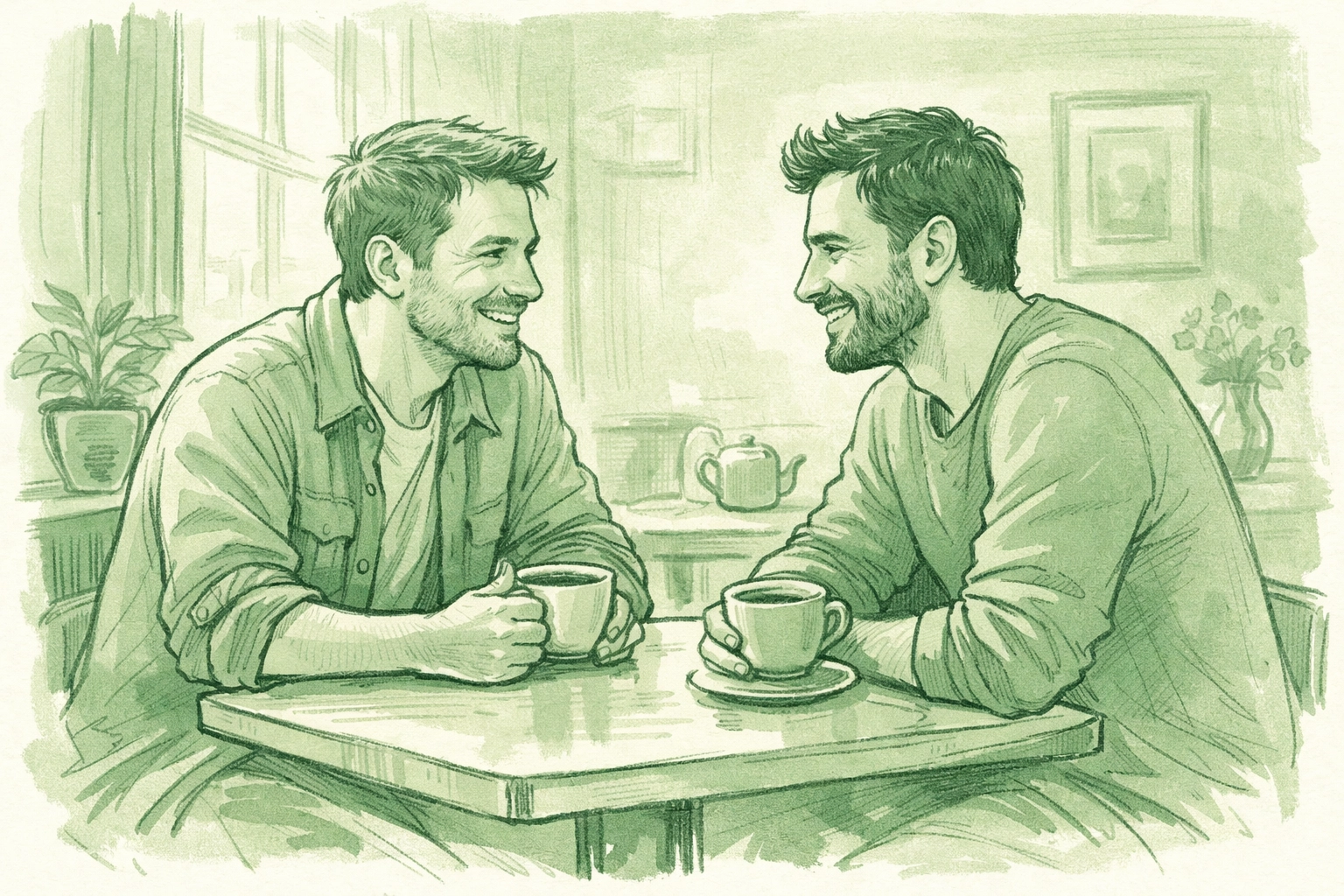
The vulnerability of that first swipe isn't a weakness, it's proof you're still willing to hope. It means you haven't let the algorithm turn you cynical. It means you're still open to the possibility that somewhere in this digital haystack, there's another person looking for exactly what you have to offer.
And honestly? That courage to keep showing up, keep being authentic, keep believing in connection despite the odds? That's the same courage Dick Ferguson celebrates in every novel, the same resilience his characters demonstrate when they risk vulnerability for the possibility of love.
So yes, digital dating is hard. Swiping fatigue is real. The vulnerability can feel overwhelming. But don't lose sight of what you're actually doing: you're telling the universe that you believe love is possible, even in the hardest places to find it.
That's not naive. That's brave. And it's worth protecting.
Looking for more insights on LGBTQ+ dating, relationships, and authentic connection? Explore the full collection of MM romance and gay fiction at dickfergusonwriter.com and discover stories that honor the vulnerability and courage of queer love.
Follow us on social media:
- Instagram: @dickfergusonwriter
- X (Twitter): @DickFergus94902
- Facebook: Dick Ferguson Writer
- Community: www.readwithpride.com
#SwipingFatigue #LGBTQDating #GayDating #MMRomance #QueerFiction #DickFerguson #ReadWithPride #GayRomance #LGBTQBooks #QueerLove #GayLiterature #MMBooks #AuthenticConnection #DigitalDating #GayMen #BisexualMen #LGBTQCommunity #ReadingWithPride

Leave a Reply
You must be logged in to post a comment.