


When the sun sets over Buenos Aires, something magical happens. The "Paris of the South" transforms into a sophisticated playground where queer tango dancers reclaim their rightful place in the story of Argentina's most iconic art form. This isn't your grandmother's ballroom dance: this is tango as it was always meant to be: fluid, passionate, and gloriously free from the shackles of traditional gender roles.
If you're planning your LGBTQ+ travel Argentina adventure and craving something more refined than your typical circuit party, Buenos Aires offers an experience that's equal parts history lesson, cultural immersion, and absolute elegance. Let's explore why gay Buenos Aires should be at the top of your bucket list.
The Secret History They Didn't Want You to Know
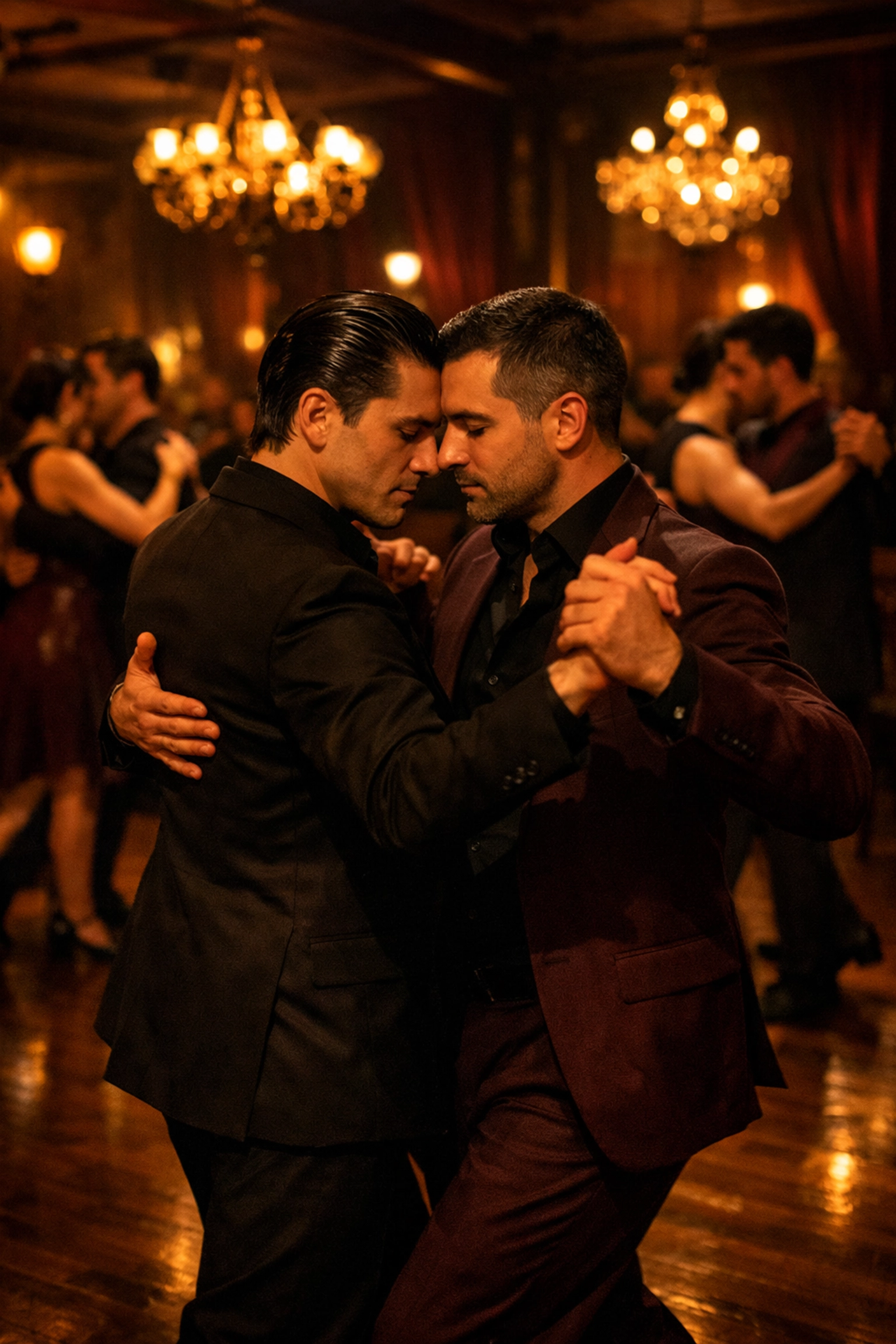
Here's the thing about tango that nobody tells you in the glossy tourism brochures: it's always been queer. Way before it became the sophisticated dance of Carlos Gardel and movie musicals, tango was born in the gritty port neighborhoods of Buenos Aires during the 1880s. European immigrants, freed African slaves, and indigenous peoples created something entirely new in the cafés and dance halls: and gender was delightfully fluid.
Men danced with men. Not because women weren't available, but because the dance demanded it. In those early milongas, same-sex couples swirled across wooden floors without a second thought. The early tango lyrics, written in lunfardo (Buenos Aires slang), were packed with coded references to homosexual relationships and gender-bending characters that would make modern queer fiction writers proud.
Then came the 1930s through 1950s: tango's so-called Golden Age: when the dance gained mainstream respectability by deliberately erasing its LGBTQ+ roots. The heteronormative romance narrative took over, but underground gay tango scenes continued thriving in neighborhoods like San Telmo and Montserrat. These spaces provided sanctuary for same-sex couples in a society that criminalized their love.
Sound familiar? It's a story we've seen play out across so many aspects of queer culture: our contributions hidden, sanitized, or straight-washed for mainstream consumption. But Buenos Aires is finally writing that wrong.
The Renaissance: Tango Reclaims Its Rainbow Roots
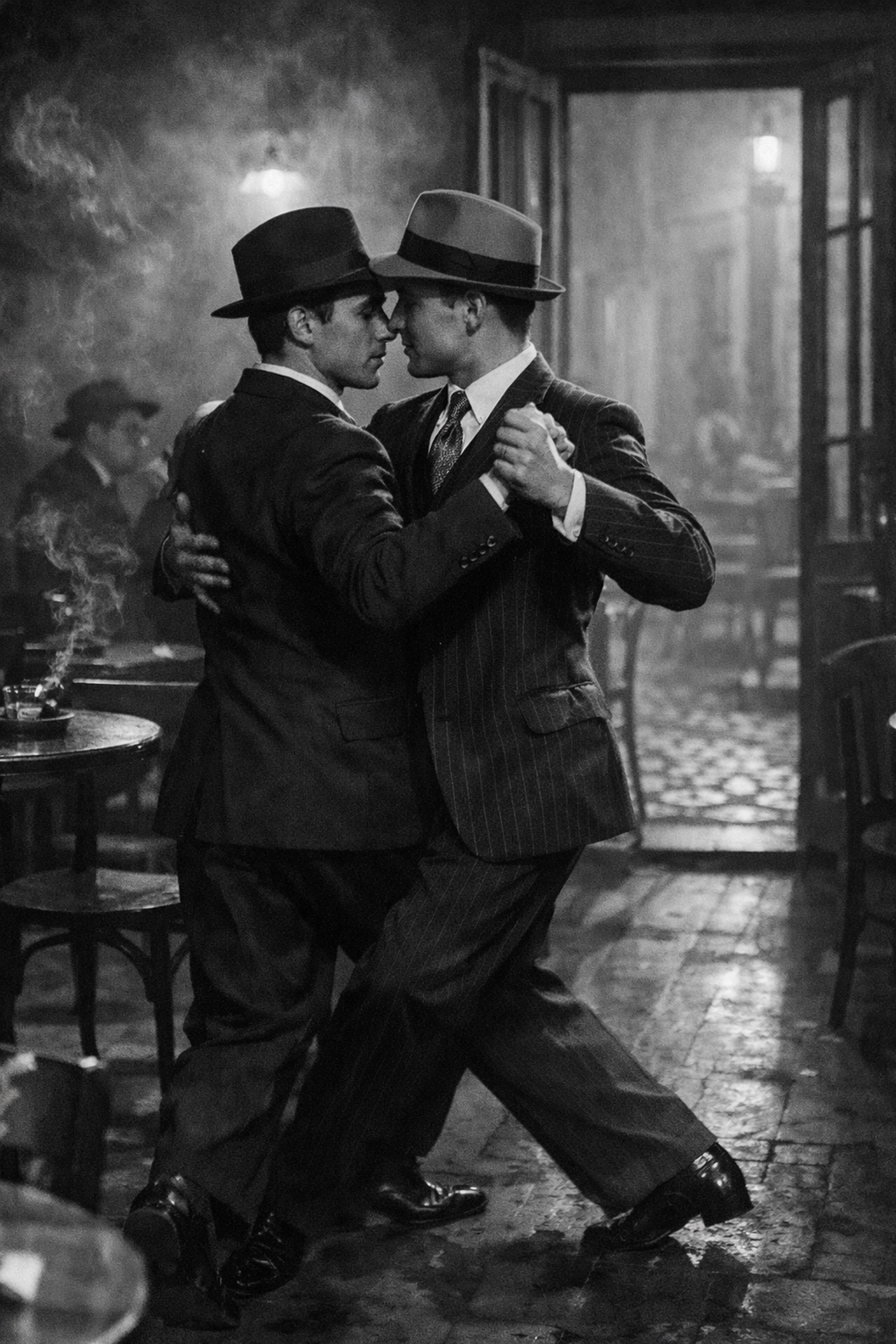
Fast forward to 1983, when Argentina returned to democracy, and the LGBTQ+ tango community could finally emerge from the shadows. By the 1990s, the first openly gay milongas appeared, with venues like "Tango Queer" establishing what would become a full-blown movement.
Pioneer Mariana Docampo opened Tango Queer in 2005, creating a space primarily for lesbians and feminists but welcoming anyone seeking liberation from tango's binary gender constraints. The philosophy? In queer tango, the roles of leader and follower aren't determined by gender but by choice, feeling, and mutual respect. Partners switch roles mid-dance, creating a dynamic that's both technically impressive and politically powerful.
This isn't just about who leads and who follows: it's about returning tango to its egalitarian roots. It's a dance of equals, a conversation between bodies that refuses to be constrained by outdated social scripts. If that doesn't sound like the plot of your favorite MM romance books, I don't know what does.
Where the Magic Happens: Your Queer Tango Guide
Ready to experience this for yourself? Gay Buenos Aires delivers options that range from intimate underground venues to celebrated mainstream establishments that have embraced the queer tango movement.
La Viruta in Villa Crespo has become legendary in the scene. This sprawling venue hosts regular "Tango Queer" nights where same-sex couples and mixed-gender pairs dance side by side. Their Sunday afternoon milongas are particularly popular: there's something beautifully defiant about dancing with your same-sex partner while the sun streams through the windows.
The city now boasts multiple dedicated queer milongas where dancers can explore without judgment or prejudice. And here's the beautiful part: queer tango has become increasingly visible in mainstream establishments too. You'll spot same-sex couples dancing at traditional venues across the city, signaling a cultural shift that would have been unthinkable just decades ago.
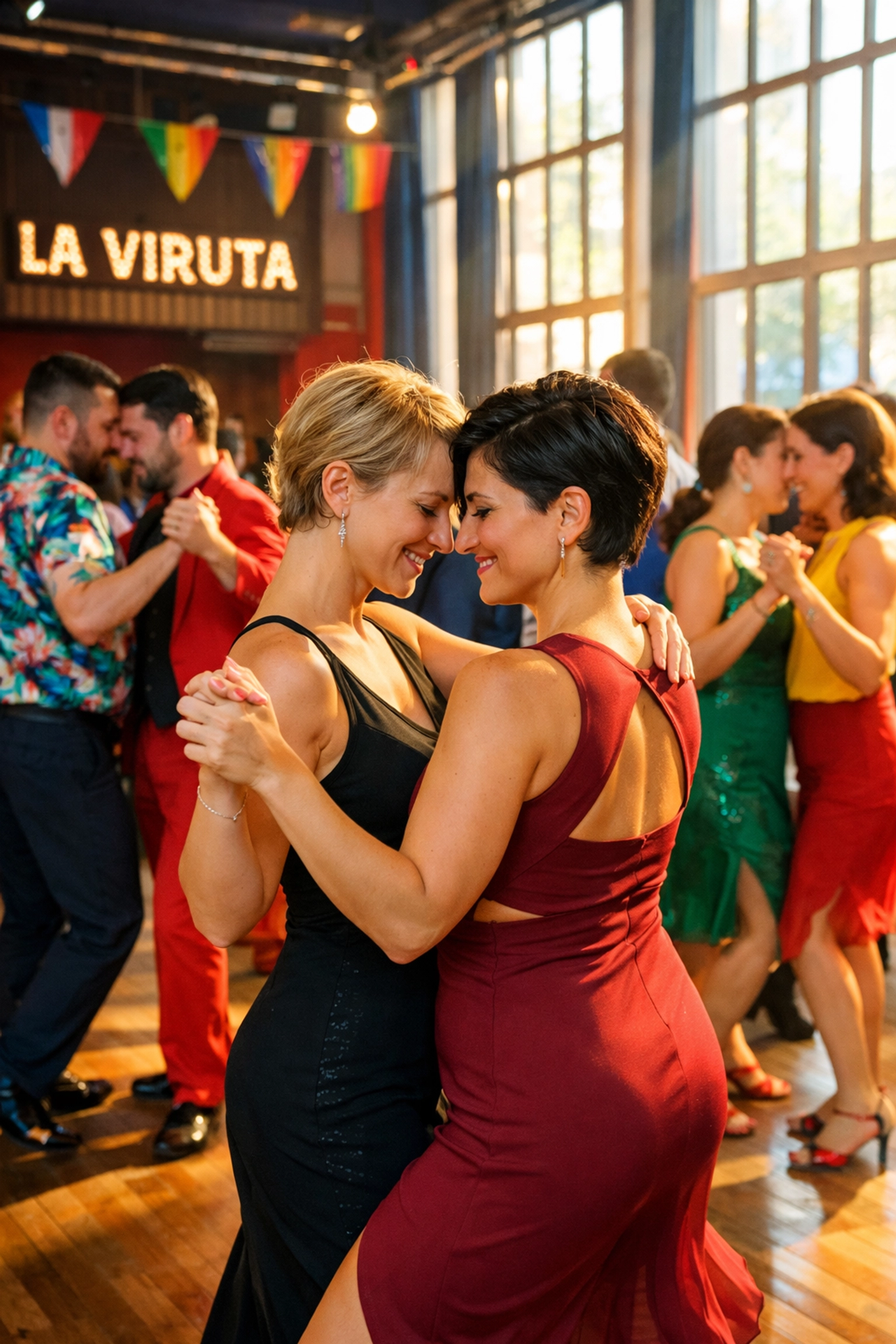
The crown jewel of the scene is the International Queer Tango Festival, which brings together dancers from around the globe each December. Picture workshops, performances, and milongas that last until dawn, all celebrating tango's queer heritage and contemporary evolution. It's become a world-class event that puts Buenos Aires firmly on the map as a destination for sophisticated LGBTQ+ travelers seeking cultural depth alongside their nightlife adventures.
Then there's dancer Anahí Carballo, who founded Tango Entre Mujeres and the LGBTQ+ dance studio Tango Cuir in 2023. She made waves by reaching the semi-finals of the World Tango Championships in 2023 as one of the minority contestants dancing in a same-sex couple: proof that queer tango isn't just a niche scene but a force reshaping competitive tango itself.
Beyond the Dance Floor: The Complete Buenos Aires Experience
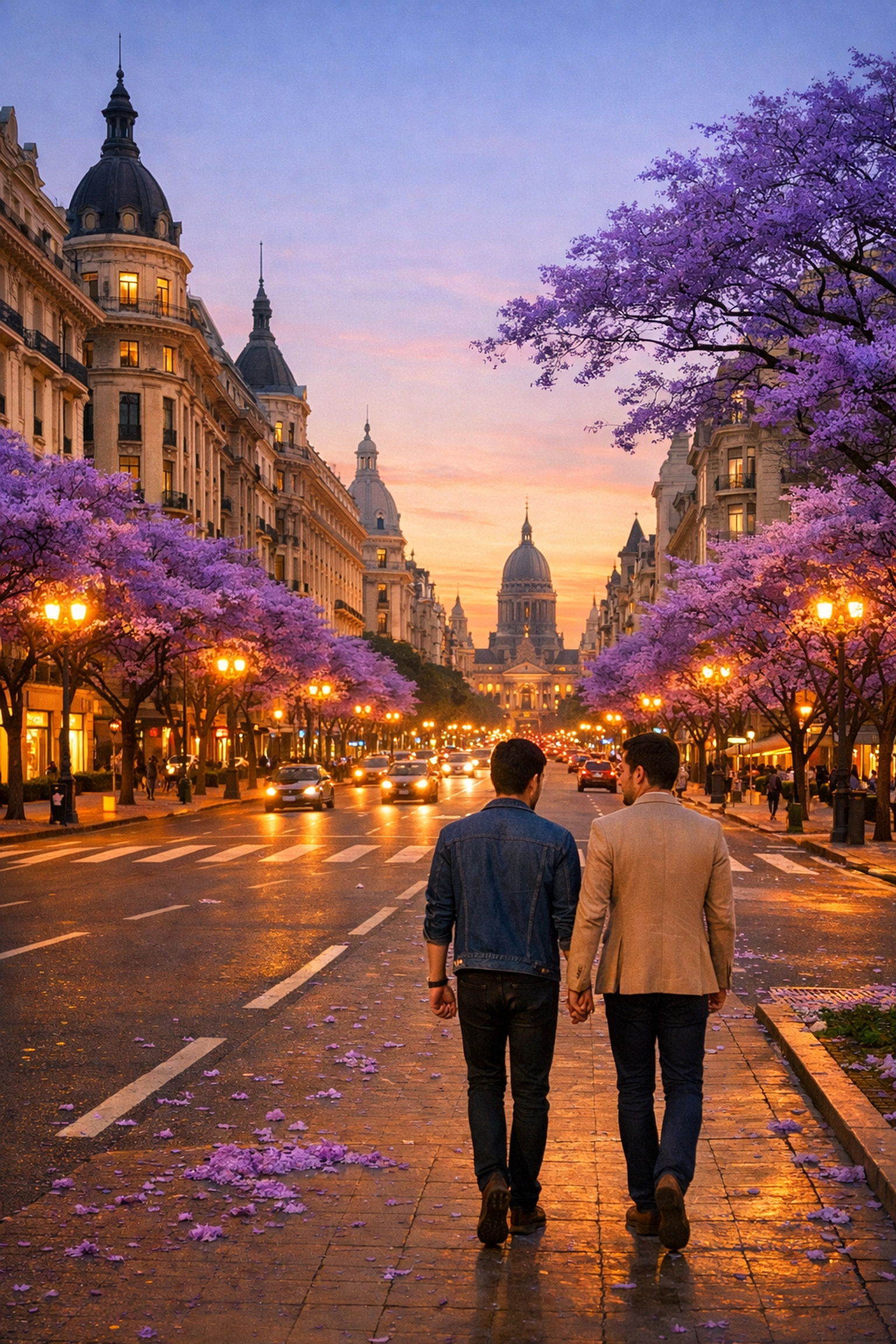
The sophistication of Buenos Aires extends far beyond the milongas. This is a city that understands elegance, from its grand boulevards lined with jacaranda trees to its intimate café culture where intellectuals have debated for centuries over cortados and medialunas.
The late-night culture here operates on its own timeline. Dinner doesn't start until 10 PM. Clubs don't get going until 2 AM. And the best milongas hit their peak energy around 1 or 2 AM, continuing until sunrise. It's a schedule that rewards night owls and punishes early risers, but once you adjust to porteño time, you'll wonder why the rest of the world rushes through their evenings.
The city's gay neighborhoods: particularly Palermo Soho and San Telmo: offer a mix of chic cocktail bars, underground clubs, and cultural spaces that cater to LGBTQ+ travelers. But Buenos Aires isn't about segregating the queer scene into one district. You'll find rainbow flags and welcoming spaces scattered throughout this sprawling metropolis, integrated into the fabric of city life rather than cordoned off.
Why This Matters (And Why You Should Go)
Here's what makes Buenos Aires special for those of us who love gay romance and LGBTQ+ fiction: it's a city that understands narrative. The tragic history, the underground resistance, the triumphant reclamation: Buenos Aires has lived through the kind of epic story arcs that fill the pages of your favorite MM novels.
Walking through San Telmo, knowing that queer couples danced in these very streets during decades of repression, adds weight to every step. Learning tango from instructors who are actively rewriting the dance's heteronormative rules feels revolutionary. And experiencing the sheer sophistication of Argentine nightlife: where elegance and queerness aren't contradictions but complements: reminds you that LGBTQ+ culture has always been at the forefront of artistic innovation.
For readers of Read with Pride, Buenos Aires offers the kind of rich cultural experience that mirrors the complex, layered storytelling we seek in literature. It's not just a party destination: it's a living museum of queer resilience and creativity.
Planning Your Buenos Aires Adventure
A few practical tips for your trip: February is peak summer in Buenos Aires, with temperatures soaring and the city buzzing before Carnival season. But the tango scene is hot year-round (pun absolutely intended).
Book tango lessons before you go, even if you're a complete beginner. Many queer-friendly studios offer intensive workshops for visitors. Don't worry about being perfect: the queer tango community is remarkably welcoming to newcomers who approach the dance with respect and openness.
Budget for late dinners and even later nights. The cover charges at milongas are reasonable, but you'll want cash for drinks and tips. Argentine wine is excellent and ridiculously affordable: embrace it.
And finally, learn a few basic Spanish phrases. While many porteños speak some English, making the effort to communicate in Spanish shows respect and opens doors (and dance partnerships).
The Romance Never Ends
Buenos Aires proves that queer culture isn't just surviving: it's thriving with sophistication, elegance, and undeniable style. The city's queer tango scene represents everything we love about LGBTQ+ storytelling: resilience, transformation, and the courage to reclaim narratives that were stolen from us.
So whether you're between chapters of your latest MM romance read or ready to write your own love story on a Buenos Aires dance floor, this city awaits. The tango is calling, and trust me: you want to answer.
Discover more queer travel stories, cultural explorations, and of course, incredible LGBTQ+ books at Readwithpride.com. Because every great adventure deserves an equally great reading list.
#ReadWithPride #QueerTango #GayBuenosAirs #LGBTQTravel #MMRomance #GayRomanceBooks #QueerTravel #ArgentinaTravel #TangoQueer #LGBTQFiction #GayBooks #QueerCulture #TravelPride #MMNovels #GayLoveStories #LGBTQAdventure

Leave a Reply
You must be logged in to post a comment.