


Let's settle this once and for all: ballroom dancing is absolutely a sport. Not "kind of" a sport. Not "artistic sport" with air quotes. It's a full-blown, sweat-inducing, muscle-burning, competition-level athletic pursuit that'll leave you gasping for air faster than a 5K run.
If you've ever watched two people glide across a dance floor in perfect synchronization, executing impossibly precise footwork while maintaining a smile that could sell toothpaste, and thought, "That looks easy," you're in for a reality check. Competitive ballroom, officially known as DanceSport, is where artistry meets raw athleticism, and where identity takes center stage in ways that resonate deeply with the LGBTQ+ community.
The Athletic Reality of DanceSport
Here's what separates competitive ballroom from your cousin's wedding shuffle: the sheer physical demands. Elite ballroom dancers train daily for several hours, working with expert coaches, perfecting choreography, and cross-training to build the aerobic capacity and physical strength needed to compete at high levels.
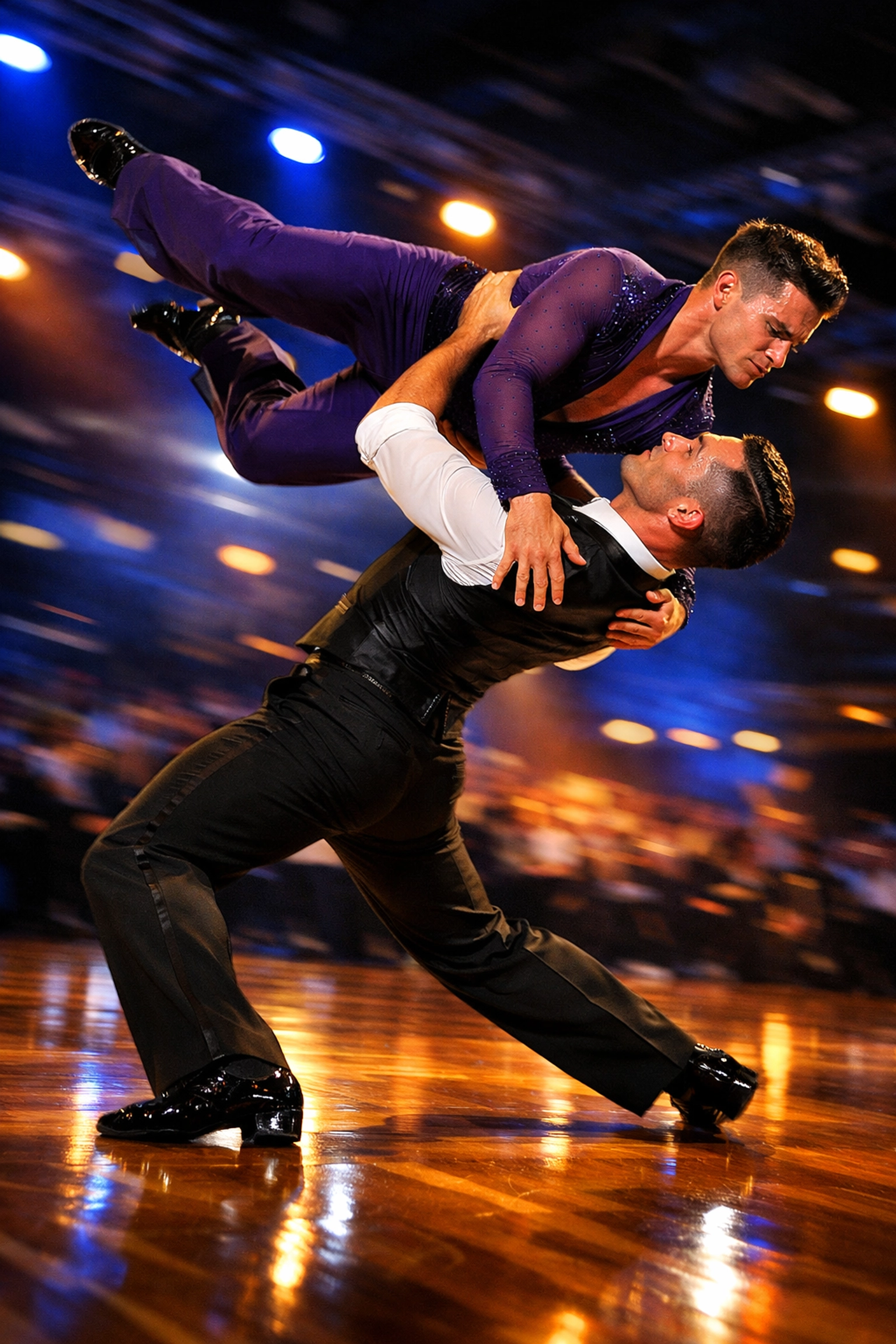
Think about it. A competitive routine lasts 60-90 seconds of non-stop movement. During that time, dancers execute complex footwork patterns, maintain perfect posture, express character and emotion, and make it all look effortless. The energy expenditure is massive, comparable to high-intensity interval training. Judging criteria often emphasize which couple appears stronger and faster, pushing dancers to develop explosive power alongside grace.
The training regimen rivals any traditional sport. Dancers work on:
- Cardiovascular endurance to sustain energy through multiple rounds of competition
- Core strength to maintain frame and posture throughout routines
- Flexibility for extended lines and dramatic movements
- Mental stamina to stay focused under pressure and maintain character
- Partnership synchronization requiring thousands of hours of practice together
This isn't recreational dancing. This is athletic performance at the highest level.
Competition Structure: Where Rules Meet Passion
What makes DanceSport truly a sport is its established regulatory framework. Organizations like the World DanceSport Federation (WDSF), the World Dance Council (WDC), and the National Dance Council of America (NDCA) govern competitions worldwide, ensuring standardized rules and fair judging.
Competitions are organized by strict syllabus requirements divided into levels, bronze, silver, and gold, with each level specifying allowed dance steps and technical requirements. There are designated dance floors, costume regulations, approved music tempi, and certified judges who adjudicate based on specific criteria: technique, character, rhythm, musicality, and presentation.
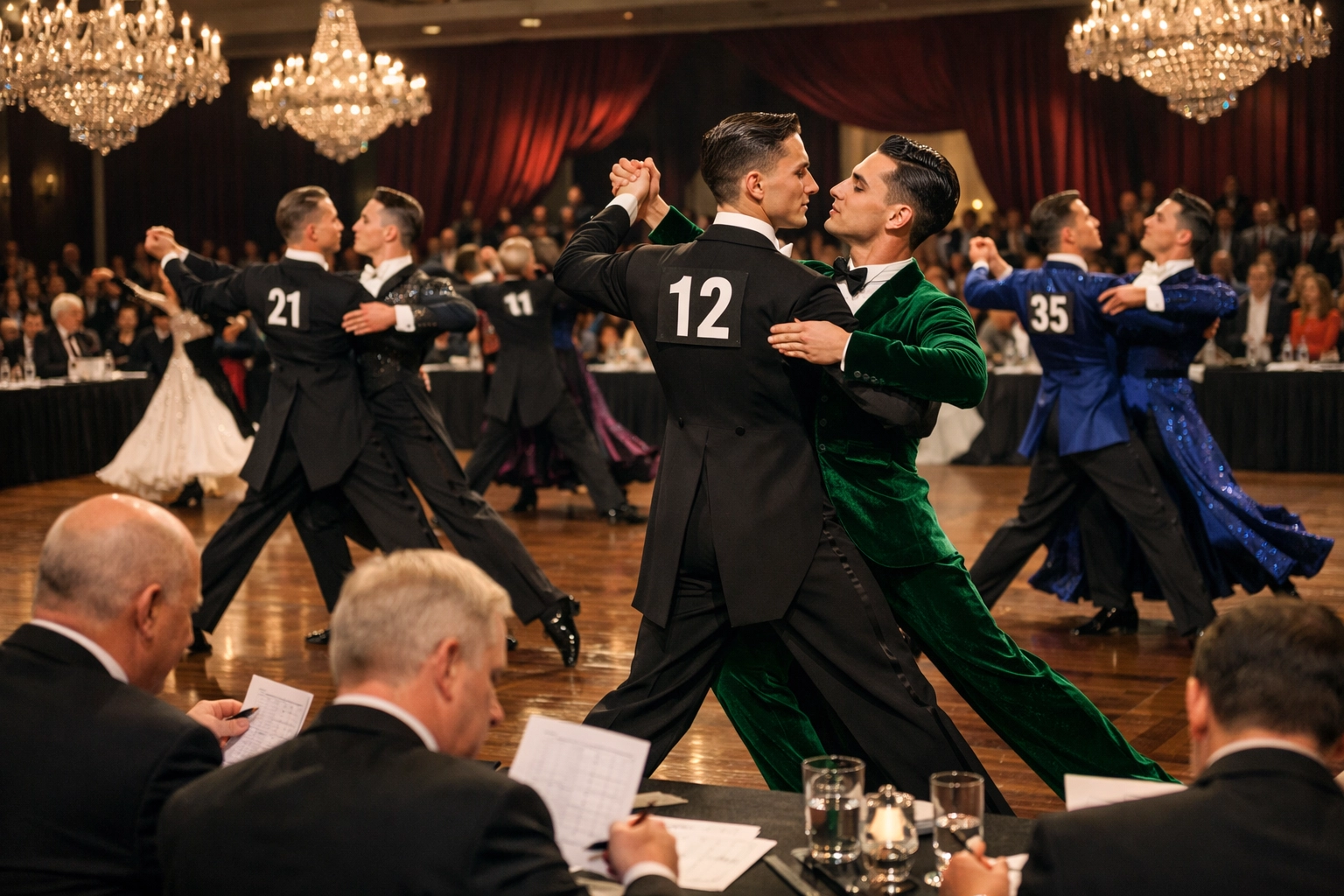
The two main competitive styles, International and American, each have distinct dance categories. International includes Standard (Waltz, Tango, Viennese Waltz, Foxtrot, Quickstep) and Latin (Cha-Cha, Samba, Rumba, Paso Doble, Jive). American style features Smooth and Rhythm divisions with slightly different technical requirements and more freedom for theatrical expression.
Competitors can enter as amateur couples, professional-amateur pairs (pro-am), or team formations, with events organized by age groups and skill levels. It's as structured and regulated as any Olympic sport, which, by the way, DanceSport has been recognized by the International Olympic Committee since 1997.
Identity Takes the Floor
Here's where it gets personal and powerful: ballroom dancing has always been a space where identity, expression, and partnership intertwine. For LGBTQ+ dancers, the competitive ballroom world represents both challenge and opportunity.
Traditionally, ballroom operated on rigid gender role assignments, "lead" and "follow" positions were strictly defined by gender. But that's been changing. Same-sex competitive ballroom dancing has grown significantly, with organizations creating inclusive competition categories and events specifically celebrating LGBTQ+ partnerships.
The physicality of ballroom, two bodies moving as one, the intimacy of connection, the trust required between partners, mirrors the emotional dynamics we love in MM romance books. There's vulnerability in letting someone lead (or in taking that responsibility). There's strength in synchronization. There's beauty in two people creating something together that neither could achieve alone.

For queer dancers, stepping onto that competition floor isn't just about technical execution, it's about visibility. It's about claiming space in a traditionally heteronormative environment. It's about showing the world that same-sex partnerships can execute a Viennese Waltz with the same passion, precision, and power as any other couple.
The emotional intensity of competition ballroom, the nerves, the exhilaration, the connection between partners, is the stuff great stories are made of. If you're a fan of gay romance novels with high stakes, physical tension, and characters who must work in perfect harmony to achieve their goals, the ballroom world offers endless narrative possibilities.
The Romance of Competition
Speaking of stories, imagine the narrative potential: two competitive dancers who start as rivals, forced to partner together after their previous partnerships dissolve. The forced proximity of hours of daily practice. The physical intimacy required by the dance. The pressure of competition driving them to depend on each other completely. The moment when they realize their connection on the dance floor has become something more.
This is prime MM romance territory. The competitive sports romance trope translates beautifully to DanceSport, all the tension of athletic competition combined with the artistry and emotion of dance. It's enemies-to-lovers meets forced proximity meets passion projects.
At Readwithpride.com, we're all about stories that celebrate authentic queer relationships in every context, from royal weddings to quiet countryside romance to, yes, the glittering world of competitive ballroom. The athletic dedication, the partnership dynamics, the public performance of identity: it all resonates with the themes we explore in LGBTQ+ fiction.
Why This Matters
Recognizing ballroom as a legitimate sport isn't just about semantics. It's about respect for the athletes who dedicate their lives to this pursuit. It's about acknowledging that physicality and artistry aren't mutually exclusive. And for the LGBTQ+ community, it's about claiming space in athletic worlds that haven't always been welcoming.
The evolution of competitive ballroom toward greater inclusivity reflects broader cultural shifts. Same-sex couples competing at high levels, gender-neutral leading and following, competitions specifically celebrating LGBTQ+ dancers: these aren't footnotes. They're part of the sport's future.
So the next time someone suggests that dancing "isn't really a sport," you can set them straight (pun intended). DanceSport demands athletic excellence, competitive fire, and dedication that rivals any traditional sport. And when identity enters the equation: when queer couples take the floor and compete with pride: it becomes something even more powerful.
Whether you're watching from the sidelines or curled up with one of the best MM romance books of 2026, there's magic in seeing people move together with purpose, passion, and perfect synchronization. That's the heart of both competitive ballroom and the love stories we celebrate.
Craving more stories about passion, partnership, and people who move together in perfect harmony? Explore our collection of MM romance books at Readwithpride.com where every story celebrates authentic queer love.
Follow us for more: Facebook | Instagram | Twitter/X
#DanceSport #BallroomDancing #LGBTQAthletes #MMRomance #ReadWithPride #GayRomanceBooks #QueerFiction #LGBTQBooks #SportsRomance #MMRomanceBooks #GayFiction #QueerAthletes #DanceIsASport #LGBTQPride #GayRomanceNovels #MMContemporary #2026MMRomance #LGBTQRomance #CompetitiveDance

Leave a Reply
You must be logged in to post a comment.