


When we think about the skylines that define our cities, the soaring glass towers, the playful postmodern plazas, the buildings that make us stop and stare, we're often looking at the work of visionary gay architects who quite literally shaped the world we live in. Yet their stories remain surprisingly untold, their contributions overshadowed by the closets they were forced to inhabit or the erasure that followed their deaths.
It's time to change that narrative. Just as we celebrate queer voices in gay romance books and MM fiction, we need to recognize the creative brilliance of LGBTQ+ architects who transformed concrete and steel into statements of identity, innovation, and possibility.
The Father of Modernism: Louis Sullivan
Let's start at the very beginning of modern architecture. Louis Sullivan (1856-1924) didn't just design buildings, he fundamentally changed how we think about them. Known as both the "Father of Skyscrapers" and the "Father of Modernism," Sullivan gave us the principle that still defines architectural education today: "form follows function."
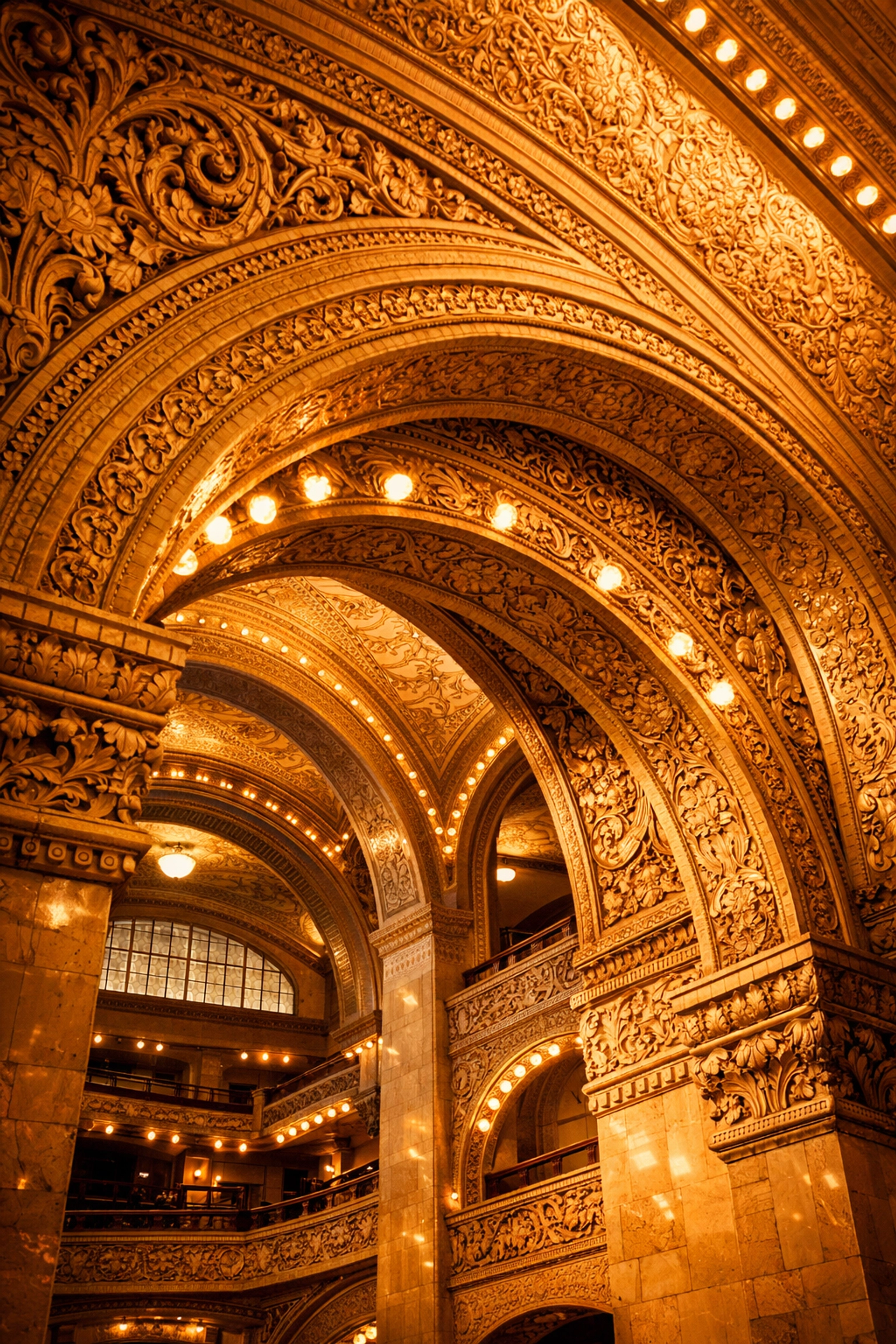
Before Sullivan, buildings were basically fancy boxes dressed up in historical costumes, Greek columns here, Gothic arches there. Sullivan said, "Nah, let's make buildings that actually express what they are." His steel-framed skyscrapers, including Chicago's iconic Auditorium Building and Buffalo's Guaranty Building, created a distinctly American architectural language that broke free from European traditions.
Working in partnership with Dankmar Adler, Sullivan navigated his career during a time when being openly gay was not just professionally dangerous: it was literally illegal. Yet his radical honesty in design philosophy, his insistence that buildings reveal their true nature rather than hide behind facades, feels like a deeply queer act of authenticity.
Coming Out of the Architectural Closet: Philip Johnson
Fast forward to the 20th century, and we meet Philip Johnson, who became "the best-known openly gay architect in America" when he came out publicly in 1993. That might seem late: it was late: but in the conservative world of corporate architecture, Johnson's openness was genuinely revolutionary.
Johnson's 45-year partnership with David Whitney wasn't hidden in whispers and euphemisms; it was acknowledged, celebrated, and integrated into his public persona. His iconic Glass House in New Canaan, Connecticut: a transparent box where nothing can be hidden: reads differently when you know the architect who designed it spent decades living a partially closeted life before finally embracing full visibility.
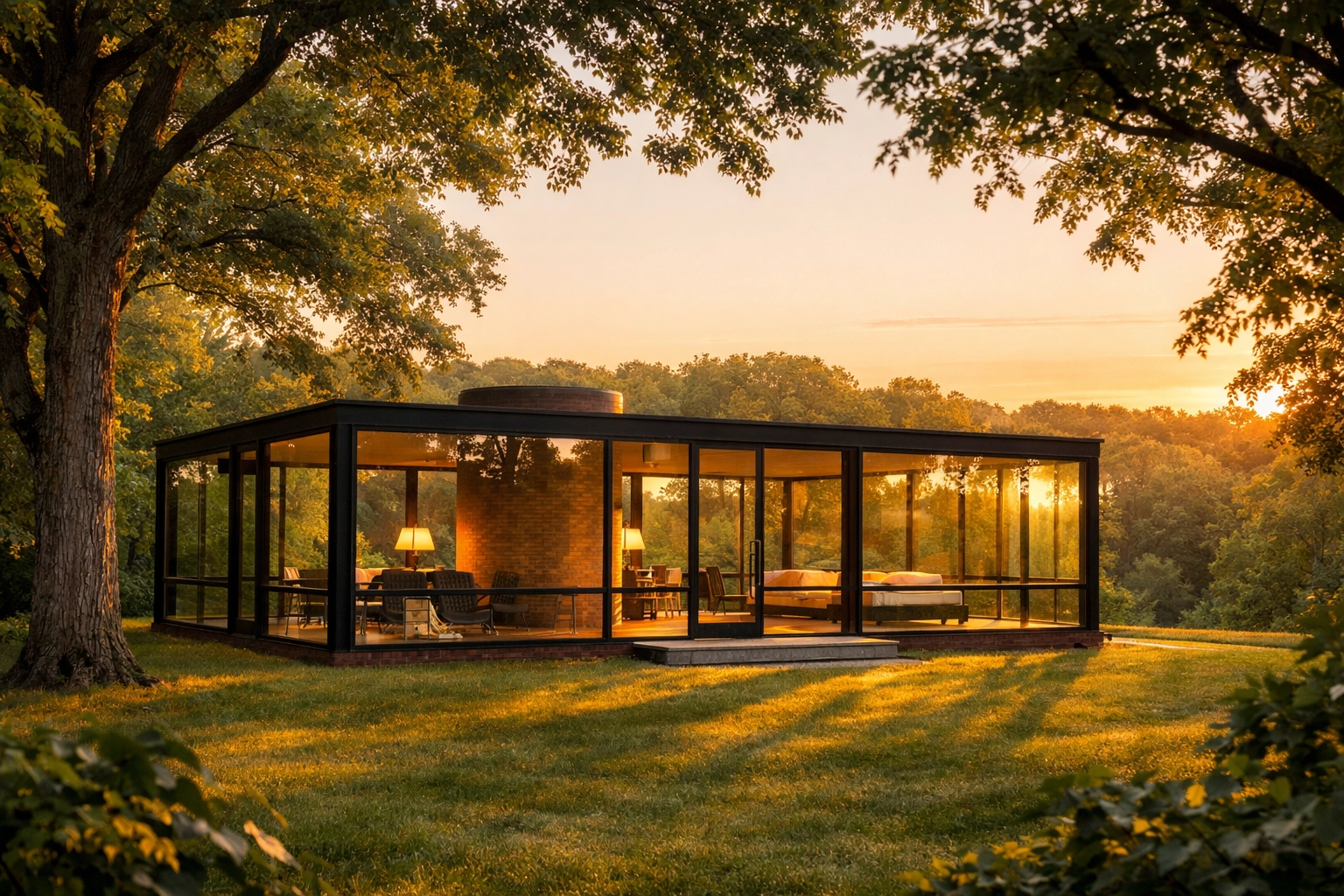
From the AT&T Building (now 550 Madison Avenue) with its controversial Chippendale top to his role in championing the International Style, Johnson's influence on American architecture is impossible to overstate. But perhaps his greatest contribution was showing that an openly gay architect could not just survive but thrive at the highest levels of the profession.
Postmodern Playfulness: Charles Moore
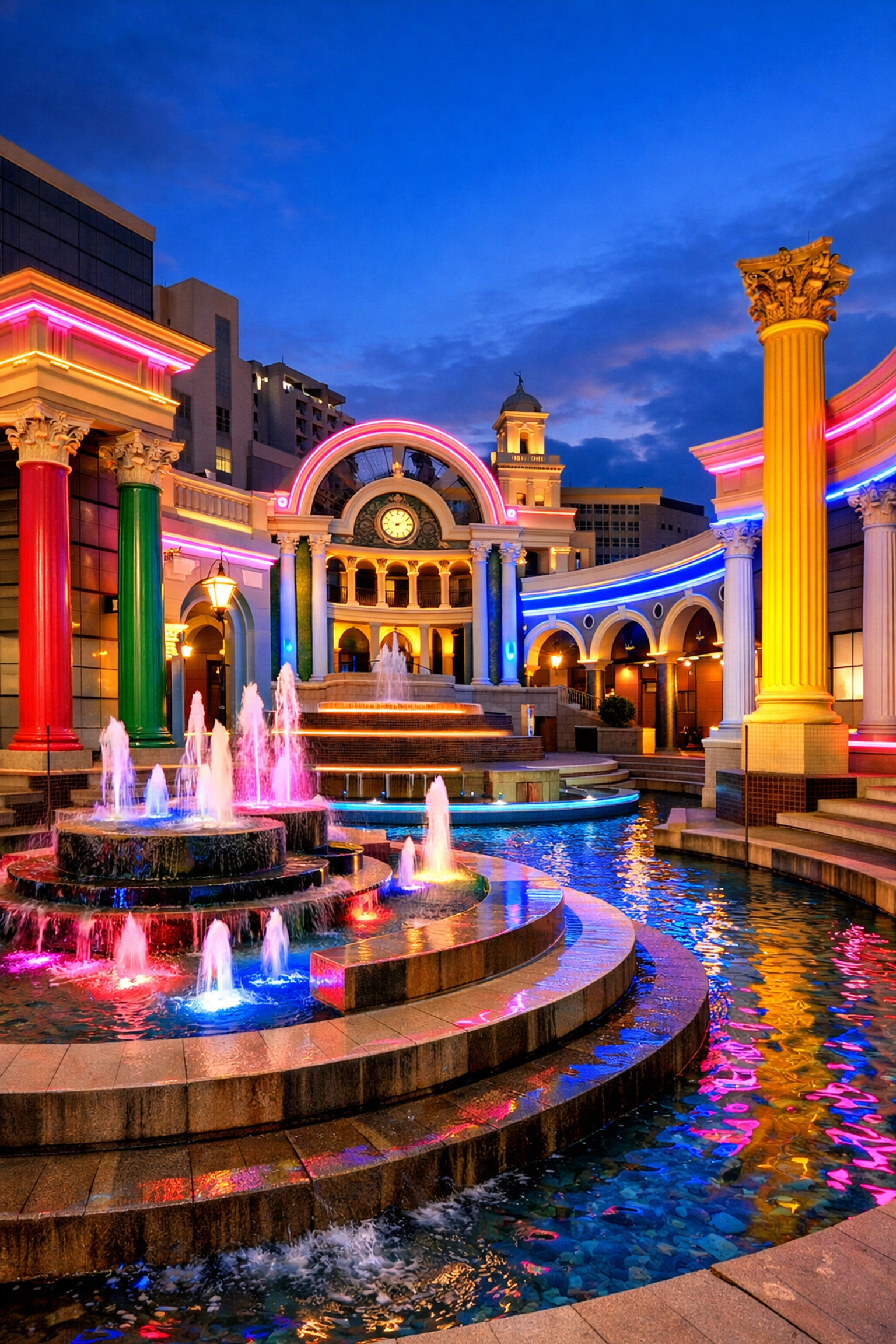
Charles Moore (1925-1993) brought joy, color, and a sense of humor to architecture at a time when modernism had become, frankly, kind of boring. His Piazza d'Italia in New Orleans is a love letter to Italian architecture, but with a wink: mixing classical columns with neon lights, fountains with Moore's own face spouting water, serious references with playful irreverence.
Moore pioneered postmodernism, earning him the AIA Gold Medal Award in 1991. His work feels particularly queer in its refusal to take architectural conventions too seriously, its embrace of decoration and delight over rigid functionality. Like the best MM romance novels that play with genre conventions while honoring them, Moore's buildings respect architectural history while having fun with it.
Navigating Oppression: Helmut Hentrich
Not every story of gay architects is American. Helmut Hentrich designed Düsseldorf's "Dreischeibenhochhaus" (Three-Disc High-Rise), a landmark of postwar German modernism. But Hentrich's career unfolded during Germany's Adenauer era, when homophobia was not just social prejudice but government policy.
Hentrich actively sought more liberal environments, showing how the personal and political shaped the professional lives of LGBTQ+ architects. His elegant, rational buildings stand as testament to the creativity that persisted despite: or perhaps because of: the need to navigate hostile social landscapes.
The Innovators: Rudolph, McGrath, and Alexander
Paul Rudolph, Raymond McGrath, and William Alexander were all innovators in spatial design who created clever architectural solutions that addressed both aesthetic and practical concerns. Their personal circumstances: living as gay men in times and places where that required constant navigation: may have actually sharpened their design thinking.
When you're used to reading spaces for safety, for visibility, for the subtle signs of welcome or danger, you develop a different kind of spatial intelligence. These architects brought that intelligence to their work, creating buildings that were more thoughtful about how people actually move through and use space.
Breaking Multiple Barriers: Amaza Lee Meredith
Amaza Lee Meredith (1895-1984) deserves far more recognition than she's received. As an African American woman architect during a period when her sex, race, and sexual orientation all created barriers to professional success, Meredith's very existence in the field was an act of resistance.
She designed her own home in Lynchburg, Virginia: a modernist gem that still stands today. Meredith lived there with her partner, Dr. Edna Colman, creating a space that was simultaneously avant-garde in its architectural language and radical in its domestic arrangement. Like the diverse voices we celebrate in LGBTQ+ fiction and queer fiction today, Meredith's story reminds us that queer creativity has always existed across intersections of identity.
Design Partnership: Eileen Gray
Eileen Gray, an open bisexual designer and architect, created the renowned E.1027 building on the French Riviera: a masterpiece of modernist architecture that was designed for her significant architectural partnership. Gray's furniture designs remain iconic, but her architectural work was often overshadowed or even literally overwritten (Le Corbusier famously painted murals on E.1027's walls without permission, an act that feels particularly violating given the building's personal significance).
Gray's story illustrates how LGBTQ+ architects, especially women, have had to fight not just for recognition but for basic respect for their work. Yet E.1027 endures, recently restored, a testament to visionary design that transcends the erasure attempted by less enlightened colleagues.
Their Legacy Lives On
These architects didn't just design buildings: they designed possibilities. They showed that creativity doesn't conform to straight lines (pun intended). Their work reminds us that queer people have always been builders, creators, and visionaries, shaping the physical world even when they couldn't safely inhabit their full identities within it.
Today, as we celebrate gay love stories and MM romance books at Read with Pride, we're part of that same legacy of queer creativity and authenticity. Whether it's in the pages of gay romance novels or the skylines of our cities, LGBTQ+ artists have always been designing the future.
So next time you walk through a city, look up. See those buildings reaching toward the sky? Some of them were designed by queer architects who understood what it meant to build something lasting in a world that wasn't always built for them.
Want to explore more LGBTQ+ stories and creativity? Check out our collection of gay fiction and MM contemporary romance at readwithpride.com and follow us for daily doses of queer culture and book recommendations!
📱 Follow Read with Pride:
- Facebook: facebook.com/readwithpride
- Instagram: @read.withpride
- X/Twitter: @Read_With_Pride
#ReadWithPride #LGBTQArchitecture #GayArchitects #QueerHistory #MMRomance #GayRomanceBooks #LGBTQFiction #QueerCreativity #ArchitecturalHistory #GayDesigners #LGBTQBooks #GayFiction #MMRomanceBooks #QueerFiction #GayLiterature #DesignHistory #ModernArchitecture #LGBTQPride #GayNovels #ReadwithPride2026

Leave a Reply
You must be logged in to post a comment.