


Let's be real: there's something deliciously queer about opera. From the soaring arias to the over-the-top costumes, from the tragic love stories to the larger-than-life divas commanding the stage, opera has been a haven for the gay community for centuries. But why? What is it about this art form that has made it such an enduring sanctuary for LGBTQ+ folks?
Spoiler alert: it's not just about the drama (though, let's face it, we do love a good dramatic moment).
A History Written in High Notes
Opera's queer history goes back further than you might think. We're talking centuries of coded performances, gender-bending roles, and artists who lived their truth in whatever ways they could.
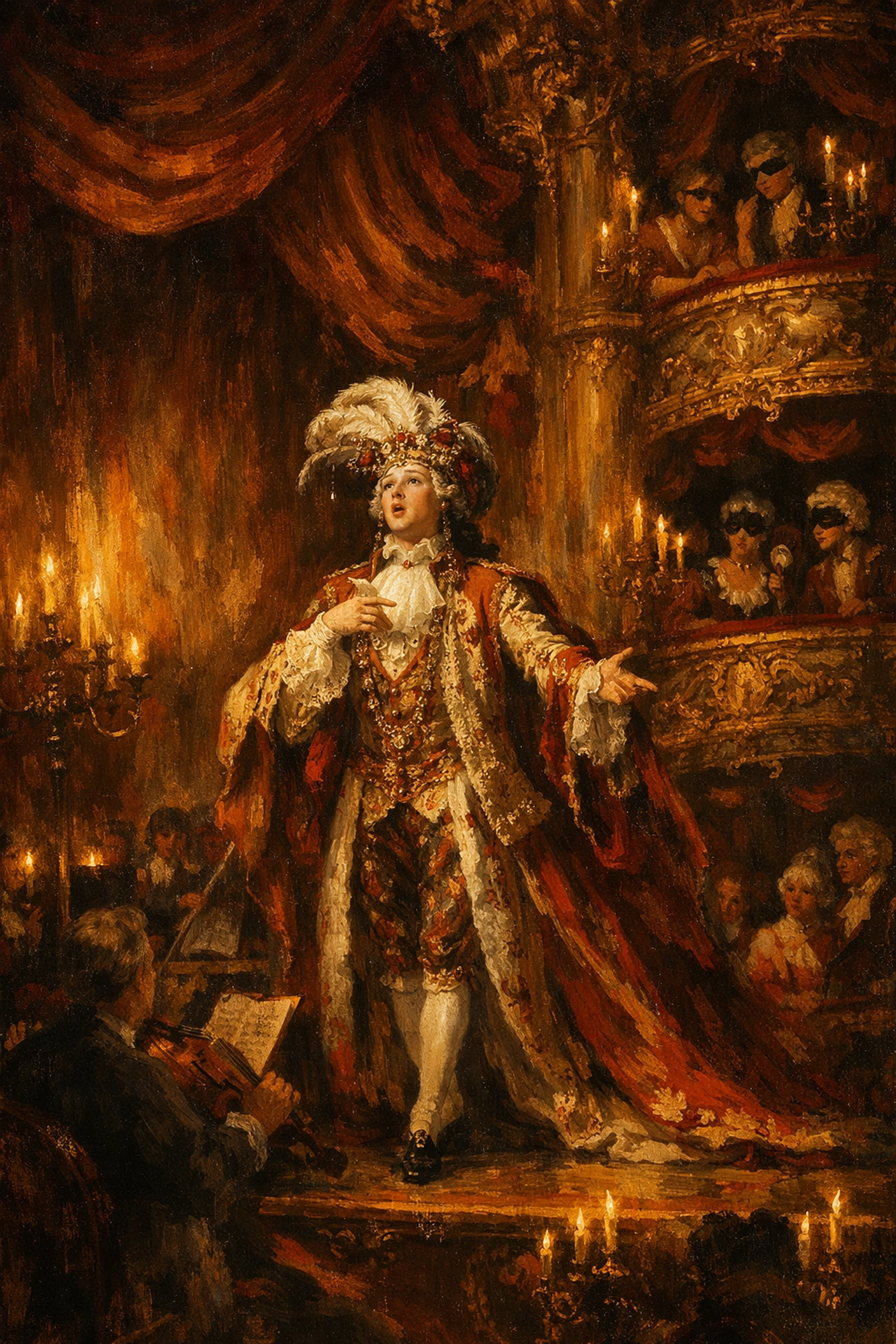
Take the castrati, for example. These were young boys who were castrated before puberty to preserve their soprano voices, a practice that sounds absolutely barbaric today but was the height of operatic fashion in the 17th and 18th centuries. Here's the thing: musicologists have documented that many castrati had romantic and sexual relationships with male patrons. They existed in a fascinating liminal space, neither fully "male" nor "female" in the eyes of society, creating a kind of gender fluidity that was both accepted and celebrated on stage.
Then there were the trouser roles, male characters written specifically to be performed by women. Think Cherubino in The Marriage of Figaro or Octavian in Der Rosenkavalier. These roles created legitimate spaces for gender performance and ambiguity right there on the opera stage. For queer audiences watching a woman dressed as a man romance another woman (who everyone pretends to think is a man), well, that's the kind of delicious complexity that speaks to our souls.
The Grand Tour and "Exotic" Desires
Opera's gay connection also has roots in the European Grand Tour tradition. Wealthy British men would travel to Italy, ostensibly to soak up culture and classical art. But historical records show that many were also "indulging their passions", including same-sex desire, which was more tolerated in certain Italian circles than back home in uptight England. Opera houses became places where you could appreciate beauty, art, emotion, and maybe catch the eye of a fellow traveler seeking the same freedoms.
Italy, opera, and same-sex desire became culturally intertwined in the European imagination. The opera house itself became coded as a space of possibility and liberation.
Diva Worship: More Than Just Fandom
Okay, let's talk about the elephant in the room, or rather, the soprano on the stage. Diva worship is practically a gay cultural institution. But why?
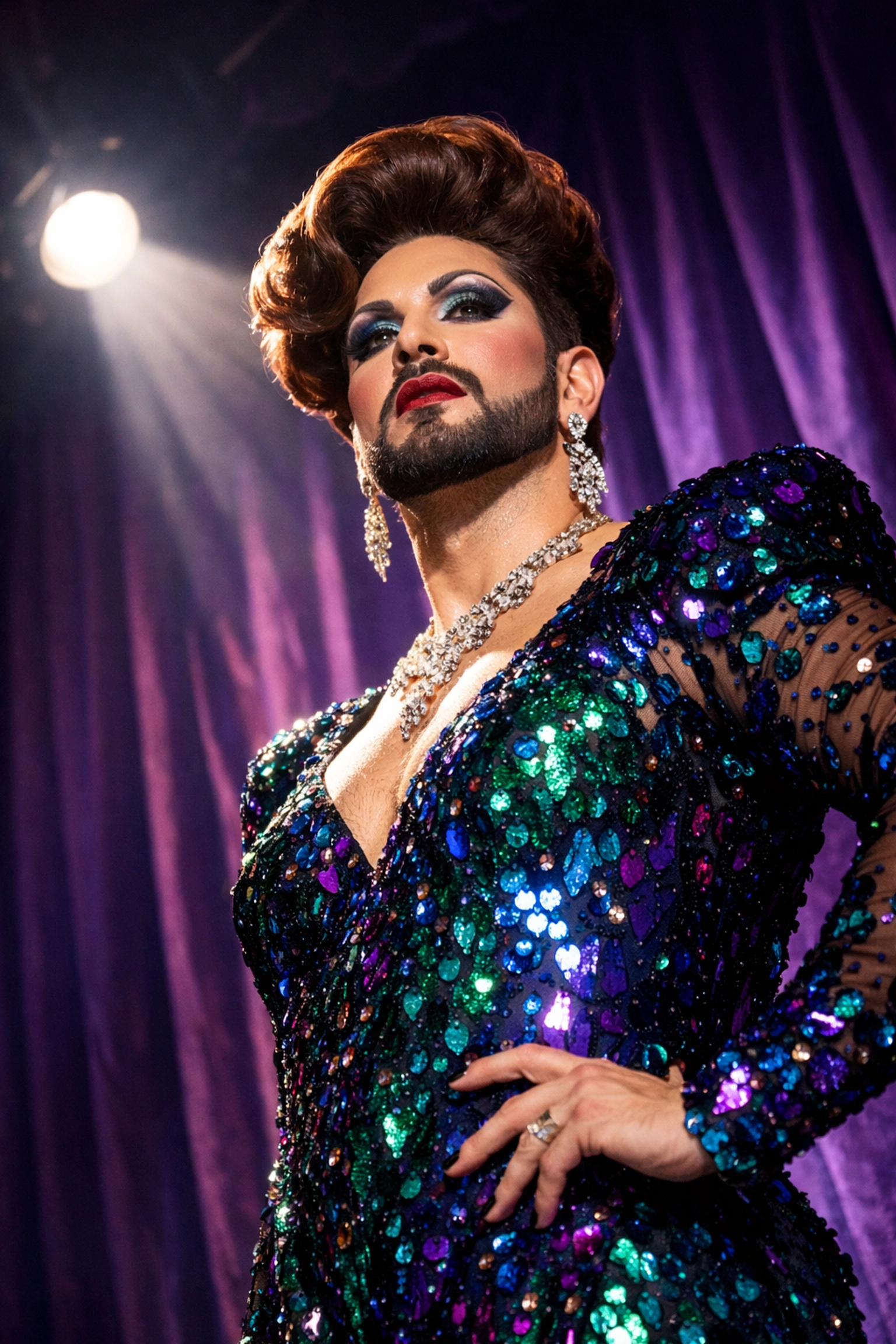
Gay men, in particular, have historically identified with powerful female performers who command stages and demand to be seen and heard. These women, Maria Callas, Joan Sutherland, Renée Fleming, Anna Netrebko, embody a kind of fierce, unapologetic presence that resonates deeply. They're survivors, fighters, artists who've often battled sexism and ageism to claim their space.
Sound familiar? For LGBTQ+ folks who've had to fight for visibility and acceptance, there's something profoundly moving about watching a diva take the stage and absolutely own it. They perform emotions at full volume, grief, rage, passion, joy, without apology. In a world that often tells queer people to tone it down, be less visible, or hide who we are, divas show us what happens when you refuse to dim your light.
Plus, let's be honest: the camp factor is off the charts. Opera doesn't do anything by halves. The costumes! The sets! The plots where someone inevitably dies of consumption or gets stabbed while singing their final, heartbreaking aria! It's theatrical excess at its finest, and we are here for it.
Emotional Expression Without Boundaries
One of the most powerful aspects of opera as a gay sanctuary is its permission, no, its demand: for full emotional expression. Opera doesn't know the meaning of "keep it together." Characters weep, rage, seduce, and suffer with complete abandon.
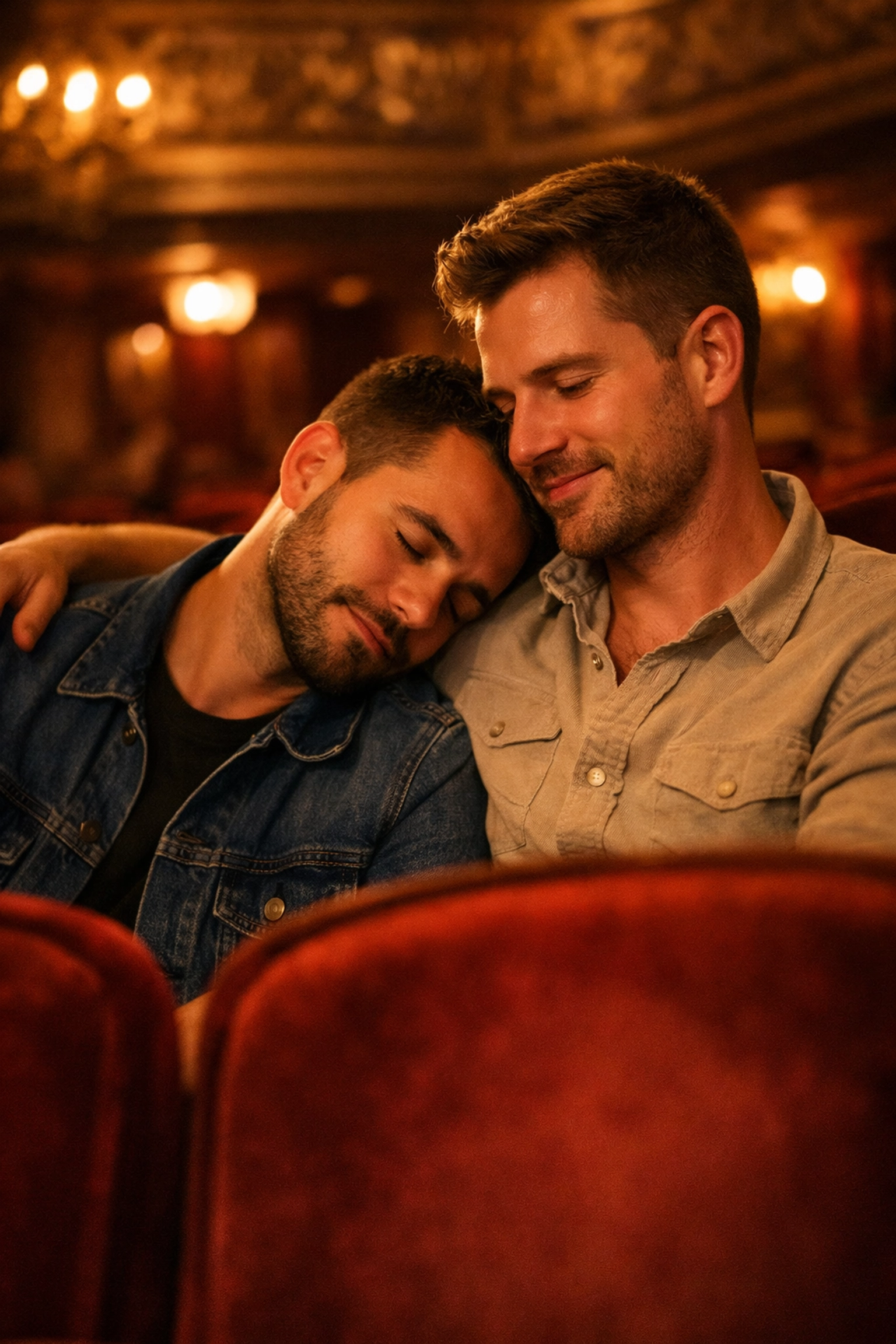
For many LGBTQ+ people, especially those who grew up in environments where they had to hide their true selves, this level of emotional honesty is incredibly cathartic. Opera creates a space where big feelings aren't just acceptable: they're the whole point. You're supposed to feel devastated when Mimi dies in La Bohème. You're meant to be swept away by the passion in Carmen. The emotional intensity isn't embarrassing; it's transcendent.
This permission to feel deeply connects to a broader queer experience. When you've spent years managing how you present yourself to the world, carefully monitoring what you say and how you act, there's something incredibly freeing about entering a space where restraint is thrown out the window.
Queer Creators Shaping the Art Form
Opera hasn't just been a refuge for queer audiences: it's been shaped by queer creators. Benjamin Britten, one of the 20th century's most important composers, was openly gay (by the standards of his time) and his partner was tenor Peter Pears. His 1951 opera Billy Budd, set on a naval ship with an all-male cast, explores themes of repressed desire and masculine power dynamics with subtlety and nuance.
As we moved through the late 20th and early 21st centuries, opera began explicitly telling queer stories. Works like Harvey Milk (1995), about the assassinated gay rights activist, and Patience and Sarah (1998), about a lesbian relationship in 19th-century America, brought LGBTQ+ narratives front and center. Contemporary composers continue this tradition, creating operas that reflect the full spectrum of queer experiences.
The Opera House as Social Sanctuary
Beyond the performances themselves, opera houses have historically functioned as social spaces where LGBTQ+ people could gather. In eras when gay bars were illegal or dangerous, attending the opera was respectable, cultured, and above suspicion. You could dress up, see friends, and exist in a space that felt safe and affirming.
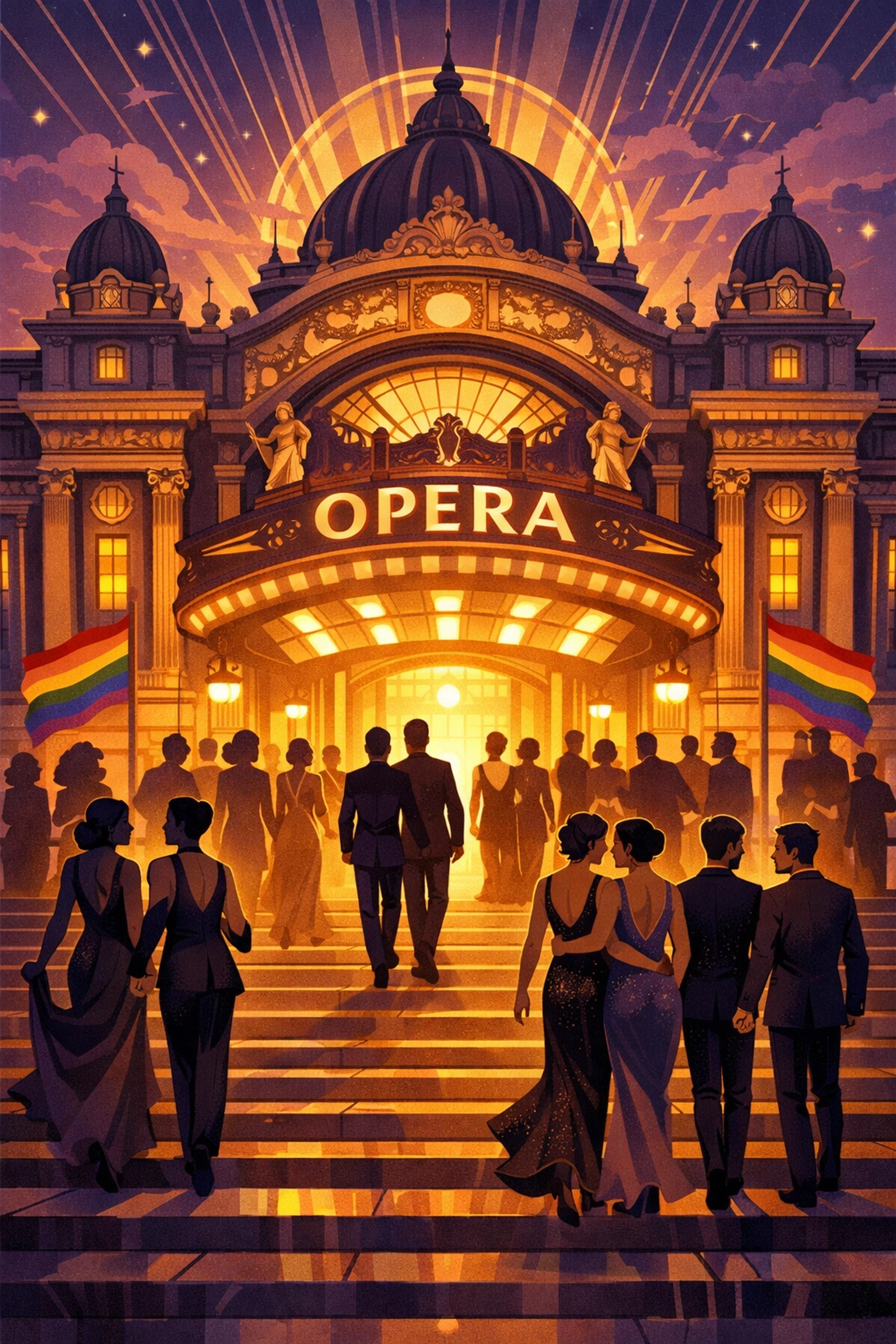
Even today, opera companies often serve as community hubs. Many have LGBTQ+ affinity groups, pride nights, and programming that speaks directly to queer audiences. The Metropolitan Opera in New York, the Royal Opera House in London, and opera companies across the globe have embraced their LGBTQ+ patrons: recognizing that this audience has been central to opera's survival and evolution.
Finding Our Stories
At Readwithpride.com, we believe in the power of stories: whether they're sung at full volume in an opera house or read quietly in the pages of MM romance books and gay fiction. Just like opera gave generations of LGBTQ+ people a space to see passion, drama, and authentic emotion reflected back at them, contemporary queer fiction and gay romance novels offer that same mirror today.
The themes that make opera so compelling: forbidden love, social barriers, passionate relationships, and the courage to live authentically: are the same ones you'll find in the best MM romance and LGBTQ+ fiction. Whether you're into historical romance, contemporary love stories, or fantasy adventures, these narratives continue the tradition of telling our stories with the same intensity and honesty that opera has championed for centuries.
The Legacy Continues
Opera remains a sanctuary because it never asks us to be less. It doesn't demand that we tone down our emotions, hide our love, or apologize for taking up space. It celebrates the dramatic, the beautiful, the tragic, and the transcendent: all the things that make us gloriously, messily human.
So next time you're at the opera (or streaming one from your couch in your pajamas: no judgment), take a moment to appreciate this incredible art form that's been sheltering and celebrating queer people for centuries. And when that soprano hits that impossible high note and the entire audience collectively loses their minds? That's community. That's catharsis. That's sanctuary.
Want more LGBTQ+ stories that celebrate love, identity, and authentic emotion? Check out our collection of gay romance books and MM fiction at Readwithpride.com. From contemporary MM romance to historical gay fiction, we've got stories that'll make your heart soar as high as any operatic aria.
Follow us for more LGBTQ+ content:
- Facebook: Read With Pride
- Instagram: @read.withpride
- X/Twitter: @Read_With_Pride
#ReadWithPride #LGBTQCulture #OperaHistory #GayHistory #QueerCulture #MMRomance #GayRomanceBooks #LGBTQFiction #QueerFiction #GayBooks #DivaWorship #LGBTQ2026 #QueerStories #GayLiterature #MMRomanceBooks #OperaLovers #QueerArts #GayRomance #LGBTQBooks #AuthenticStories

Leave a Reply
You must be logged in to post a comment.