


There's something mesmerizing about watching a diver stand at the edge of a platform, ten meters above the water, preparing to launch themselves into the air. That moment of stillness before the leap, it's pure poetry. Competitive diving isn't just a sport; it's a breathtaking dance between physics and artistry, where athletes transform their bodies into living sculptures mid-flight.
For those of us who appreciate beauty in motion, competitive diving offers something truly special. It's about the individual journey, the countless hours of practice, and the courage it takes to push your body to do things that seem impossible. And honestly? There's something deeply relatable about that for anyone who's ever had to take a leap of faith, whether it's off a diving board or into something equally terrifying, like vulnerability.
The Art of Falling Gracefully
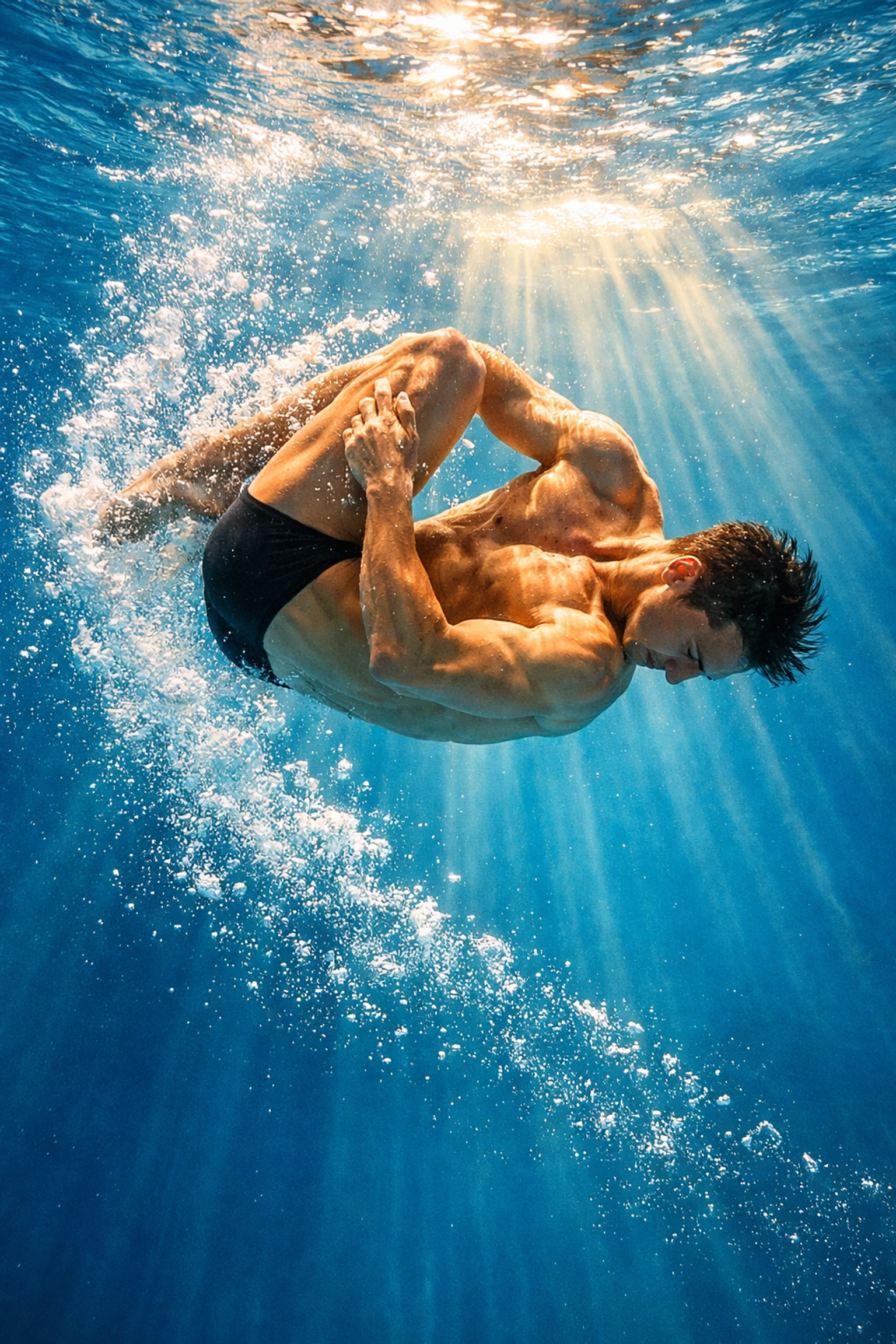
Competitive diving combines technical precision with artistic expression in a way few other sports can match. Divers are judged on multiple dimensions: the quality of their takeoff, the execution of aerial maneuvers, the form they maintain throughout, and, perhaps most impressively, the minimal splash they create upon entry. That last part? It's called a "rip entry," and when done perfectly, the diver seems to vanish into the water like a knife through silk.
Each dive carries a degree of difficulty (DD) rating that reflects how complex the acrobatic elements are. The final score is calculated by multiplying the judges' ratings by this difficulty factor, which means divers are constantly weighing risk versus reward. Do you play it safe with a dive you've mastered, or do you push yourself with something more challenging that could either wow the judges or result in a spectacular belly flop?
The physics alone is mind-boggling. From a 10-meter platform, divers hit the water at approximately 35 miles per hour. In the roughly two seconds of flight time, they might complete three and a half somersaults with multiple twists. It's like choreographing a full dance routine in the time it takes to sneeze.
The Individual Journey
What makes competitive diving so compelling isn't just the final product, it's the journey each athlete takes to get there. Behind every perfect dive are thousands of imperfect ones, hours spent in the gym building core strength, and mental preparation that rivals any meditation practice.
Divers face unique psychological challenges. There's the obvious fear factor of hurling yourself from great heights, but there's also the pressure of performing in front of judges and crowds, the need for absolute focus, and the mental resilience required to shake off a bad dive and immediately prepare for the next one. It's a sport that demands you be present, courageous, and willing to be vulnerable, qualities that resonate far beyond the pool deck.

The physical grace required is extraordinary. Divers need explosive power for takeoff, flexibility for complex positions, spatial awareness to know where they are mid-rotation, and the body control to make constant micro-adjustments in mid-air. They're essentially gymnasts who chose to work without a net, unless you count water, which at high speeds feels surprisingly solid.
Disciplines That Challenge Different Strengths
Competitive diving encompasses several distinct events, each with its own character and demands:
Springboard diving takes place from 1-meter and 3-meter heights. The board's flexibility becomes a tool, allowing divers to generate impressive height and rotation. There's a rhythm to springboard diving, the approach, the hurdle, the press, that requires perfect timing. It's more forgiving than platform diving in some ways, but that extra bounce introduces its own variables.
Platform diving is the marquee event, with athletes performing from rigid platforms at 5, 7.5, and 10 meters. The 10-meter platform is the most prestigious and intimidating. Standing at the edge, you're roughly the height of a three-story building. There's no spring to help you, just gravity and whatever power you can generate from your legs. Platform divers need nerves of steel and absolute commitment, hesitation mid-dive can be disastrous.
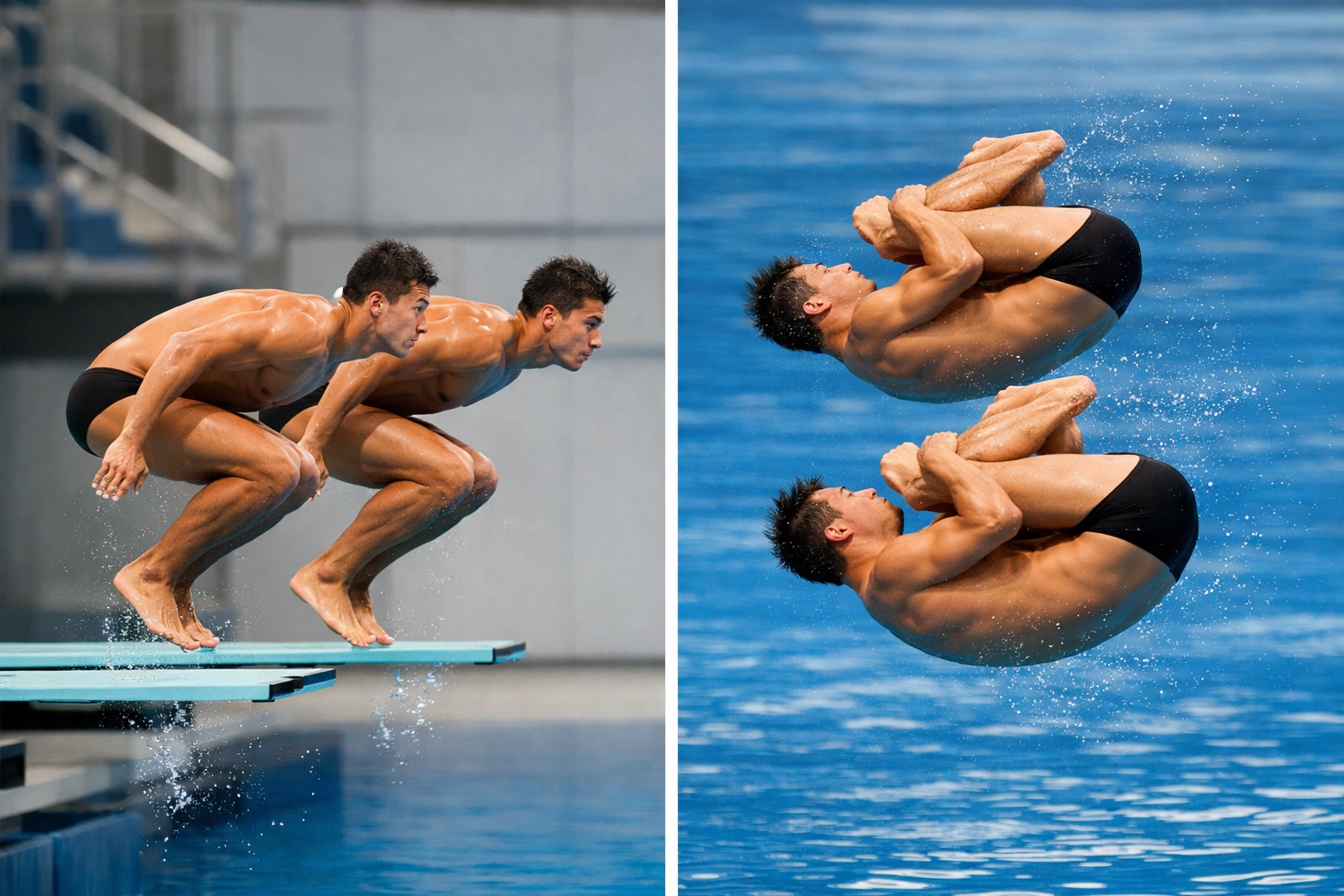
Synchronized diving adds another layer of complexity. Two divers must perform identical dives simultaneously, matching not just their individual execution but also their timing, height, and distance from the platform. It requires perfect chemistry between partners, constant communication, and the ability to trust someone else completely. The synchronization has to be so precise that they create a single splash.
Breaking Barriers and Making Waves
Competitive diving has been an Olympic staple since 1904, and it continues to captivate audiences worldwide. Historically dominated by countries like the United States and China, the sport has become increasingly global, with talent emerging from all corners of the world.
Like many individual sports, diving has provided a space where LGBTQ+ athletes have found success and visibility. The sport's emphasis on artistry, grace, and individual expression has often created a more welcoming environment than team sports with their rigid masculine codes. Several prominent divers have been open about their identities, helping to create a more inclusive culture within the sport.
There's something powerful about watching an athlete stand alone at the edge of that platform, being completely themselves, and then executing something beautiful and brave. It mirrors the experience of coming out, of being visible, of refusing to make yourself smaller to fit into someone else's expectations.
The Romance of Risk and Trust
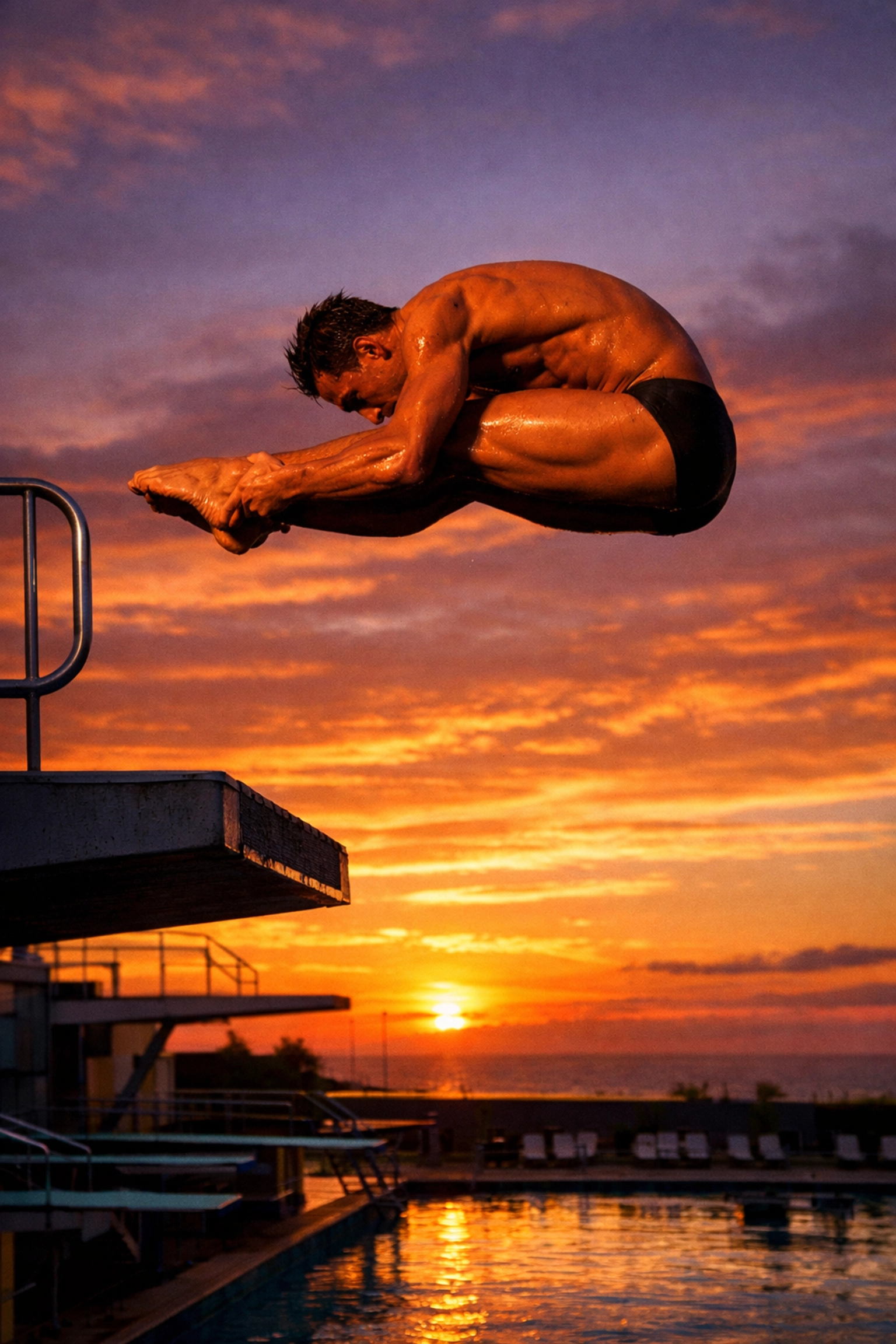
For those of us who love a good MM romance, the kind you'll find at Read with Pride, there's a natural parallel between diving and the stories we devour. Both involve characters taking leaps of faith, facing their fears, and finding grace in vulnerability. The best gay romance books capture that moment of suspension between safety and the unknown, just like a diver frozen mid-twist.
Think about it: synchronized diving is basically a trust fall with extra steps and way more athleticism. Two people moving as one, requiring perfect communication and faith in each other, sound familiar? It's the sports equivalent of a slow-burn romance where the characters finally sync up.
The individual journey of a diver, the dedication, the setbacks, the triumphs, mirrors the character development we love in MM fiction. Whether it's contemporary romance, gay fantasy, or steamy MM novels, the best stories feature characters who must develop strength, face their fears, and ultimately take that leap toward love.
Finding Your Own Dive
You don't have to be an Olympic athlete to appreciate the lessons competitive diving offers. It's about finding beauty in precision, courage in vulnerability, and grace under pressure. It's about the individual journey and the trust required to work with others. It's about taking risks and sometimes making a splash, whether elegant or spectacular.
And when you need inspiration for your own leaps of faith? Well, that's what great stories are for. The MM romance books and LGBTQ+ fiction at Read with Pride celebrate characters who take those dives every day: into love, into authenticity, into their true selves.
So whether you're watching competitive diving, reading your next favorite gay romance novel, or preparing for your own personal leap, remember: the beauty isn't just in the perfect landing. It's in the courage it takes to jump.
Dive into more stories at www.readwithpride.com
Follow us for daily inspiration:
#ReadWithPride #MMRomance #GayRomance #LGBTQBooks #CompetitiveDiving #QueerFiction #GayBooks #MMBooks #LGBTQFiction #GayRomanceBooks #QueerLiterature #GayLoveStories #MMNovels #AuthenticStories #PrideReading #2026Books #LGBTQReading #GayFiction #MMRomanceBooks #QueerReads

Leave a Reply
You must be logged in to post a comment.