

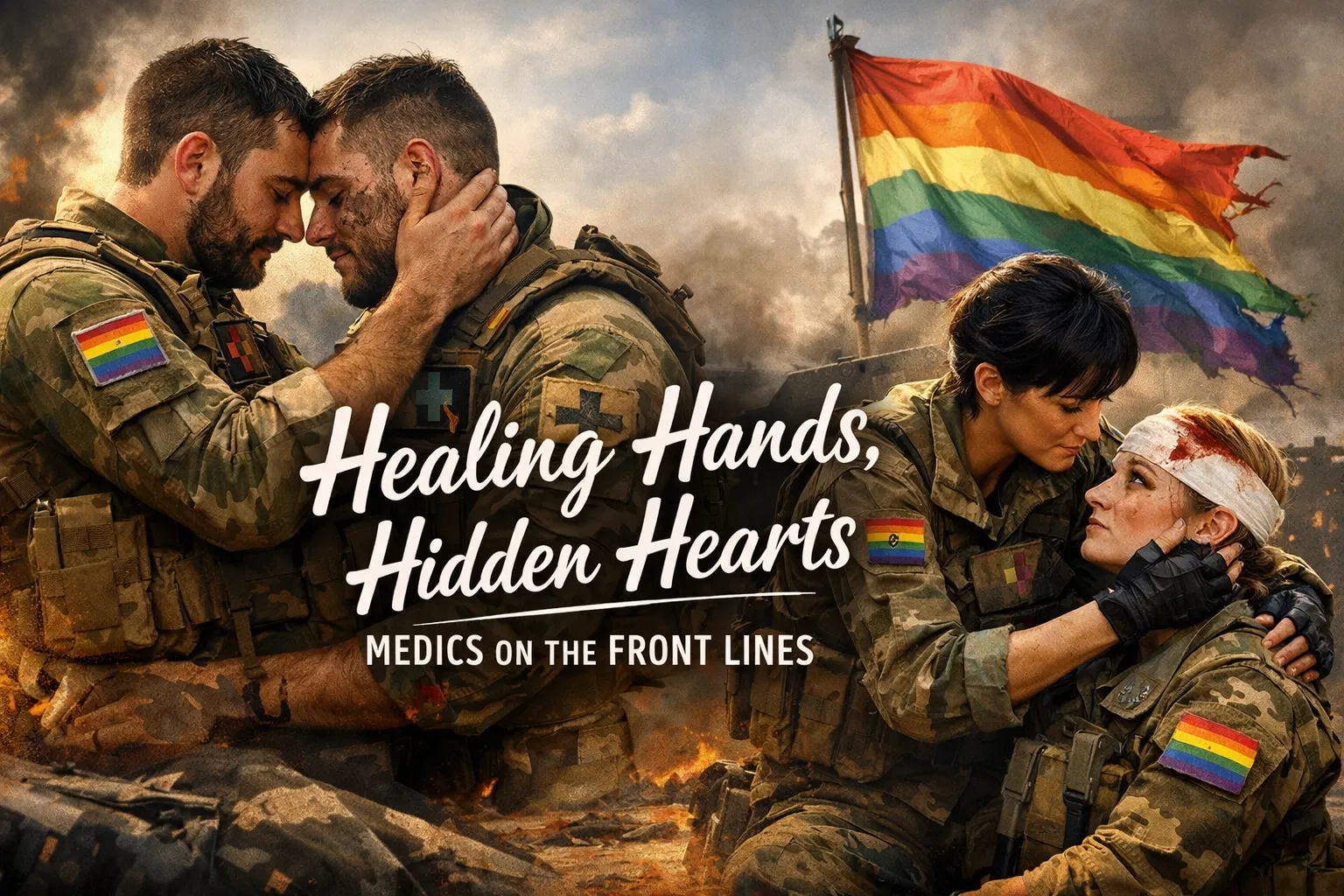
The smell of antiseptic never quite masked the metallic tang of blood. Canvas tents flapped in the wind while shells exploded in the distance: close enough to rattle your teeth, far enough that you kept working. Field hospitals during wartime weren't places for the faint of heart. But for some men, these makeshift sanctuaries of healing became something unexpected: a place where forbidden love could bloom in the chaos.
When War Stripped Everything Bare
Field medics saw humanity at its most vulnerable. Soldiers arrived broken, terrified, crying for their mothers. Social masks fell away when you were elbow-deep in someone's chest cavity, trying to stop the bleeding before time ran out. In those trenches and tents, the usual rules of society seemed absurdly distant.
For gay medics serving alongside each other, this created a strange paradox. War was hell, absolutely: but it also created proximity. Forced closeness. Shared trauma. Long nights working side-by-side under kerosene lamps, hands brushing as you passed instruments, shoulders touching in cramped surgical spaces.
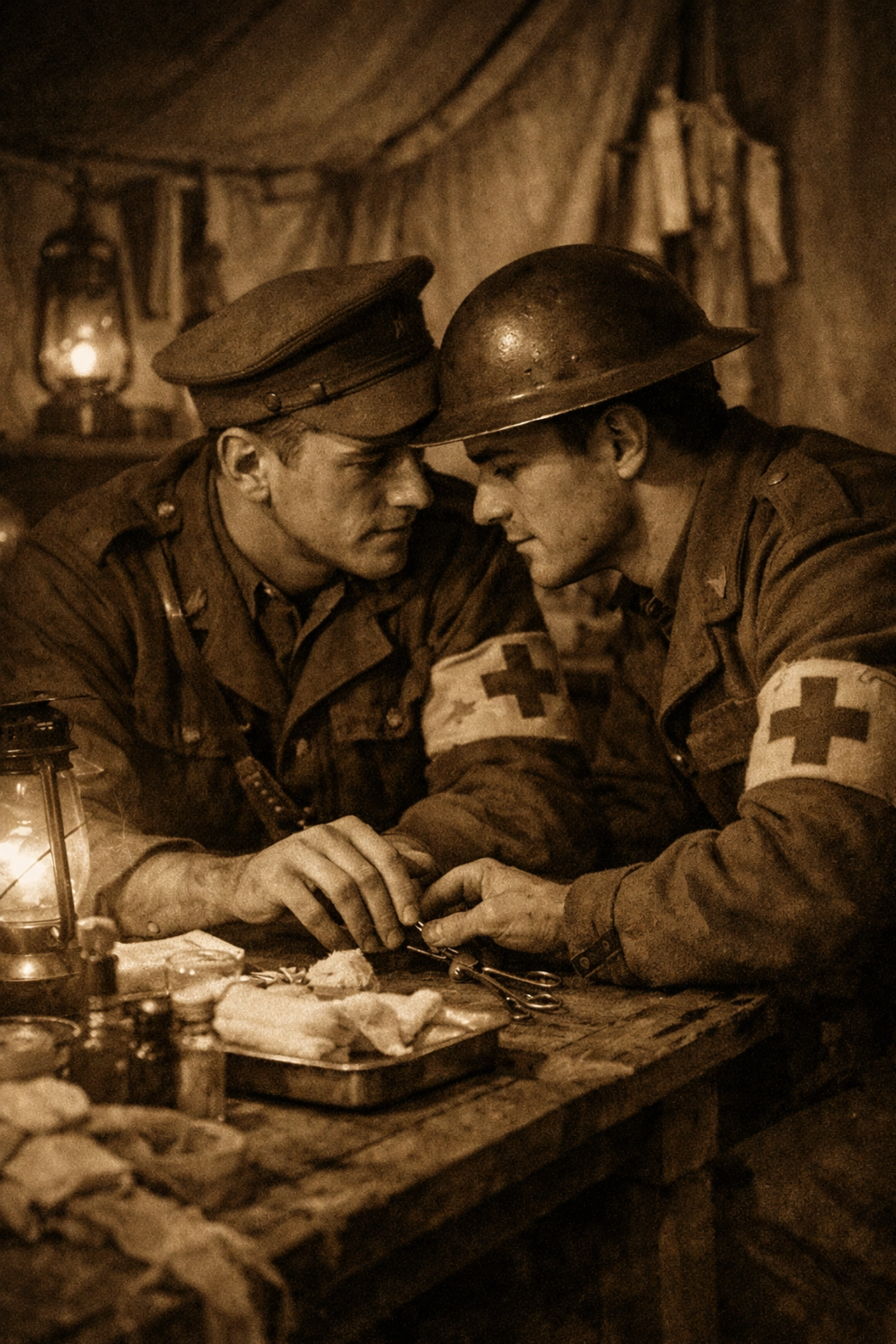
The irony wasn't lost on anyone: you could die for your country, but you couldn't love who you wanted. These men were saving lives daily, performing miracles with limited supplies and endless determination, yet their own hearts had to remain hidden. Talk about your catch-22 situations.
The Weight of Healing
Anyone who's worked in medicine knows the emotional toll. Now multiply that by active combat zones, inadequate supplies, and patients who were often barely adults. Medics didn't just treat wounds: they held dying boys' hands, wrote final letters home, and somehow found the strength to do it all over again the next day.
The psychological burden was crushing. PTSD wasn't even a recognized diagnosis back then; you just "soldiered on" (pun grimly intended). So where did these men find comfort? Sometimes, in the quiet moments between crises, they found it in each other.
A hand squeeze that lasted a second too long. A look across the operating table that communicated everything words couldn't. Stolen moments behind the supply tent when exhaustion gave way to desperate need for human connection. These weren't grand romantic gestures: they were survival mechanisms wrapped in affection.
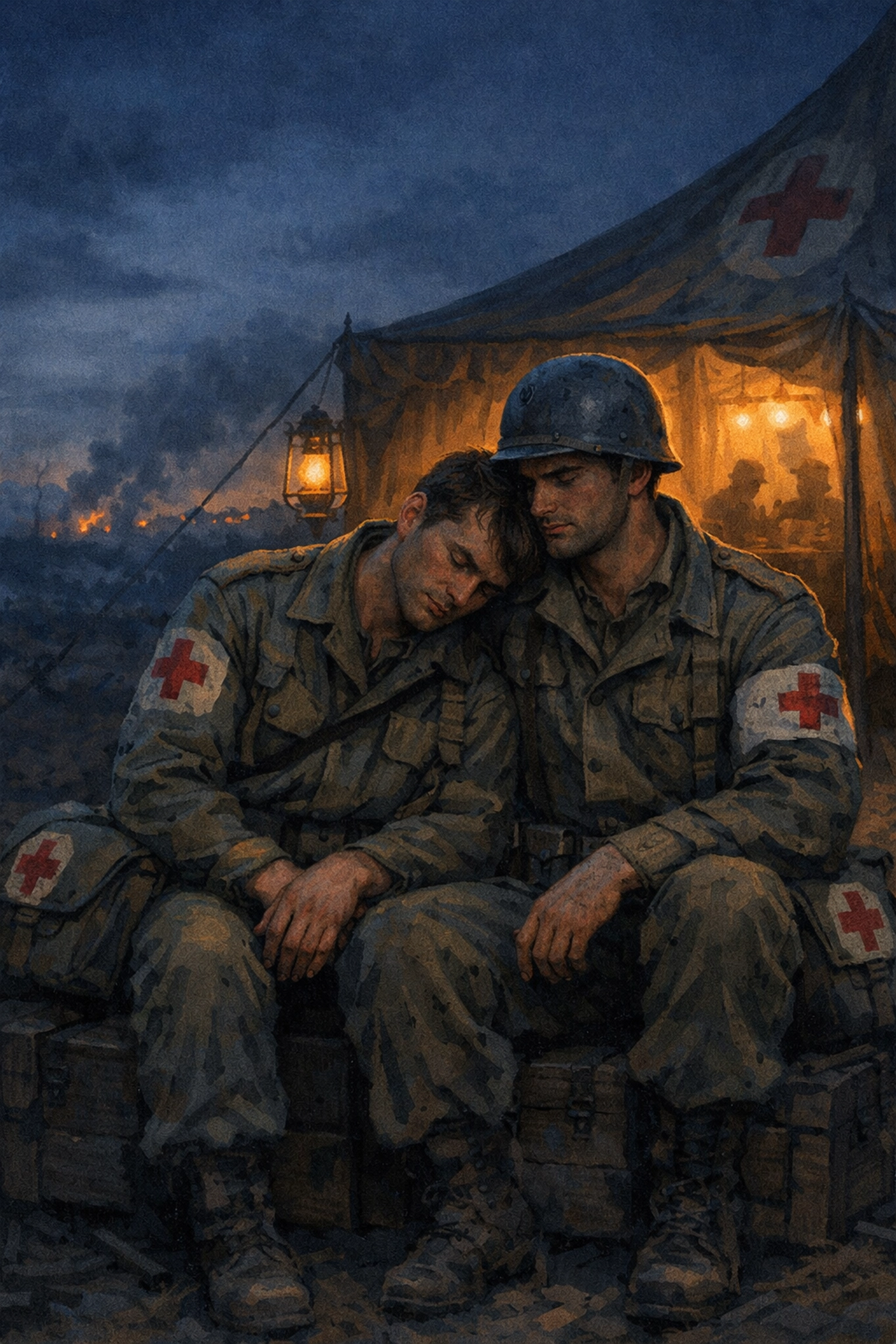
Love in Code
Gay relationships during wartime required their own language. Men developed signals, codes, ways of communicating that flew under the radar. "Want to check the medical supplies?" might mean something entirely different at 2 AM. Sharing cigarettes took on deeper meaning. A borrowed book could contain a hidden note.
The constant fear of discovery added another layer of stress to already impossible situations. Military law was unforgiving. Getting caught didn't just mean discharge: it meant court-martial, prison time, and a dishonorable record that would follow you forever. Some men faced lobotomies or chemical castration as "treatment" for their "condition."
Despite these terrifying consequences, love persisted. Because that's what love does: it finds a way, even when everything is stacked against it. Maybe especially then.
The Unsung Heroes
Here's what doesn't get talked about enough in history books: the incredible bravery it took to be authentically yourself (even in secret) during wartime. These medics were already heroes for their medical service, but they showed a different kind of courage every single day: the courage to remain human, to love, to hope for a future that seemed impossibly distant.
Some of these relationships lasted years, conducted entirely through coded letters and brief reunions between deployments. Others were intense but short-lived, burning bright before being extinguished by reassignment or death. All of them mattered. All of them were real.
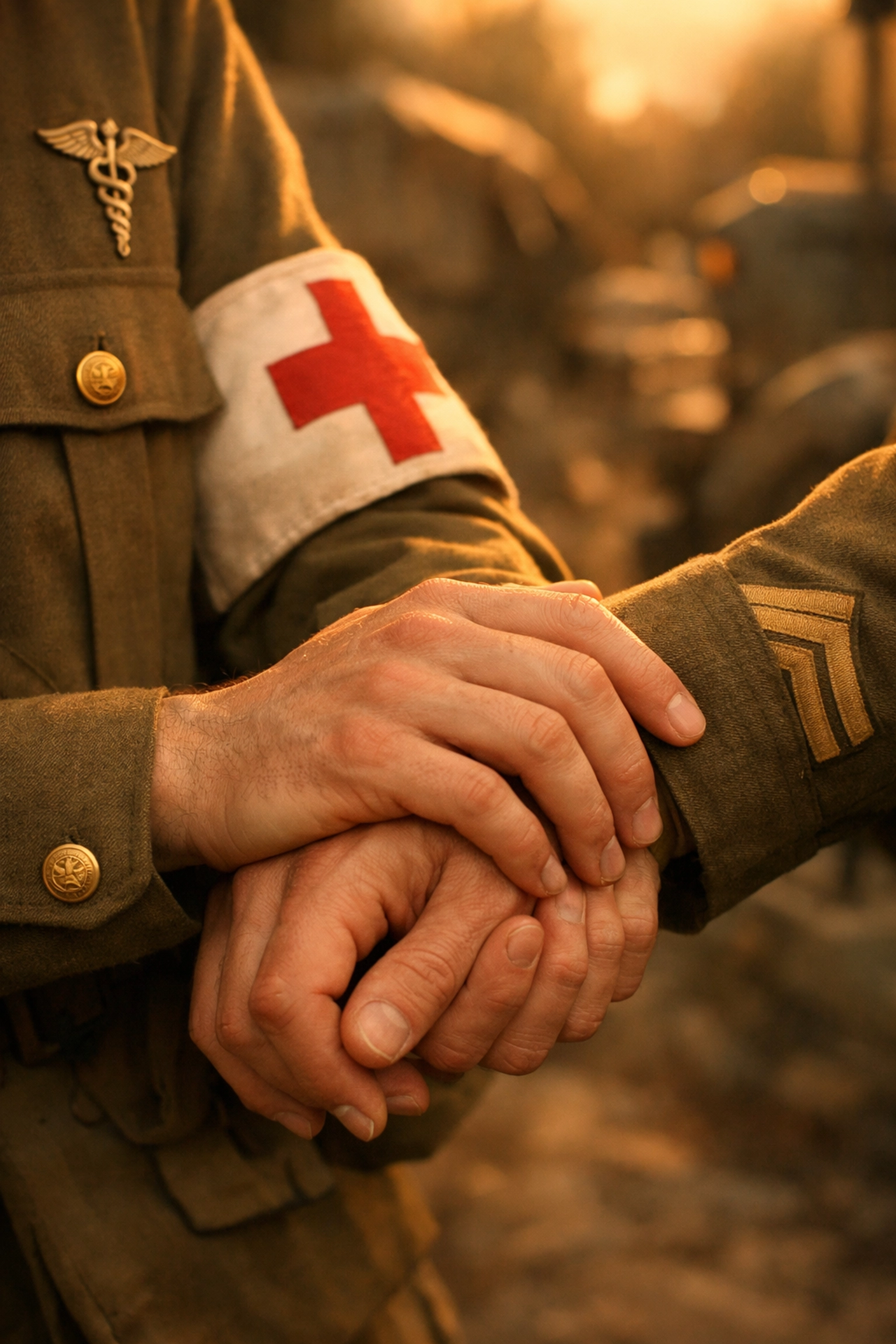
The field hospital became a strange sanctuary: the only place where two men could be alone together without raising suspicion. "We're organizing medical supplies" became sacred code. The supply tent, the ambulance, even the morgue sometimes: anywhere you could steal five minutes of honesty in a world built on deception.
Why These Stories Matter Now
Fast forward to 2026, and it's easy to forget how far we've come. Marriage equality, workplace protections, visible LGBTQ+ representation: rights our predecessors couldn't have imagined. But we owe them everything. Those medics who loved in secret, who risked everything for stolen moments of happiness, they paved the way.
Their stories remind us that queer love has always existed, even in the most hostile circumstances. They remind us that our community has always been here, contributing, serving, loving fiercely despite impossible odds. These weren't just tragic tales of forbidden love: they were stories of resilience, hope, and the unshakeable human need for connection.
Finding These Stories Today
If you're craving more historical MM romance that captures the complexity and courage of wartime love, Read with Pride has an incredible collection of gay historical romance books that bring these hidden stories to light. Authors are finally giving voice to the relationships that existed in the margins of history books.
From WWI trenches to WWII field hospitals, from the Pacific theater to the European front, MM romance novels are exploring what it meant to love and serve simultaneously. These aren't sanitized versions of history: they're authentic, emotional, sometimes devastating stories that honor the men who lived them.
The best historical gay romance books don't shy away from the reality of those times: the fear, the secrecy, the constant threat of discovery. But they also celebrate the joy: stolen kisses, whispered promises, the profound intimacy that comes from truly seeing and being seen by another person.
The Legacy Continues
Those wartime medics: they weren't so different from us. They wanted love, acceptance, a future where they could hold hands without fear. They dreamed of peacetime not just because the fighting would stop, but because maybe, just maybe, they could finally live openly.
We're living in the world they dreamed of (though we've still got work to do). Every time we read an MM romance novel, every time we celebrate queer love openly, we're honoring their memory. We're saying: your stories matter. Your love mattered. You mattered.
The next time you dive into a historical MM romance, remember the real men who inspired these stories. The medics who healed bodies and hearts simultaneously. The soldiers who found love in the last place anyone expected. The couples who survived against all odds, and the ones who didn't, but whose love burned bright enough to light the way for the rest of us.
Ready to explore more wartime romance? Check out Read with Pride's collection of gay historical romance novels that bring these hidden stories to life. Because everyone deserves to see themselves in history: especially the heroes whose love stories were written in invisible ink.
Follow us for more LGBTQ+ stories and MM romance recommendations:
- Facebook: Read With Pride
- Instagram: @read.withpride
- X/Twitter: @Read_With_Pride
#MMRomance #GayRomanceBooks #HistoricalRomance #LGBTQBooks #ReadWithPride #GayHistoricalRomance #MMHistoricalRomance #QueerFiction #GayLoveStories #MMBooks #LGBTQFiction #GayLiterature #2026GayBooks #BestMMRomance #GayRomanceNovels #QueerAuthors #WarTimeRomance #MilitaryRomance #ForbiddenLove #HiddenHistory

Leave a Reply
You must be logged in to post a comment.