
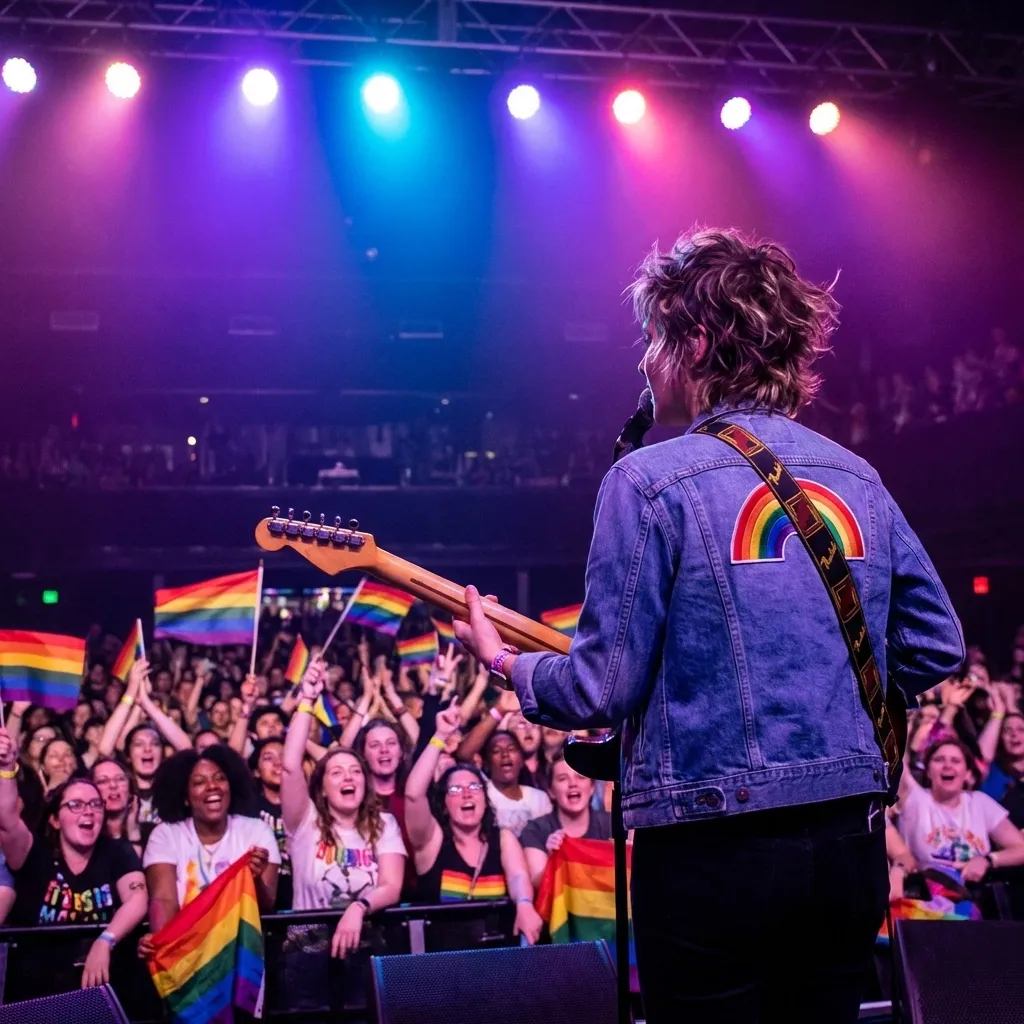
When King Princess burst onto the music scene in 2018 with "1950," she didn't just give us a catchy indie-pop anthem, she handed the LGBTQ+ community a love letter wrapped in synth beats and raw emotion. In a world where queer artists have historically been asked to tone it down or keep things ambiguous, King Princess walked in with her signature swagger and said, "Nah, we're centering queer love, and we're doing it loudly."
This is what redefining the queer rockstar image looks like in 2026: unapologetically authentic, creatively autonomous, and rooted in LGBTQ+ history. Just like the characters in your favorite MM romance books who refuse to hide their truth, King Princess builds her entire artistic identity around queerness, not as a side note, but as the main story.
When "1950" Made Queer History Cool Again
Let's talk about that debut single. "1950" wasn't just a song about longing; it was a direct tribute to Patricia Highsmith's 1952 novel The Price of Salt, one of the first lesbian novels with a happy ending. In an era when most queer stories ended in tragedy (looking at you, basically every pre-2000s LGBTQ+ film), Highsmith dared to give her characters hope. King Princess took that legacy and translated it into modern indie rock.
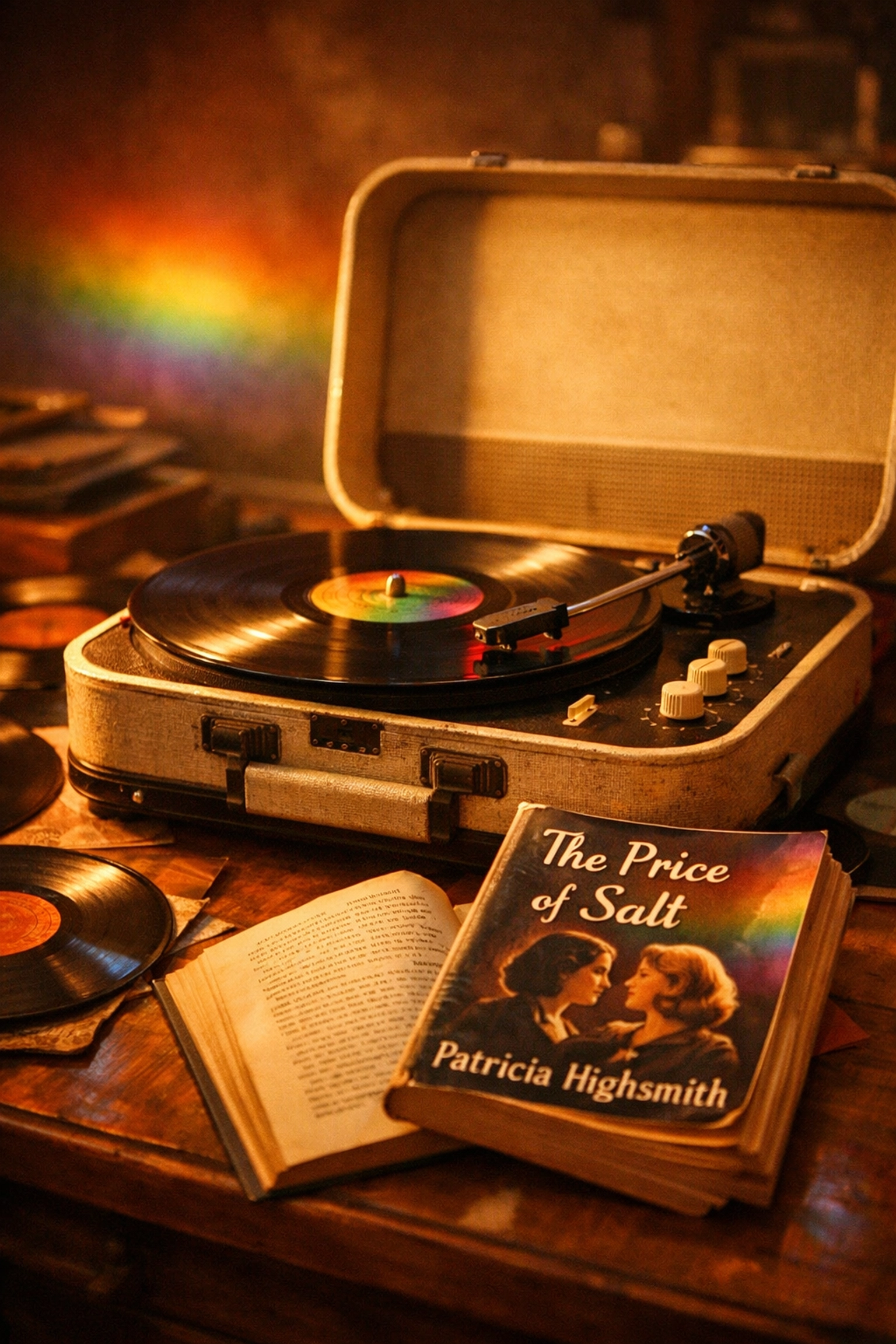
The genius of "1950" lies in its ability to honor queer history while making it relevant to today's generation. It's the musical equivalent of those sweeping gay historical romance novels where characters navigate love in times when being open meant risking everything. The song captures that same tension between desire and danger, between what we show the world and what we whisper in secret.
But here's the kicker: King Princess doesn't just reference queer history, she makes it the foundation of her art. Every lyric, every melody choice, every music video aesthetic screams "this is for us, about us, by us." It's the kind of representation that makes you want to blast it from your car speakers while driving past your conservative hometown.
Artistic Control: The Ultimate Power Move
At age eleven, eleven, King Princess turned down a record label deal because she'd seen what happens when artists lose control of their sound. Growing up in her father's recording studio, she witnessed labels molding artists into marketable products, smoothing out the rough edges that made them interesting in the first place.
That early wisdom shaped everything that came after. When she released her 2019 debut album Cheap Queen, she'd produced much of it herself, programming many of the instruments. This level of creative control is rare in the music industry, especially for young artists. But it's essential when you're creating art about identities that the mainstream often wants to sanitize.
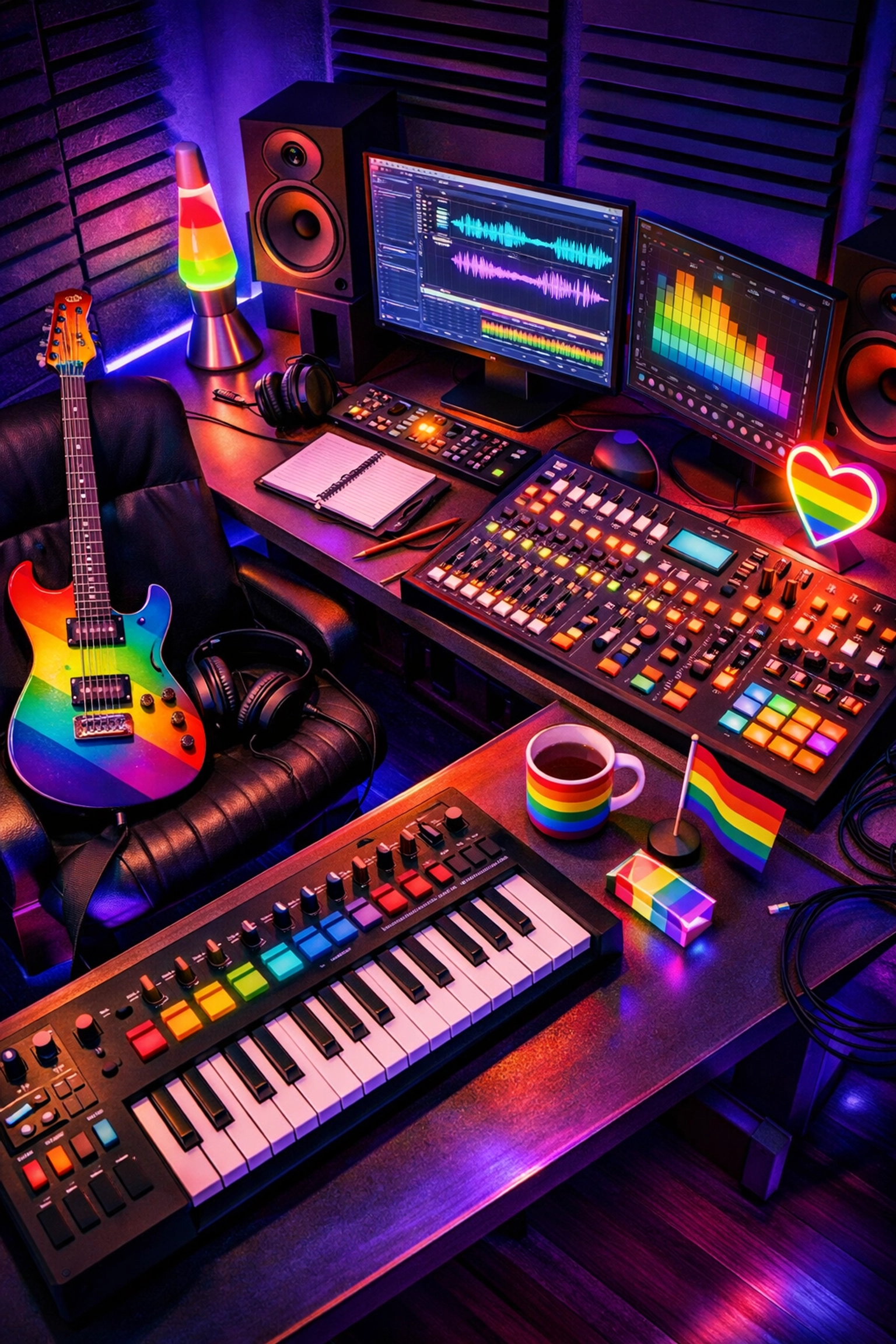
Think of it like this: you know how the best queer fiction and gay romance novels are the ones written by actual LGBTQ+ authors who understand the nuances of our experiences? King Princess applies that same principle to music. She's not letting straight executives decide how queer love should sound or which stories deserve to be told. She's keeping her vision intact, which means we get authentic representation instead of watered-down, palatable-for-everyone content.
Her insistence on autonomy earned her a 2020 GLAAD Media Award nomination for Outstanding Music Artist, recognition that highlights her impact within LGBTQ+ spaces. It's not just about making good music; it's about making music that matters to our community.
Rock Roots Meet Queer Innovation
King Princess draws from a fascinating mix of influences: Led Zeppelin, T. Rex, Cher, and Tina Turner. On paper, that combination seems chaotic. In practice? It's brilliant. She takes the swagger and intensity of classic rock, adds the theatrical flair of icons like Cher, and filters it all through an unapologetically queer lens.
This is what evolution looks like. Rock music has historically been dominated by straight, white, male narratives. King Princess steps into that tradition, she's got the guitar chops, the attitude, the stadium-ready choruses, but she transforms it from within. She's not asking for a seat at the table; she's building her own table and deciding who gets invited.
Her multi-instrumental proficiency matters here. She's not just a performer reading someone else's vision; she's a creator, a producer, an architect of sound. In an industry where women, especially queer women, have been relegated to "vocalist" roles while men dominated production, King Princess claiming space as a multi-instrumentalist and producer is revolutionary.
It's similar to how MM romance has evolved. The genre started as niche, often written by straight women for straight women. Now, queer authors are reclaiming those narratives, telling our own stories with authenticity and depth. King Princess is doing that same work in music, taking a genre with rigid expectations and queering it from the inside out.
Why This Representation Matters
Here's what gets me: King Princess doesn't make "music that happens to be queer." She makes queer music. There's a difference. The first approach treats queerness as incidental, something to mention in interviews but keep vague in the art itself. The second approach, King Princess's approach, centers queerness as the lens through which everything is created.
When you listen to her albums, you're hearing stories about queer desire, queer heartbreak, queer joy, queer rage. You're hearing what it's like to navigate love when the world has historically told you that love is wrong. You're hearing celebrations of queer beauty and sexuality that don't apologize or ask permission.
This is why platforms like Read with Pride exist, to create space for authentic LGBTQ+ narratives without compromise. Whether it's through gay romance books, MM fiction, or queer music, representation matters when it's genuine. We need stories and songs that reflect our real experiences, not sanitized versions designed to make straight audiences comfortable.
The Future of Queer Rock
Looking at King Princess in 2026, it's clear she's not just an artist, she's a blueprint. She's showing younger queer musicians that you don't have to choose between commercial success and authentic representation. You don't have to tone down your queerness to sell records. You don't have to let labels control your narrative.
She's proving that centering LGBTQ+ experiences isn't limiting; it's liberating. It opens creative possibilities that mainstream artists, constrained by heteronormative expectations, can't access. Just like how gay novels and LGBTQ+ fiction have carved out a thriving space in publishing, queer artists like King Princess are reshaping what music can be.
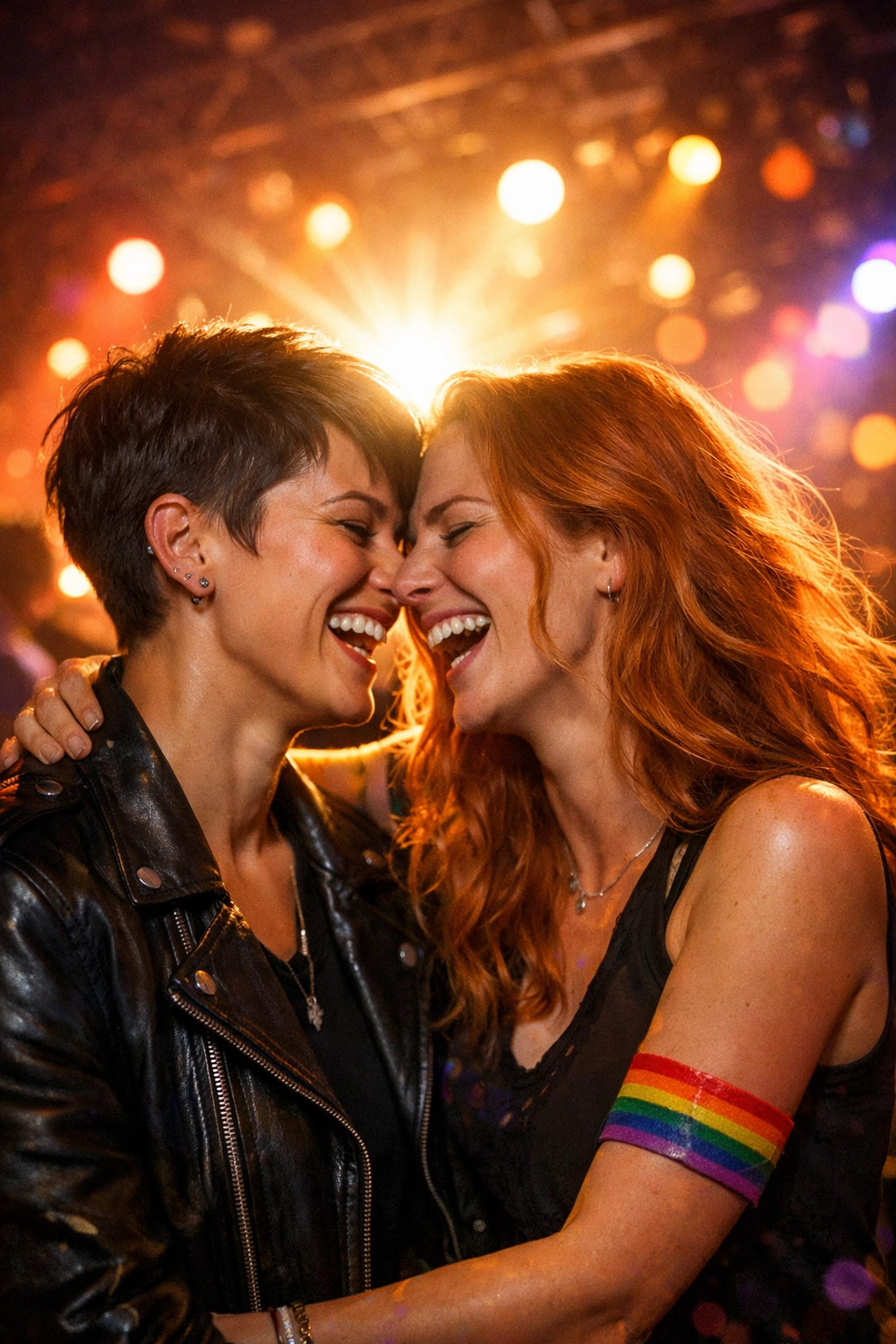
Her success also challenges the idea that queer artists need straight allies to validate them. Yes, allyship matters (we see you, Gaga and Cher). But there's something powerful about queer artists leading the charge, telling our own stories, defining our own image. We're not waiting for permission anymore.
Writing Your Own Narrative
At its core, King Princess's career is about narrative control: deciding who gets to tell your story and how. It's a lesson that resonates whether you're making music, writing MM romance books, or just living your queer life authentically.
She refused that record deal at eleven because she knew her vision mattered. She centers queer history in her work because she understands that our stories deserve to be remembered and celebrated. She maintains creative control because she knows what happens when others dictate our narratives.
This is the energy we need in 2026 and beyond. Whether you're creating art, building community, or simply existing as your authentic self, King Princess reminds us that we don't need permission to take up space. We don't need to soften our edges or hide our truths. We just need to stay true to our vision and trust that our stories matter.
So blast "1950" loud enough for the neighbors to hear. Pick up that gay romance novel you've been meaning to read at Read with Pride. Support queer artists who center our narratives. Because every time we choose authentic representation over comfortable conformity, we're redefining what's possible: one song, one story, one unapologetic moment at a time.
Discover authentic LGBTQ+ stories and support queer voices at www.readwithpride.com
Follow us for more queer content and community:
- Facebook: Read with Pride
- Instagram: @read.withpride
- X/Twitter: @Read_With_Pride
#KingPrincess #QueerMusic #LGBTQRepresentation #MMRomance #GayRomanceBooks #ReadWithPride #QueerFiction #LGBTQBooks #GayLiterature #MMRomanceBooks #QueerArtists #LGBTQCommunity #GayNovels #AuthenticRepresentation #QueerRockstar #MMFiction #GayRomance #LGBTQReading #GayBookClub #2026LGBTQBooks

Leave a Reply
You must be logged in to post a comment.