

The Revolutionary Who Became a Legend
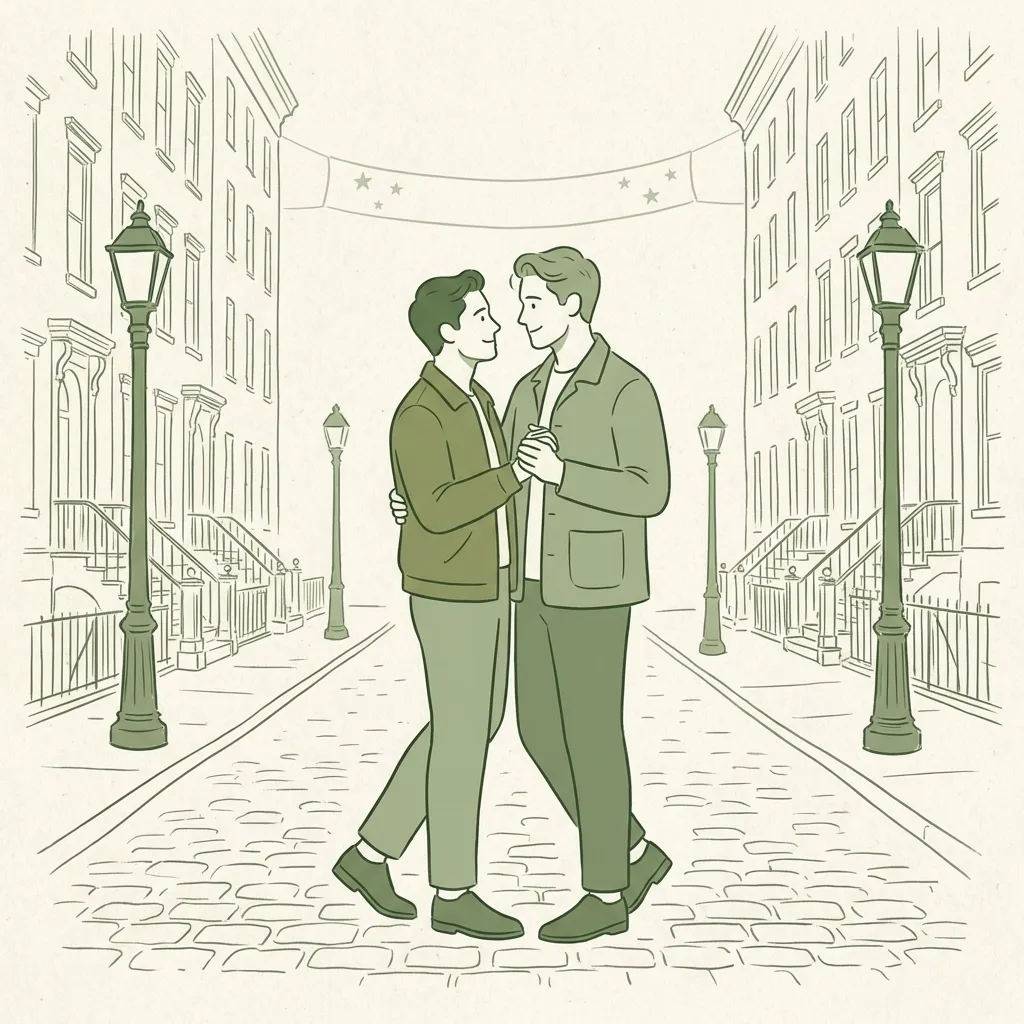
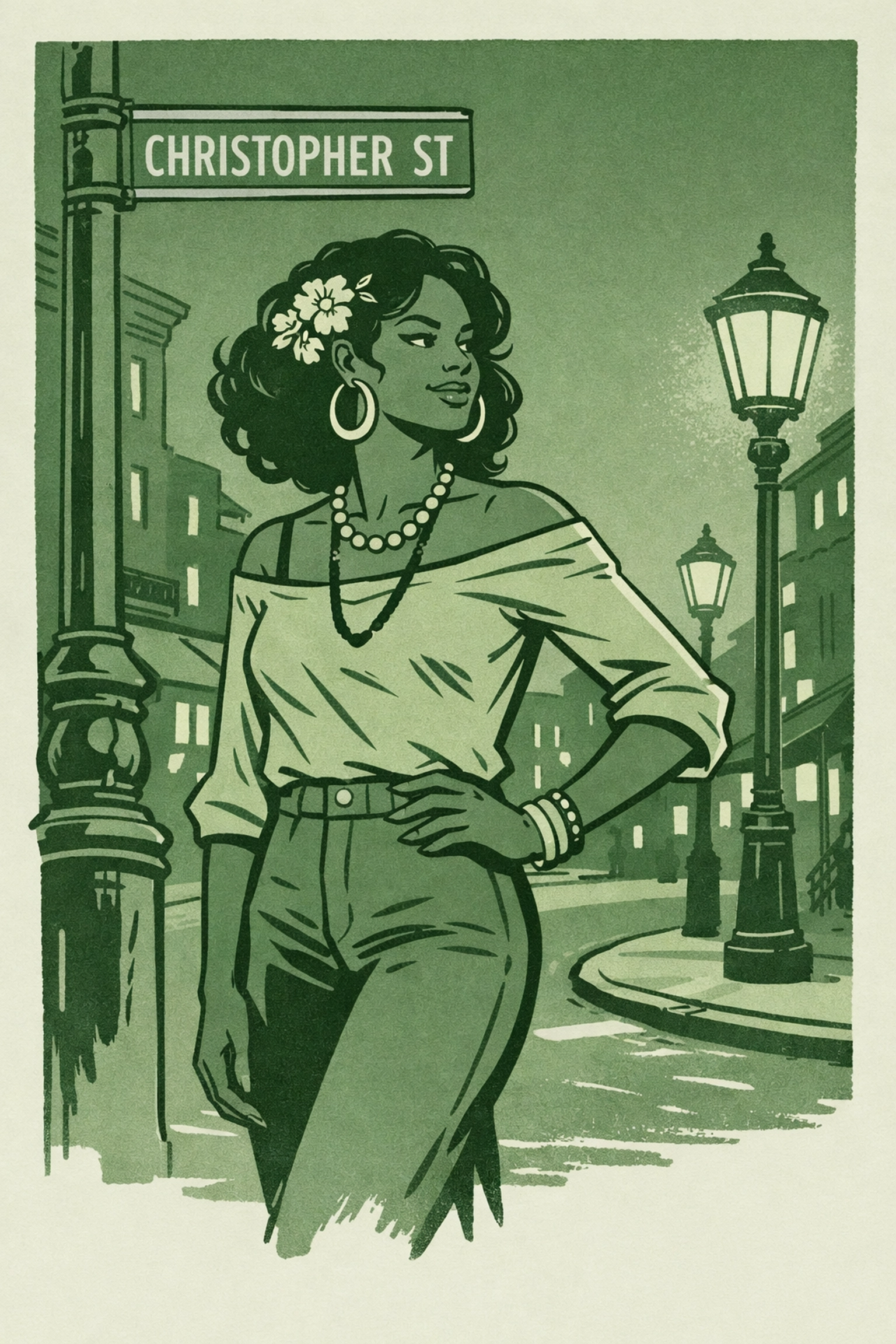
Marsha P. Johnson wasn't just an activist: she was a force of nature. Born August 24, 1945, this Black transgender woman became the beating heart of New York City's LGBTQ+ community and earned the title "Saint of Christopher Street" through decades of fearless advocacy, radical love, and unwavering commitment to the most marginalized.
Discover more inspiring LGBTQ+ stories at Read with Pride and explore our collection of gay fiction and MM romance books celebrating queer resilience.
Stonewall and the Birth of a Movement
The night of June 28, 1969, changed everything. When police raided the Stonewall Inn: a routine harassment that the community had endured countless times: something finally broke. Around 2 a.m., Marsha arrived with her friend Sylvia Rivera to find the riot already underway. While legend initially credited her with throwing the first brick, witnesses later confirmed she dropped a heavy object on a police car during the confrontation: a symbolic act of defiance that captured her spirit perfectly.
Marsha's presence at Stonewall wasn't just about that single night. It represented years of living authentically despite constant danger, of surviving police violence, of building community when society offered nothing but rejection. She embodied the raw courage that sparked the modern gay liberation movement.
For readers interested in historical LGBTQ+ narratives, check out The Berlin Companions, which explores queer resistance in another pivotal historical moment.
STAR: A Home for the Homeless
Following Stonewall, Marsha joined the Gay Liberation Front, but her most transformative work came in 1970 when she co-founded Street Transvestite Action Revolutionaries (STAR) with Sylvia Rivera. This wasn't a theoretical organization: it was survival work, revolutionary in its simplicity and necessity.
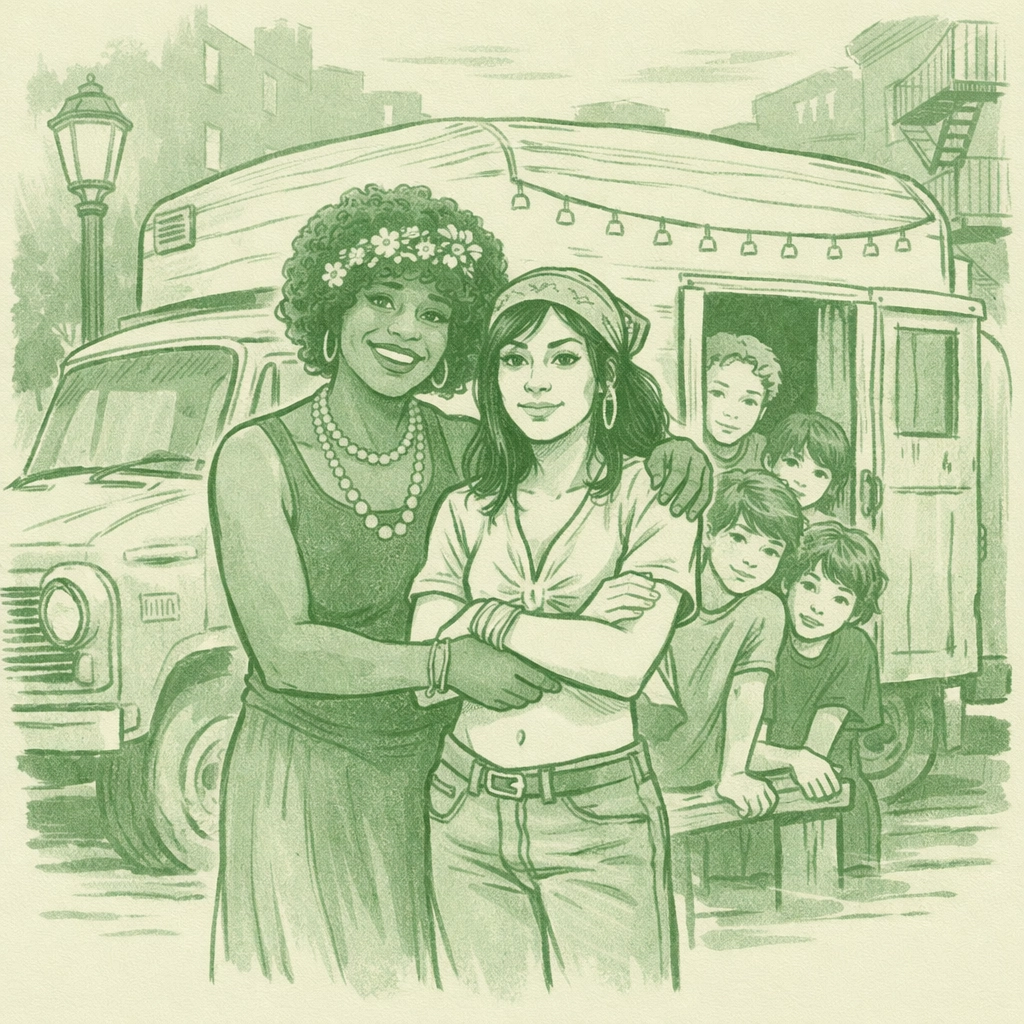
The first STAR House operated out of an abandoned truck in Greenwich Village. There, Marsha and Sylvia provided shelter for nearly 24 young transgender and gender-nonconforming individuals who'd been rejected by their families. As house mothers, they hustled nightly: doing sex work, begging, whatever it took: to ensure their residents had breakfast each morning.
This wasn't charity. This was radical mutual aid. This was family.
STAR represented everything mainstream gay liberation often ignored: the intersection of poverty, race, and gender identity. While others fought for marriage rights and military inclusion, Marsha fought for survival: for housing, for safety, for basic human dignity for the most vulnerable members of the queer community.
The P Stood for "Pay It No Mind"
Marsha's chosen middle initial: the "P" in her name: stood for "Pay It No Mind," her standard response to questions about her gender identity. This wasn't avoidance; it was philosophy. In an era before modern terminology, before "transgender" became widely used, Marsha lived her truth without needing anyone's permission or understanding.
She embraced multiple identities throughout her life: drag queen, gay man, transvestite, and what we'd now recognize as a transgender woman. The fluidity wasn't confusion; it was freedom. She wore flowers in her hair, dressed in vibrant colors, and radiated joy despite constant adversity.
Explore stories of authentic self-expression in our LGBTQ+ fiction collection at Read with Pride.

Living Through the Plague
When AIDS devastated the community in the 1980s, Marsha's resilience faced its greatest test. She watched friends die, attended countless funerals, and navigated the intersection of transphobia, homophobia, and a healthcare system that treated queer lives as disposable.
In 1990, Marsha herself was diagnosed with HIV. Rather than retreat, she amplified her activism, joining ACT UP (AIDS Coalition to Unleash Power) and speaking publicly about living with the disease. At a time when HIV status meant social death, when fear and stigma killed as surely as the virus itself, Marsha's visibility saved lives.
Her advocacy caught the attention of artist Andy Warhol, who featured her in his work: recognition that brought Marsha's message to broader audiences while highlighting the intersection of art, activism, and queer identity.
For those seeking contemporary stories about resilience and authenticity, The Silent Heartbeat offers a powerful MM romance exploring similar themes.
The Ongoing Fight for Justice
Throughout her life, Marsha experienced mental health challenges, periods of homelessness, and numerous arrests. She lived the precarity that defines so many trans lives, particularly trans women of color. Yet she never stopped organizing, never stopped showing up, never stopped being a beacon for others.
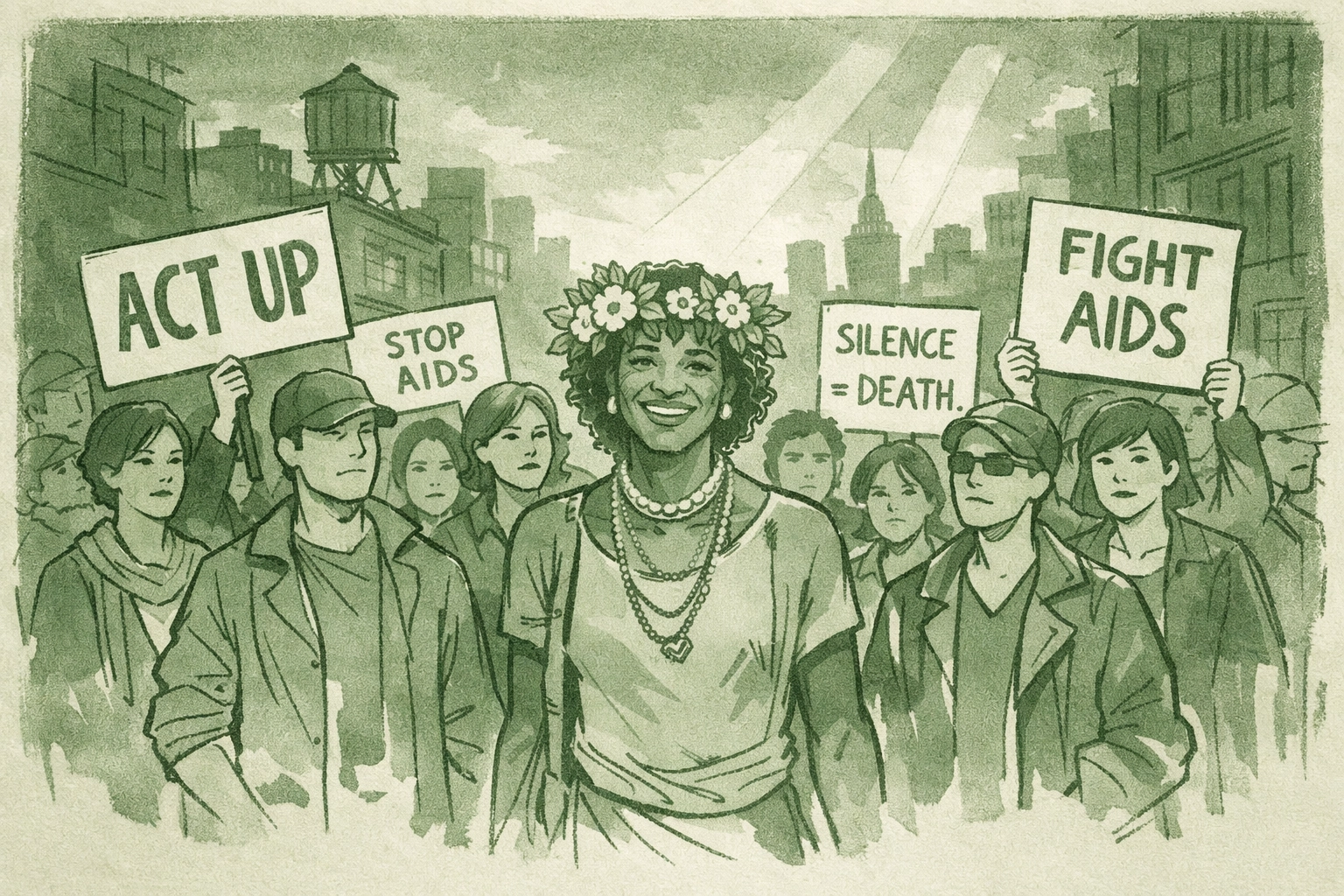
Her influence extended beyond her immediate community. Marsha paved "the foundation for the modern trans and queer liberation movements," inspiring generations of transgender activists, artists, and everyday people claiming their right to exist.
An Unresolved Ending
On July 3, 1992, Marsha's body was found floating in the Hudson River near the Christopher Street Pier. She was 46 years old. Police initially ruled it a suicide despite inconsistent evidence and witness accounts suggesting foul play. Her death remains shrouded in mystery, a painful reminder that even in death, transgender women: especially transgender women of color: are denied justice.
The fight to reopen Marsha's case continues, driven by activists who understand that justice delayed is justice denied. Her unsolved death represents the violence that still threatens transgender lives, the investigations that go nowhere when the victim is trans, the systemic devaluation of certain lives.
The Legacy Lives On
Marsha P. Johnson's legacy isn't confined to history books. She lives in every trans youth finding chosen family, every activist demanding housing justice, every person who refuses to hide. She's present in the continued fight for trans rights, in mutual aid networks supporting marginalized communities, in every act of radical love that says: you belong here.
Support LGBTQ+ voices and stories: visit dickfergusonwriter.com for MM romance, gay fiction, and queer literature celebrating resilience and love.
Today, when we see trans visibility increasing, when we celebrate Pride Month, when we acknowledge the ongoing struggle for transgender rights: we're standing on foundations Marsha built with her own hands, her own survival, her own refusal to be erased.

Read with Pride
Marsha's story reminds us that LGBTQ+ history isn't just about progress: it's about the individuals who risked everything, who created community from nothing, who mothered a generation of outcasts. Her life challenges us to examine whose voices we center, whose struggles we prioritize, whose deaths we investigate.
Discover more transformative LGBTQ+ narratives:
- Explore our gay romance books collection
- Read about coming out journeys in Beyond the Closet Door
- Find your next MM romance at Read with Pride
Follow us on social media for daily LGBTQ+ content, book recommendations, and queer history:
📱 Instagram: @dickfergusonwriter
🐦 X/Twitter: @DickFergus94902
📘 Facebook: Dick Ferguson Writer
🌈 Website: readwithpride.com
#MarshaPJohnson #TransHistory #LGBTQHistory #ReadWithPride #QueerFiction #GayBooks #MMRomance #TransRights #StonewallRiots #LGBTQActivism #QueerLiterature #GayRomanceBooks #TransVisibility #PrideMonth #LGBTQEbooks #GayFiction #QueerAuthors #ReadingWithPride #LGBTQCommunity #TransLivesMatter

Leave a Reply
You must be logged in to post a comment.