

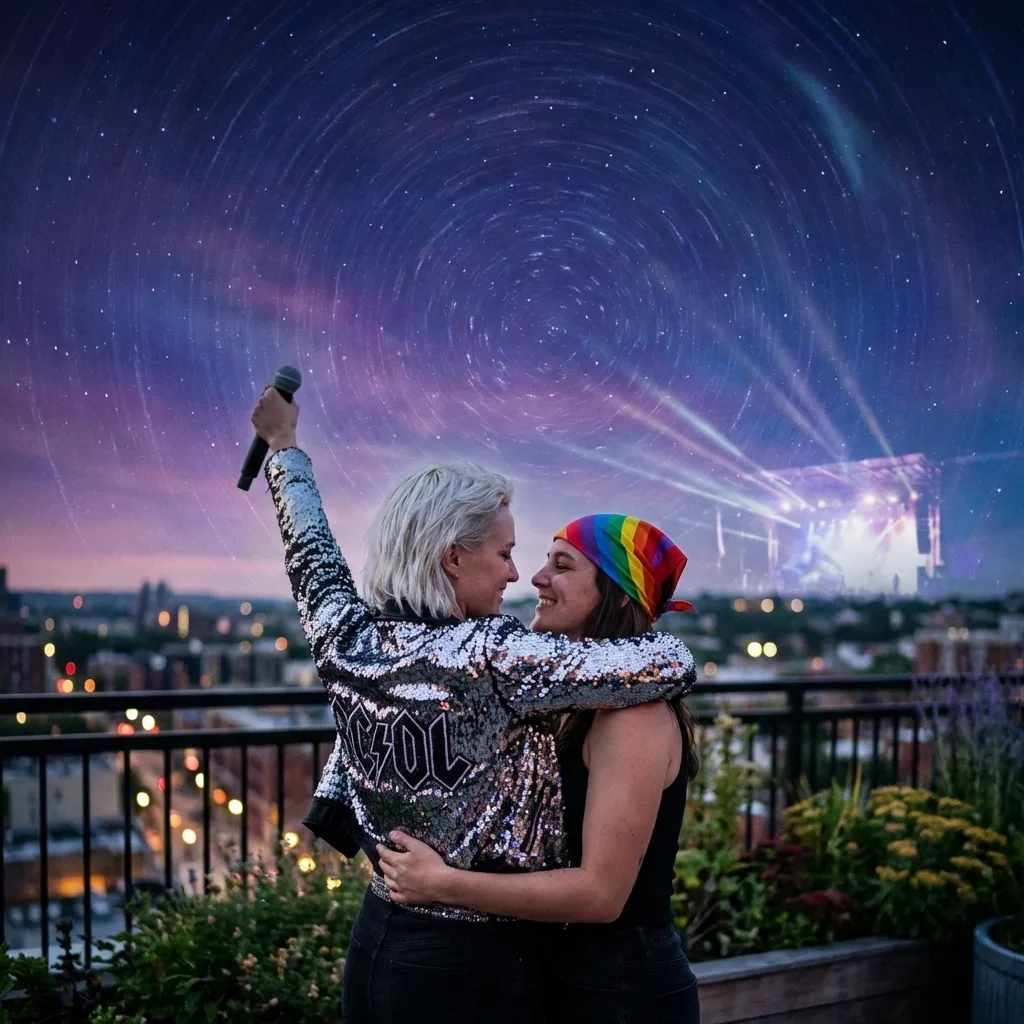
When Miley Cyrus dropped "Midnight Sky" in August 2020, she wasn't just releasing another banger, she was reclaiming her narrative in the most unapologetic way possible. The song became an instant anthem for anyone who's ever been told they're "too much," "too fluid," or "too complicated" to fit into neat little boxes. And let's be real, in a world that's obsessed with labeling everything, Miley stood firm in the messy, beautiful middle ground that so many of us in the LGBTQ+ community know all too well.
The Journey from Hannah Montana to Pansexual Icon
Remember when Miley was America's sweetheart, rocking that blonde wig and living that double life on Disney Channel? Yeah, we've all come a long way since then. Miley's evolution from squeaky-clean teen star to one of the most authentic voices in pop music mirrors the journey many queer folks take, shedding expectations, embracing complexity, and eventually saying "screw it" to anyone who can't handle the real you.
What makes Miley stand out isn't just her willingness to experiment with sound, style, or identity, it's her refusal to perform a consistent narrative for public consumption. She's been country, pop, punk, psychedelic rock, and everything in between. She's dated men and women openly. She's been married, divorced, and proudly single. And through it all, she's maintained that what matters most is living authentically, even when the cameras are rolling.
This kind of visibility matters immensely for LGBTQ+ representation. When you've grown up reading gay romance novels or searching for queer fiction that reflects your experience of not fitting into simple categories, seeing someone like Miley own her fluidity on the world stage feels revolutionary.
"Midnight Sky" as Liberation Anthem
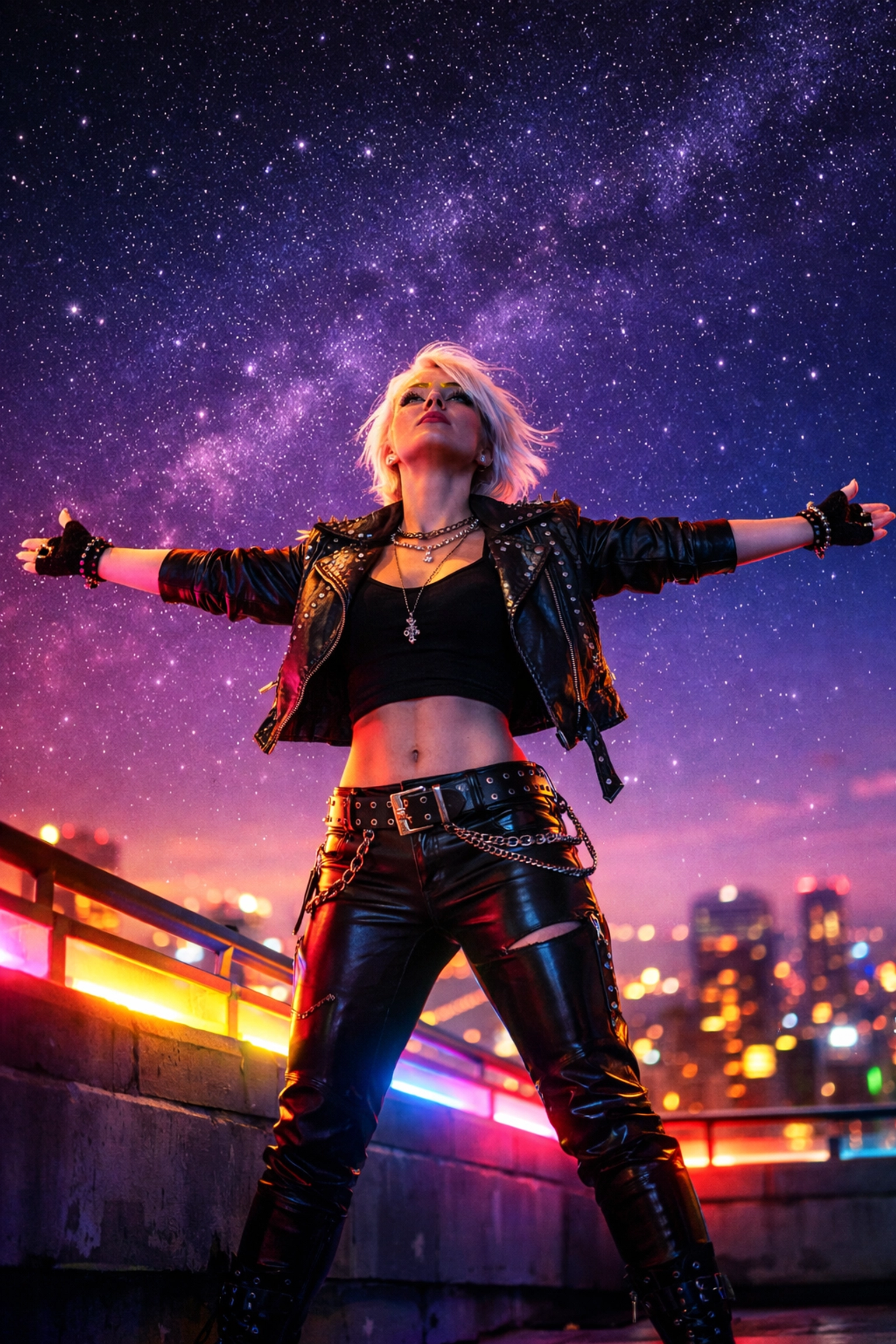
The opening lines of "Midnight Sky" hit different: "Yeah, it's been a long night, and the mirror's telling me to go home / But it's been a long time since I felt this good on my own." There's something deeply queer about that sentiment: the recognition that sometimes the best relationship you can have is with yourself, and that liberation often comes from walking away from situations that require you to shrink or perform.
Miley wrote the song in the aftermath of her divorce from Liam Hemsworth and the subsequent media frenzy around her personal life. But instead of falling into the typical "breakup ballad" trap, she flipped the script. "I don't need to be loved by you" isn't just about romantic rejection: it's about rejecting the entire apparatus of external validation that celebrity culture demands.
For those of us who consume MM romance and gay fiction, this theme resonates deeply. How many gay love stories center on characters learning they don't need society's approval to live their truth? How many MM novels feature protagonists choosing self-acceptance over conformity? Miley's anthem captures that same energy: the moment you realize you're enough, exactly as you are.
She also directed the music video herself, marking her first time taking complete creative control over her visual presentation. That choice matters. It's not just about artistic vision: it's about refusing to let others define how your story gets told. In an industry that has historically demanded LGBTQ+ artists either stay closeted or play to stereotypes, Miley's hands-on approach to her image represents genuine agency.
Pansexuality and Purposeful Visibility
Here's where Miley's impact gets even more significant: she didn't just casually mention her pansexuality in passing. She deliberately designed "Midnight Sky" as an anthem for pansexual visibility. In interviews, she explained that she wanted to create something for people "living in fear of rejection over their authentic selves." That's not performative allyship: that's someone using their massive platform to normalize identities that mainstream media still struggles to understand or represent accurately.
Pansexuality, for those unfamiliar, refers to attraction to people regardless of gender identity. It's distinct from bisexuality (though definitions vary and personal interpretation matters most) and represents a recognition that gender is more complex than binary categories suggest. For a major pop star to not only identify this way but to explicitly center that identity in her work? That's powerful representation.
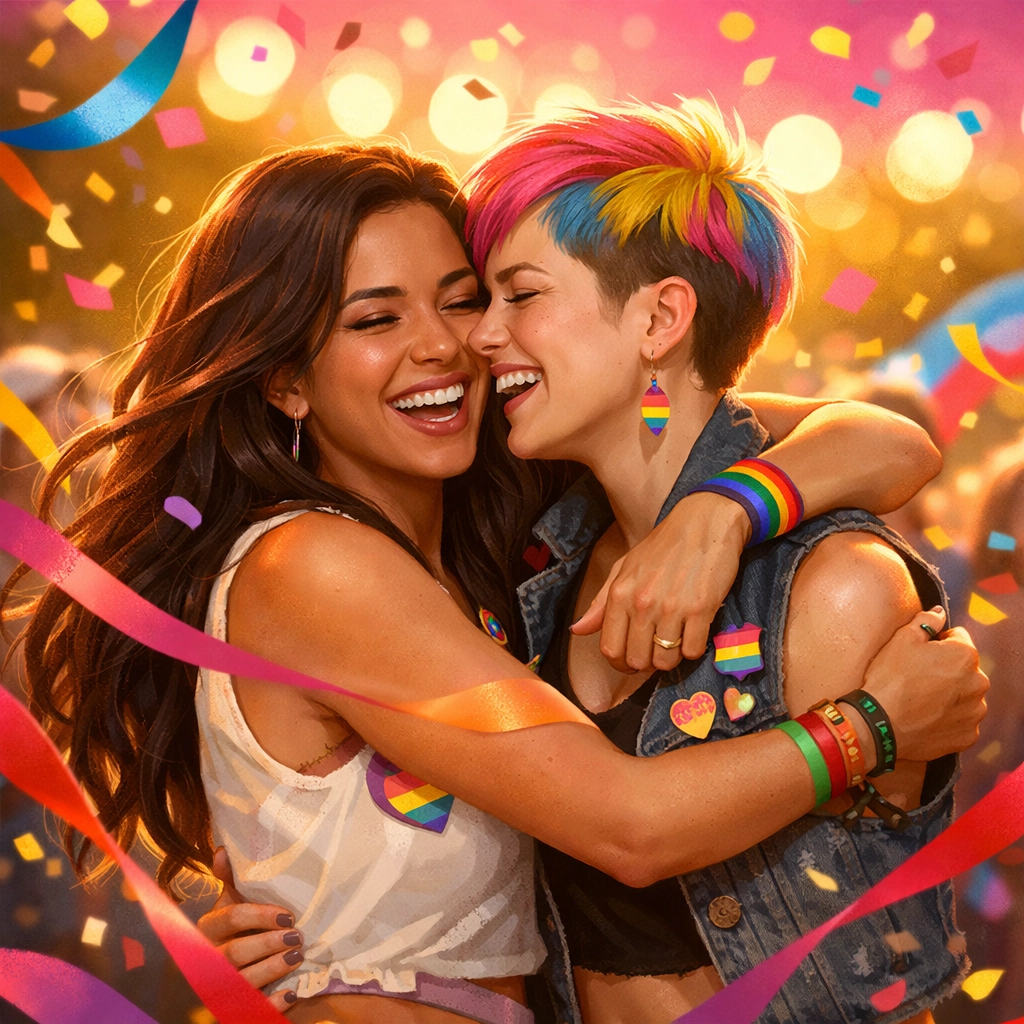
Think about how hard it is to find authentic LGBTQ+ fiction that represents the full spectrum of queer identities. Bisexual and pansexual characters often get erased or written as "confused" in mainstream media. Even in queer romance books, we sometimes default to simpler narratives. Miley's visibility challenges that erasure by simply existing loudly and proudly as herself.
Why Fluidity Matters for Modern Queer Narratives
The concept of fluidity: whether in sexuality, gender expression, or personal identity: sits at the heart of contemporary LGBTQ+ experience. We're living in a moment where younger generations increasingly reject rigid categories in favor of more nuanced self-understanding. Miley's entire career trajectory embodies this shift.
She's not "the pansexual pop star" or "the former Disney princess gone wild." She's all of it, simultaneously, and she refuses to apologize for the contradictions. That messiness, that complexity, that refusal to be easily digestible: that's the future of representation.
For readers of MM romance books and gay literature, this matters because it expands what we understand as possible for queer narratives. The best contemporary gay romance doesn't flatten characters into simple archetypes. It embraces complexity, contradiction, and growth. It recognizes that people evolve, that sexuality can be fluid, that there's no single "right way" to be queer.
When we see major artists like Miley living that complexity publicly, it gives permission for storytellers: and readers: to demand more nuanced, authentic representation in the LGBTQ+ romance we consume.
The Bigger Picture: Allies and Icons
Miley isn't alone in this, of course. She stands alongside artists like Lady Gaga, Cher, Madonna, and countless others who've used their platforms to advocate for LGBTQ+ rights and visibility. But what sets this generation of artists apart is their willingness to complicate the ally narrative. Miley isn't just supporting the community from outside: she's explicitly part of it, living her queerness publicly while also acknowledging her privilege and platform.
This matters for how we think about representation in media, including the gay books and MM fiction we read. The most powerful stories often come from complexity rather than simplicity. They come from artists and writers willing to explore the messy middle, the contradictions, the moments when identity doesn't fit neat categories.
At Read with Pride, we celebrate stories that honor this complexity: gay romance novels that push boundaries, queer fiction that challenges expectations, MM contemporary romance that reflects the full spectrum of LGBTQ+ experience. Artists like Miley remind us why this work matters and why authentic representation will always trump polished, sanitized narratives designed to make straight audiences comfortable.
Living Your Own Midnight Sky
Ultimately, "Midnight Sky" is about agency: the power to define yourself on your own terms, regardless of what others expect. For LGBTQ+ folks, that's not just an aesthetic choice or a pop culture moment. It's survival. It's the daily work of existing authentically in a world that often demands conformity.
Whether you're discovering new gay releases that speak to your experience, following Miley's journey as she continues to evolve, or simply trying to live your truth in your own corner of the world, the message remains the same: you don't need to be loved by them. You need to be loved by you.
And sometimes, the best thing you can do is stand in your own midnight sky, own every contradiction, and refuse to apologize for the fullness of who you are.
Discover more LGBTQ+ stories and representation at Read with Pride ✨
Connect with us: Facebook | Instagram | X/Twitter
#ReadWithPride #MileyCyrus #MidnightSky #LGBTQRepresentation #PansexualVisibility #QueerIcon #MMRomance #GayRomanceBooks #LGBTQFiction #QueerFiction #GayBooks #AuthenticityMatters #LGBTQAdvocacy #QueerCommunity #FluidIdentity #2026LGBTQ #PopCultureRepresentation #GayLiterature #MMRomanceBooks #ReadWithPride2026

Leave a Reply
You must be logged in to post a comment.