

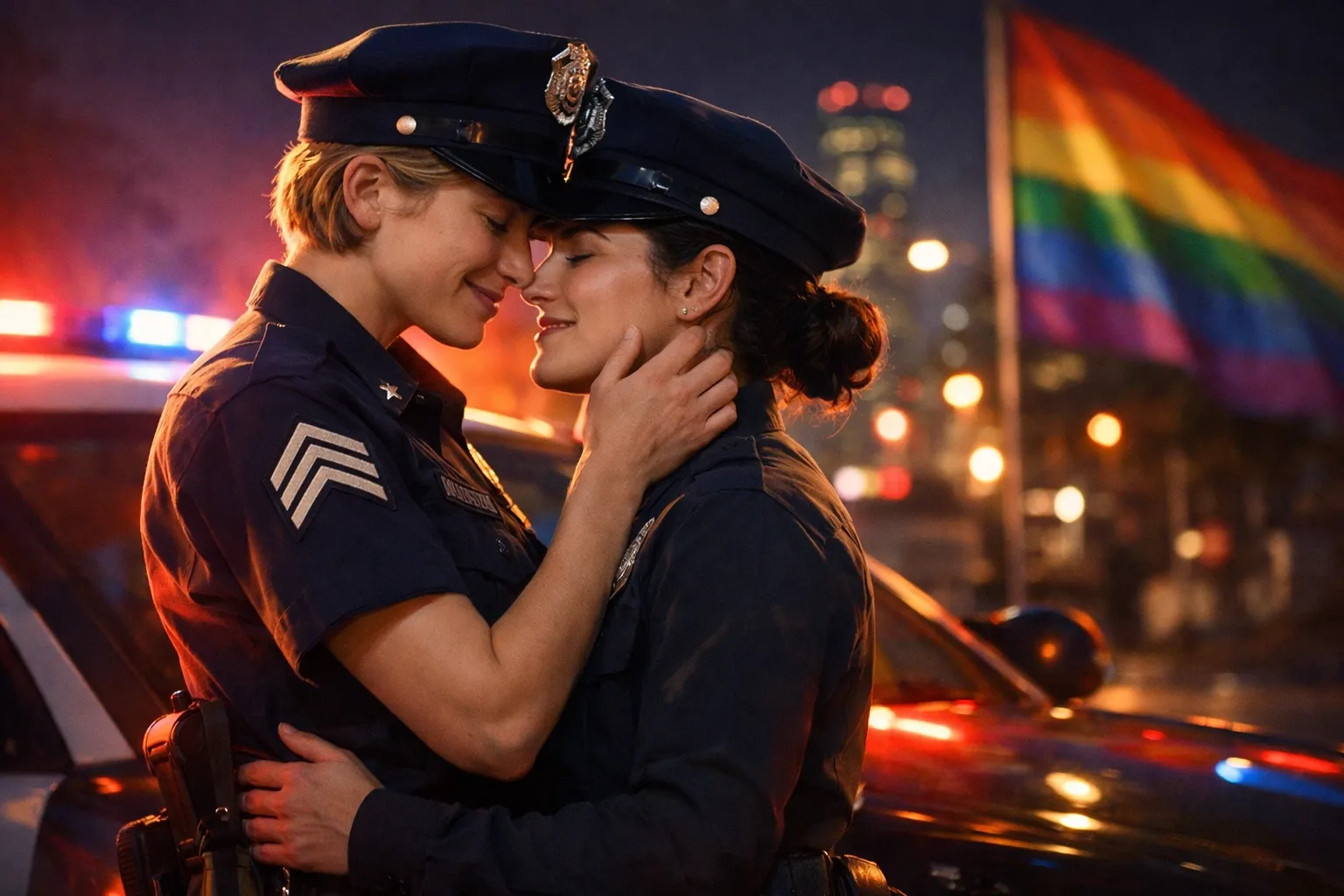
There's something undeniably electric about two people confined to a small space for hours on end, adrenaline pumping, trust building with every mile. Add in the authority of a uniform, the intimacy of night shift vulnerability, and you've got one of the most enduring fantasies in queer culture, and increasingly, one of the most authentic stories being told in MM romance books.
Welcome to story #20 in our "Uniforms & Desire" series, where we're exploring the magnetic pull of police officers, the forced proximity trope that makes our hearts race, and why patrol car chemistry has become such a beloved theme in gay romance novels.
The Fantasy: Proximity, Protection, and Power
Let's be real, there's a reason the "hot cop" fantasy persists across all orientations and identities. The uniform represents authority, protection, and a certain swagger that's hard to ignore. But for queer readers and writers, the patrol car scenario adds layers of complexity that make it irresistible.
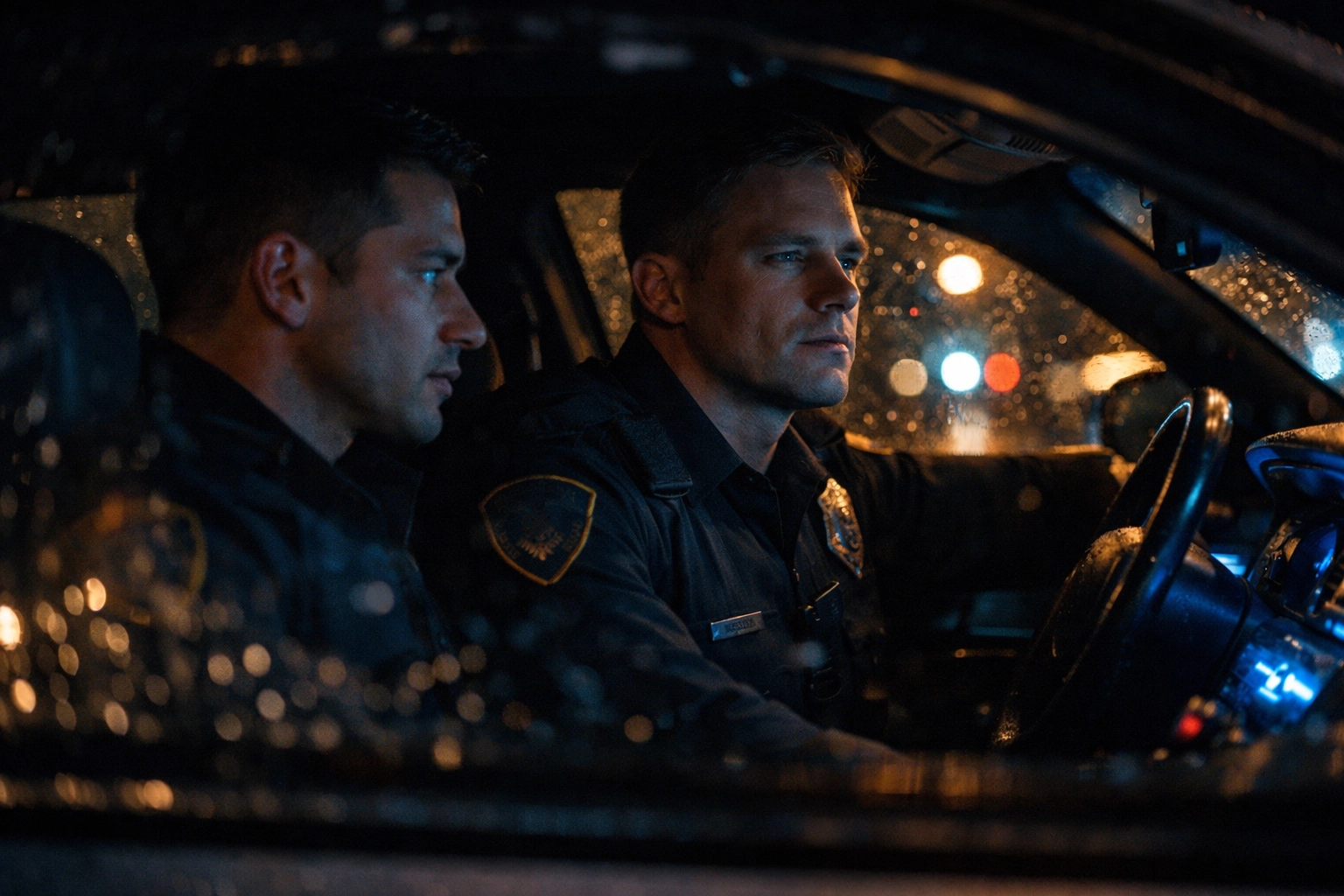
Two officers. One vehicle. Eight to twelve hours of darkness, danger, and downtime. It's the ultimate forced proximity setup, and anyone who's ever devoured gay romance knows that forced proximity is romance gold.
In the confined space of a patrol car, there's nowhere to hide. Every glance lingers a little longer. Every accidental touch carries weight. The banter becomes sharper, more personal. And when the adrenaline rush of a call fades, that's when the real tension begins, the kind that has nothing to do with the job and everything to do with the person sitting three feet away.
The night shift amplifies everything. Darkness creates intimacy. Fewer supervisors mean more freedom to be yourselves. The world feels smaller, more contained, like it's just the two of you against everything else. And for queer officers navigating workplace dynamics that might not always be accepting, that shared vulnerability can forge bonds deeper than most partnerships.
The Reality: Authenticity in Uniform
But here's where the fantasy meets something even more powerful, reality. Because while the "two hot cops fall for each other" trope makes for excellent MM contemporary romance, actual LGBTQ+ officers have been living complex, courageous stories long before they became fiction favorites.
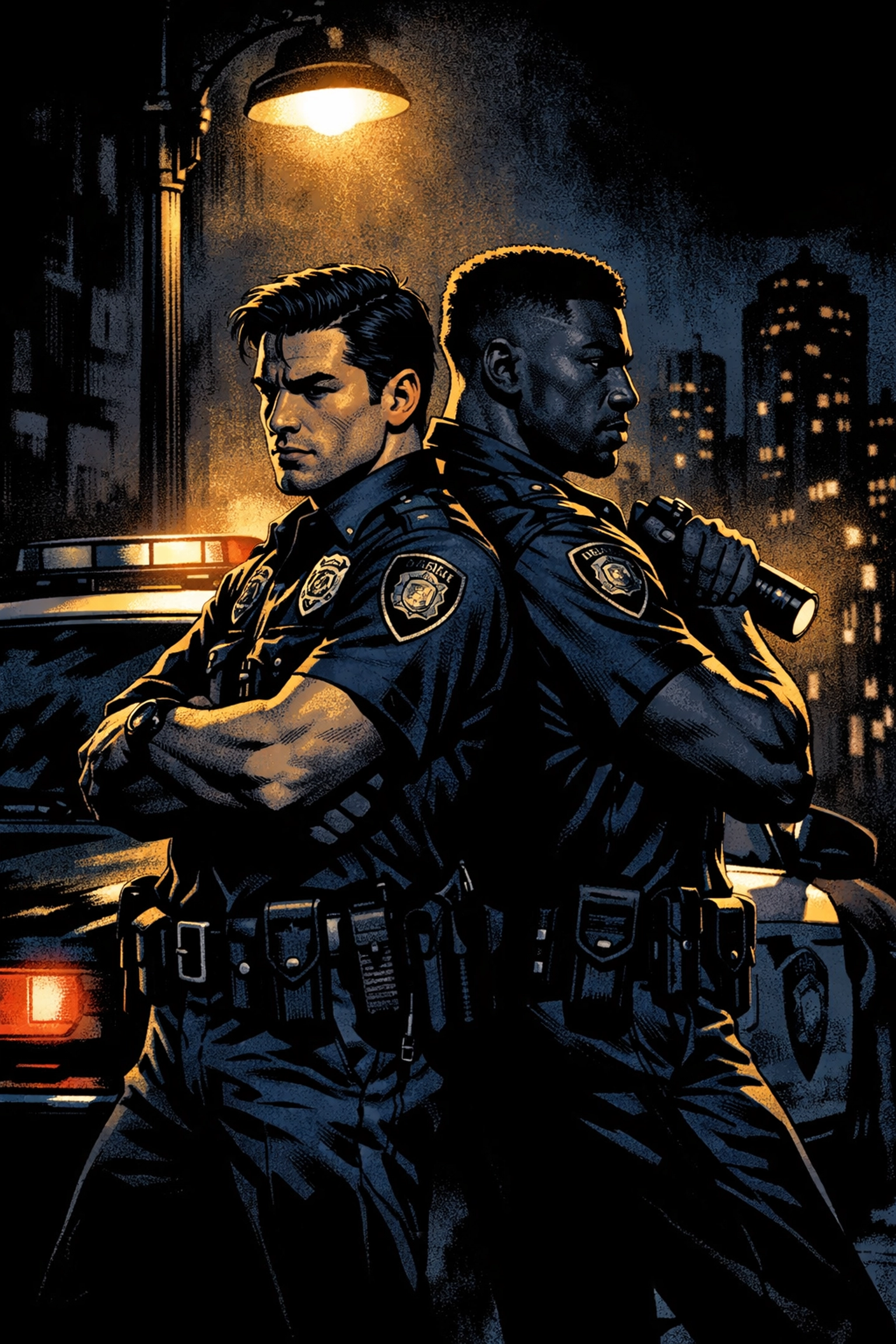
Real patrol partnerships require trust on a level most civilians never experience. Your partner literally watches your back. They're the person who runs toward danger with you, who knows your tells when stress hits, who's seen you at your most vulnerable. That level of intimacy creates bonds that can easily blur into something more, and in many cases, does.
The difference for queer officers? They've historically had to navigate an additional layer: Will this person accept me? Can I trust them with my whole self? What happens if these feelings become more than professional?
Today's police forces are (slowly, unevenly, but progressively) becoming more inclusive spaces. Out officers are serving openly in departments across the country and around the world. Pride patches exist. LGBTQ+ police associations provide support and community. And yes, sometimes patrol partners do become life partners.
The stories we tell in gay fiction honor both the fantasy and the reality: the sexy tension of attraction in close quarters and the genuine challenges of being queer in a traditionally masculine, hierarchical profession.
Why Forced Proximity Works (Especially in Blue)
Romance writers and readers know that forced proximity is one of the most effective tropes for building tension and authentic connection. But why does it work so well in the patrol car scenario specifically?
The Pressure Cooker Effect: High-stress situations create accelerated intimacy. When you're making split-second decisions together, seeing each other handle crisis after crisis, the emotional walls come down faster.
The Downtime Contrast: Between calls, there are hours of quiet conversation. That's when partners learn about each other's lives, dreams, fears, families. It's when the person behind the badge becomes fully human: and fully attractive.
The Trust Factor: In MM romance books, we love a good "only one bed" scenario. Patrol partnerships are "only one car" for hours at a time. You learn someone's habits, their quirks, their coffee order, the way they hum along to the radio. Intimacy isn't always about grand gestures: sometimes it's about knowing someone's comfort with silence.
The Uniform Paradox: The uniform represents conformity, but underneath it are individuals with their own identities, orientations, and desires. The tension between the public persona and private truth creates delicious narrative possibilities.
From Fantasy to Fiction: Finding Your Fix
If you're craving more patrol car chemistry, the gay romance genre has you covered. The subgenre of "cops in love" MM novels has exploded in recent years, offering everything from sweet, slow-burn partners-to-lovers stories to steamy, high-heat romantic suspense.
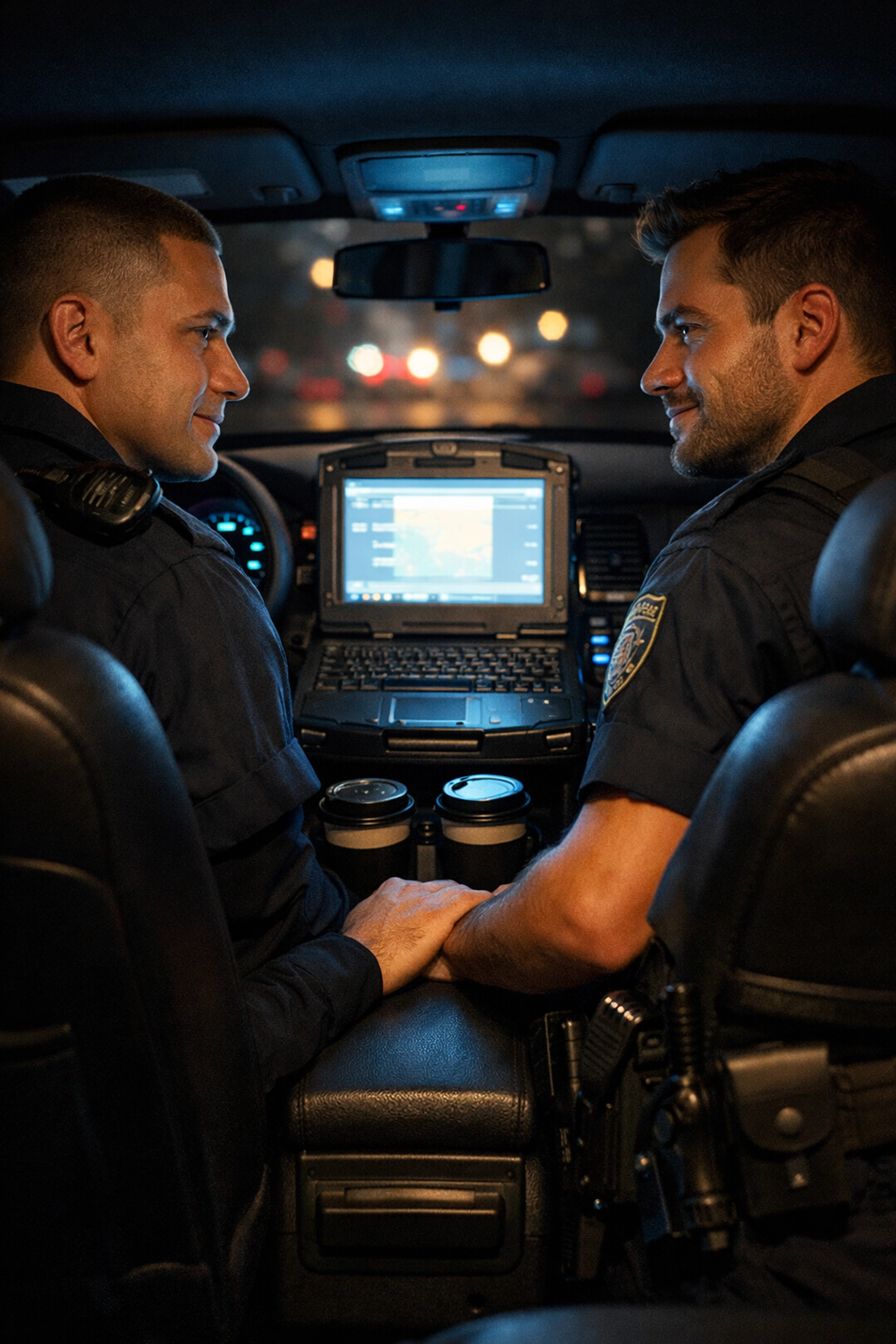
Look for books that incorporate the forced proximity trope alongside realistic police procedural elements. The best MM fiction in this category doesn't just use the uniform as window dressing: it explores what it actually means to be a queer person in law enforcement, the challenges and triumphs, the found family of fellow officers, and the unique pressures of dating within or outside the department.
At Readwithpride.com, we celebrate stories that honor both fantasy and authenticity: tales that make your heart race while also making you feel seen. Whether you're drawn to protective alpha cops, vulnerable rookies finding their place, or seasoned partners who've been circling each other for years, there's an LGBTQ+ romance waiting for you.
Beyond the Badge: Why Representation Matters
Here's the thing about uniform fantasies: they're fun, they're hot, and they tap into deep psychological desires around protection, authority, and attraction. But they also represent something more significant: visibility.
Every time we tell a story about queer cops, queer firefighters, queer soldiers, or queer medical professionals, we're normalizing LGBTQ+ presence in spaces that have historically excluded us. We're saying that queer people aren't just worthy of protection: we are the protectors. We don't just deserve to be rescued: we do the rescuing.
The patrol car chemistry story isn't just about two attractive people in uniform falling in love. It's about claiming space in narratives that haven't always included us. It's about showing young LGBTQ+ readers that they can aspire to any profession, any role, any dream: and find love along the way.
The Night Shift Continues
Whether your patrol car fantasy involves slow-burn yearning over months of partnership, a one-night stakeout that changes everything, or the moment when banter turns to something more dangerous than any call they'll ever respond to: the gay romance novels exploring these themes are out there, waiting to be discovered.
The beauty of MM romance books is that they take our fantasies seriously. They give them depth, context, and authenticity. They acknowledge the appeal while also honoring the reality of LGBTQ+ lives and loves.
So buckle up, grab your favorite queer fiction, and let yourself enjoy the ride. Because some partnerships are meant for more than just the night shift: they're meant for forever.
Ready to explore more uniform fantasies and the stories behind them? Follow our series and discover your next favorite MM contemporary romance at Readwithpride.com.
Connect with us:
📘 Facebook
🐦 Twitter/X
📸 Instagram
#ReadWithPride #MMRomance #GayRomance #ForcedProximity #UniformFantasy #PoliceRomance #LGBTQFiction #GayRomanceBooks #MMContemporary #QueerFiction #GayLoveStories #2026GayBooks #PatrolPartners #MMRomanceBooks #LGBTQEbooks #GayNovels #RomanticTension #NightShiftRomance

Leave a Reply
You must be logged in to post a comment.