
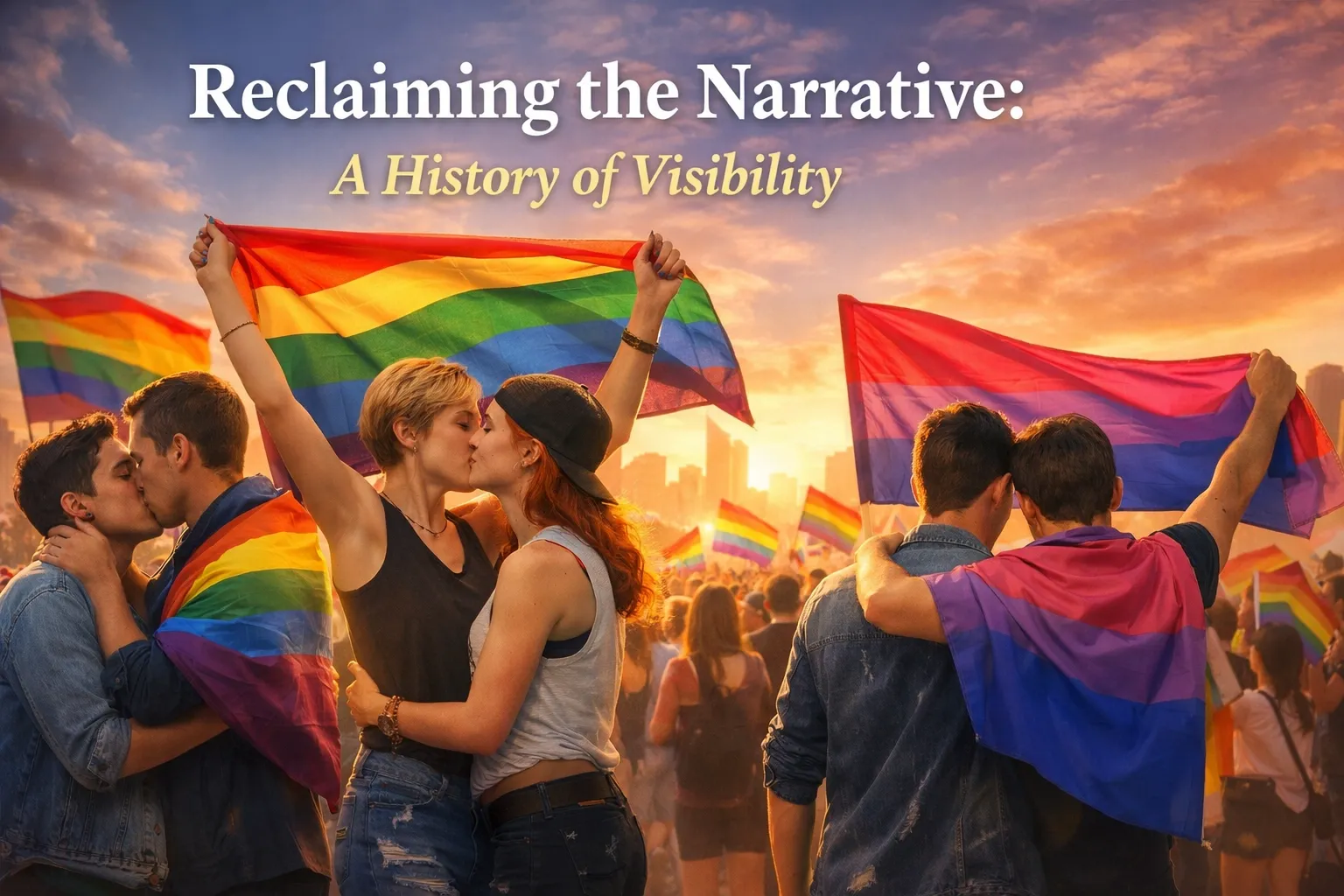
If you've ever watched Eurovision and felt that electric, undeniably queer energy crackling through the performances, you're not imagining things. The Eurovision Song Contest has quietly: and sometimes not so quietly: become one of Europe's most spectacular platforms for LGBTQ+ visibility. But how did a singing competition transform into a safe space for queer expression? The journey from Europe's darkest chapters to glitter-soaked Saturday nights is a story worth telling.
From Erasure to Celebration
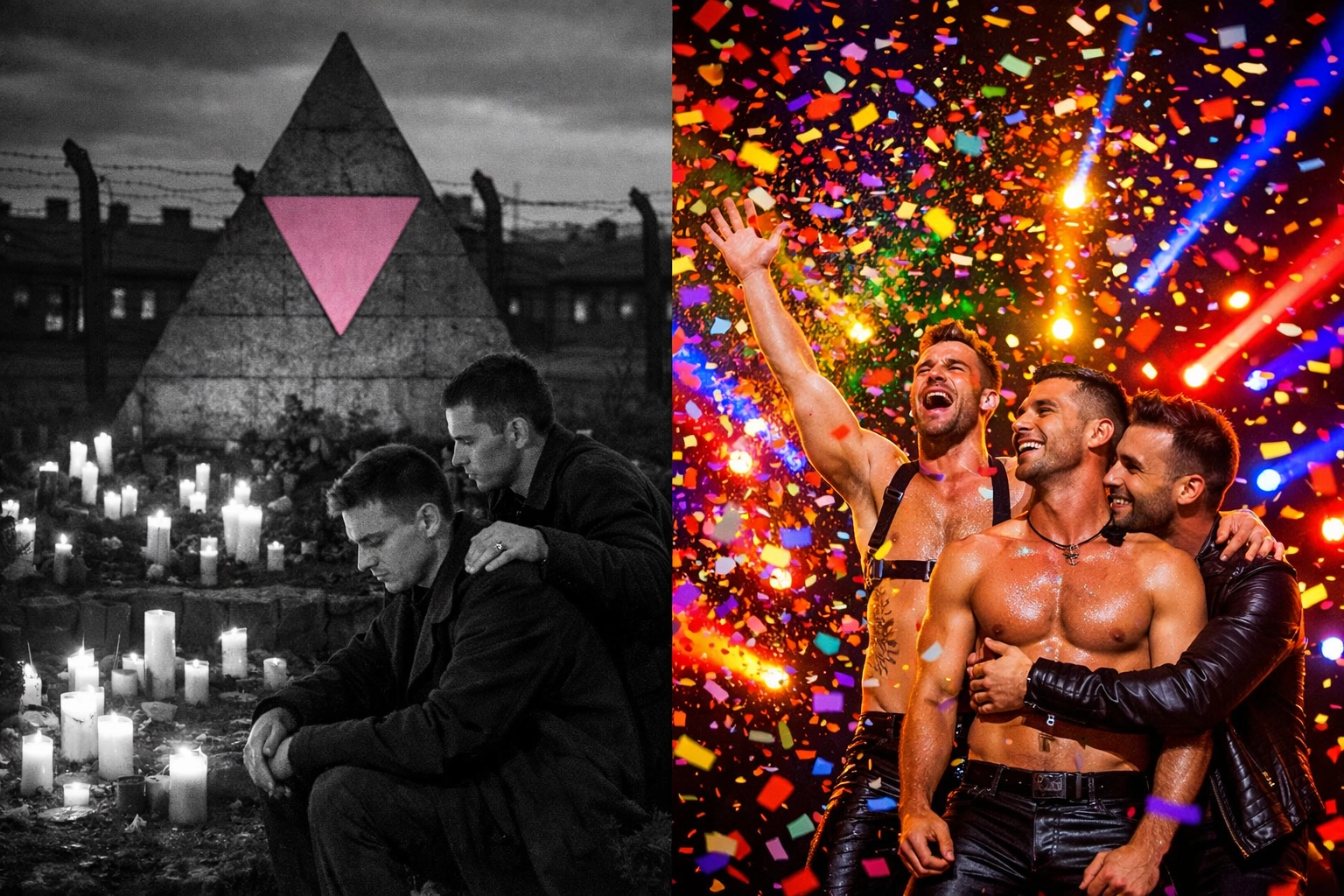
Let's rewind to a time when being openly gay in Europe could cost you everything. The pink triangle: a symbol that began as a Nazi concentration camp badge marking homosexual prisoners: represents one of the continent's most painful legacies. Thousands of LGBTQ+ people were persecuted, imprisoned, and killed simply for existing. After the war, many countries maintained anti-sodomy laws well into the 1960s and beyond. Queer people lived in shadows, their stories untold, their identities suppressed.
Then came Eurovision. First broadcast in 1956, it started as a modest experiment in international cooperation through music. Nobody could have predicted it would evolve into what many affectionately call "the gay Super Bowl." But here's the thing about LGBTQ+ communities: we've always found ways to create spaces where we can be ourselves, even in the most unlikely places.
The Glittery Trojan Horse
Eurovision didn't announce itself as a queer space. It became one organically. The contest's emphasis on theatricality, camp aesthetics, and over-the-top performances naturally attracted LGBTQ+ artists and audiences. While mainstream society was still clutching its pearls about homosexuality, Eurovision was serving us drag-adjacent costumes, dramatic ballads, and performances that winked knowingly at queer audiences.
Think about it: where else in the 1970s and 80s could you see gender-bending performances broadcast into millions of conservative living rooms across Europe? Eurovision became a glittery Trojan horse, smuggling queer aesthetics and sensibilities into the mainstream. The contest celebrated difference when the world was demanding conformity.
Key Moments That Changed Everything
Dana International's victory in 1998 marked a seismic shift. The Israeli trans woman's win with "Diva" wasn't just a musical triumph: it was a declaration that LGBTQ+ people belong on the world's biggest stages. Her performance challenged transphobia and proved that authentic queer representation could capture hearts across borders and cultures.
Fast forward to Conchita Wurst's 2014 victory with "Rise Like a Phoenix." The bearded drag queen from Austria didn't just win a singing competition; she sparked conversations about gender, identity, and acceptance in countries where those discussions were actively suppressed. Her win came at a time when Russia had recently passed anti-gay propaganda laws, making her visibility even more politically charged and necessary.
More Than Entertainment
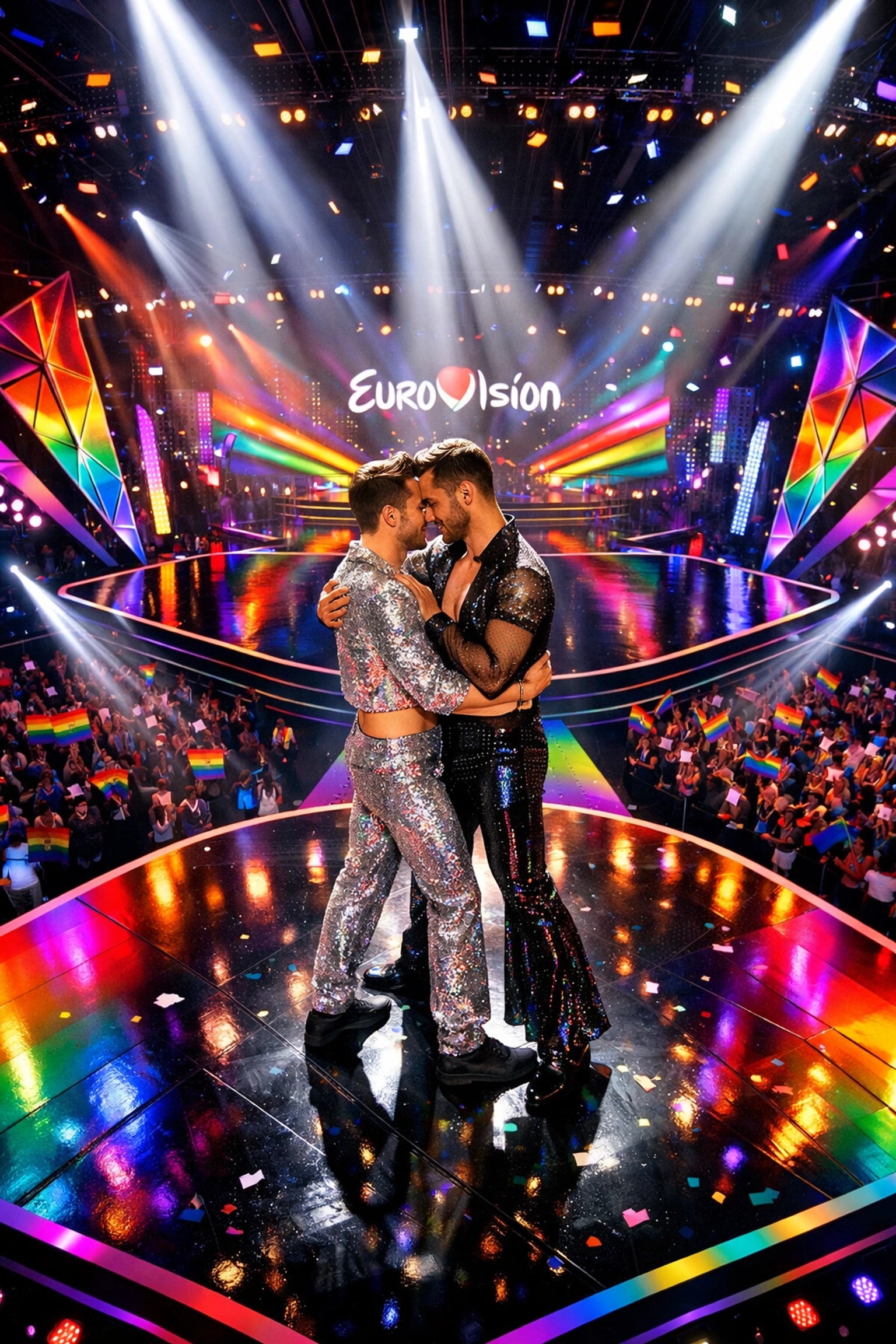
Eurovision has given us openly gay winners like Finland's Måns Zelmerlöw, queer anthems like Iceland's "Hate Will Prevail" (a middle finger to homophobia if there ever was one), and countless moments of gender-fluid fashion and performance that mainstream pop culture would take years to catch up with.
But it's not just about the winners. Eurovision creates space for queer artists from countries where being out could endanger their lives. It offers visibility to LGBTQ+ communities in Eastern Europe and beyond, showing young queer people that they're not alone. When Read with Pride publishes LGBTQ+ fiction and queer literature, we're part of this same tradition: creating spaces where our stories matter.
The Rainbow Reclamation
The transformation from the pink triangle of persecution to the rainbow flag of pride mirrors Eurovision's own evolution. What started as a modest song contest has become an annual celebration where queer aesthetics aren't just tolerated: they're celebrated, amplified, and broadcast to 200 million viewers worldwide.
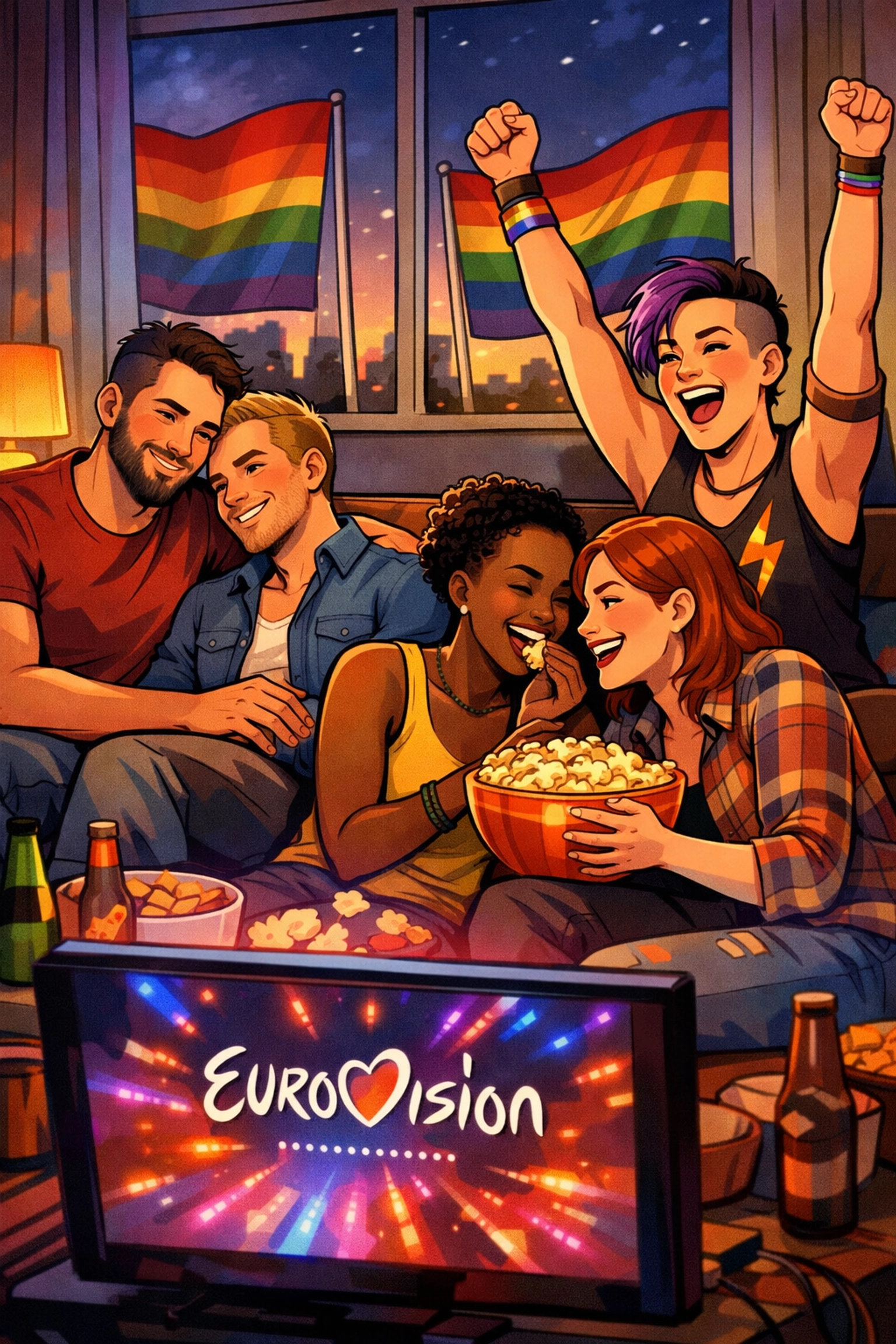
Modern Eurovision actively courts its LGBTQ+ audience. Host cities organize Pride events around the contest. Artists use the platform to advocate for queer rights. The green room sparkles with more sequins than a Pride parade, and nobody's apologizing for it. This isn't accidental; it's reclamation in action.
Why This History Matters
Understanding Eurovision's role in LGBTQ+ visibility helps us appreciate how cultural spaces can shift narratives. For decades, queer stories were silenced, hidden, or told through coded language. Today, thanks to platforms like Eurovision: and yes, LGBTQ+ publishers like Readwithpride.com: we're reclaiming our narratives and telling our own stories.
This matters whether you're watching Eurovision, reading MM romance books, or discovering gay fiction that resonates with your experience. Every space where LGBTQ+ people can exist authentically, express themselves freely, and see their identities celebrated contributes to that larger narrative shift.
The journey from pink triangles to rainbow flags wasn't easy or linear. It required courage from artists willing to be visible when visibility was dangerous. It demanded allies who championed queer participation even when it wasn't popular. And it needed audiences: people like us: who showed up, voted, and made it clear that LGBTQ+ representation matters.
Looking Forward
Eurovision in 2026 looks nothing like the contest that premiered seventy years ago. Today's performances openly celebrate queerness in ways that would have been unthinkable: and frankly illegal: in many participating countries just decades ago. Artists can dedicate songs to same-sex partners, discuss their identities openly, and embrace aesthetics that blur gender lines without fear.
This visibility extends beyond the contest itself. Eurovision has inspired countless young LGBTQ+ people to pursue music, performance, and creative careers. It's shown that commercial success and authentic queer identity aren't mutually exclusive. And it's proven that when given the space, LGBTQ+ artists create magic that resonates across languages, cultures, and borders.
Your Story Matters Too
Just as Eurovision provides a platform for LGBTQ+ visibility in music, spaces like Read with Pride ensure our stories exist in literature. Whether you're into gay romance novels, MM contemporary fiction, or queer historical narratives, every story published and read is part of this reclamation.
The shift from persecution to pride didn't happen overnight, and it's not finished. But when we look at how far we've come: from the horrors symbolized by pink triangles to the joy represented by rainbow flags and glitter cannons at Eurovision: we can see the power of visibility. We can measure progress in the spaces where we're allowed to exist, celebrate, and tell our own stories.
So the next time you watch Eurovision and feel that unmistakable queer energy, remember: you're witnessing more than entertainment. You're watching history continue to unfold, narratives continue to be reclaimed, and visibility continue to expand. And that's worth celebrating. 🌈
Want more LGBTQ+ stories and perspectives? Explore our collection of gay fiction, MM romance books, and queer literature at Readwithpride.com. Follow us on Facebook, Instagram, and X for daily doses of LGBTQ+ content and book recommendations.
#ReadWithPride #LGBTQVisibility #EurovisionHistory #QueerCulture #MMRomance #GayFiction #LGBTQBooks #QueerNarratives #PrideMonth #GayRomanceBooks #LGBTQLiterature #QueerStories #EurovisionSongContest #LGBTQHistory #AuthenticRepresentation

Leave a Reply
You must be logged in to post a comment.