
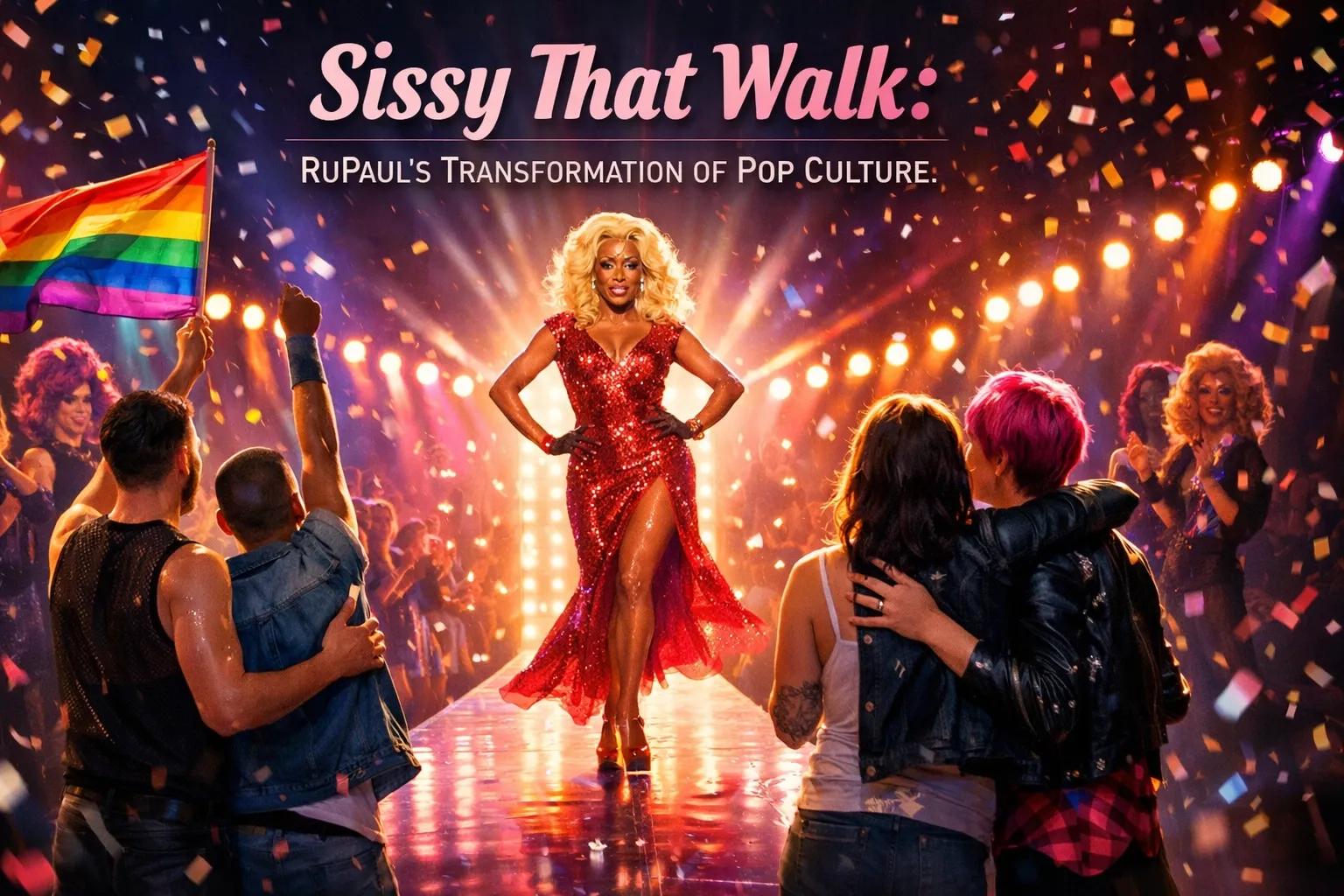
If you've ever found yourself strutting down a grocery aisle mouthing "sissy that walk," congratulations: you've been RuPaulified. And honestly? Same. RuPaul Charles didn't just create a TV show; he orchestrated a full-scale cultural revolution that brought drag from underground dive bars straight into your living room, your memes, and your everyday vocabulary.
Let's talk about how one legendary queen in a wig taller than your rent turned drag culture into a mainstream phenomenon, and how pop icons like Lady Gaga, Cher, and others became the fairy godmothers of the LGBTQ+ community along the way.
From Underground to Unstoppable
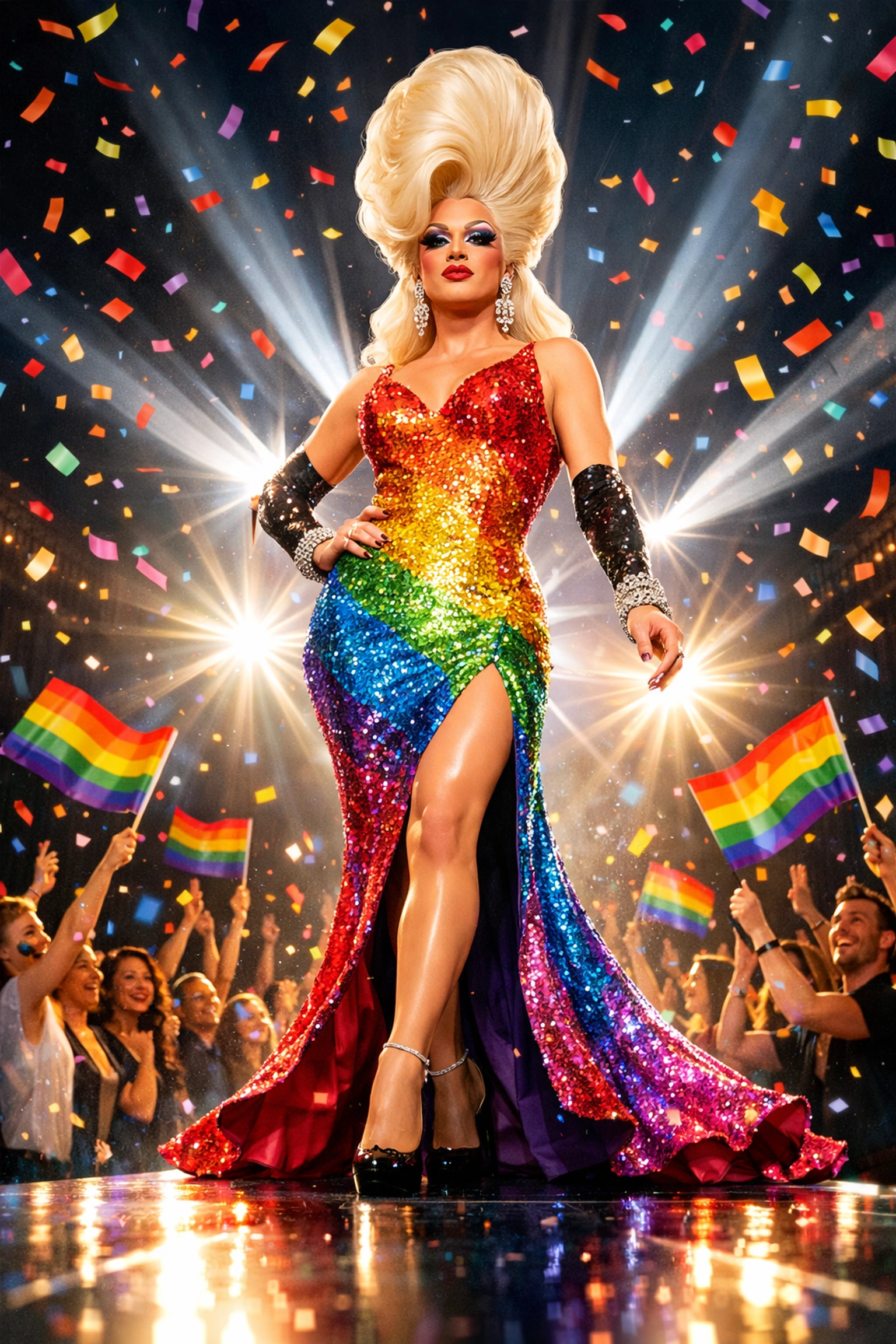
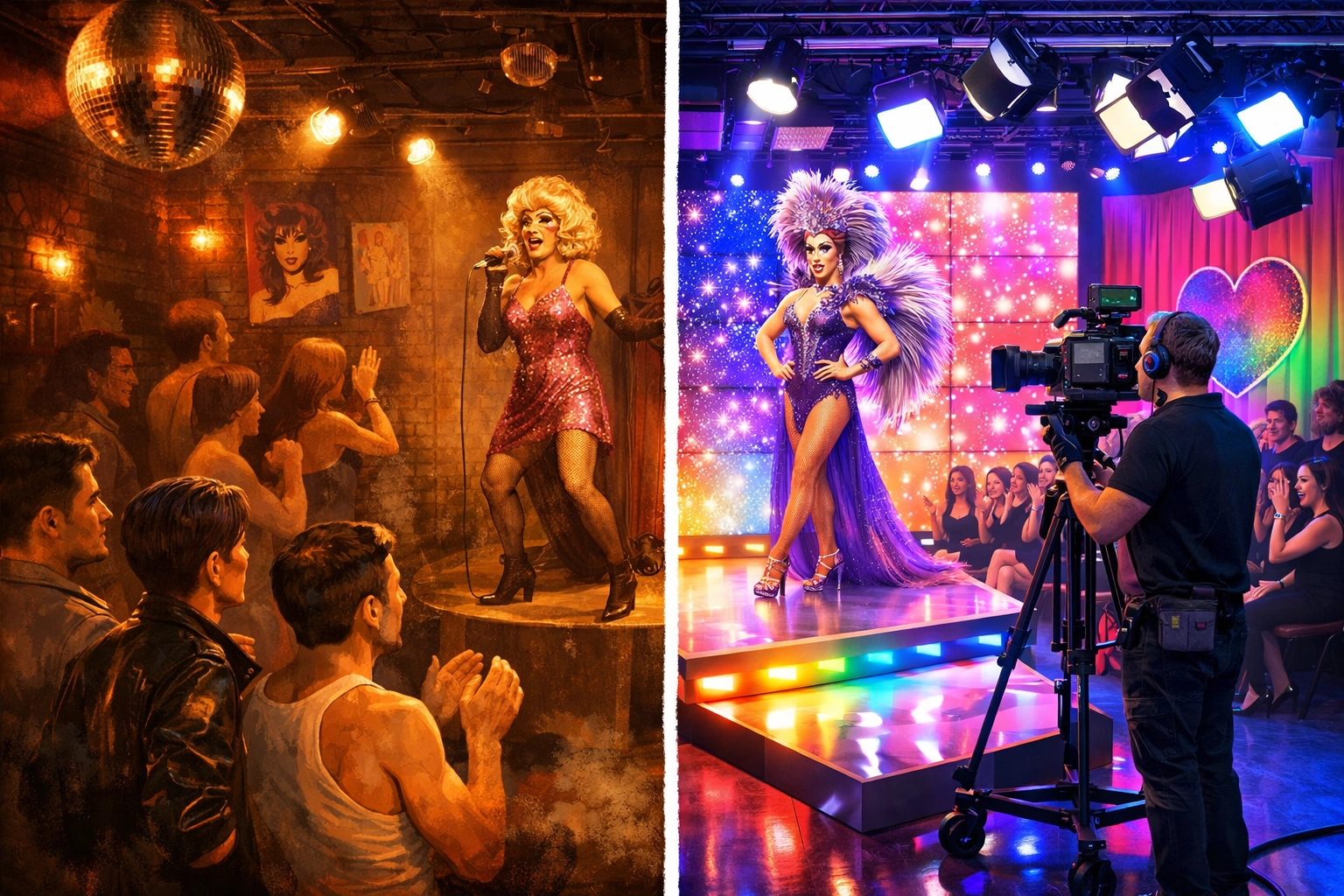
Before RuPaul's Drag Race premiered in 2009, drag culture existed in the shadows, literally in the underground dive bars of New York City and clubs around the world. It was subversive, it was rebellious, and it was ours. Fast forward to 2026, and drag terminology has infiltrated everything from corporate meetings ("Let's sashay away from that idea") to your mom's Facebook posts.
The phrase "sissy that walk" perfectly encapsulates this transformation. Originally from RuPaul's song of the same name, it's an instruction to walk more femininely down the runway: a playful rebuke to queens who stomp like they're auditioning for a construction crew. But it became so much more: a battle cry, a celebration of femininity, and a reminder that there's power in embracing every swish and sway.
What RuPaul did was genius. He took something that mainstream culture viewed as fringe or "other" and made it appointment television. Suddenly, suburban families were learning what "reading is fundamental" meant, and straight girls were practicing their death drops in college dorms. The underground went overground, and the world became a more fabulous place for it.
The Pop Divas Who Paved the Runway
RuPaul didn't do this alone. He stood on the shoulders of pop culture giants who've been championing LGBTQ+ rights long before it was trendy or profitable. Let's pour one out for the real ones.
Cher: The OG Ally
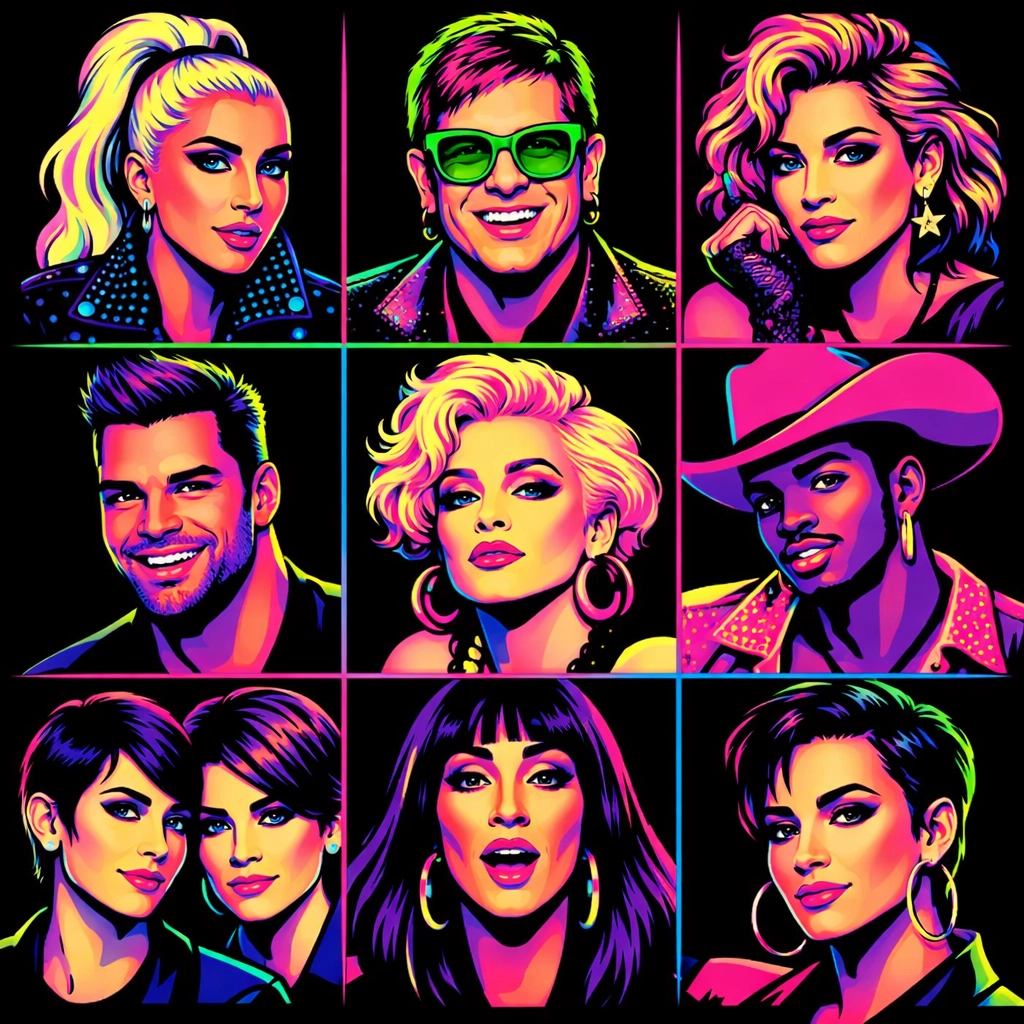
Cher has been a gay icon since before most of us were born. This woman showed up to her son Chaz's transition with nothing but love and support, even when the world was significantly less understanding. Her music became anthems in gay clubs worldwide: "Believe" literally auto-tuned its way into our hearts and stayed there. Cher didn't just tolerate the LGBTQ+ community; she embraced us, defended us, and stood by us when it mattered most.
Lady Gaga: Born This Way
When Lady Gaga released "Born This Way" in 2011, it wasn't just a song: it was a declaration of war against homophobia. Mother Monster has consistently used her platform to advocate for LGBTQ+ rights, from speaking out against Don't Ask, Don't Tell to creating the Born This Way Foundation. She didn't just show up for Pride Month photo ops; she showed up period. Her speech about being gay not being a choice but homophobia being one? Chef's kiss. That's the kind of ally energy we need.
Madonna: The Trailblazer
Madonna was voguing before most people knew what voguing was. She literally brought ballroom culture to MTV with "Vogue" in 1990, introducing mainstream audiences to a dance style born in Black and Latino LGBTQ+ communities. During the AIDS crisis, when many turned their backs, Madonna spoke up, raised money, and refused to let society ignore what was happening. She's been serving realness and allyship for decades.
The New Guard
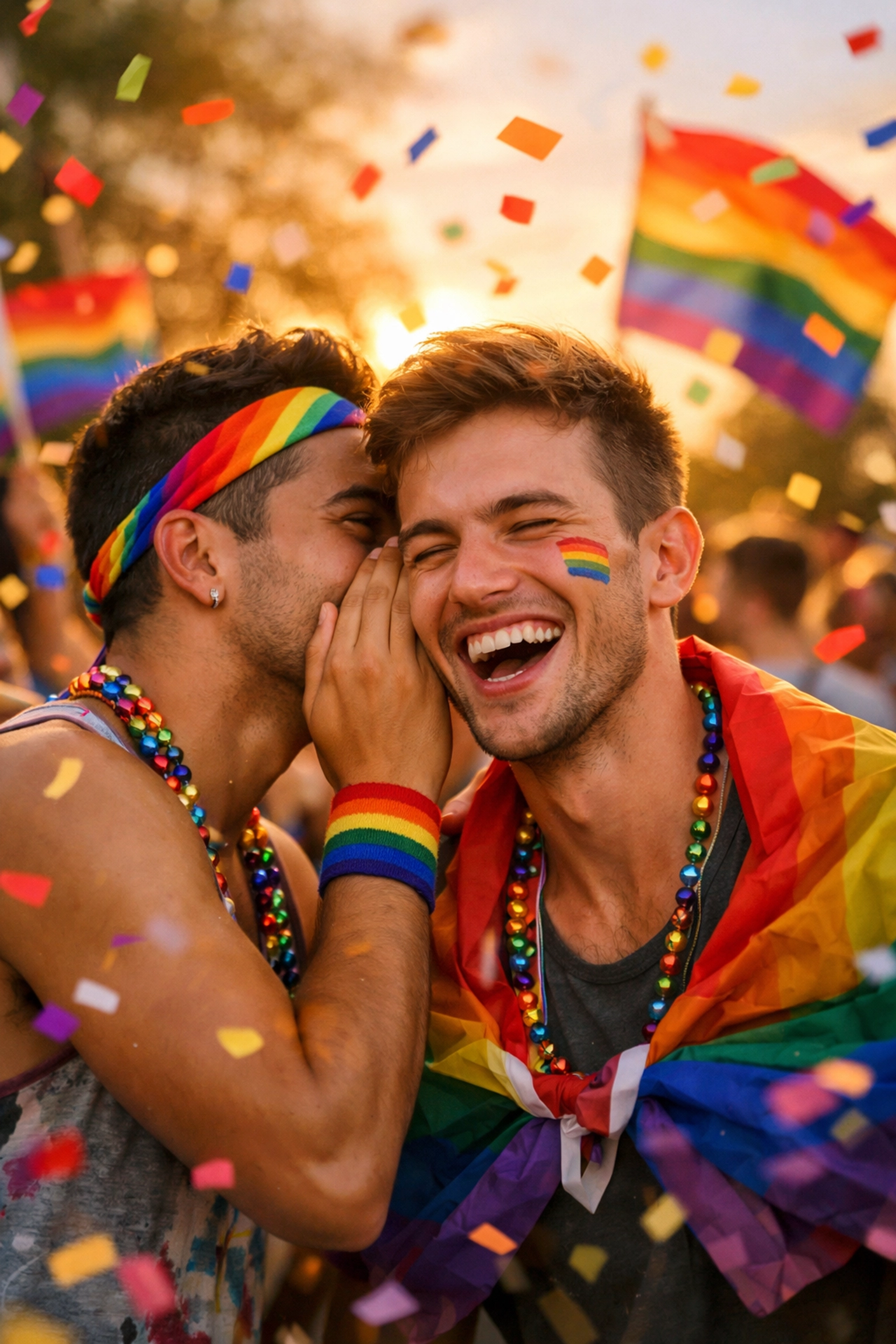
Today's pop landscape is filled with LGBTQ+ allies who actually walk the walk. Ariana Grande, Taylor Swift, Miley Cyrus, Sam Smith (who's actually part of the community), Lil Nas X (ditto), and Hayley Kiyoko have all used their platforms to normalize queer love and identities. These aren't just pride anthems dropped in June; these are year-round commitments to representation and visibility.
The Drag Race Effect on Pop Culture
RuPaul's Drag Race has fundamentally changed how we consume pop culture. It's created a new vocabulary that's seeped into everyday language. "Shade," "tea," "slay," "serve": these aren't just drag terms anymore; they're part of the cultural lexicon. Your straight coworker is probably using "yass queen" in Slack messages right now.
But beyond the catchphrases, the show has done something more profound: it's humanized drag queens. Viewers watch these artists share their coming-out stories, their struggles, their triumphs. They see the artistry, the humor, the vulnerability. It's harder to hate what you understand, and RuPaul made sure people understood.
The show has also become a launching pad for mainstream success. Queens like Trixie Mattel, Bianca Del Rio, and Symone have parlayed their Drag Race fame into comedy tours, makeup lines, and acting careers. Drag isn't alternative anymore: it's aspirational.
Music, Drag, and the Beautiful Collision
The relationship between pop music and drag culture has always been symbiotic. Drag queens have long been the ultimate pop music fans, lip-syncing to divas in clubs before anyone called it "content creation." In return, pop stars have found their most devoted, creative, and enthusiastic audiences in the LGBTQ+ community.
Gay bars have served as testing grounds for what becomes mainstream. A song that kills in a gay club on Saturday night often climbs the charts by Monday. Artists know this. That's why so many pop stars premiere their music videos at LGBTQ+ venues or release them during Pride Month.
RuPaul's Drag Race has amplified this relationship. A song featured as a lip-sync battle can experience a career resurrection. Suddenly, everyone's streaming that early 2000s pop track they forgot existed. The show has become a tastemaker, introducing new audiences to both classic divas and emerging artists.
Reading Is Fundamental (And So Is Representation)
At Readwithpride.com, we know the power of seeing yourself reflected in media. Whether it's a drag queen sharing their story on reality TV or an MM romance novel featuring characters who love unapologetically, representation matters. It saves lives. It changes hearts. It makes the world bigger and more beautiful.
RuPaul's cultural transformation goes beyond entertainment: it's about visibility. Every time a straight person watches Drag Race and thinks, "You know, I actually really like these people," that's progress. Every time a young queer kid sees themselves in a contestant's coming-out story, that's lifesaving.
The pop stars who support us amplify that message. When Lady Gaga tells millions of fans that being gay is beautiful, when Cher defends trans rights on Twitter, when Ariana Grande features queer love stories in her music videos: these moments matter. They create space for us to exist, loudly and proudly.
The Revolution Will Be Televised (and Streaming)
What started in underground bars has become a global phenomenon. RuPaul has taken drag culture mainstream without sanitizing it, without making it palatable for conservative audiences. The show is still gloriously queer, still unapologetically itself. And that's the real revolution.
"Sissy that walk" isn't just about walking down a runway anymore. It's about walking through life with confidence, with pride, with the knowledge that who you are is not just acceptable: it's fabulous. It's about the journey from hiding in the shadows to strutting in the spotlight.
So whether you're reading gay romance books, watching Drag Race, or simply living your truth, remember: RuPaul and the pop divas who love us have created a world where being yourself isn't just allowed: it's celebrated. Now sissy that walk, honey. The world is your runway.
Follow us for more LGBTQ+ content and stories:
- Instagram: @read.withpride
- Facebook: Read With Pride
- X/Twitter: @Read_With_Pride
- Website: Readwithpride.com
#RuPaul #DragRace #SissyThatWalk #LGBTQPride #PopCulture #ReadWithPride #MMRomance #QueerCulture #GayBooks #LGBTQBooks #LadyGaga #Cher #PopDivas #LGBTQAlly #DragCulture #QueerFiction #GayRomanceBooks #Pride2026 #RepresentationMatters #LGBTQCommunity

Leave a Reply
You must be logged in to post a comment.