

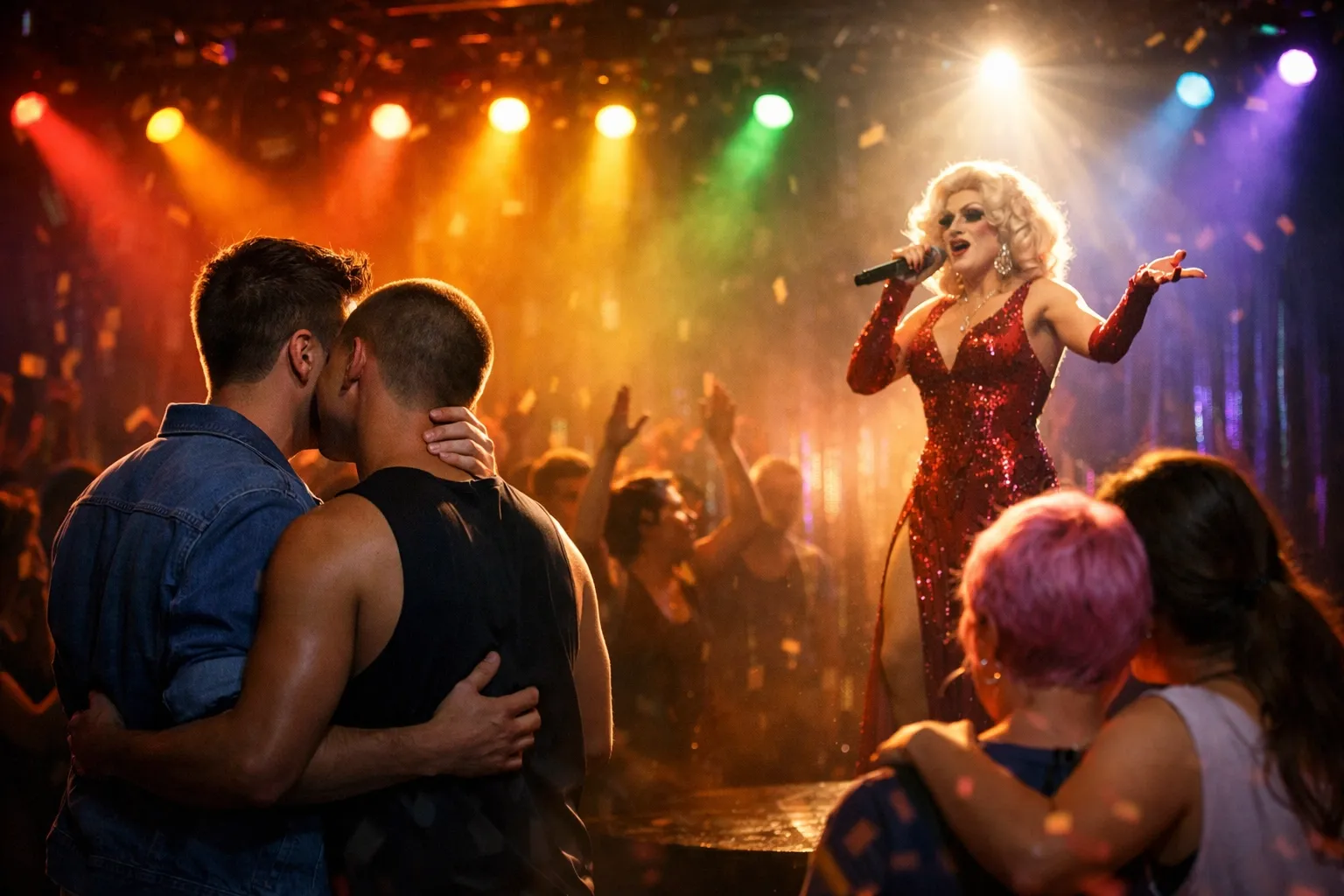
Eurovision has always been more than just a song contest. It's a glittering spectacle of sequins, sass, and some of the most memorable performances in music history. But while the spotlight usually shines on the main acts belting out their hearts, there's a whole world of fierce performers working their magic in the background. We're talking about drag artists who've graced the Eurovision stage as backing vocalists, dancers, and performers: stealing scenes without ever getting top billing.
The Unsung Heroes of Eurovision
Let's be real: Eurovision wouldn't be Eurovision without its unapologetically queer energy. From Conchita Wurst's iconic win in 2014 to Dana International breaking barriers in 1998, the contest has given LGBTQ+ artists a platform like no other. But what about the drag queens serving face and vocals behind the main performer? These are the unsung heroes who add layers of theatricality, vocal power, and pure camp to performances that might otherwise fade into the background.
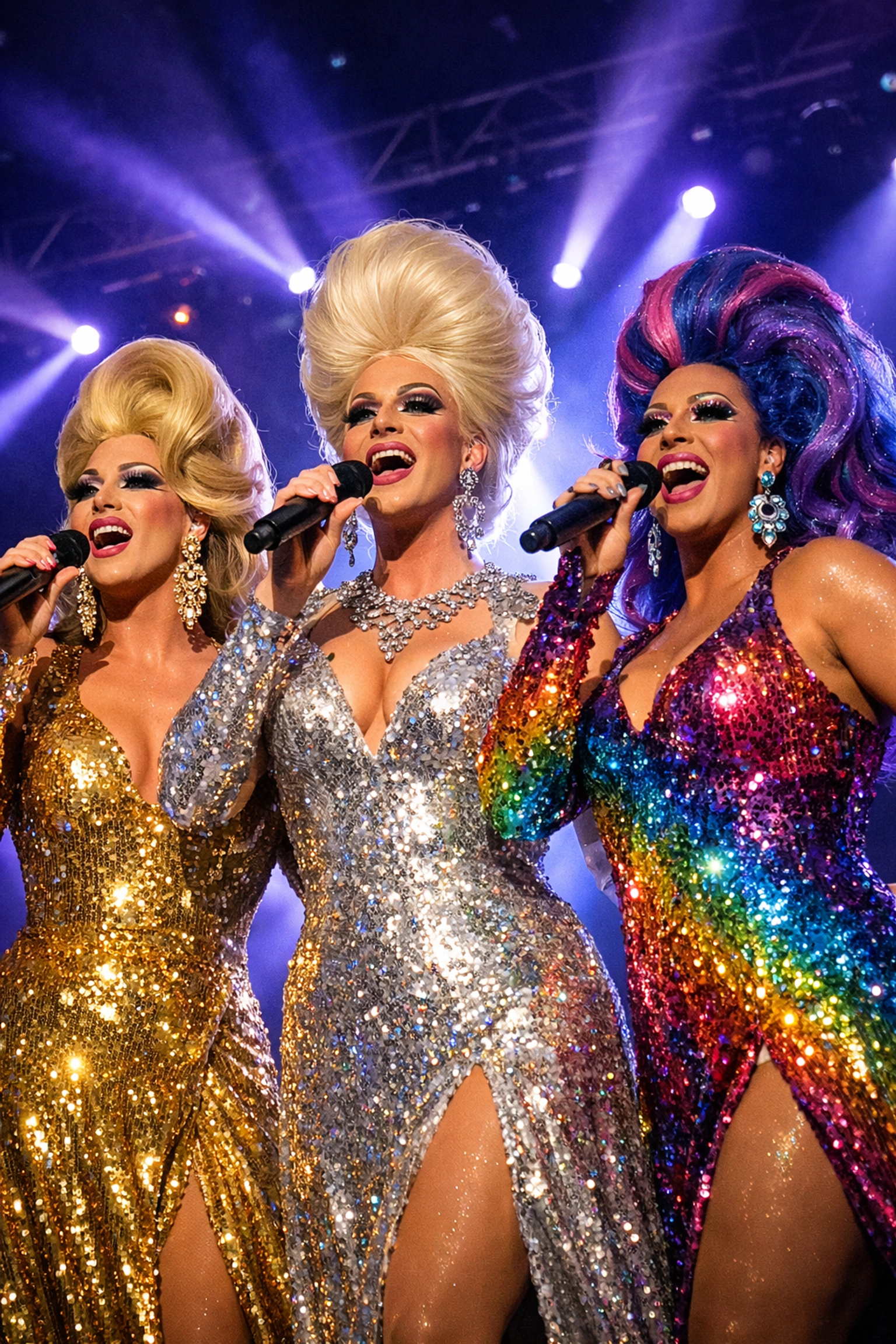
Drag backing vocalists bring something special to the Eurovision stage. They're not just singers: they're performers who understand the assignment. Whether they're harmonizing flawlessly, death-dropping in six-inch heels, or serving looks that could kill from the cheap seats, these artists know how to make every second count.
A History of Fabulous Support
The tradition of drag performers appearing in Eurovision backing acts isn't new, though it's often gone unrecognized. Throughout the contest's history, especially from the 1990s onward, drag artists have been featured as part of elaborate stage productions. Some performed in full drag, while others brought their performance style and energy without the full drag regalia.
What makes these appearances so significant is that they've helped normalize drag performance on one of the world's biggest stages. Before RuPaul's Drag Race became a global phenomenon, Eurovision was already showcasing drag talent to hundreds of millions of viewers across Europe and beyond. That's cultural impact you can't measure in points alone.
The role of backing vocalists in Eurovision is crucial. These performers need to deliver flawless harmonies while often executing complex choreography in elaborate costumes. Add drag into the mix, and you've got artists who are managing makeup that could melt under stage lights, costumes that weigh as much as a small child, and wigs that require their own structural engineering degree: all while hitting every note perfectly.
When Drag Steals the Show
There have been moments when the backing performers nearly upstaged the main act. Remember those performances where you couldn't take your eyes off the backup singers? Chances are, drag performers were involved. Their training in lip-syncing, stage presence, and audience connection translates perfectly to live vocal performance. They know how to work a camera, hit a pose, and make every moment count.
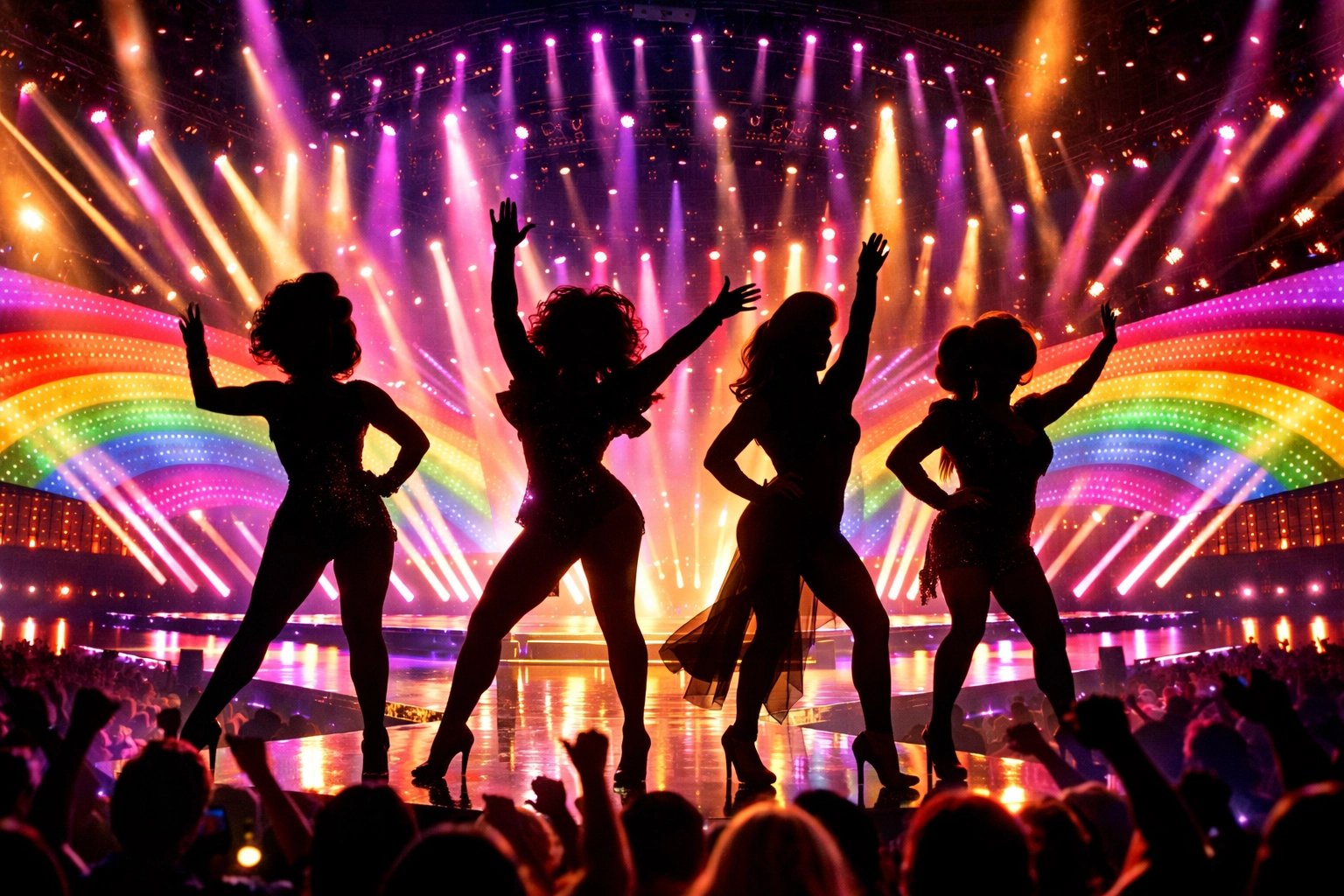
Some Eurovision acts have specifically chosen drag performers as part of their artistic vision, recognizing that these artists bring an extra layer of authenticity and fabulousness that aligns with Eurovision's spirit. It's not just about having backing singers: it's about creating a complete theatrical experience.
The impact goes beyond just the visual spectacle. Many drag performers are incredibly talented vocalists who've honed their craft in clubs, theaters, and performing arts scenes across Europe. When they step onto the Eurovision stage, they're bringing years of experience and a level of professionalism that elevates the entire performance.
Breaking Down Barriers, One Performance at a Time
What's particularly powerful about drag performers appearing in Eurovision is how it normalizes queer visibility on mainstream television. For viewers in countries where LGBTQ+ rights are still being fought for, seeing drag artists performing confidently and unapologetically on such a massive platform can be genuinely life-changing.
These performances challenge traditional gender expectations and show that there's more than one way to be a performer, an artist, or simply yourself. When a drag queen is harmonizing beautifully behind a Eurovision hopeful, they're not just a backing vocalist: they're a statement that queer art belongs everywhere, including on the continent's biggest stage.
The Read with Pride community understands this power of representation. Just as we celebrate LGBTQ+ fiction and MM romance books that tell our stories, we also celebrate the drag artists who've been telling their stories through performance art for decades. Eurovision has been one of the stages where this art form has reached the widest possible audience.
The Craft Behind the Glamour
Let's talk about the actual work these artists do. Being a backing vocalist at Eurovision isn't a walk in the park, even without the added challenges of performing in drag. You're dealing with in-ear monitors, live vocals (no lip-syncing allowed for the singing parts), complex harmonies, and the pressure of performing for an estimated 200 million viewers worldwide.
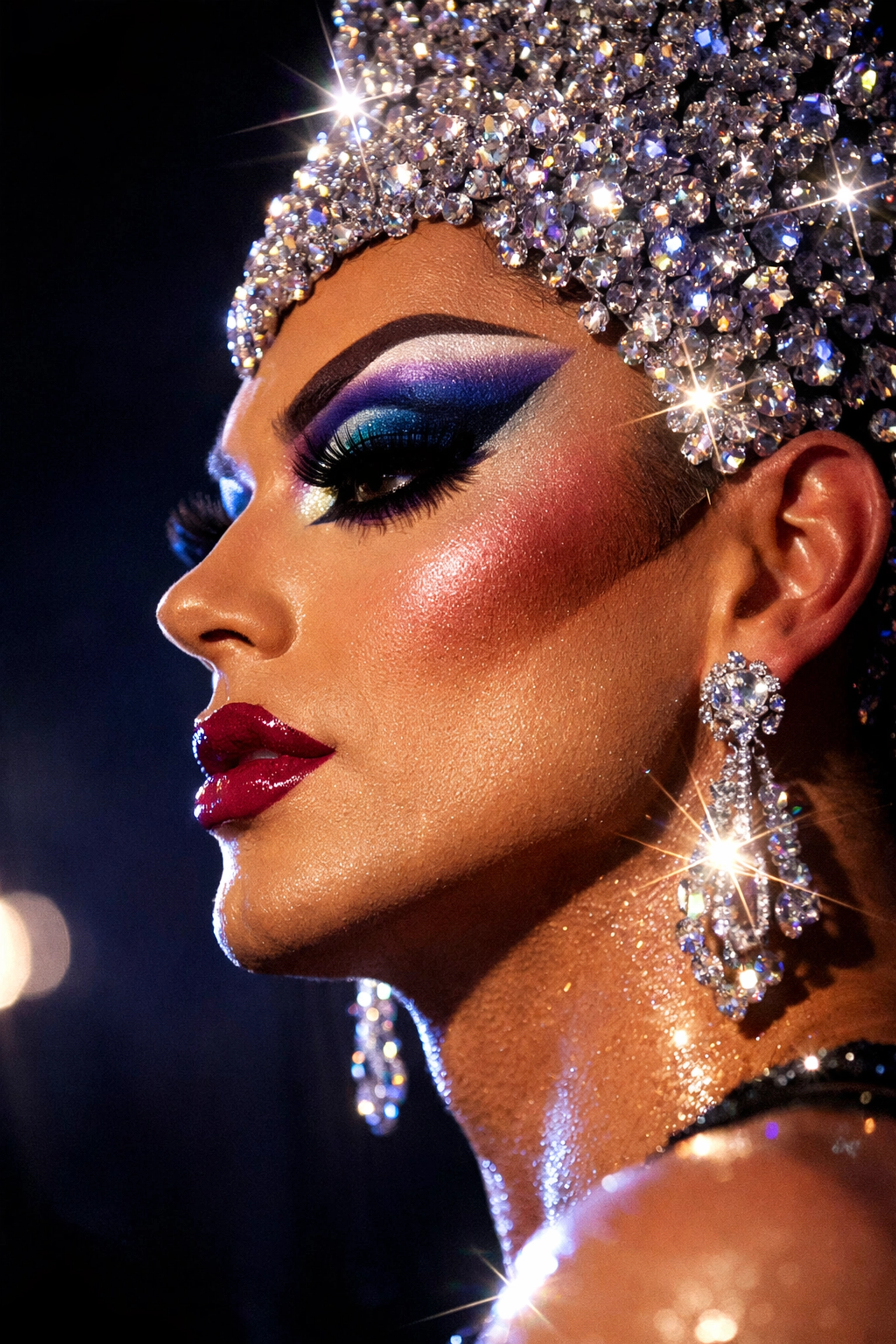
Now add to that the physical demands of drag: maintaining makeup under hot stage lights, dancing in heels that weren't designed for actual movement, and managing costumes that can restrict breathing and movement. It's a testament to these performers' dedication and skill that they make it look effortless.
Many drag performers come from musical theater backgrounds or have classical vocal training. They understand stagecraft, know how to modulate their voices to blend with other singers, and can adapt to the acoustics of massive arenas in seconds. This is professional-level artistry that deserves recognition.
More Than Just Background
The beauty of drag backing vocalists in Eurovision is that they represent the intersection of multiple art forms: music, theater, fashion, and drag performance. They're living proof that drag is a legitimate and respected form of artistic expression, not just entertainment in underground clubs (though those spaces remain vital and sacred).
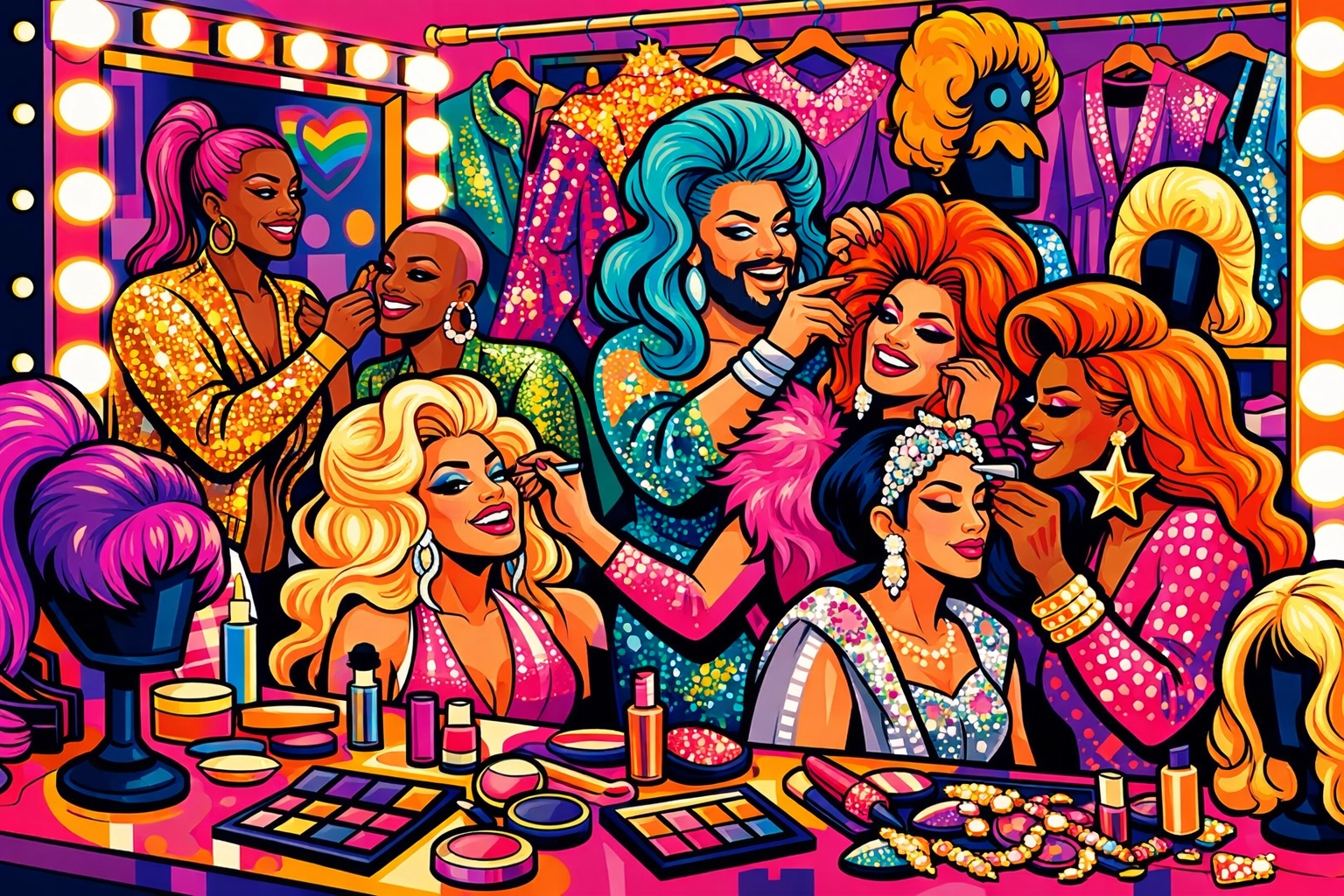
As Eurovision continues to evolve, we're seeing more explicit representation of drag culture on stage. Acts are becoming bolder, more theatrical, and more willing to embrace camp aesthetics. This shift is partly thanks to the groundwork laid by drag performers who've been there all along, supporting, harmonizing, and adding sparkle to performances that might otherwise be forgotten.
For those of us who follow gay romance stories and queer fiction, there's something beautifully parallel about these hidden narratives. Just as we seek out and celebrate LGBTQ+ stories that might be overlooked in mainstream publishing, we should also celebrate the drag artists who've been part of Eurovision's story from the background.
The Legacy Continues
Today, with drag more visible than ever thanks to shows like Drag Race and its numerous international versions, the drag performers appearing at Eurovision are getting more recognition. But we shouldn't forget the artists who came before, who performed in an era when drag was less accepted and more controversial.
These performers were brave enough to be themselves on a stage watched by conservative viewers across dozens of countries. They were part of Eurovision's gradual evolution into the LGBTQ+-friendly extravaganza it is today. Every time a drag performer harmonizes behind a Eurovision contestant, they're continuing a legacy of queer visibility and artistic excellence.
The next time you watch Eurovision, pay attention to the backing performers. Look for the fierce makeup, the impeccable vocals, the performers who seem to understand the theatrical nature of Eurovision on a deeper level. Chances are, you're watching drag artists doing what they do best: stealing the spotlight even when they're supposedly in the background.
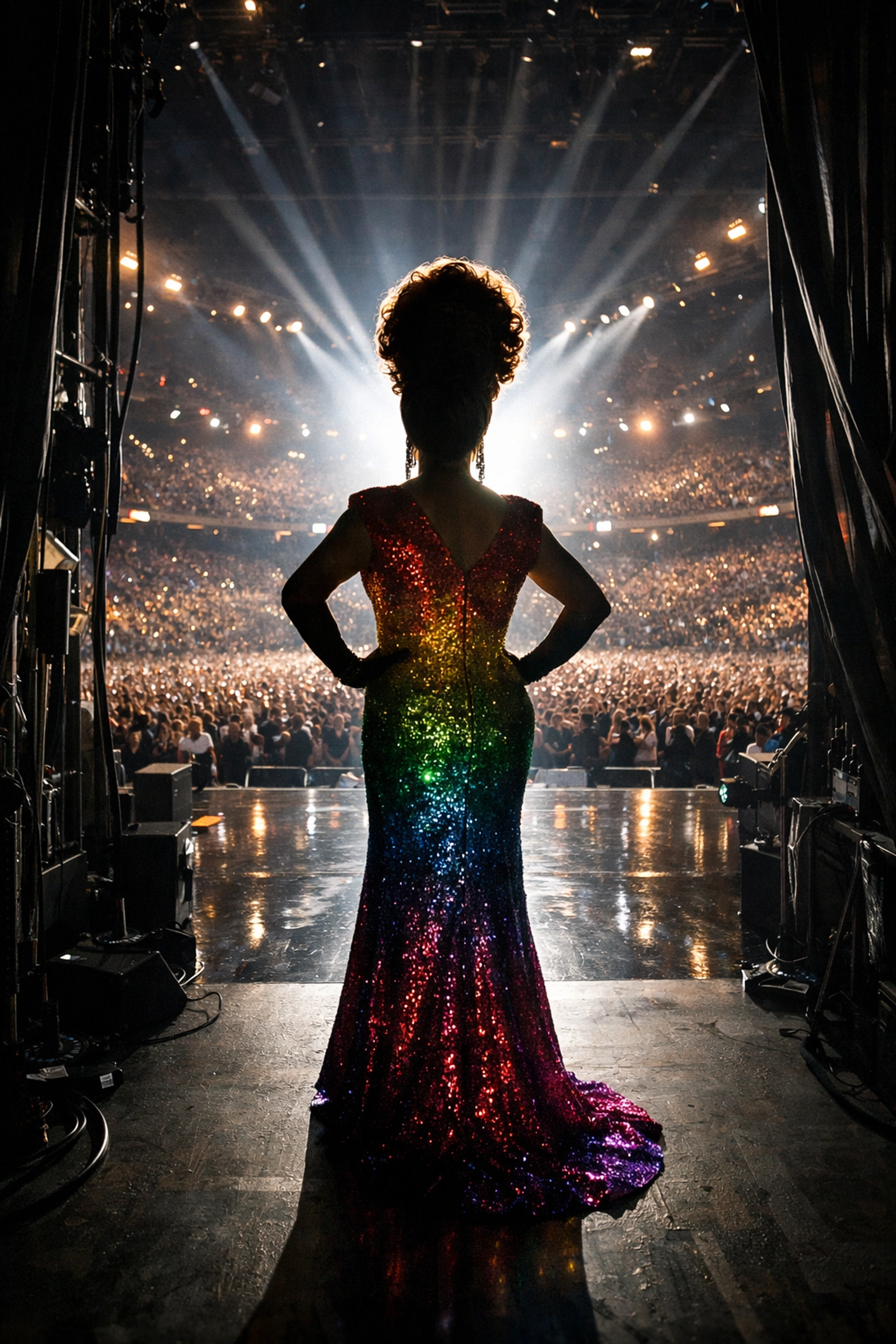
At Readwithpride.com, we celebrate all forms of LGBTQ+ storytelling: whether it's through MM romance novels, gay fiction, or the fabulous performances that have graced the Eurovision stage. Because every story deserves to be told, and every performer deserves recognition for their art.
Ready to discover more LGBTQ+ stories? Visit Read with Pride for our collection of gay romance books, MM fiction, and queer literature that celebrates love in all its forms.
Follow us for more content: Facebook | Instagram | X/Twitter
#Eurovision #DragCulture #LGBTQRepresentation #ReadWithPride #QueerHistory #DragPerformers #MMRomance #GayFiction #LGBTQBooks #QueerArt #EurovisionHistory #DragQueens #BackingVocalists #QueerVisibility #LGBTQ2026 #GayRomanceBooks #MMRomanceBooks #LGBTQFiction #QueerStories #GayLiterature

Leave a Reply
You must be logged in to post a comment.