

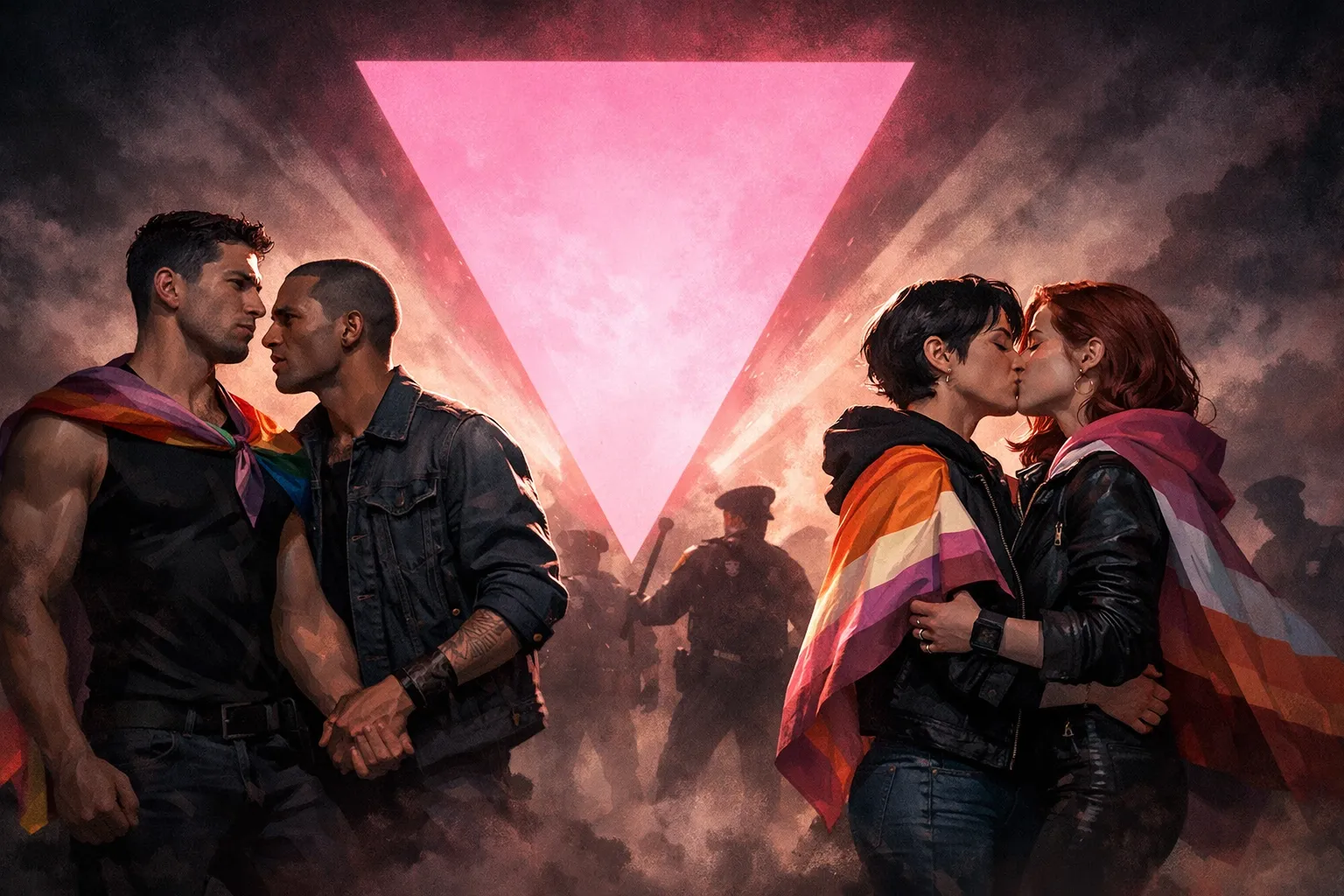
Some symbols carry weight beyond words. The pink triangle is one of them: a piece of fabric that started as a mark of persecution and transformed into a beacon of resistance, memory, and ultimately, pride. For those who wore it unwillingly in the darkest chapter of modern history, it represented unimaginable suffering. For the LGBTQ+ community today, it stands as a reminder: we survived, we remember, and we refuse to be erased.
When Love Was a Crime Punishable by Death
During the Nazi regime, being gay wasn't just stigmatized: it was a death sentence. Between 5,000 and 15,000 men were imprisoned in concentration camps for their sexuality, forced to wear an inverted pink triangle that marked them as "homosexual offenders." This wasn't just a badge; it was a target painted on their backs.
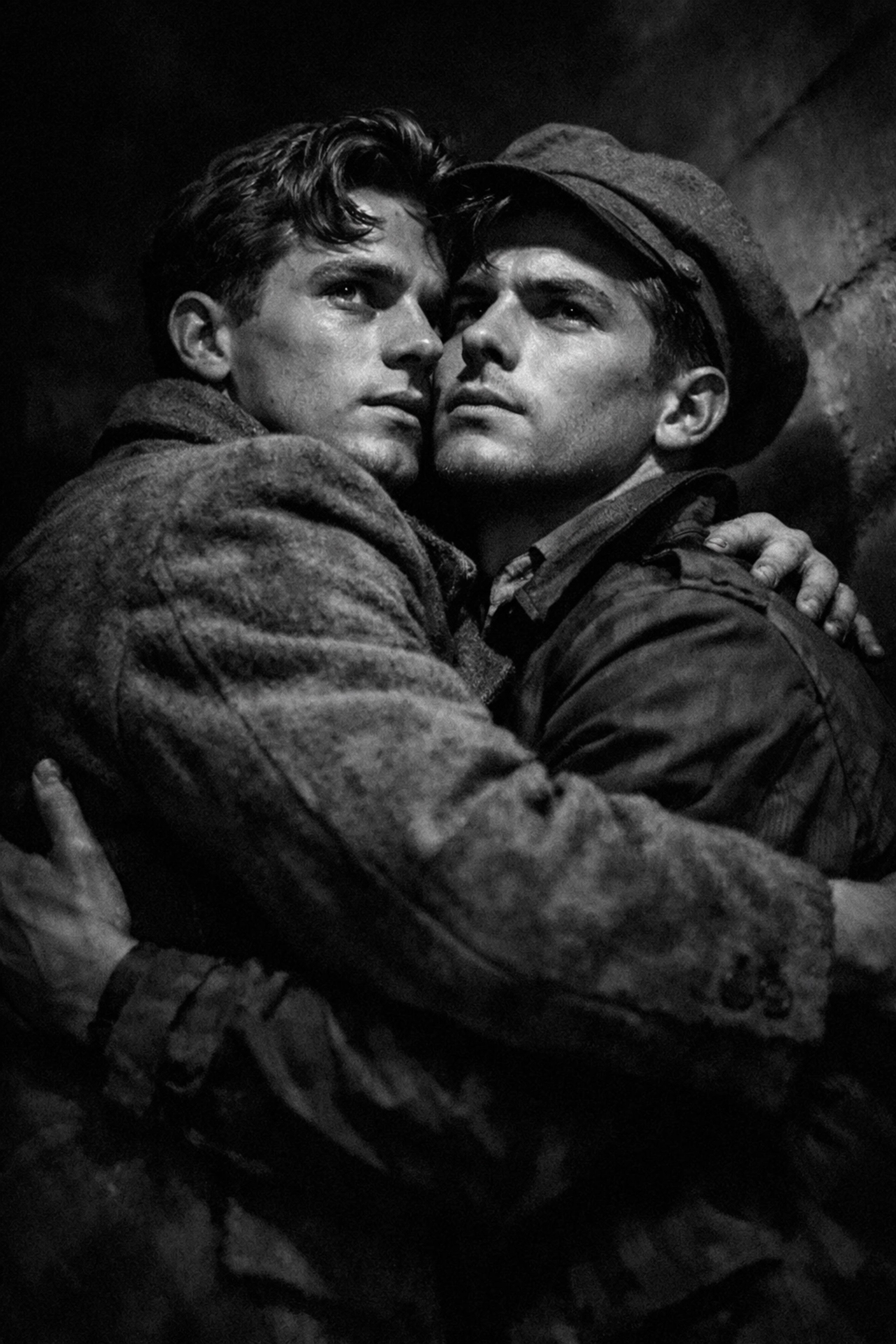
These men occupied the lowest rung in the brutal hierarchy of the camps. While all prisoners faced unspeakable horrors, those wearing the pink triangle endured particular cruelty. They were segregated from other inmates, subjected to castration, forced into degrading sexual acts, and used as guinea pigs in sadistic medical experiments aimed at "curing" their homosexuality. SS guards used them for rifle practice. Guards and fellow prisoners alike saw them as less than human.
But here's what the Nazis didn't count on: love doesn't die in darkness. It finds cracks in concrete walls, whispers in stolen moments, and pulses in clasped hands when no one's watching.
Bonds That Defied Death
In the face of systematic dehumanization, the human spirit has a stubborn way of asserting itself. Amid the horror, men found ways to protect each other. A stolen glance across the roll call yard. An extra crust of bread slipped into a dying friend's hand. Whispered words of comfort in the barracks at night.
These weren't grand romantic gestures: they couldn't be. But they were acts of profound love nonetheless. Love that said: You matter. You exist. You are not alone.
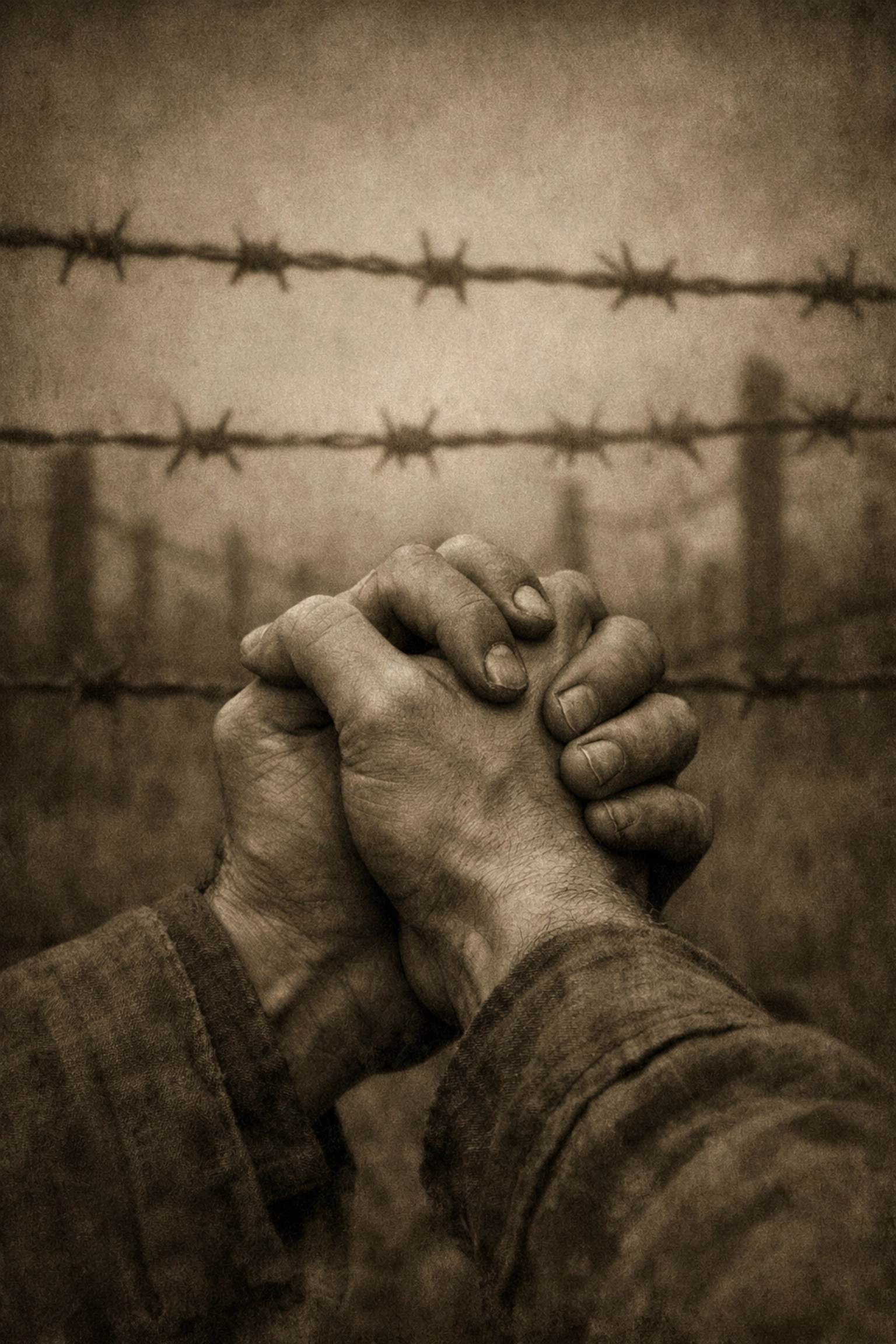
Survivors who lived to tell their stories spoke of these connections with reverence. Some formed bonds that helped them survive the camps' psychological torture. Others drew strength simply from knowing they weren't the only ones, that somewhere in that hell, another person understood what it meant to love in a world that wanted to exterminate them for it.
These quiet acts of resistance: the refusal to stop caring, to stop seeing each other as human: were revolutionary. Every moment of tenderness was an act of defiance against a regime that sought to erase not just their lives, but the very possibility of their love.
From Shame to Shield: Reclaiming the Triangle
The story doesn't end with liberation in 1945. For decades after the war, the persecution continued in different forms. Many survivors remained silent about their experiences because homosexuality was still criminalized in Germany and elsewhere. The world moved on, but the men with pink triangles remained in the shadows.
Then came the 1970s.
LGBTQ+ activists in West Germany and New York City looked at that pink triangle: that symbol of shame, of suffering, of systematic murder: and made a revolutionary choice. They reclaimed it.
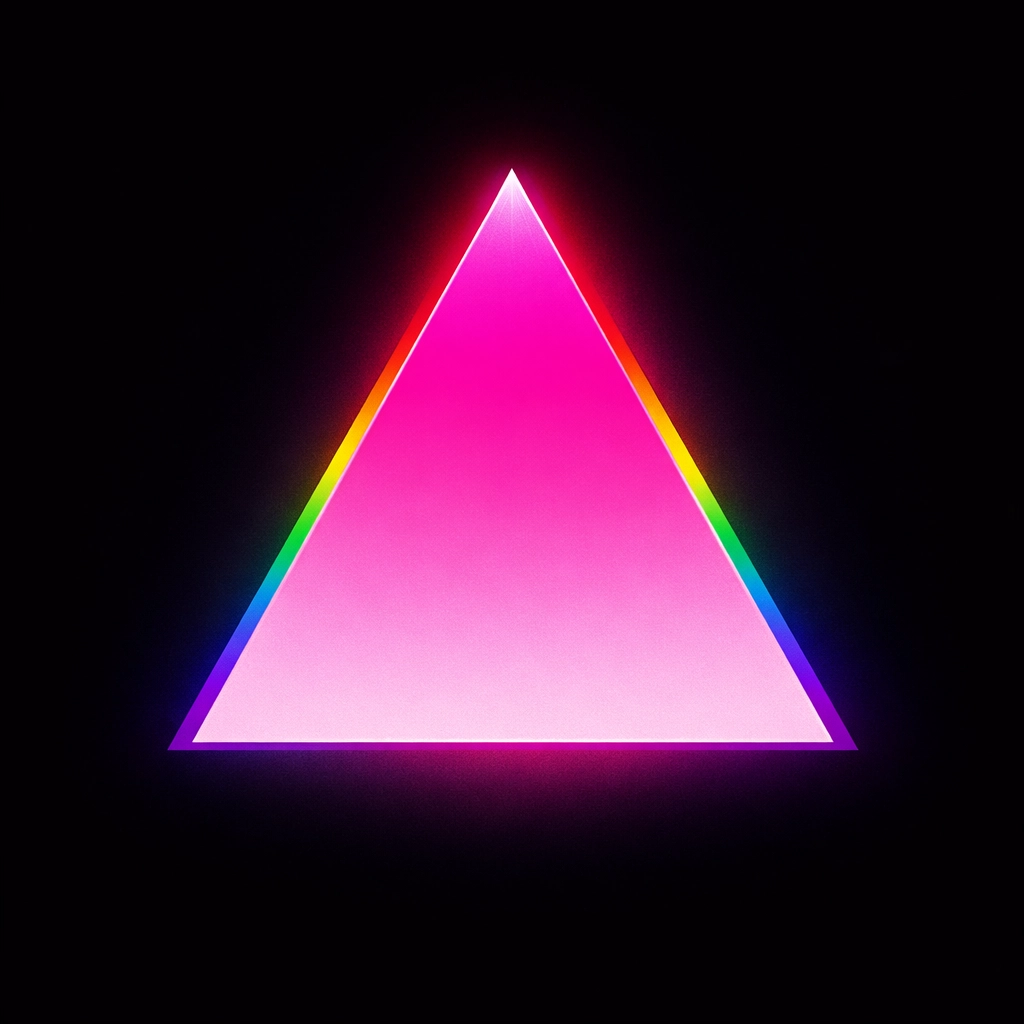
"Gay people wear the pink triangle today as a reminder of the past and a pledge that history will not repeat itself," early activists declared. It was a middle finger to hate and a promise to memory. By wearing the symbol that had marked their predecessors for death, they transformed it into a declaration of survival.
When the AIDS crisis hit in the 1980s, that symbol found urgent new life. ACT-UP, the activist collective that refused to let the world look away while a generation died, adopted an upward-pointing pink triangle: this time in vivid fuchsia instead of pale Nazi pink. Paired with the slogan "SILENCE=DEATH," it became one of the most recognizable symbols of queer resistance. The message was clear: we learned from history, we remember our dead, and we will not go quietly.
Why These Stories Still Matter
You might wonder why we're talking about such heavy history on a platform dedicated to MM romance books and gay love stories. The answer is simple: we can't celebrate love without honoring those who loved when it cost them everything.
Historical MM romance and gay historical fiction serve a crucial purpose. They give voice to the silenced, imagine the moments history couldn't record, and remind us that queer love has always existed: in courts and concentration camps, in drawing rooms and dark alleys, in whispers and shouts.
The best gay historical romance doesn't shy away from the pain. It acknowledges the context: the laws, the persecution, the fear: while celebrating the indomitable human capacity for connection. These stories honor the reality that even in humanity's darkest hours, people found ways to love, to protect, to endure.
Where History and Romance Meet
At Read with Pride, our historical LGBTQ+ fiction collection explores love across the centuries, including periods when that love required extraordinary courage. These aren't sanitized fairy tales. They're stories that grapple with real history while giving readers what history books often can't: the intimate moments, the private conversations, the beating hearts behind the statistics.
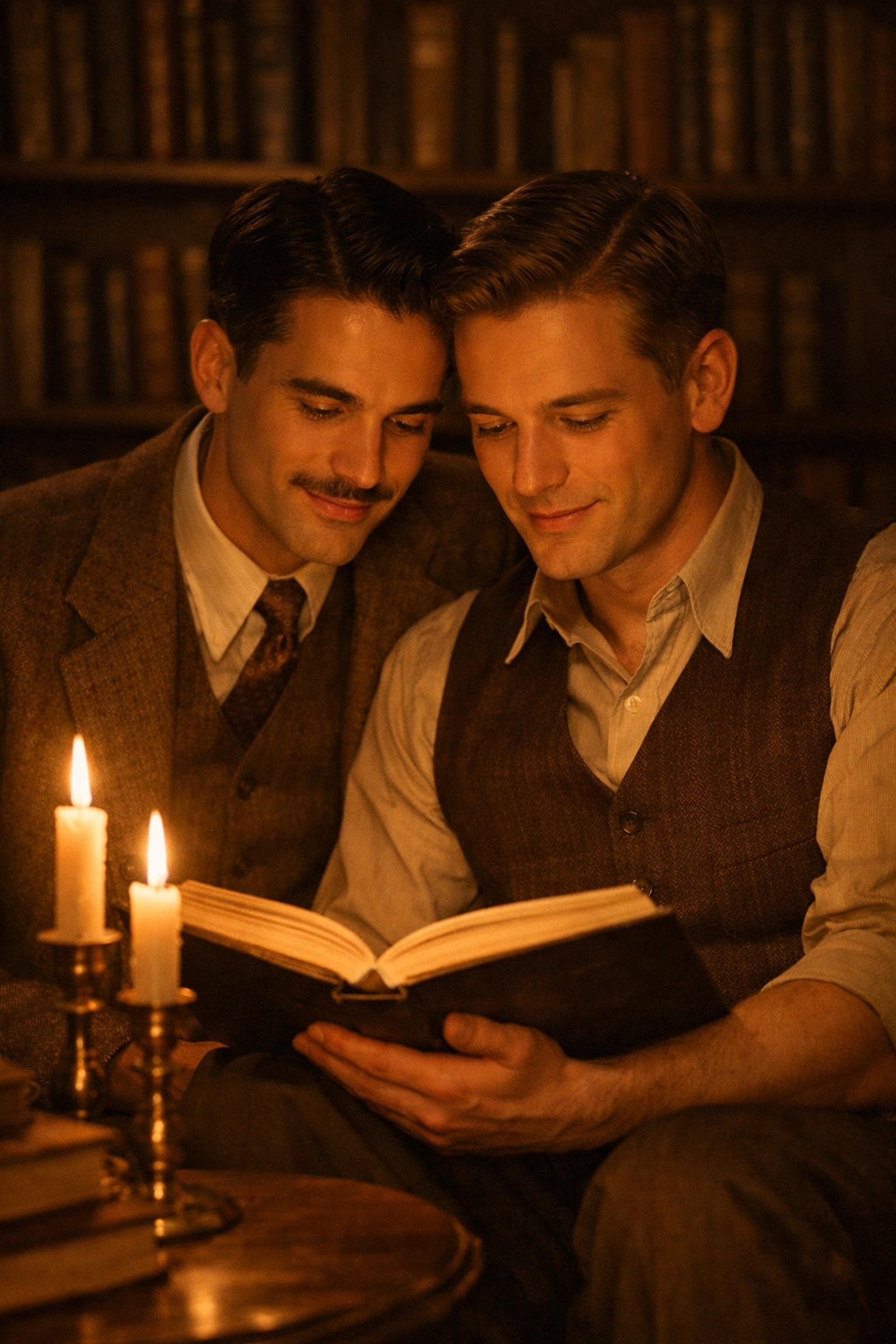
Whether you're drawn to gay romance novels set during World War II, stories from the Renaissance, or tales from the height of Victorian hypocrisy, there's power in seeing ourselves reflected across time. These books remind us that we come from a long line of survivors: people who loved fiercely, protected each other, and refused to disappear.
Some readers come to MM historical romance for the period details and the slow-burn tension. Others seek the validation of seeing that our community has always existed, has always loved, has always mattered. Both are valid. Both are important.
A Symbol That Refuses to Fade
The pink triangle's journey from badge of shame to symbol of pride tells us something fundamental about queer resilience. We don't just survive persecution: we transform it. We take the weapons used against us and forge them into shields, into banners, into rallying cries.
Every Pride flag flying today carries echoes of that transformation. Every gay romance book published is an act of defiance against centuries of silence. Every love story we tell: whether contemporary, historical, fantastical, or thrilling: is a promise kept to those who couldn't tell theirs.
Keep Reading, Keep Remembering
The men who wore the pink triangle in concentration camps didn't survive so we could forget. They survived so we could live openly, love freely, and tell stories that celebrate every shade of queer existence.
Explore our collection of gay historical romance and LGBTQ+ ebooks at readwithpride.com: because every story we read is an act of remembrance, and every happily ever after we celebrate honors those who fought for our right to imagine them.
Follow us for more LGBTQ+ content and book recommendations:
📘 Facebook
🐦 Twitter/X
📸 Instagram
#ReadWithPride #MMRomance #GayRomance #LGBTQBooks #HistoricalRomance #GayHistoricalFiction #QueerHistory #PinkTriangle #MMHistoricalRomance #GayLoveStories #LGBTQFiction #QueerLiterature #GayBooks #MMBooks #GayRomanceBooks #LGBTQPride #QueerReads #HistoricalMMRomance #GayFiction #NeverForget


Leave a Reply
You must be logged in to post a comment.