


Let's talk about Donna Summer. And let's be real from the jump, this is a complicated story. The Queen of Disco gave us the soundtrack to countless nights at gay clubs, anthems that became woven into the fabric of LGBTQ+ culture, and then… well, things got messy. But here's why her legacy still matters, even when it's not entirely comfortable to celebrate.
The Undisputed Queen Who Changed Everything
Before we dive into the controversy, let's give credit where it's due. Donna Summer didn't just make disco, she revolutionized dance music entirely. When "Love to Love You Baby" dropped in 1975, it was a seismic shift. That breathy, sensual 17-minute extended version? Absolute genius. And scandalous as hell for its time, which made it even better.
But her real game-changer was "I Feel Love" in 1977. David Bowie literally pulled over his car when he heard it on the radio. Brian Eno called it "the sound of the future." They weren't exaggerating. That pulsing, hypnotic electronic beat, produced with Giorgio Moroder, basically invented electronic dance music as we know it. Every club banger you've ever lost yourself to? It owes a debt to that track.
Summer's stats are mind-blowing: five Grammy Awards, six American Music Awards, and she's the only solo artist in history to score three consecutive double albums that hit No. 1 and went platinum. Eight consecutive top ten hits on the Billboard Hot 100. The woman was unstoppable.
Disco's Darling and the Gay Community's Soundtrack
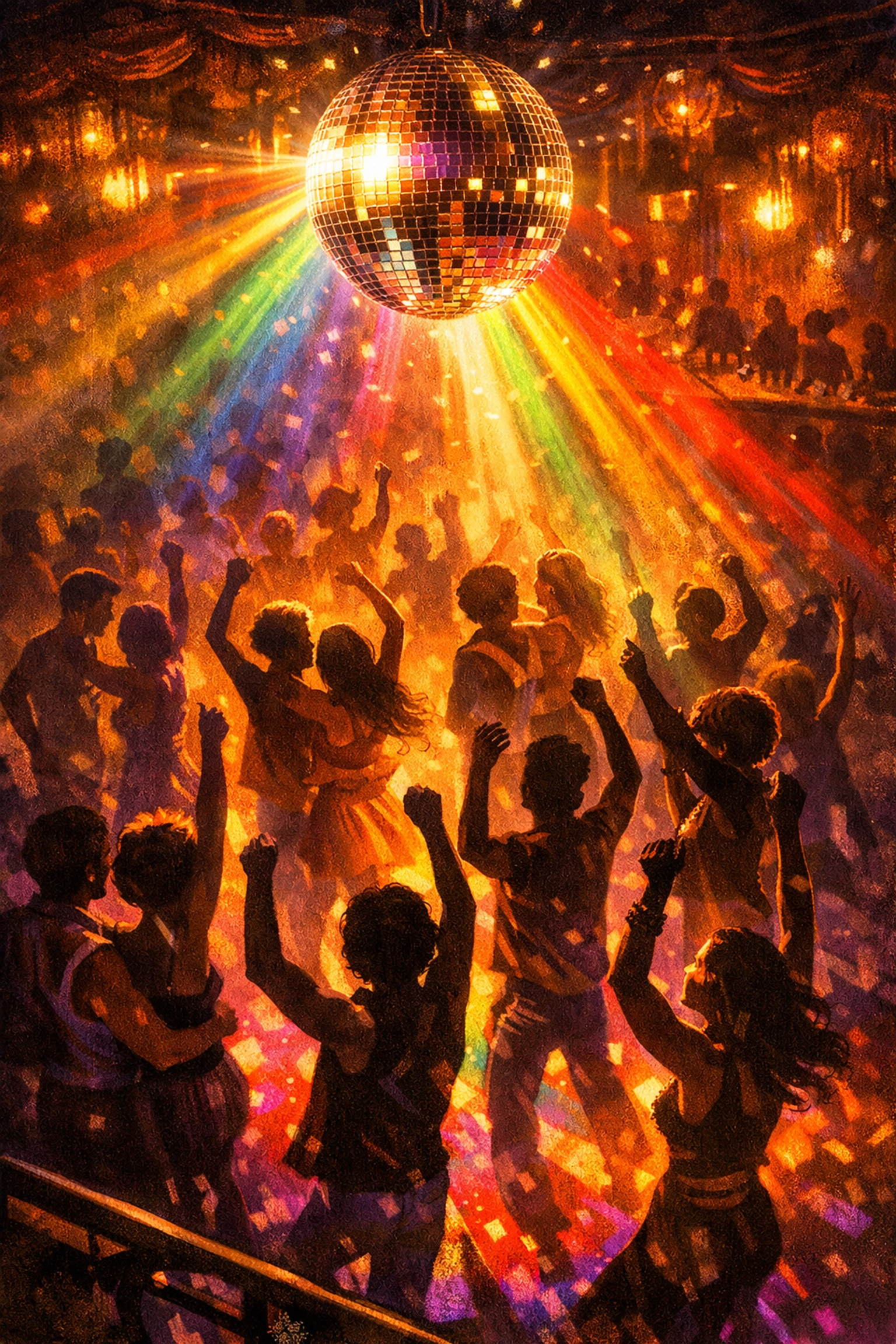
Here's what matters: disco wasn't just music. For the LGBTQ+ community in the 1970s, disco was freedom. It was the sound of liberation, of bodies moving together without shame, of celebration in the face of a world that wanted us invisible. And Donna Summer's voice was the beating heart of that movement.
Gay clubs from New York to San Francisco pumped out "Last Dance," "Hot Stuff," and "Bad Girls" night after night. Her music created safe spaces where queer people could be themselves, could dance, could feel joy. That's not hyperbole, that's historical fact. Summer's music was woven into the cultural DNA of gay liberation.
The Controversy That Changed Everything
And then came 1983. During a concert, Summer allegedly made comments suggesting that AIDS was God's punishment for homosexuality. The exact words have been disputed for decades, Summer herself vehemently denied saying them, but the damage was done. The gay community felt betrayed, and that betrayal cut deep.

Think about it: the woman whose music had been the soundtrack to our liberation, who had benefited enormously from gay club culture and gay fans, seemingly turned her back on us during the AIDS crisis. During a time when people were dying, when fear and stigma were everywhere, when we needed allies more than ever.
ACT UP organized boycotts. Radio stations stopped playing her music. The woman who had been royalty in gay clubs became persona non grata almost overnight. It was a fall from grace that many artists never recover from.
The Apology and Reconciliation
Summer spent years trying to repair the damage. She consistently denied making those statements, calling them "fabrications" and "lies." In 1989, she issued a public statement declaring her support for the gay community and expressing horror at the rumors. She performed at AIDS benefits and spoke out against discrimination.
But here's the truth: trust, once broken, is hard to rebuild. Some in the LGBTQ+ community accepted her apologies and reconciliation efforts. Others never did. That division exists to this day, even after her death in 2012.
Her family and friends have been adamant that the alleged comments were taken out of context or entirely fabricated. Producer David Geffen called the rumors "completely made up." But the pain was real, and so was the sense of betrayal that an entire generation of gay fans felt.
Why Her Legacy Is Still Essential
So why are we talking about Donna Summer in 2026 as an essential figure? Because history is complicated, and legacies are messy, and we can hold multiple truths at once.

The truth is that Summer's music did help shape LGBTQ+ culture. Those contributions don't disappear because of controversy. "I Feel Love" is still a revolutionary track. "Last Dance" still gets people on the floor. Her influence on Madonna, Beyoncé, Lady Gaga, and countless other artists, many of whom are fierce LGBTQ+ allies, is undeniable.
Summer also demonstrated something crucial: the ability to reinvent yourself. When disco died (or was murdered, looking at you, "Disco Demolition Night"), most disco artists disappeared. Summer pivoted to rock and pop, scoring hits well into the 1980s. She became the first Black female artist to have a music video in regular rotation on MTV with "She Works Hard for the Money" in 1984. That's boundary-breaking.
The Uncomfortable Lesson
Here's what Summer's story teaches us: allies aren't perfect. Sometimes they disappoint us, hurt us, even betray us. The question is whether there's room for growth, accountability, and reconciliation. Summer spent the rest of her career trying to make amends. Whether that's enough is something each person has to decide for themselves.
At Read with Pride, we believe in telling the full story, the good, the bad, and the complicated. Just like in the best MM romance books and gay fiction, real life doesn't fit into neat categories. Characters mess up. People hurt each other. Redemption is possible but never guaranteed.
Summer's legacy forces us to ask hard questions: Can we separate art from artist? Should we? What do we owe to those who paved the way, even when they stumbled? These aren't easy answers, and that's okay.
The Music Lives On
Whatever your feelings about Donna Summer personally, her music remains embedded in queer culture. You'll still hear her tracks at Pride celebrations, in gay clubs, on countless playlists. Artists continue to sample and cover her work. The influence is undeniable.

Daft Punk wouldn't exist without "I Feel Love." The entire EDM genre owes her a debt. And yes, the disco balls still spin, the dance floors still fill, and somewhere, someone is discovering the power of that pulsing electronic beat for the first time.
Moving Forward With Nuance
The story of Donna Summer and the LGBTQ+ community is a reminder that allyship is complicated, that icons can disappoint us, and that we can honor contributions while acknowledging harm. It's a very 2026 conversation, honestly: we're getting better at holding nuance, at not demanding that our heroes be perfect.
For those discovering her music now, go listen to "I Feel Love" in a dark room with good speakers. Let that beat wash over you. Understand that you're hearing the blueprint for modern dance music. Then read about the controversy. Sit with the discomfort. Decide for yourself what her legacy means to you.
Because that's the thing about complicated legacies: we each have to figure out what we take from them. At Readwithpride.com, we're all about authentic stories, messy truths, and the full spectrum of queer experience. Sometimes that means celebrating icons. Sometimes it means questioning them. Often, it means both at once.
The Disco Queen left us with revolutionary music and unresolved questions. Maybe that's exactly what a complicated but essential legacy looks like.
Want more stories about LGBTQ+ culture, icons, and the complicated beauty of queer history? Check out our full collection of articles at readwithpride.com and discover amazing gay romance novels, MM romance books, and LGBTQ+ fiction that celebrate all our stories: messy, beautiful, and real.
Follow us on Facebook, Instagram, and X for daily doses of queer joy, book recommendations, and authentic LGBTQ+ content.
#DonnaSummer #QueenOfDisco #LGBTQHistory #GayIcons #DiscoMusic #QueerCulture #ReadWithPride #LGBTQFiction #MMRomance #GayRomanceBooks #QueerReads #LGBTQBooks #GayFiction #AuthenticStories #PrideReading #LGBTQCommunity #DiscoEra #MusicHistory #QueerHistory #IFeelLove

Leave a Reply
You must be logged in to post a comment.