

Welcome to the grand finale, friends! We've journeyed through 39 stories of Eurovision's magnificent queer history, from the very first contest to today's glittering stage. Now, let's talk about where we're going. Because if there's one thing Eurovision has taught us, it's that the future is looking fabulously queer.
The Numbers Don't Lie (And Neither Do We)
Let's start with some facts that'll make you want to dust off your pride flag and wave it high: LGBTQ+ participants have won Eurovision 12 times, including six out of the last eight contests. Six out of eight! That's not just visibility, that's dominance. That's the universe saying, "Yeah, queer artists are where it's at."
The 2025 contest alone featured openly gay, lesbian, bisexual, non-binary, queer, and pansexual artists representing countries across Europe and beyond. We're not talking about coded lyrics or whispered rumors anymore. We're talking about artists living their truth on the world's biggest stage, and audiences eating it up with a sequined spoon.
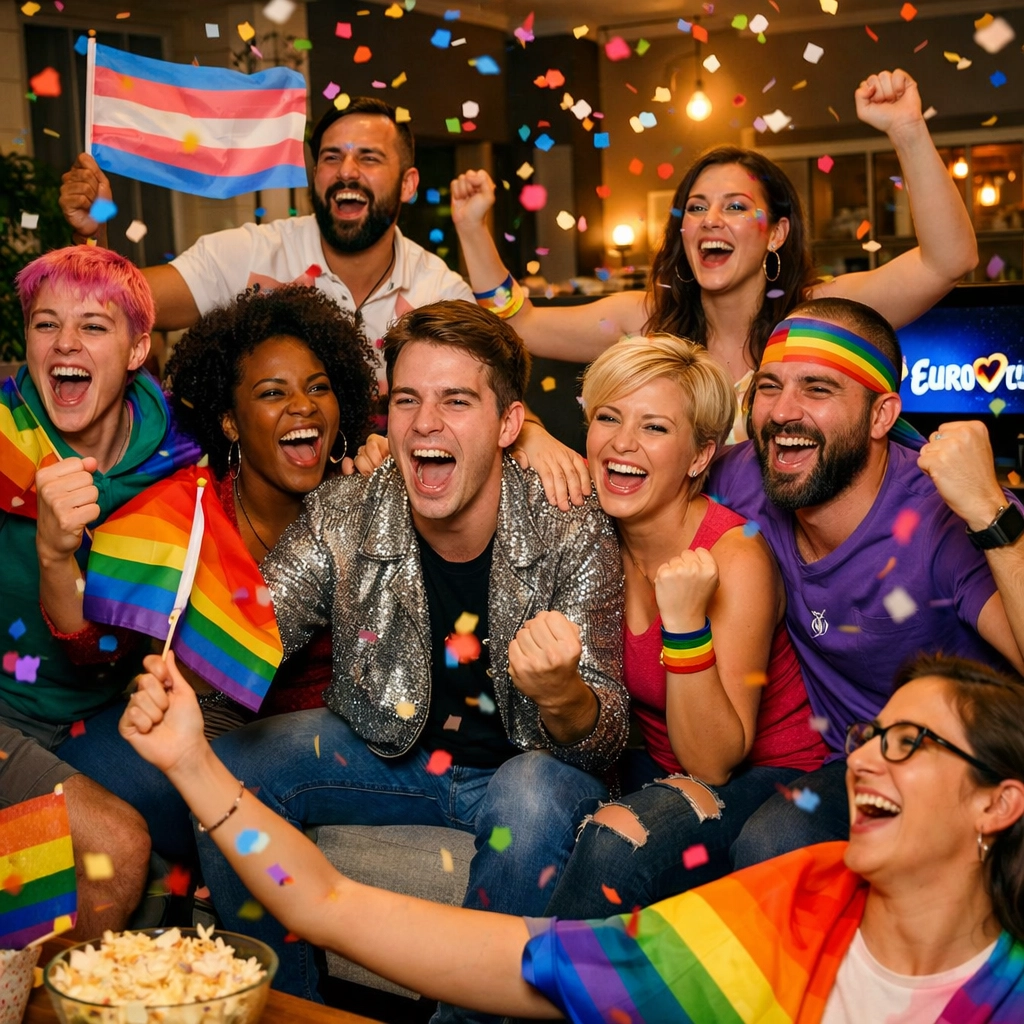
This is what progress looks like. This is what happens when talent meets authenticity, and nobody's asking anyone to hide who they love or how they identify. Eurovision has become the global standard for what inclusive entertainment can be, and honestly? Everyone else should be taking notes.
But Hold Up, There's a Plot Twist
Of course, nothing's ever straightforward in the world of queer rights (pun absolutely intended). Just when we thought Eurovision was our safe space, the European Broadcasting Union decided to throw us a curveball in 2025: no Pride flags allowed onstage or at official events.
Yeah, you read that right. The contest that's basically synonymous with rainbow everything decided that participants could only wave their country's flags. The official reasoning? "Clarity about national representation." The actual result? A lot of very confused and upset queer folks wondering why expressing solidarity through Pride colors suddenly became controversial.
Dutch advocacy group COC Nederland called it "ridiculous," comparing the ban to prohibiting people from holding hands or wearing earrings. Maria Sjödin from Outright International put it perfectly: "Limiting expressions of support for equality: through flags, colors, or words: weakens the spirit of Eurovision, which thrives on diversity, creativity, and freedom."
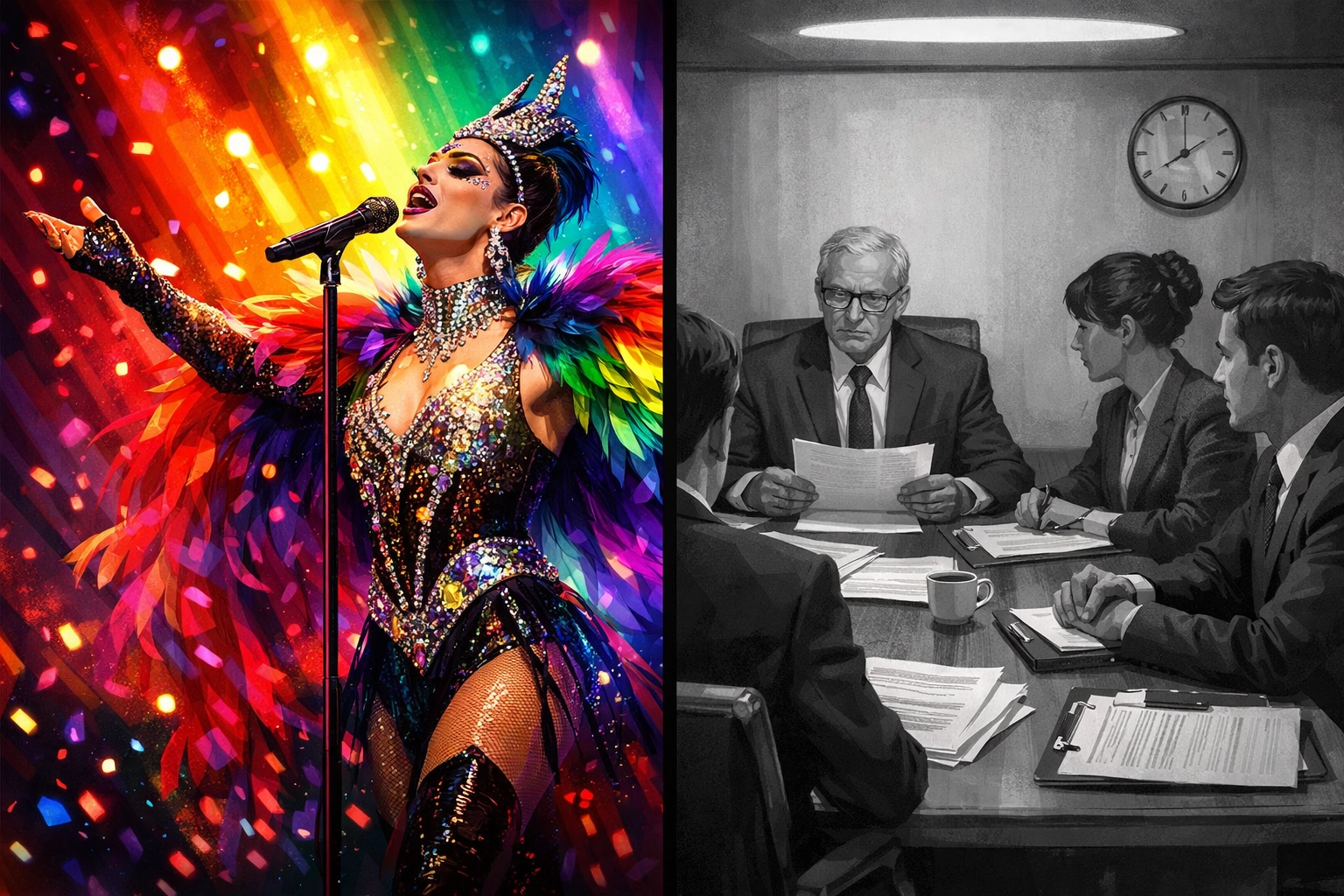
It's the kind of policy that makes you wonder if someone at the EBU forgot to read the room. Eurovision's entire brand is built on celebration, diversity, and over-the-top fabulousness. Trying to sanitize that feels like serving champagne in a paper cup: technically possible, but missing the entire point.
The Beauty of Non-Binary Brilliance
Here's where things get really interesting. While bureaucrats debate flag policy, the actual performers are out there shattering gender norms like it's their day job (spoiler: it kind of is). Non-binary and gender-nonconforming artists have found a home at Eurovision, using the platform to showcase identities that mainstream media often ignores.
The stage has become a space where traditional gender presentation goes out the window, replaced by something far more interesting: authentic self-expression. We're seeing performers who refuse to be boxed into "male" or "female" categories, who blend masculine and feminine aesthetics with the confidence of someone who knows exactly who they are.
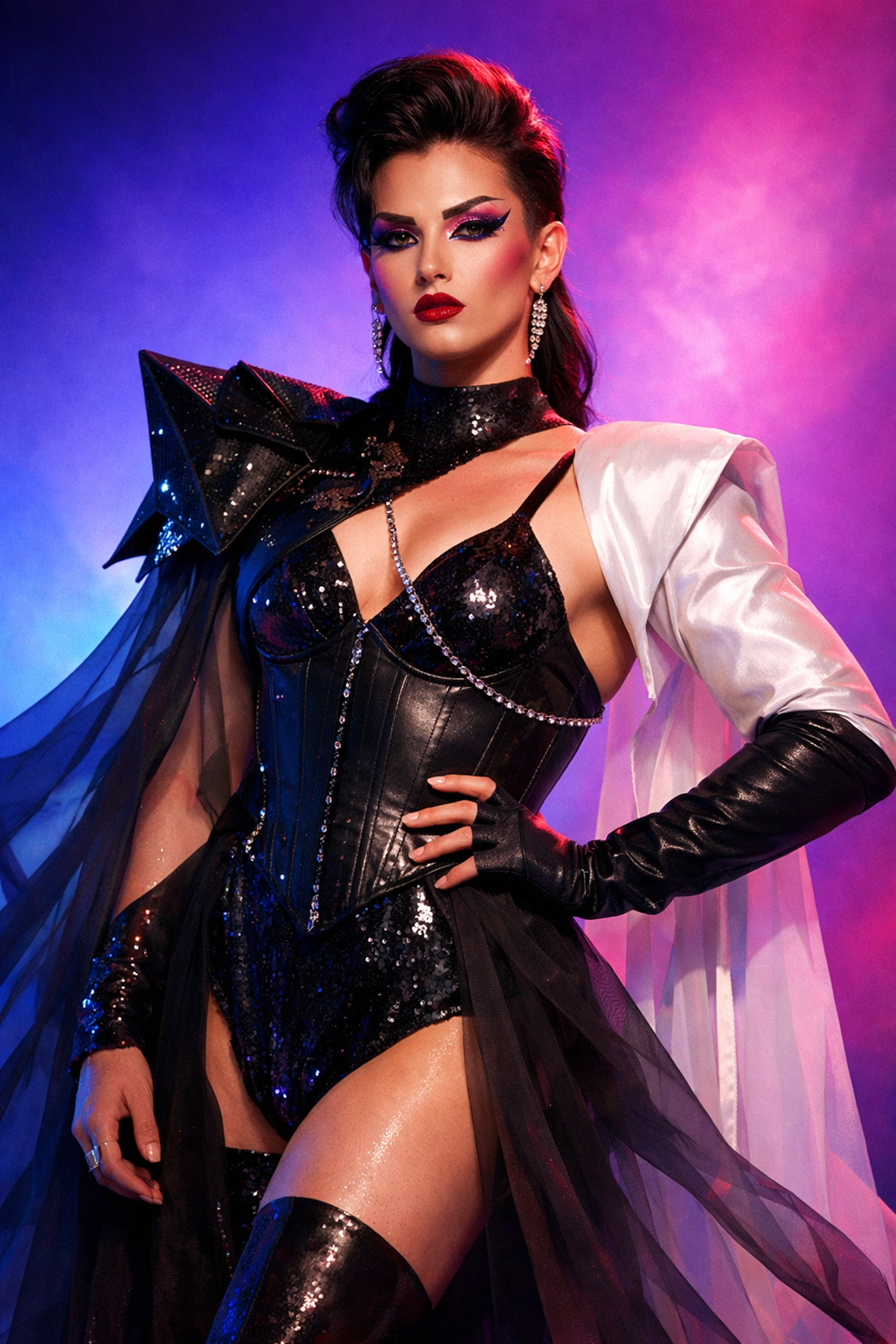
This isn't just about representation: it's about evolution. It's about showing young queer kids watching from their living rooms that there's no single way to be LGBTQ+. You can be a drag queen or a leather daddy, a femme fatale or a non-binary icon. Eurovision says, "Come as you are, and we'll literally spotlight you."
Why Eurovision Matters (Beyond the Glitter)
Let's get real for a second. Eurovision isn't just a singing competition: it's a cultural phenomenon that reaches hundreds of millions of viewers across dozens of countries, many of which still struggle with LGBTQ+ rights. For someone living in a place where being queer is dangerous or taboo, seeing an openly gay artist win Eurovision can be life-changing.
It's proof that queer joy exists. It's proof that we're not just surviving: we're thriving, winning, and being celebrated on an international scale. It's the message that your identity isn't something to hide; it's something that deserves a standing ovation and probably some pyrotechnics.
The contest has become a de facto Pride event, a yearly reminder that Europe (and increasingly, the world) is moving toward acceptance. Even with setbacks like the flag ban, the trajectory is clear: queer artists aren't going anywhere, and they're not dimming their shine for anyone.
Looking Ahead: The Future Is Non-Negotiable
So what does the future hold for Eurovision and its unapologetically queer identity? If recent trends tell us anything, it's that the queer presence will only grow stronger. More trans and non-binary artists will take the stage. More countries will send openly LGBTQ+ performers. More songs will celebrate queer love without apology or euphemism.
The flag controversy is just that: a controversy, not a reversal. You can ban Pride flags, but you can't ban pride itself. Artists will find new ways to express solidarity and identity, because creativity always finds a way. Whether it's through costume design, choreography, or lyrics that speak directly to the queer experience, the message will get through.
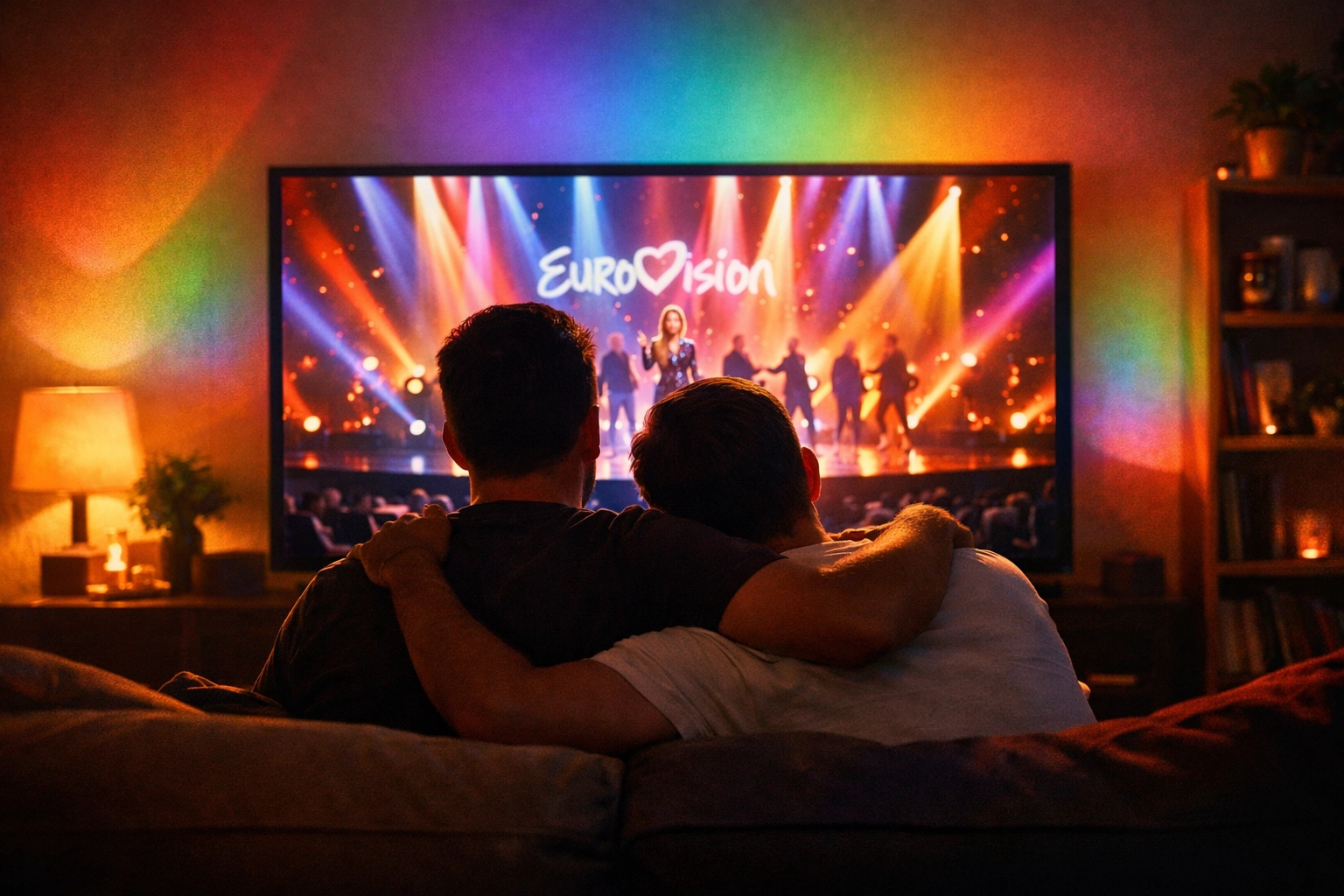
Eurovision's future is queer because culture is increasingly queer. Gen Z and younger audiences don't just tolerate LGBTQ+ identities: they celebrate them, demand representation of them, and won't settle for content that excludes them. The contest has to evolve to meet its audience, and that audience is rainbow-colored and here to stay.
Your Part in This Story
We've spent 40 stories exploring how Eurovision became the queer cultural touchstone it is today. From hidden histories to current controversies, from closeted performers to out-and-proud icons, we've seen how far we've come: and how far we still have to go.
The future of Eurovision is being written right now, in every artist who dares to be authentic, in every viewer who demands better representation, in every person who refuses to let bureaucratic policies dim the rainbow.
At Read with Pride, we're committed to celebrating these stories, preserving this history, and looking forward to a future where queer visibility isn't controversial: it's just Tuesday. Whether you're into MM romance books that explore love in all its forms or LGBTQ+ fiction that captures our community's complexity, we've got you covered.
The future of Eurovision is unapologetically queer. The future of storytelling is unapologetically queer. And honestly? The future itself is looking pretty damn queer from where we're standing.
Thanks for joining us on this journey through Eurovision's magnificent gay history. Now go forth, stream some Eurovision bangers, wave your flags (virtual or otherwise), and remember: visibility isn't a privilege we're granted: it's a right we claim, one fabulous performance at a time. 🏳️🌈✨
Stay connected with Read with Pride:
- Website: readwithpride.com
- Facebook: facebook.com/readwithpride
- Instagram: @read.withpride
- Twitter/X: @Read_With_Pride
#Eurovision #LGBTQPride #QueerCulture #ReadWithPride #MMRomance #GayRomanceBooks #LGBTQFiction #QueerVisibility #NonBinaryRepresentation #PrideInEurovision #GayBooks #LGBTQEbooks #QueerFiction #GayLiterature #2026Pride #EurovisionHistory #QueerJoy #Readwithpride #AuthenticLove #InclusivityMatters

Leave a Reply
You must be logged in to post a comment.