


When words fail, the body speaks. For generations, gay and queer performers have used dance as a language all its own: one that doesn't need translation, doesn't need permission, and certainly doesn't need to fit into society's neat little boxes. Much like the MM romance books we celebrate at Read with Pride, dance tells stories of love, desire, struggle, and triumph. But instead of pages, these stories unfold in movement. Instead of chapters, they flow through choreography.
And honestly? Sometimes a perfectly executed leap says more than a thousand words ever could.
When Your Body Becomes the Narrative
Dance has always been radical for queer performers. In times when being openly gay could cost you everything, dancers found ways to tell our stories through gesture, movement, and the unspoken language of the body. Today, that tradition continues: but with a fierce new energy.
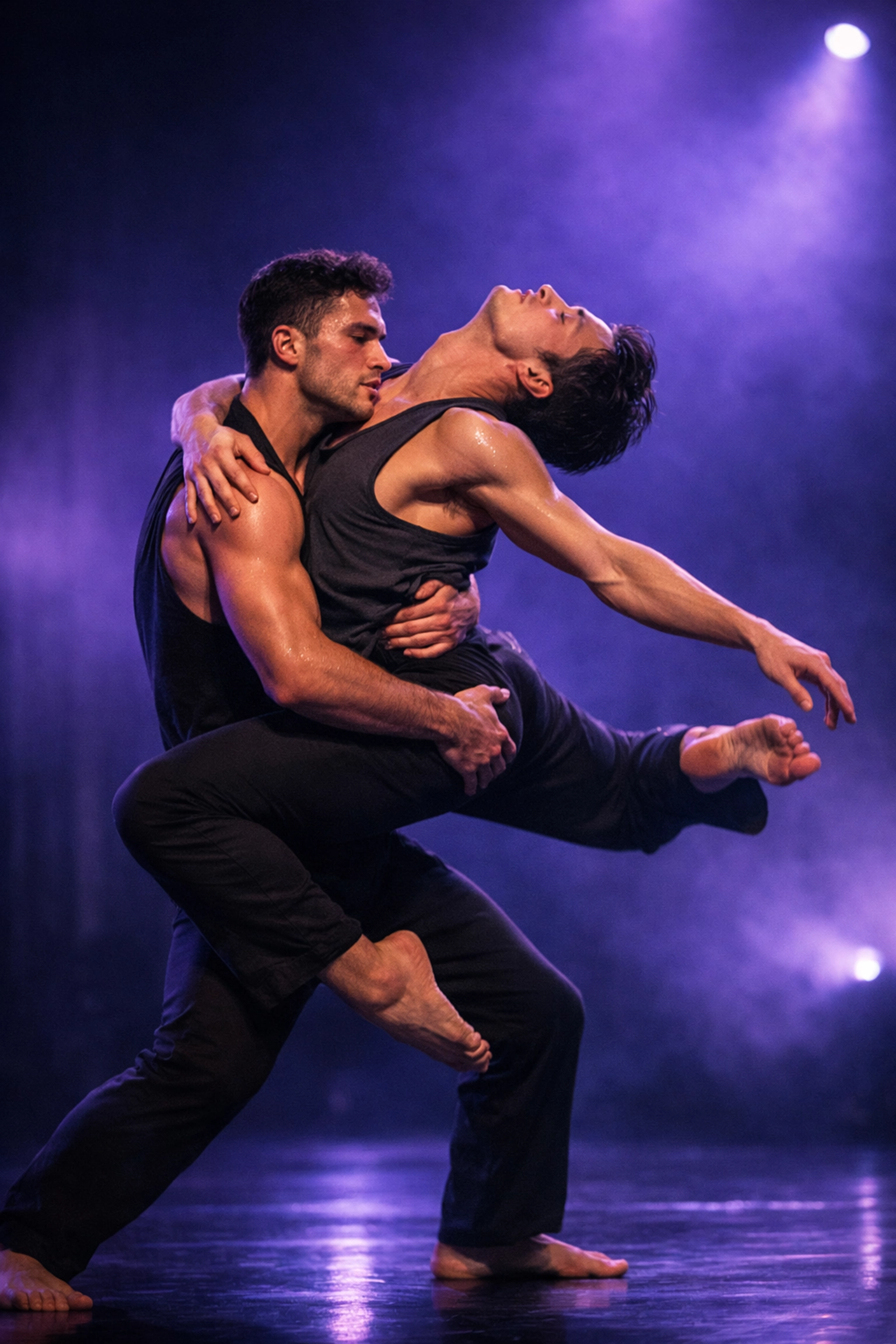
Choreographers like Sean Dorsey, a trailblazing transgender artist, create what's been described as "a fusion of full-throttle dance, storytelling and theater." His work doesn't just entertain: it bears witness. It holds space for trans and queer experiences that mainstream media often ignores or distorts. Through contemporary movement, theatrical narrative, and raw emotional vulnerability, Dorsey transforms the stage into a sanctuary where our stories finally get told on our own terms.
Then there's Rogelio Lopez, a queer Latinx immigrant choreographer who blends theatrical vignettes, video projection, singing, and partnered dancing to navigate his complex identity. His work draws from folklorico, cumbia, modern, and contemporary dance: creating a rich tapestry that speaks to the intersections of queerness, immigration, and cultural heritage. He uses camp and drag not as gimmicks, but as powerful tools of resistance and joy.
These aren't just performances. They're acts of defiance. They're love letters to our community.
Breaking the Binary: Reimagining Classical Forms
Here's something beautiful happening in the dance world: queer performers are taking traditional forms: ballet, ballroom, folk dance: and queering the hell out of them.
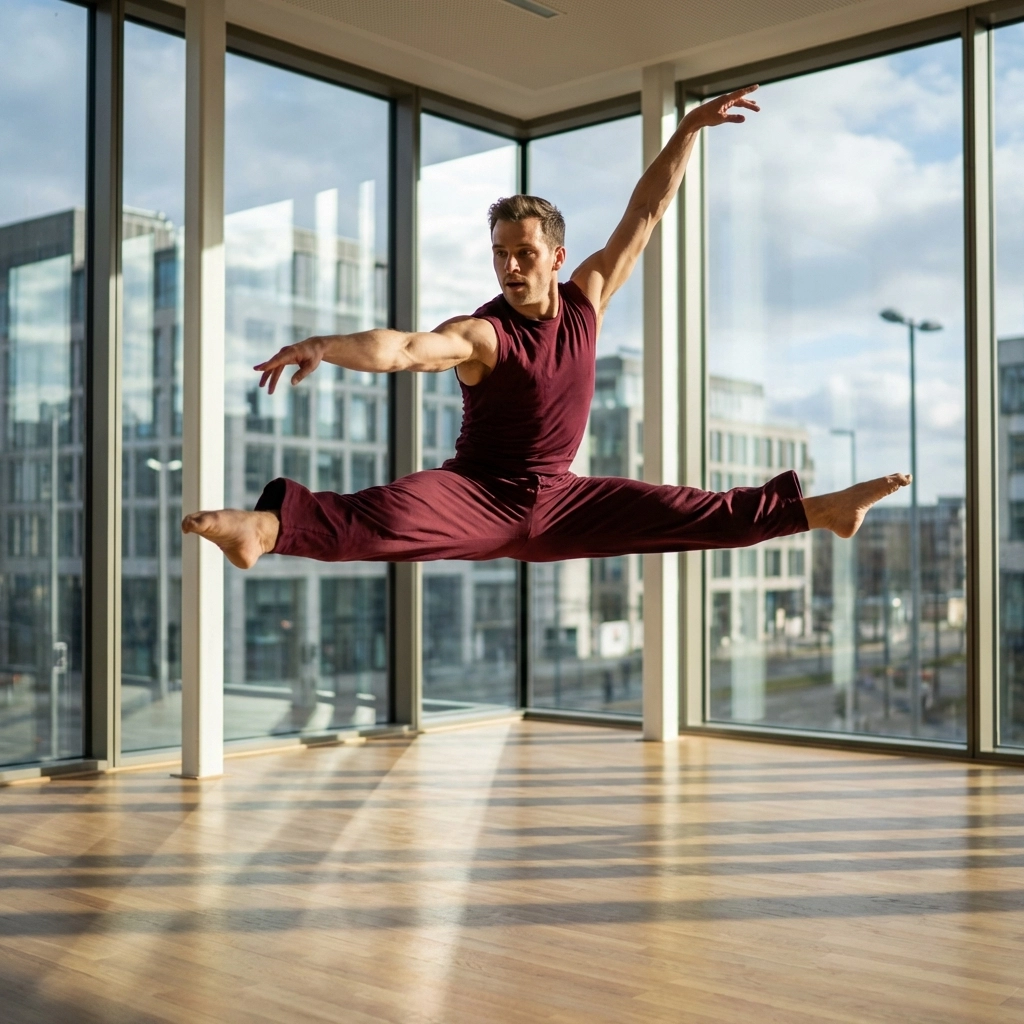
Ballet, with its rigid gender roles and heteronormative pas de deux, might seem like the last place for queer revolution. But watch a queer romantic pas de deux and you'll see something transformative. Male dancers partnering together, exploring vulnerability and intimacy without the "male gaze" that typically shapes classical ballet. As one performer noted, dancing authentically "felt a lot more vulnerable" precisely because it was real: no performance of heterosexuality, no hiding behind character.
This isn't about rejecting tradition. It's about expanding it. It's about saying, "Your rules don't define beauty or partnership or love." It's the same energy that drives the best gay romance novels: stories that center queer desire not as tragedy or taboo, but as something worth celebrating.
Queer dance artists multiply "ways of desiring to be (together) in the world," shifting what constitutes a desirable life through collective imagination and embodied enactment. They're literally dancing new realities into existence.
The Power of Vulnerability: Dancing Without Armor
There's something about watching queer dance that hits different. Maybe it's the generosity. Maybe it's the vulnerability. Maybe it's the recognition that what you're witnessing isn't just technique: it's testimony.
Gay and queer dancers often center trauma, joy, and the exhausting labor of simply surviving in marginalized bodies. They invite audiences into intimate moments of exchange and recognition. When a dancer moves through pain, you feel it. When they express joy, you want to leap with them.
This vulnerability is both the wound and the salve. It's saying, "This is what it costs to be me in this world: and look how beautifully I move through it anyway."
Theater Meets Movement: Multi-Modal Storytelling
What makes contemporary queer dance so compelling is how it refuses to be just one thing. Why choose between dance, theater, video art, and music when you can have all of it?
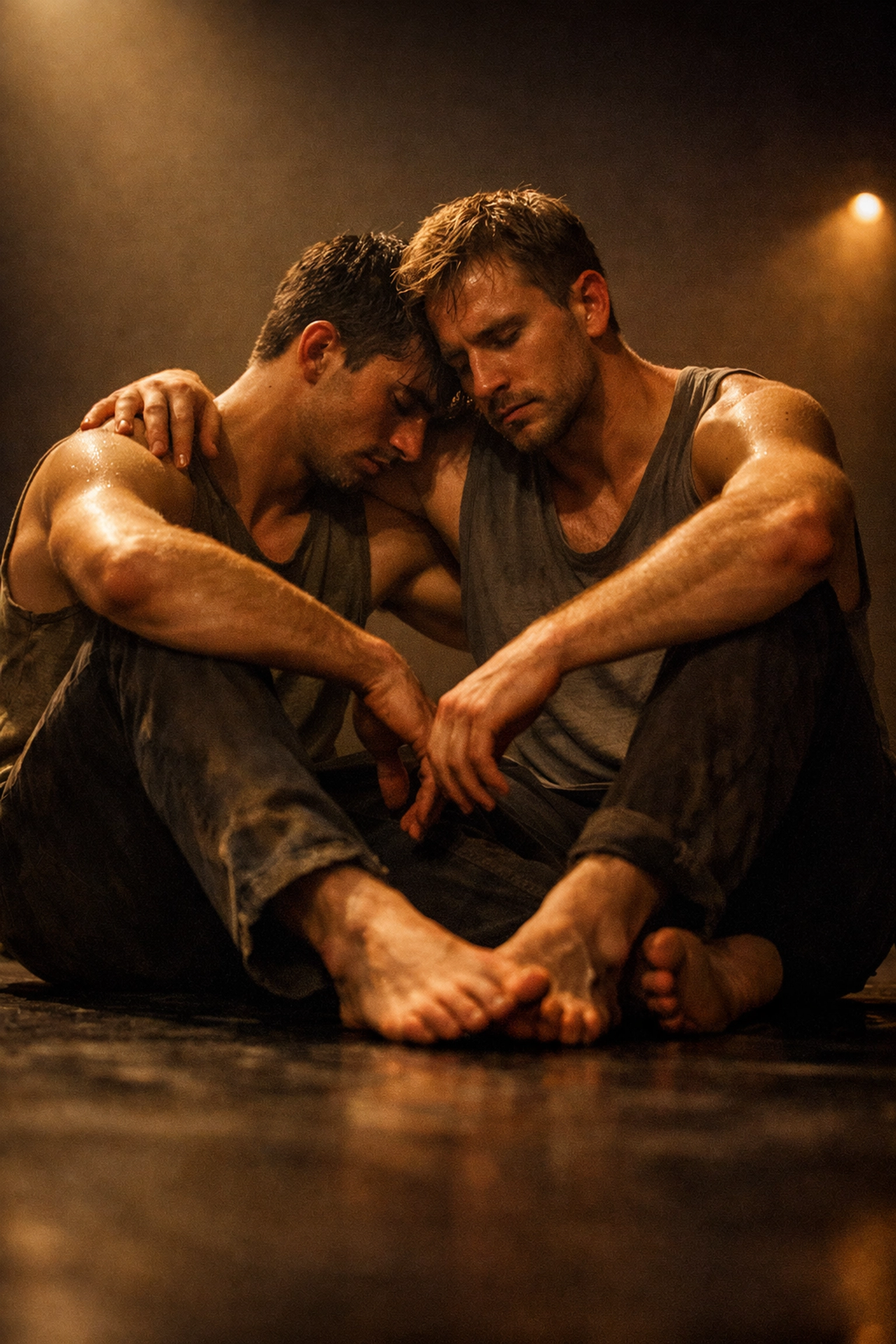
Modern queer choreographers layer their work with multiple artistic modes: video projection, spoken word, live singing, interactive elements: creating performances that engage audiences on multiple sensory and emotional levels. This isn't artistic indecision; it's artistic abundance. It's a rejection of the idea that any single medium can contain the fullness of queer experience.
Think of it like reading your favorite MM romance series: sometimes the love story needs a fantasy setting, sometimes it needs a contemporary backdrop, sometimes it needs a historical context. Queer dance works the same way. The medium serves the story, and the story demands whatever tools will tell it best.
The Audience as Co-Creator
Some of the most exciting work happening right now completely reimagines the relationship between performer and audience. Take Queer Dance Freakout, which creates interactive performance spectacles where audiences vote on which dances they want to see. Suddenly, you're not just watching: you're shaping the narrative.
This participatory approach transforms passive spectators into active community members. It's the same energy that drives queer spaces everywhere: we're all in this together, building something beautiful collectively.
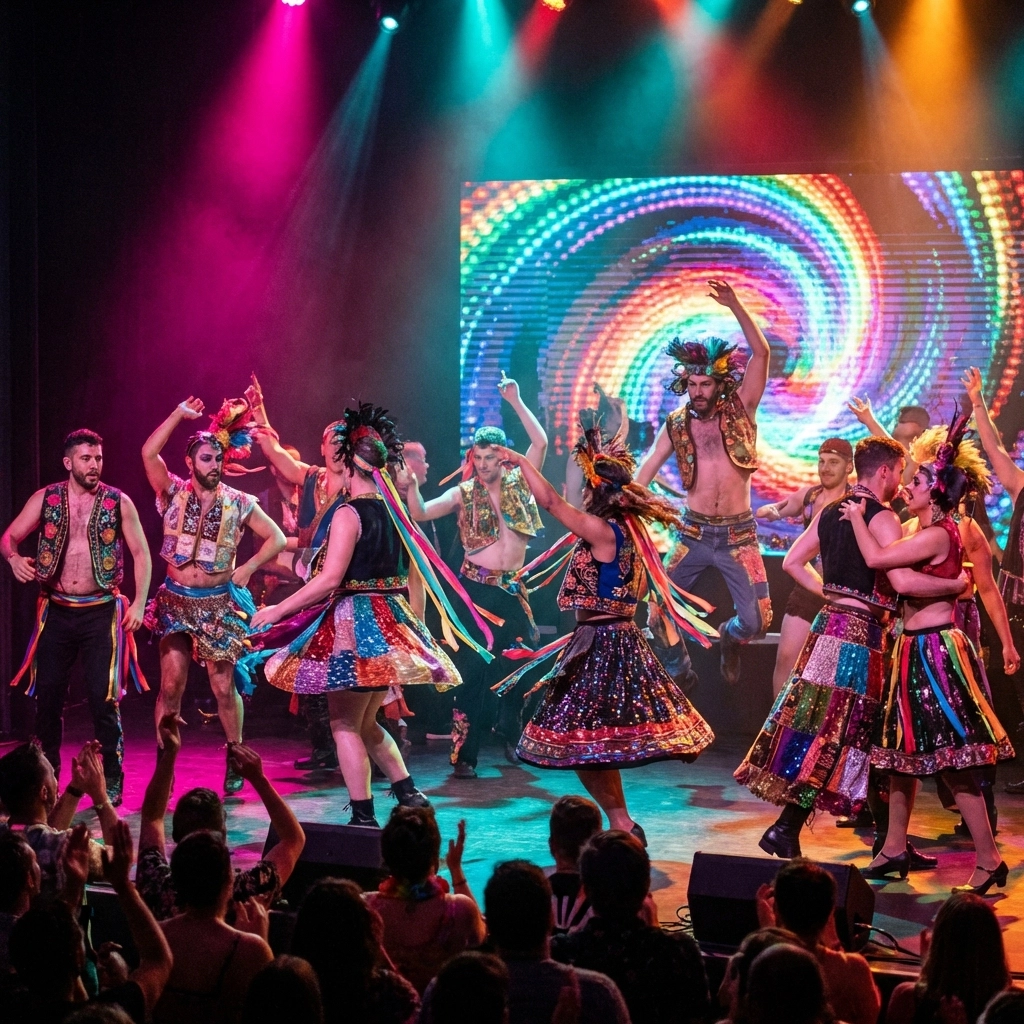
Interactive performance also democratizes art. It says, "Your preferences matter. Your voice counts. This isn't just for you: it's with you." In a world that often silences queer voices, that shift matters enormously.
Why Dance Matters to LGBTQ+ Storytelling in 2026
We're living in an era of incredible LGBTQ+ fiction, from steamy MM romance books to heartfelt gay novels that explore every facet of queer life. But dance offers something unique: immediacy. There's no page between you and the story, no screen separating you from the emotion. It's bodies in space, breathing the same air as you, vulnerable and powerful and utterly present.
Dance also crosses language barriers in ways that even the best gay romance novels can't. A story told through movement can reach across cultures, generations, and experiences. It's universal and specific all at once: much like love itself.
For those of us who champion queer fiction and LGBTQ+ storytelling at Read with Pride, dance represents another vital chapter in how we tell and preserve our stories. Whether you're reading a contemporary MM romance or watching a queer dance performance, you're participating in the ongoing work of making our lives visible, valuable, and celebrated.
Moving Forward
The language of dance: this beautiful, embodied form of storytelling: continues to evolve. Each performance adds to a growing archive of queer joy, queer struggle, queer desire, and queer survival. These dancers aren't just performing; they're documenting our existence, our resistance, and our right to take up space.
So next time you have the chance to see queer dance: take it. Watch how bodies tell stories that society tried to silence. See how movement can be both protest and celebration. Witness how vulnerability becomes strength when it's shared.
And if you can't make it to a live performance? Pick up one of the best MM romance books of 2026 and read about love stories that dance off the page. Because whether through movement or words, we're all telling the same essential truth: we're here, we're queer, and our stories matter.
Discover more LGBTQ+ stories and gay romance books that celebrate our community at readwithpride.com
Follow us: Facebook | Instagram | X/Twitter
#ReadWithPride #LGBTQBooks #MMRomance #GayRomance #QueerDance #LGBTQArt #QueerPerformance #GayFiction #MMRomanceBooks #QueerStories #LGBTQCommunity #GayBooks #QueerArtists #LGBTQPride #DanceIsResistance #MMNovels #GayLoveStories #QueerCulture

Leave a Reply
You must be logged in to post a comment.