


There's something undeniably magnetic about volleyball. Maybe it's the way six people move as one coordinated unit, or the electric energy of a perfectly timed spike. Or perhaps it's because volleyball has long been a space where LGBTQ+ athletes have found belonging, visibility, and a community that celebrates them exactly as they are.
In the world of gay sports statistics, volleyball consistently ranks among the most popular activities in the LGBTQ+ community: and for good reason. It's social, competitive, inclusive, and requires the kind of trust and communication that builds genuine connections both on and off the court.
Why Volleyball Resonates with the LGBTQ+ Community
Volleyball has cultivated a reputation as one of the most welcoming sports for LGBTQ+ players. From recreational beach leagues to competitive indoor tournaments, the sport has become a cornerstone of queer athletic culture worldwide. Cities with thriving LGBTQ+ communities often feature dedicated volleyball leagues where players of all skill levels come together.
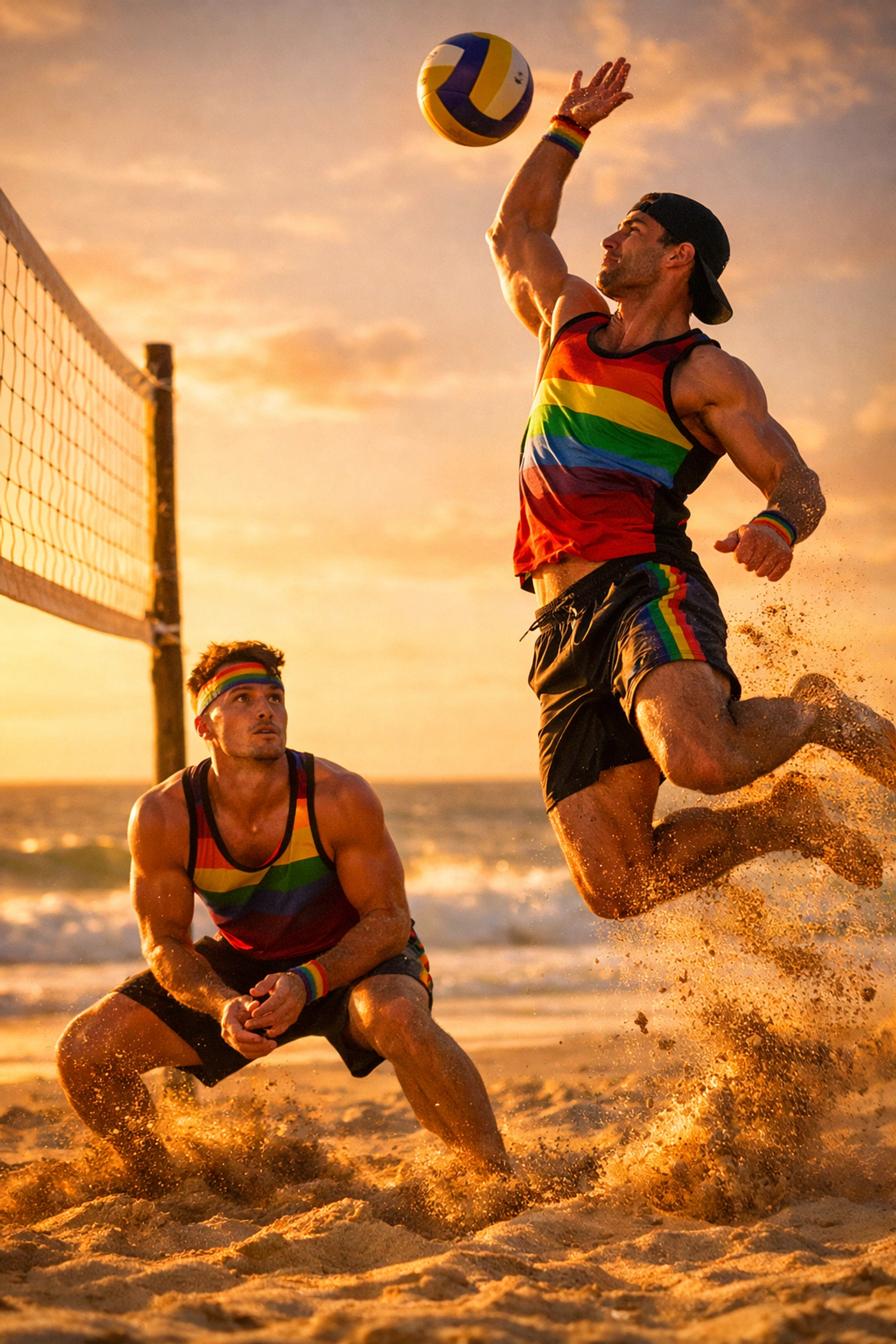
The appeal goes beyond just the game itself. Volleyball creates a natural social environment: teams practice together, travel to tournaments, and build friendships that extend far beyond the court. The sport demands vulnerability and trust, qualities that resonate deeply within a community that values authenticity and mutual support.
For many LGBTQ+ athletes who may have felt excluded from traditional sports environments, volleyball offers a refreshing alternative. There's no hiding on a volleyball court: every player has a role, every position matters, and success depends entirely on how well the team works together.
The Art of Teamwork: Communication is Everything
What distinguishes volleyball from other sports is the absolute necessity for coordinated effort. Unlike basketball or soccer where individual brilliance can sometimes carry a team, volleyball requires all six players to work together seamlessly on every single play.
Communication forms the backbone of volleyball teamwork. Teammates must constantly talk to each other: calling "Mine!" or "Ball!" to claim hits, directing passes, and providing encouragement. This verbal coordination isn't optional; it's essential. The best teams sound like a symphony of voices, each player contributing to the collective awareness.
Specific vocal cues create clarity in high-pressure moments. Calling to the teammate you're passing to, announcing blocks, communicating defensive adjustments: these elements foster a strong sense of camaraderie and unity. You're not just playing alongside your teammates; you're actively engaged in constant dialogue with them.
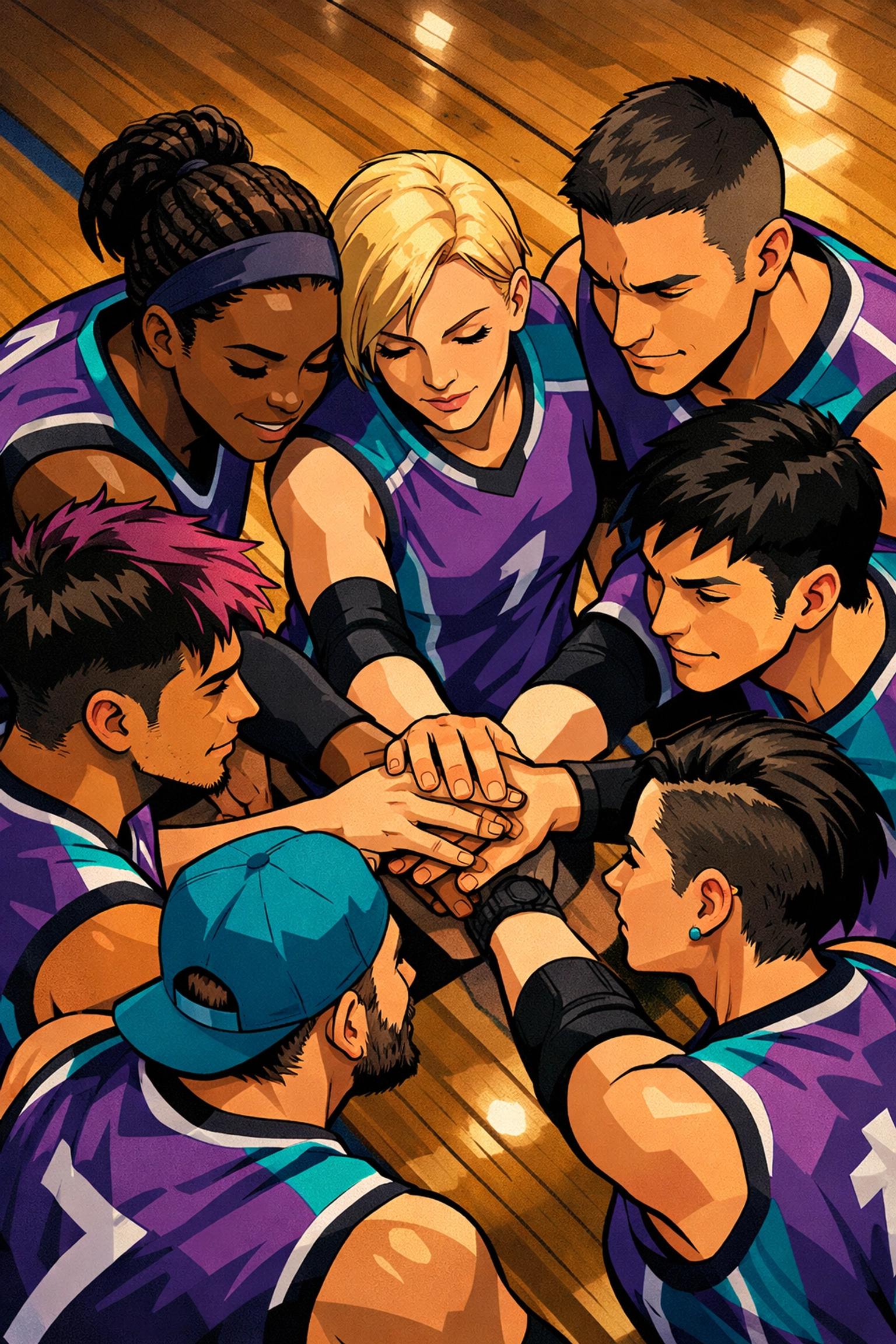
Positional awareness enables split-second decision-making. Players must be constantly aware of their teammates' positions and movements to make quick adjustments during a game. A setter needs to know where their hitters are. Back row players need to read the front row's positioning. Everyone needs to understand rotation responsibilities.
Coaches develop this awareness through specific drills: small group passing exercises where players shuffle between teammates at different angles, defensive scenarios that require instant repositioning, and serve-receive patterns that demand perfect spacing. The result? A team that moves like a single organism, anticipating needs before they're even voiced.
Movement, Energy, and Court Presence
The best volleyball teams understand that visibility on the court goes beyond physical positioning: it's about creating energy and maintaining competitive intensity throughout every point.
Movement creates energy. Demanding animation, communication, and running to position during play keeps the team engaged and prevents defensive lapses. When one player hustles for a ball, it inspires everyone else. When the bench celebrates a great play, it fuels the players on the court. This collective energy becomes contagious.
Successful teams maintain what coaches call "competitive posture": clarity in knowing assignments and executing them properly. It's the difference between a team that looks tentative and one that looks unstoppable. Every player stands ready, weight on their toes, eyes tracking the ball, voice ready to call out.
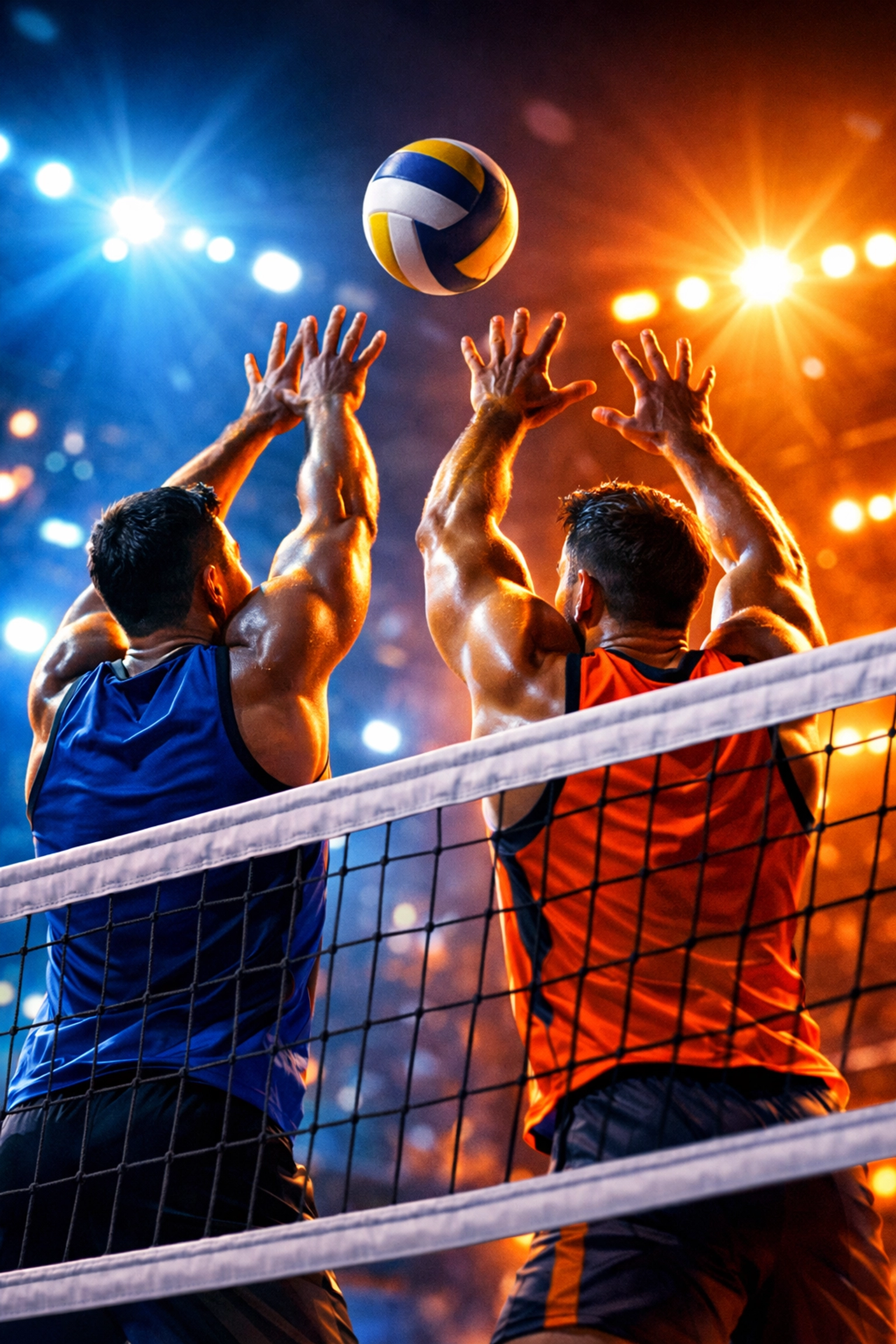
Momentum control separates good teams from great ones. Smart coaches react quickly before losing multiple points, determining whether problems are emotional or strategic in nature. Is the team tired? Discouraged? Or do they need a tactical adjustment? Reading these subtleties and responding appropriately keeps the team competitive even during challenging moments.
Volleyball in MM Romance: Perfect Sports Romance Material
For those of us who love a good MM romance book, volleyball provides incredible storytelling potential. Think about it: the sport naturally creates scenarios that romance writers dream about:
Forced proximity? Check. You're literally passing a ball back and forth with your teammates for hours at practice.
Teamwork-to-lovers? Absolutely. Learning to trust someone on the court creates natural progression to trusting them off the court.
Rivals-to-lovers? Beach volleyball tournaments pit duos against each other, creating perfect tension before inevitable attraction.
Sports romance remains one of the most beloved tropes in gay fiction, and volleyball offers unique dynamics. Unlike solitary sports, volleyball players must learn vulnerability: admitting when they need help, celebrating teammates' successes, and supporting each other through mistakes. These are the exact qualities that make compelling romantic leads.
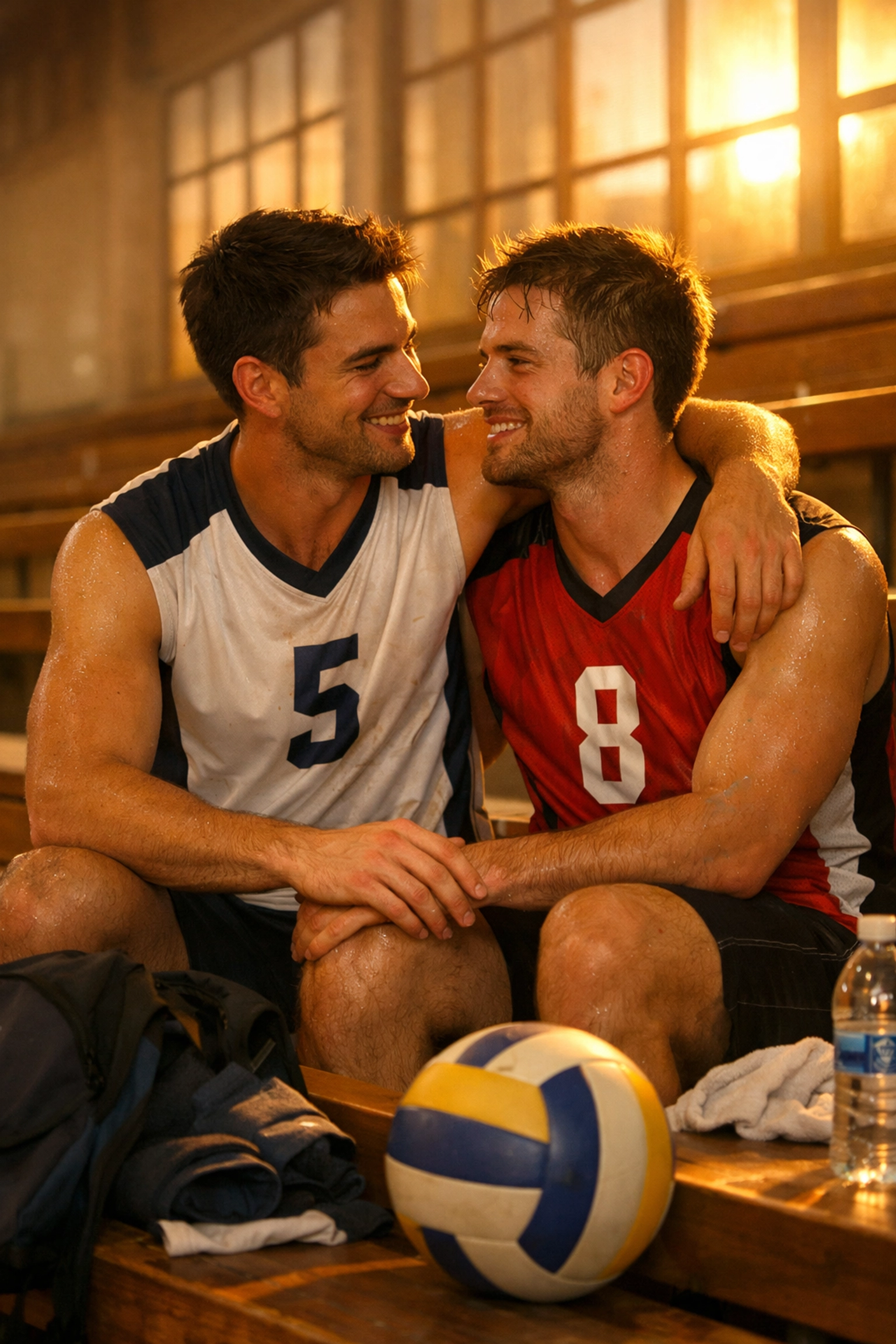
Contemporary gay romance novels often feature athletes who find love through their sport, and volleyball's emphasis on communication and trust provides rich material for emotional development. The locker room conversations, the post-game celebrations, the training montages: it all translates beautifully to the page.
Building Inclusive Spaces Through Sport
The LGBTQ+ volleyball community has worked intentionally to create inclusive spaces. Organizations like the International Gay and Lesbian Aquatics Association (IGLA) and various regional LGBTQ+ sports leagues host volleyball tournaments that welcome players of all identities and skill levels.
These tournaments become more than just competitions: they're celebrations of queer community, visibility, and athletic excellence. Players travel from around the world to participate, forming international friendships and building networks that support LGBTQ+ athletes globally.
The visibility aspect extends beyond just being seen on the court. LGBTQ+ volleyball leagues create safe spaces where players can be authentically themselves without fear of discrimination or judgment. Where heterosexual athletes might take such spaces for granted, for many LGBTQ+ players, these leagues represent the first time they've felt truly welcome in an athletic environment.
Why This Matters for Readers
Whether you're an athlete yourself or simply appreciate stories about teamwork, competition, and human connection, volleyball embodies values that resonate throughout LGBTQ+ culture: authenticity, mutual support, and celebrating each other's strengths.
And while you're recovering from your next game (or reading about characters recovering from theirs), there's no better companion than a great book. At Read with Pride, we celebrate stories that showcase LGBTQ+ characters in all their complexity: including athletes finding love, building teams, and discovering themselves through sport.
From steamy MM romance featuring volleyball players to heartfelt gay fiction exploring team dynamics and personal growth, our collection offers something for every reader who appreciates authentic queer storytelling. Because just like volleyball, the best stories are the ones where everyone works together to create something beautiful.
Ready to explore more LGBTQ+ content? Follow us on Facebook, Instagram, and X/Twitter for daily recommendations, community conversations, and celebrations of queer literature.
Visit Readwithpride.com to discover your next favorite MM romance book.
#VolleyballPride #LGBTQSports #GayVolleyball #MMRomance #ReadWithPride #QueerAthletes #SportsRomance #GayRomanceBooks #LGBTQFiction #TeamworkAndLove #MMRomanceBooks #GayFiction #QueerSports #LGBTQCommunity #GayLoveStories #2026LGBTQ #MMContemporary #GayBooks #QueerFiction #VolleyballCommunity

Leave a Reply
You must be logged in to post a comment.