

readwithpride.com
Here's the thing about Indian cinema, it's given us epic love stories, dramatic family sagas, and dance numbers that live rent-free in our heads. But when it came to LGBTQ+ representation? Bollywood mostly gave us coded characters, comedic relief, or tragic endings. For decades, queer Indians watched themselves either disappear from the screen entirely or show up as punchlines.
Then the digital revolution happened, and everything changed.
When the Internet Said "Let's Try Something Different"
The rise of streaming platforms like Netflix, Amazon Prime Video, Disney+ Hotstar, and homegrown platforms like ALTBalaji and MX Player didn't just change how Indians consumed content, it transformed what stories could be told. Suddenly, creators weren't beholden to theatrical releases, censor board scissors, or the dreaded "family audience" metric that kept Bollywood playing it safe.
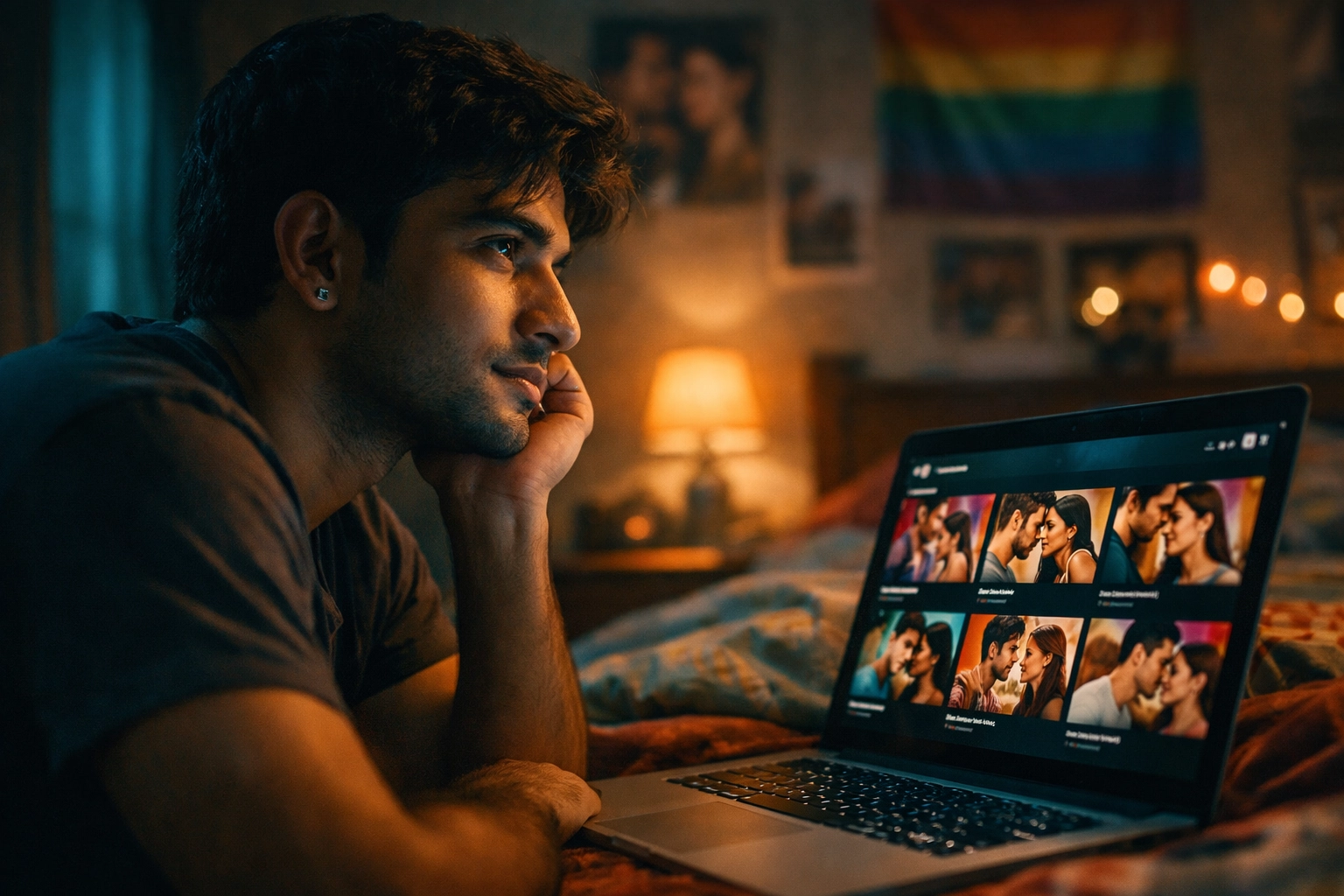
Web series could be raw. They could be messy. They could show queer characters as actual people with jobs, families, sex lives, and storylines that didn't revolve around coming out trauma or tragedy. After the historic 2018 Supreme Court verdict that decriminalized homosexuality by reading down Section 377, the floodgates opened even wider.
Digital platforms realized what queer audiences already knew: we're hungry for stories that reflect our actual lives. Not the sanitized, heteronormalized version Bollywood had been serving up.
The Shows That Changed the Game
Let's talk specifics, because this isn't just theory, this is happening right now.
"Made in Heaven" on Amazon Prime Video didn't tiptoe around queer characters. It centered them. The show follows two wedding planners in Delhi, one of whom is a gay man navigating his identity, family expectations, and relationships in contemporary India. The series doesn't shy away from showing intimacy, conflict, and the complicated reality of being queer in a country still learning to accept its LGBTQ+ citizens.
"Aarya" might be a crime thriller, but it casually includes lesbian characters without making their sexuality the entire plot point. That's revolutionary in its own quiet way, just letting queer people exist in stories about other things.
Then there's "Four More Shots Please!" which features a bisexual character whose journey isn't about confusion or "choosing a side." She's complex, flawed, and fully realized. The show treats her sexuality as one aspect of who she is, not a problem to be solved.
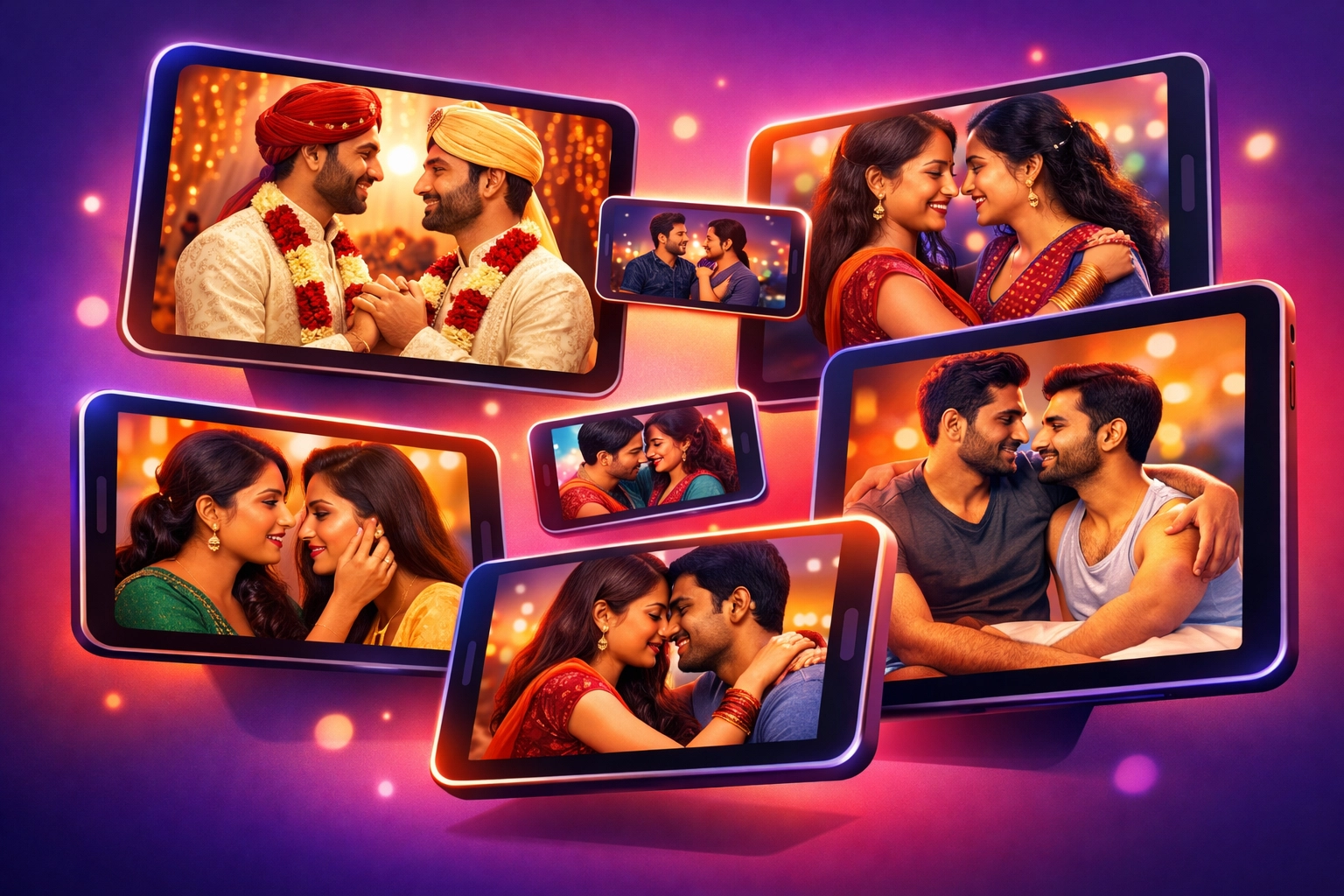
"Feels Like Ishq" includes a queer love story in its anthology format, normalizing same-sex romance alongside heterosexual ones. No fanfare, no tragedy, just two people falling for each other.
And platforms like ALTBalaji have been particularly bold, with shows like "His Storyy" exploring a married man's relationship with a younger man, tackling bisexuality, marriage, and societal pressure head-on.
Why Digital Platforms Work Where Bollywood Struggled
Traditional cinema operates under different constraints. A film needs to appeal to the widest possible audience to justify theatrical release costs. It faces intense scrutiny from censor boards. It relies on star power and formulas that have worked before.
Web series? They can be niche. They can find their audience globally, not just in Indian theaters. They don't need to make 100 crores at the box office to be considered successful. A dedicated viewership of even a few million subscribers makes them profitable.
This economic freedom translates to creative freedom. Writers can develop characters over eight or ten episodes instead of cramming everything into a two-hour runtime. They can show the messy middle parts of coming out, not just the "I'm gay" declaration and the immediate aftermath. They can explore queer sex and intimacy without the censor board bleeping every kiss.

The research backs this up: 97% of respondents in recent studies believe LGBTQ+ acceptance has increased in India over the past five years, with digital platforms and social media playing a critical role in this shift. When you can see yourself represented authentically on screen, when your friends and family can watch queer characters living full lives, it changes perceptions.
The Ripple Effect Beyond the Screen
Here's what gets really interesting: these web series aren't just reflecting change, they're driving it.
Social media platforms like Twitter, Instagram, and WhatsApp have become spaces where fans discuss these shows, share clips, and create communities around queer representation. Hashtags trend. People who might never attend a Pride march are suddenly having conversations about LGBTQ+ rights because of a character they fell in love with on a streaming platform.
Digital influencers and platforms like Gaysi, Gaylaxy, and yes, even Read with Pride create interconnected ecosystems where queer Indians can find not just entertainment, but community, resources, and validation. The lines between consuming content and participating in activism blur in beautiful ways.
This digital revolution has also enabled what scholars call "transnational solidarity": queer Indians connecting with diaspora communities, sharing experiences, and building support networks that span continents. A teenager in Mumbai can watch the same show as their cousin in Toronto and text about it instantly.
It's Not All Rainbow Confetti
Let's be real for a second: digital spaces aren't perfect. Online harassment exists. Dating apps can be sites of discrimination and even violence. Access to streaming platforms isn't universal: economic barriers mean not everyone can participate in this digital revolution equally.
And representation on screen doesn't automatically translate to safety on the streets. Section 377 might be history, but homophobia isn't. Many queer Indians still face rejection from families, workplace discrimination, and violence.
But here's the thing about visibility: once you see something, you can't unsee it. Every authentic queer character on a web series is a tiny act of resistance against erasure. Every time a mainstream platform greenlights LGBTQ+ content, it normalizes queer existence just a little bit more.
What This Means for MM Romance and Queer Fiction
For those of us who love gay romance books and MM romance novels, this digital shift in India opens up exciting possibilities. As web series normalize queer love stories, there's growing appetite for LGBTQ+ fiction that reflects Indian experiences. We're seeing more South Asian authors writing gay novels and queer fiction that doesn't just transplant Western narratives onto Indian characters.
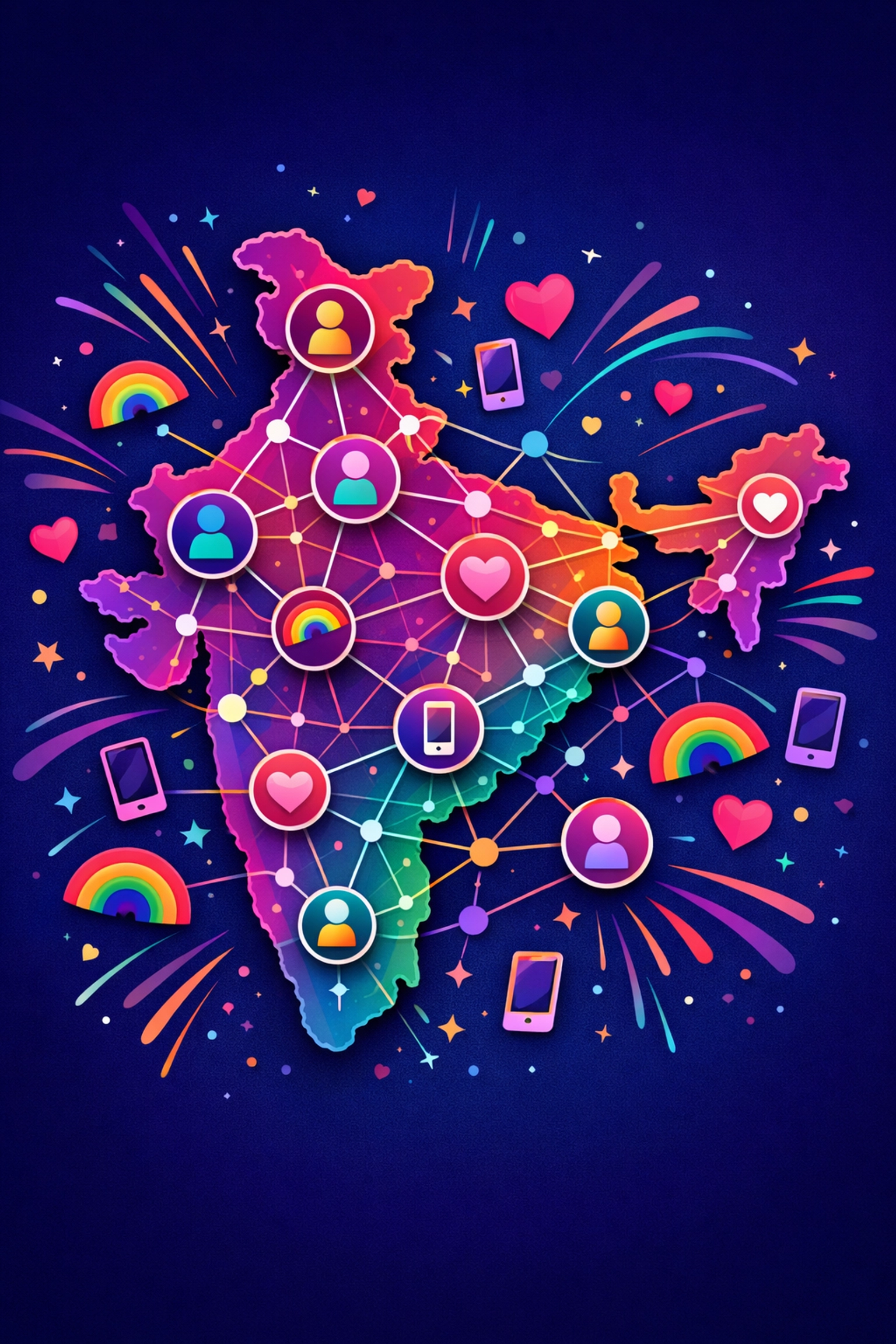
The best MM romance books understand that love stories are shaped by culture, family dynamics, and social context. As digital platforms prove there's a massive audience hungry for authentic Indian queer content, publishers and authors are taking notice. The same streaming algorithms that recommend web series can lead viewers to gay romance novels and LGBTQ+ ebooks that explore similar themes.
The Future Looks Quietly Revolutionary
We're at this fascinating inflection point where digital platforms have proven queer stories are commercially viable and culturally important. The success of LGBTQ+-inclusive web series in India is making even traditional Bollywood reconsider its approach.
Will we see big-budget theatrical releases with queer protagonists? Maybe. But honestly, the revolution might not need movie theaters. It's happening on phones and laptops, in living rooms and bedrooms, one episode at a time.
The digital revolution hasn't just given queer Indians new stories to watch; it's given us permission to tell our own. And that's worth celebrating.
Follow us for more LGBTQ+ stories and perspectives:
Facebook | Instagram | Twitter/X
Explore authentic gay romance, MM fiction, and LGBTQ+ literature at ReadWithPride.com
#LGBTQIndia #QueerBollywood #MMRomance #GayRomanceBooks #DigitalRevolution #IndianWebSeries #QueerRepresentation #LGBTQFiction #ReadWithPride #Section377 #QueerStories #MMRomanceBooks #GayFiction #LGBTQContent #IndianLGBTQ #StreamingRevolution #AuthenticRepresentation #QueerVisibility #GayRomanceNovels #2026LGBTQ

Leave a Reply
You must be logged in to post a comment.