
readwithpride.com
The Olympic Village has always been more than just temporary housing for athletes. It's a bubble, a brief, shimmering moment suspended from the rest of the world where the impossible feels possible. Where a ski jumper from Norway might share a meal with a speed skater from South Korea. Where a swimmer from Jamaica might fall in love with a diver from Egypt. And where, for just a few precious weeks, some LGBTQ+ athletes can finally breathe freely, even if they know the air will get thinner the moment they board their flight home.
The Village Where Walls Come Down
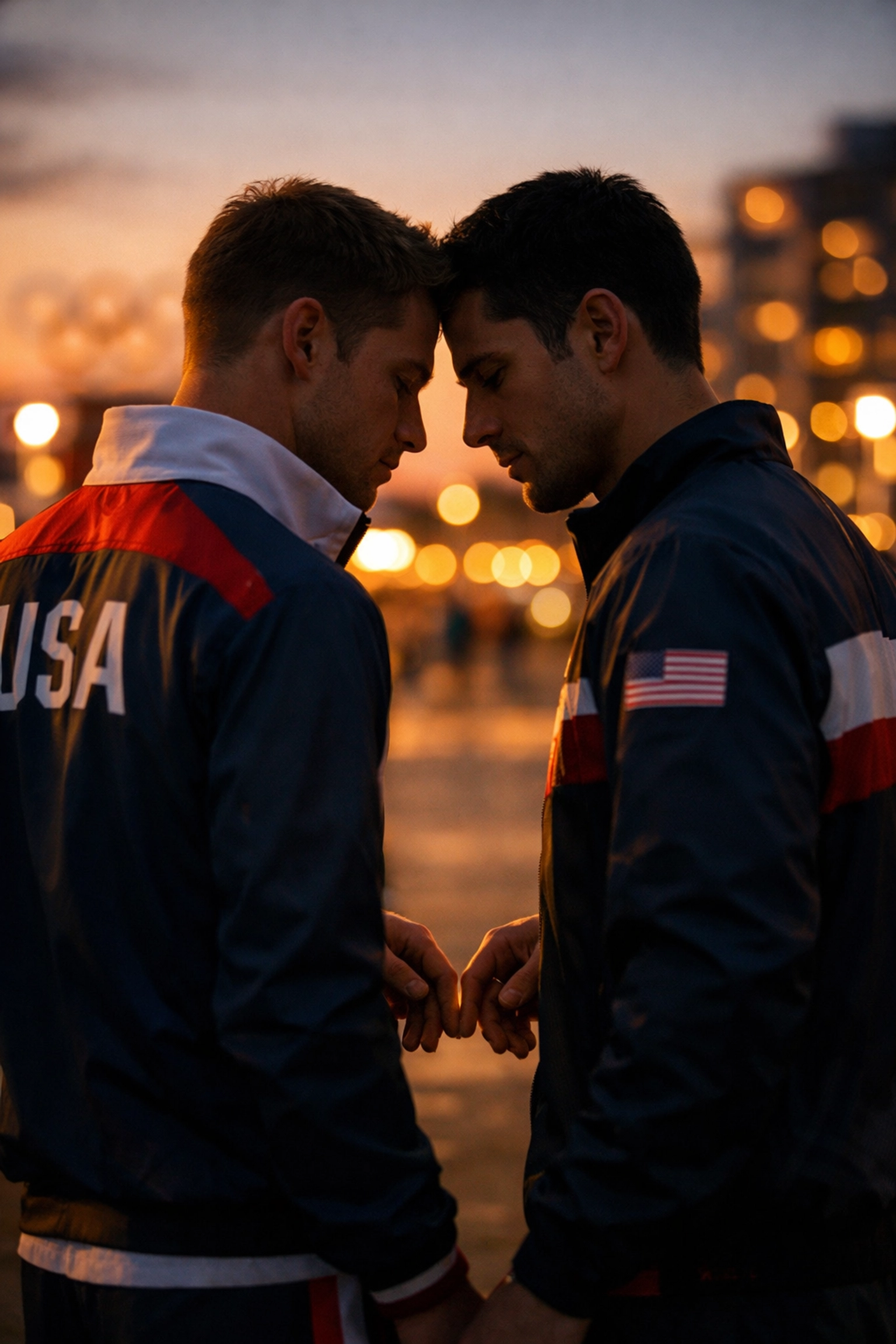
Inside the gates of an Olympic Village, whether in the snowy mountain towns hosting Winter Games or the bustling cities of Summer Olympics, there's an unspoken understanding. Here, thousands of the world's most disciplined athletes push their bodies to impossible limits. They've sacrificed relationships, education, financial security, and sometimes their mental health for these moments. The least they deserve is to be themselves.
For many gay, bisexual, and queer athletes, the Olympic Village represents the first time they've ever been surrounded by such diversity, such acceptance. It's not perfect, prejudice doesn't disappear just because you cross through security, but it's different. You see same-sex couples holding hands at the dining hall. You notice the rainbow pins on backpacks. You hear conversations in a dozen languages about pride, identity, and love.
The village becomes a sanctuary for those who've never had one. An ice hockey player from Eastern Europe might finally kiss another man without looking over his shoulder. A gymnast from the Middle East might share her truth with teammates who won't reject her. These stolen moments of authenticity feel revolutionary because, for some, they genuinely are.
Love in the Time of Medal Counts
There's something about high-stakes competition that accelerates everything. Emotions run at Olympic speed. Maybe it's the adrenaline, the shared understanding of pressure, or the knowledge that this experience is fleeting. Whatever the reason, connections form fast and burn bright.
Picture this: Two track athletes meet at a training session. One's from Australia, open about his sexuality, supported by his federation and his family. The other's from a country where homosexuality is criminalized, where even acknowledging his feelings could mean imprisonment, violence, or death. They talk strategy, exchange glances, and suddenly the conversation shifts from hurdle techniques to something deeper.
Late-night talks become the highlight of the Games, more thrilling than any medal ceremony. They meet in common areas, away from prying eyes and camera phones. They share stories about what it's like back home. One talks about Pride parades and marriage equality. The other talks about fear, secrets, and the weight of living a double life.
The connection is undeniable. The timing is devastating.
When the Torch Dims
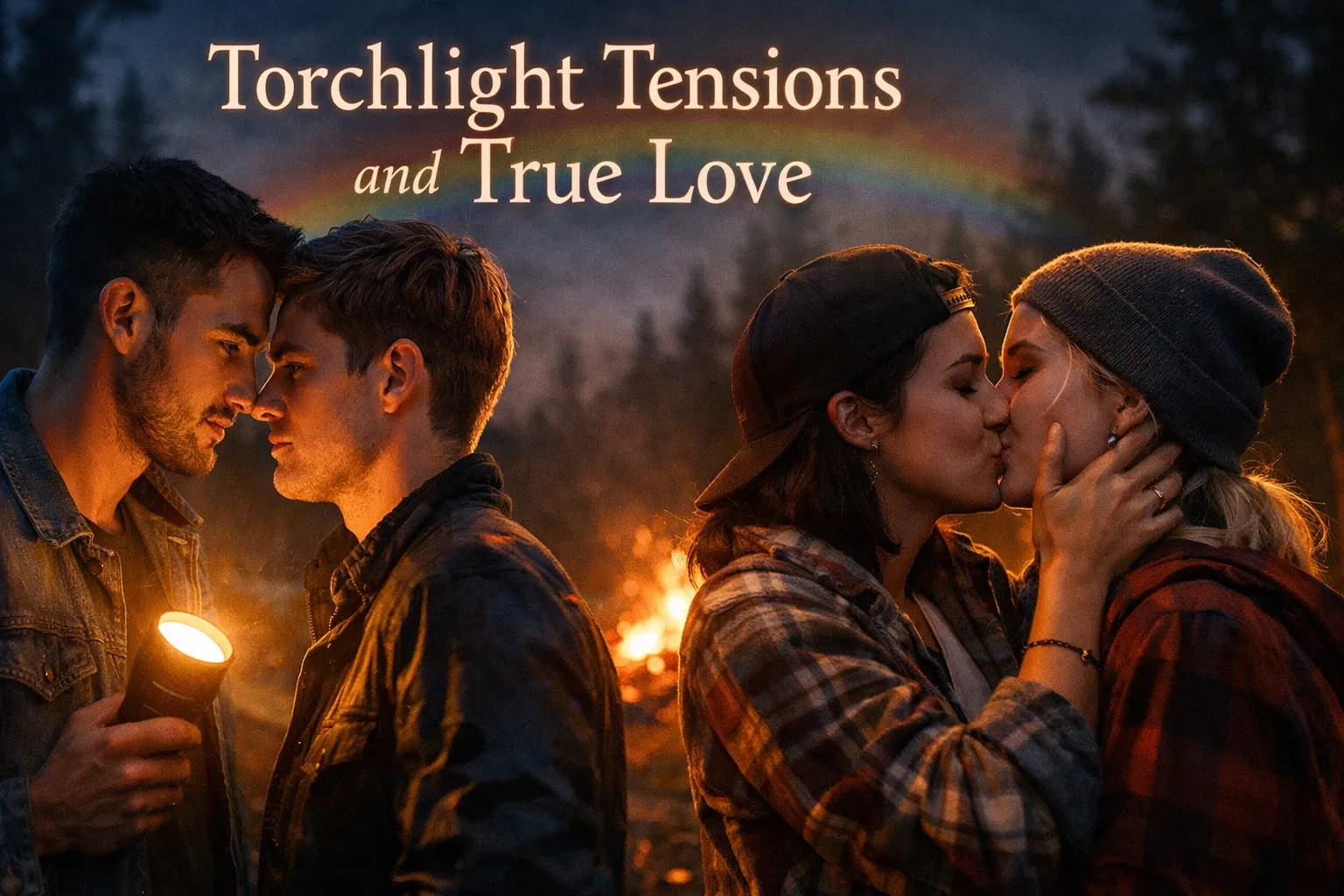
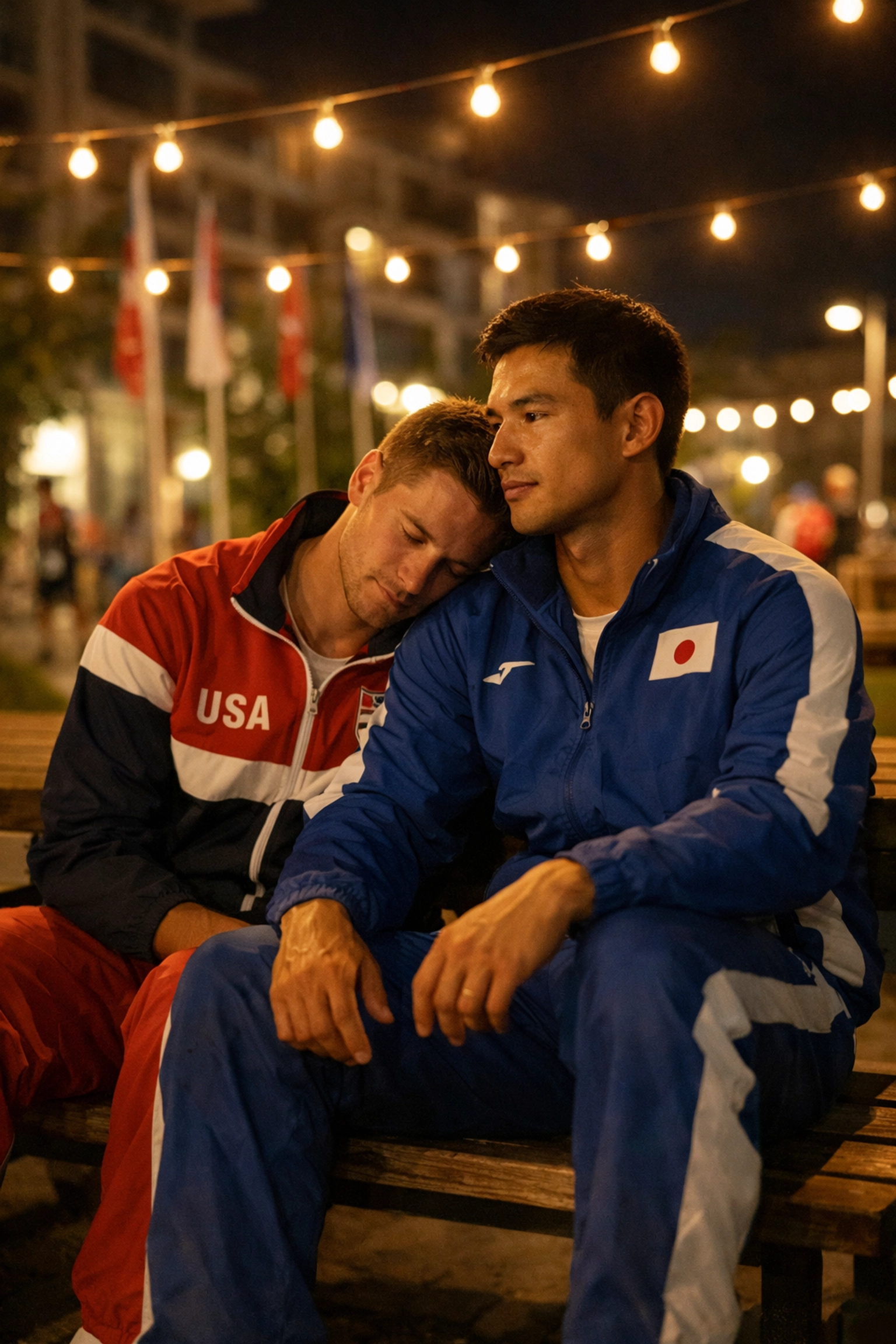
The closing ceremony approaches like an unwelcome deadline. The Olympic flame that's burned throughout the Games will be extinguished, and with it, the temporary freedom so many have clung to. This is when the torchlight tensions become unbearable, when the bright, warm glow of found love collides with the cold reality of going home.
For athletes from accepting countries, the end of the Olympics means returning to partners, pride flags, and the ability to post couple photos without fear. But for those from less progressive nations, closing night is an entirely different experience. It's grief disguised as celebration.
They're saying goodbye to more than new friends and the thrill of competition. They're saying goodbye to the version of themselves they've been allowed to be for these brief weeks. The athlete who could laugh openly, who could flirt, who could exist without the constant calculation of safety. That person gets packed away with the team uniforms and official credentials.
The conversations during those final nights are heartbreaking. "Maybe I can visit you." "We can message, but I'll need to be careful." "I wish things were different." "I wish I could stay."
Some athletes make promises they know might be impossible to keep. Others are more honest about the reality, which somehow hurts more. A few are determined to fight, to return home and start advocating for change, consequences be damned. Most just hold each other a little longer, memorizing the feeling of being fully seen and accepted.
The Stories We Don't Always See
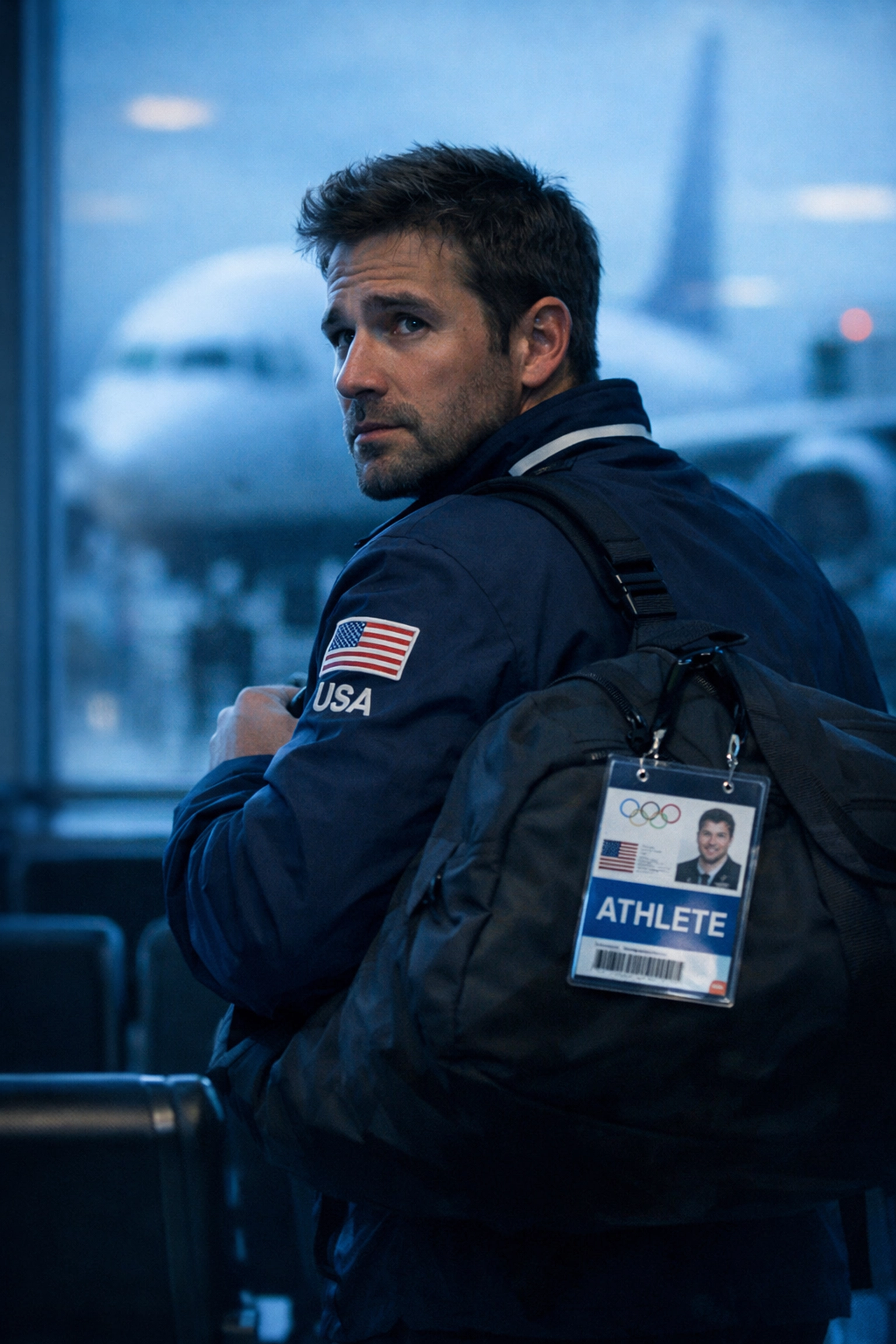
While the world watches medal ceremonies and flag-waving celebrations, these quieter, more complicated stories unfold in the margins. Mainstream coverage rarely captures the LGBTQ+ athlete boarding a plane with a forced smile, knowing they're leaving behind someone who made them feel whole for the first time. Social media won't show the tears shed in airport bathrooms or the panic attacks triggered by returning to places that demand invisibility.
This is where gay romance novels and MM fiction play a crucial role in our community. Books give voice to these unspoken experiences. They create space for stories about love that transcends borders but crashes against political realities. They let us imagine different endings, happier ones where love wins, where the athlete finds the courage to come out, where countries change their laws and hearts.
LGBTQ+ ebooks available at Readwithpride.com explore these themes beautifully. Stories about forced proximity in competitive settings, about love found in unexpected places, about the impossible choices queer people face when politics interfere with personal lives. These narratives matter because they validate the real emotional experiences of LGBTQ+ athletes and fans alike.
Finding Hope in the Flames
But here's the thing about torches, they're designed to be passed forward. Even when one flame is extinguished, another is lit somewhere else. The Olympics end, but the connections don't have to.
Every Olympic cycle, we see more openly LGBTQ+ athletes than before. Every Games features more countries sending athletes who refuse to hide who they are. Yes, there's still fear. Yes, some athletes still can't safely come out. But the trajectory is undeniably toward greater visibility and acceptance.
The relationships formed in Olympic Villages: romantic and platonic: create networks of support that extend far beyond the Games. Athletes who met in PyeongChang or Paris maintain friendships that sustain them through difficult years. Some of those secret romances do survive, evolving into long-distance relationships maintained through encrypted apps and carefully planned visits to neutral countries.
And sometimes, change happens because someone who fell in love at the Olympics decides they're done hiding. They return home and become activists. They speak to media, work with LGBTQ+ organizations, or simply live their truth more openly, knowing they're not alone because of what they experienced in that bubble.
The Stories That Matter
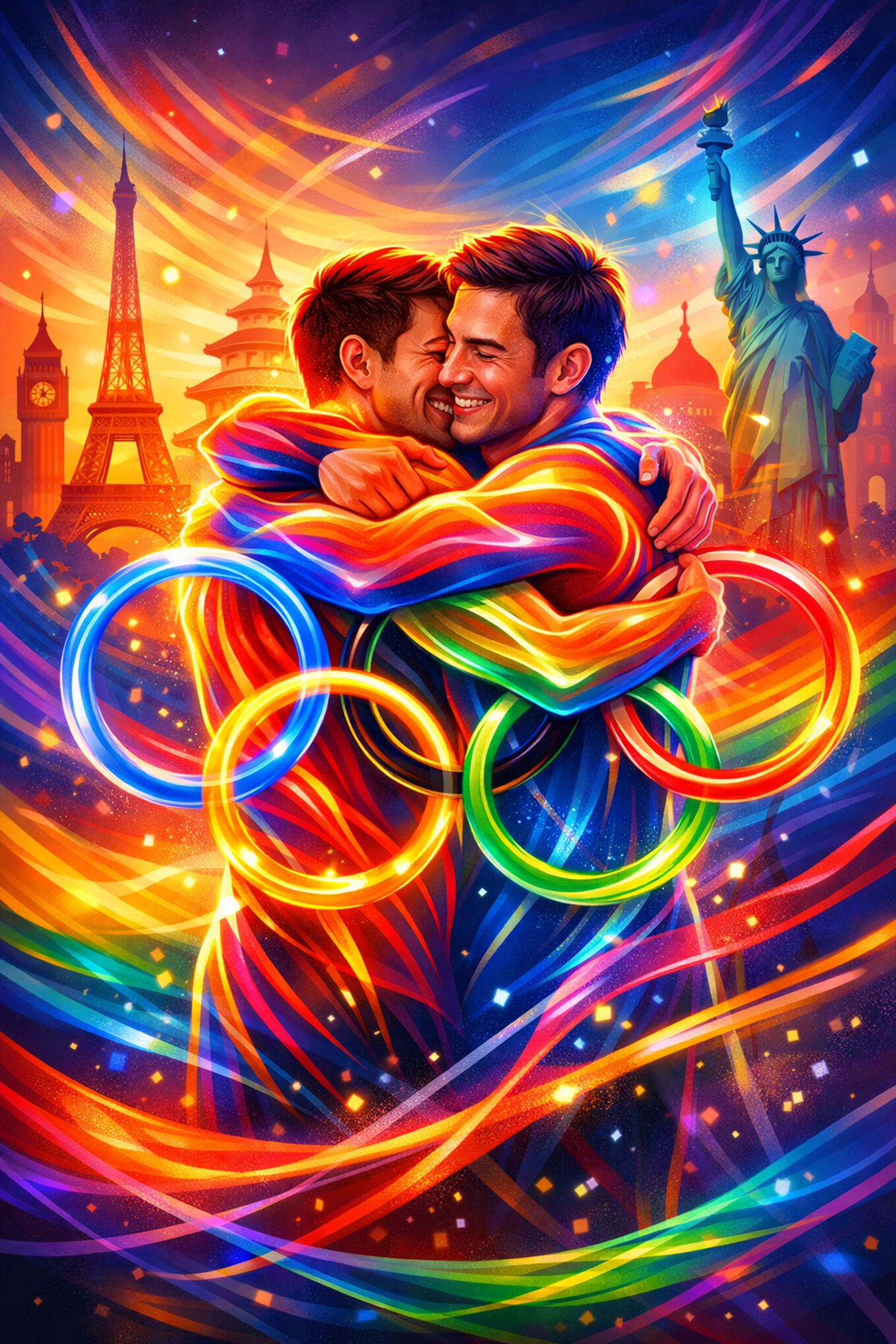
This bitter-sweet tension: between love and fear, between authenticity and survival, between the person you are in the Olympic Village and the person you're forced to be at home: deserves to be told. Not just in news articles about record-breaking performances, but in the MM romance books and gay fiction that give us space to process these complex emotions.
These stories remind us that loving someone shouldn't require courage, but in many parts of our world, it still does. They help us understand what queer athletes sacrifice and what they risk. And they give us hope that one day, the freedom felt inside Olympic Village walls will extend to every corner of the globe.
As we celebrate athletic achievements, let's also honor the emotional resilience of LGBTQ+ athletes navigating impossible situations. Their courage doesn't just show in their sport: it shows in every moment they choose authenticity despite the cost.
The torch may dim at closing ceremonies, but the light of true love and authentic living burns eternal. It's passed from one person to another, one Olympic Games to the next, one brave story to another brave story.
And that's something worth celebrating: in medal stands and in the pages of gay romance novels that tell these truths.
Discover more LGBTQ+ stories and MM romance books at Readwithpride.com
Follow us on Facebook, Instagram, and X for daily LGBTQ+ content, book recommendations, and community connection.
#ReadWithPride #MMRomance #GayRomance #LGBTQBooks #QueerFiction #GayLoveStories #OlympicPride #LGBTQAthletes #GayFiction #MMBooks #QueerLove #GayRomanceBooks #LGBTQRomance #2026Pride #AuthenticLove #ComingOutStories #LGBTQCommunity #PrideReads

Leave a Reply
You must be logged in to post a comment.