

readwithpride.com
Before Grindr, before rainbow flags flew freely on every street corner, there was a language spoken only by those who knew. A glance held too long. A handkerchief in a specific pocket. A certain stance at the bar. These weren't just habits, they were secret codes, a survival mechanism and an invitation all at once. And nowhere were these codes more alive than in the dimly lit, bass-thumping world of gay cruising bars.
If you've ever wondered what it was like to navigate those underground spaces where connection happened in the shadows, where every gesture carried weight and meaning, then welcome to the world we're about to explore. This is about more than just nightlife, it's about the raw, authentic pulse of queer history and the language we created when speaking out loud wasn't safe.
The Unspoken Language of the Night
Step into a cruising bar in the 1970s or 80s, and you'd immediately sense something different. The air thick with smoke and possibility. Neon lights casting red and blue shadows across faces that revealed nothing and everything at once. These weren't your typical nightclubs, these were sanctuaries, danger zones, and confessionals rolled into one.
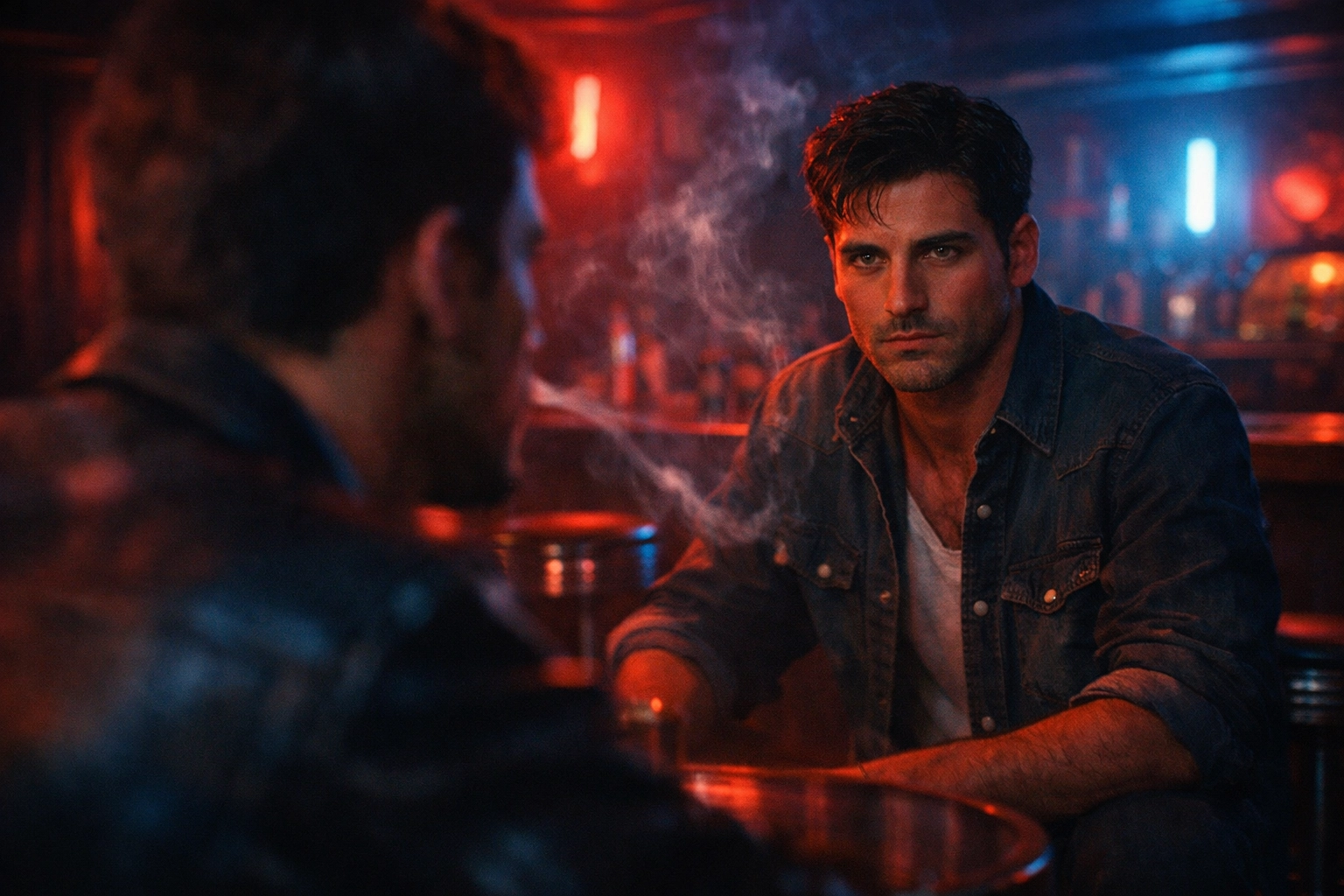
The codes started the moment you walked through the door. Where you stood mattered. How you held your drink mattered. Eye contact lasting three seconds versus five could mean the difference between "interested" and "let's get out of here." The bartender might serve as gatekeeper, bouncer, and matchmaker all at once, reading the room better than anyone.
In many gay romance novels and MM romance stories available on readwithpride.com, authors capture this electric tension, the moment when two characters lock eyes across a crowded bar, when the entire world narrows to that single connection. But fiction can only hint at what it felt like to live it.
Underground Scenes and Neon Dreams
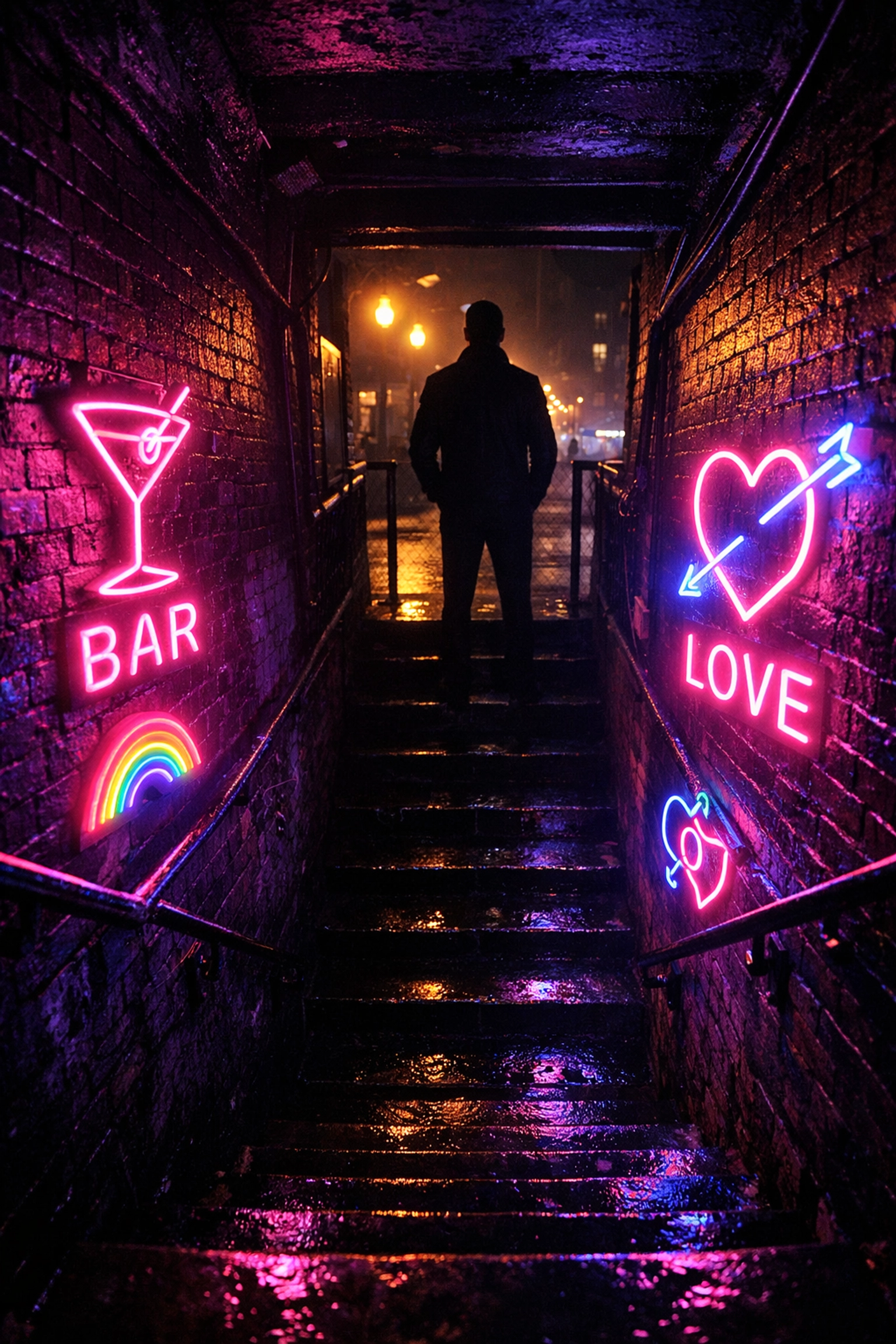
Cruising bars existed in the margins, often literally underground in basements and backrooms. They had to. Raids were common. Violence was a real threat. But within those walls, magic happened. The neon signs outside, sometimes just a symbol, sometimes a deliberately vague name, acted as the first code. You had to know what you were looking for to find it.
Inside, the darkness wasn't just aesthetic, it was protective. Shadows meant anonymity. Strobe lights and colored gels created an otherworldly atmosphere where the normal rules didn't apply. The music pounded loud enough to feel in your chest, loud enough that you didn't have to speak much. Communication happened through movement, through proximity, through the tilt of a head.
These spaces were democratic in a way the outside world wasn't. A lawyer might brush shoulders with a construction worker. A closeted politician might share a moment with a drag performer. Everyone left their "straight world" identity at the door and became simply themselves, or whoever they wanted to be for the night.
Reading the Signals
The handkerchief code, also known as the flagging code, became one of the most intricate systems. Different colors in different pockets signaled specific desires and roles. Navy blue. Hunter green. Red. Yellow. Each meant something specific to those in the know. It was like wearing your personals ad, but only the right people could read it.
But the codes went deeper than fabric. There was the way you leaned against a wall, open invitation or just resting? The speed at which you finished your drink, lingering meant available, rushing through meant you were waiting for someone specific. Even the bathroom had its own language, its own unwritten rules and possibilities.
This is the stuff that makes for incredible gay fiction and queer fiction, the tension, the stakes, the electricity of connection forged in spaces that existed despite the world's attempts to erase them. Contemporary MM romance books often draw from this history, even when set in modern times, because that hunger for authentic connection remains universal.
The Raw Connection
What made cruising bars special wasn't just the codes or the atmosphere, it was what they represented. In an era when holding hands on the street could get you arrested or beaten, these bars offered something revolutionary: the ability to be fully yourself, even if just for a few hours.
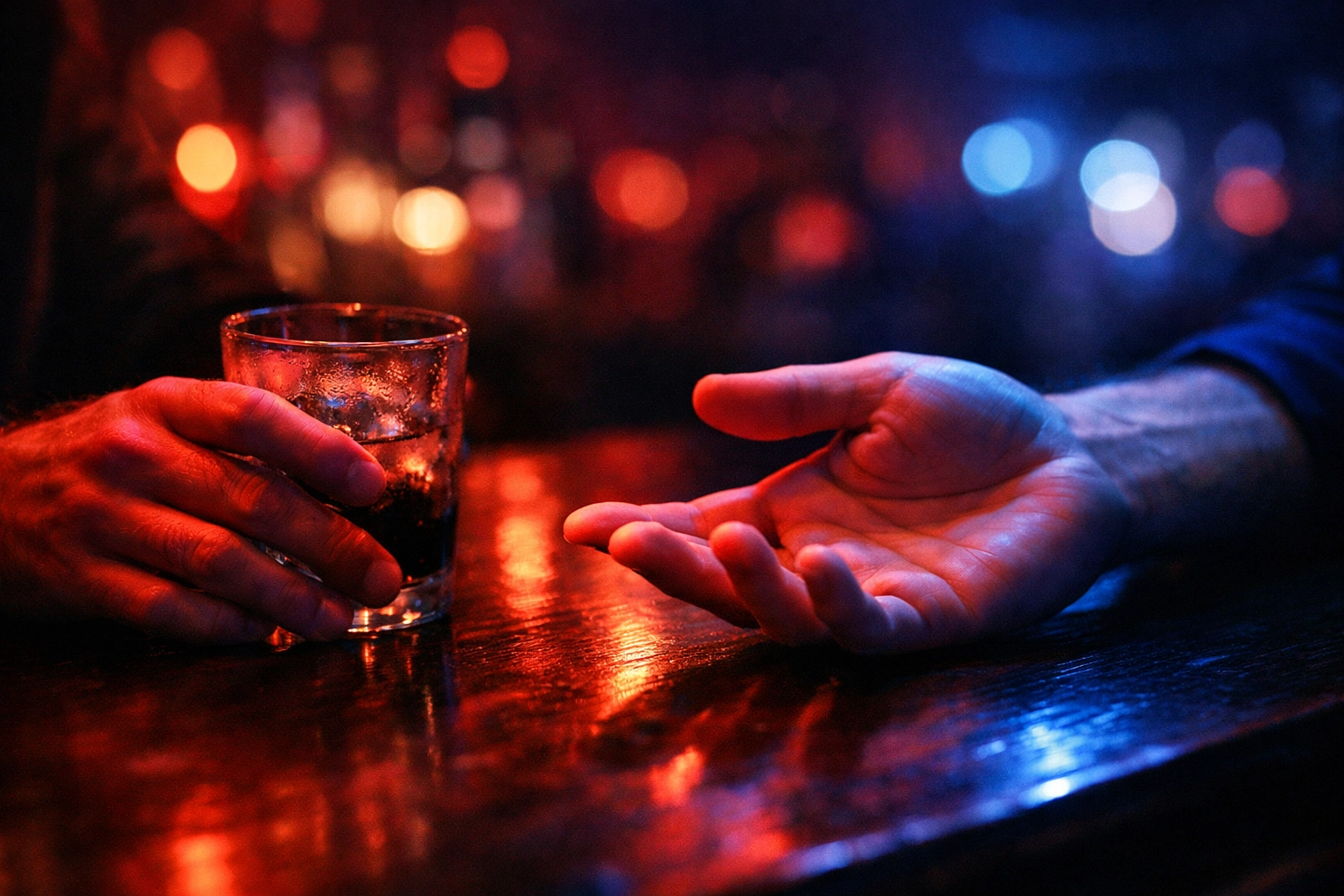
The connections made in these spaces were intense because they had to be. You couldn't swipe left or exchange Instagram handles. You had to be present, to read body language, to take risks. A conversation might start with "You come here often?" but what it really meant was "Are you like me? Can I trust you? Is this real?"
Many of the best gay love stories and gay romance books capture this intensity, that sense of two people finding each other against all odds, in spaces that shouldn't exist but do. The forced proximity of a crowded bar, the enemies-to-lovers tension when you're not sure if that gorgeous stranger is interested or dangerous, the slow burn of eye contact that lasts all night before anyone makes a move.
Evolution and Echo
Today's gay bars look different. They're brighter, safer, more openly advertised. We can hold hands walking to them. We can take photos inside. But something of that old code language remains. There's still a way of moving through queer space that signals belonging. There's still a thrill to catching someone's eye across the dance floor.
The cruising bar hasn't disappeared, it's evolved. Some cities still have backrooms and dark corners for those who want them. Underground parties pop up in warehouses and rooftops, carrying that same spirit of secret gathering. And in our stories, in the MM fiction and gay novels we write and read, we preserve this history and reimagine it for new generations.
The best MM romance authors understand this legacy. They know that when you write a scene in a gay bar, you're not just writing a location, you're writing layers of history, rebellion, desire, and survival. You're writing about the courage it took to walk through that door, not knowing what waited inside but knowing you needed to find out.
Why It Matters Now
Understanding secret codes and cruising bar culture isn't just nostalgia, it's about recognizing where we came from and what we've gained and lost along the way. Yes, we have dating apps and legal marriage and Pride parades. But we also lost some of that intensity, that necessity of reading each other carefully, that forced intimacy of shared secret spaces.
Reading gay historical romance or LGBTQ+ fiction that explores this era helps us connect with our collective past. It reminds us that queer love and desire have always existed, even when they had to hide. It shows us the ingenuity and courage of those who created entire languages and safe spaces with nothing but necessity and hope.
And for those writing or reading contemporary gay romance, understanding this history enriches every bar scene, every charged glance, every moment of connection. Because even in our more open world, there's still magic in those secret codes: the ones we use to signal to each other: I see you. I recognize you. We're the same.
Discover stories that honor this legacy and explore every facet of gay romance and queer fiction at readwithpride.com. From historical MM romance to contemporary gay novels, we celebrate the authentic voices and experiences of the LGBTQ+ community.
Follow us for more LGBTQ+ content and book recommendations:
📘 Facebook
🐦 Twitter/X
📸 Instagram
#ReadWithPride #MMRomance #GayRomance #LGBTQBooks #QueerFiction #GayFiction #MMBooks #GayRomanceBooks #LGBTQReading #QueerHistory #GayBarCulture #LGBTQHistory #GayLoveStories #MMRomanceBooks #2026GayBooks #BestMMRomance #GayNovels #AuthenticQueerStories #LGBTQFiction #GayLiterature

Leave a Reply
You must be logged in to post a comment.