

readwithpride.com
There's something about walking into a cruising bar that hits differently than any other LGBTQ+ space. Maybe it's the dim lighting that softens everything into suggestion rather than certainty. Maybe it's the bass that reverberates through your chest like a second heartbeat. Or maybe it's knowing that everyone here came for the same unspoken reason: connection without pretense, desire without apology.
These spaces have always existed in the shadows, and that's exactly where they thrive.
The Language of Low Lights
Cruising bars speak a language that doesn't require words. A glance held a beat too long. The brush of a shoulder that wasn't quite accidental. The way someone positions themselves in your line of sight, waiting to be noticed. It's choreography without rehearsal, performance art where everyone knows their cues.
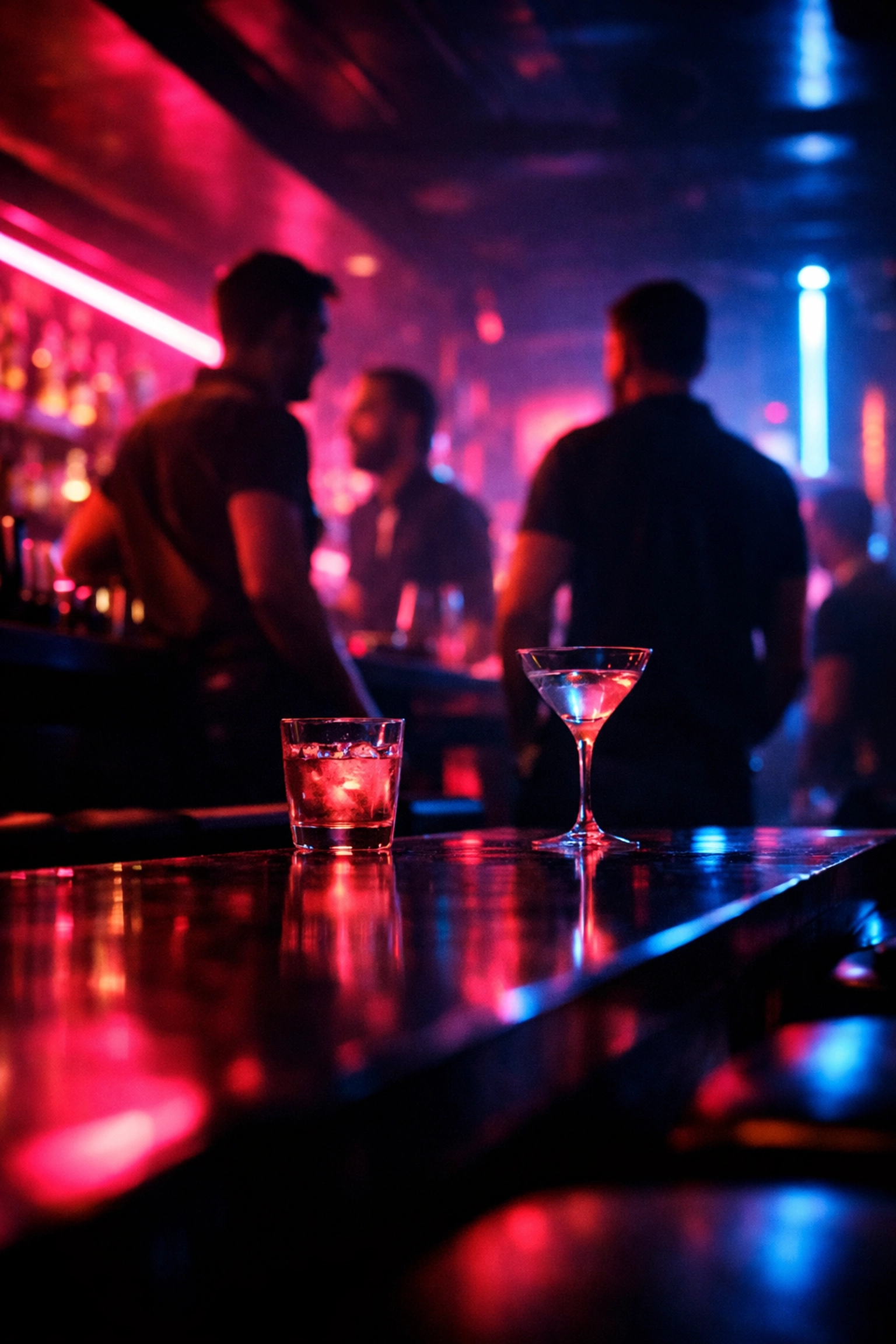
The lighting is always intentional: never bright enough to expose, but just enough to intrigue. Neon signs casting pink and blue halos. Red bulbs creating pockets of warmth in dark corners. Strobe lights that offer glimpses rather than full reveals. Every shadow becomes possibility, every silhouette a question mark.
This is where gay romance novels often miss the mark: they sanitize these spaces or romanticize them into something they're not. The best MM romance books understand that cruising bars aren't about prettiness. They're about rawness, honesty, and the electric charge of unfiltered attraction.
Underground Architecture
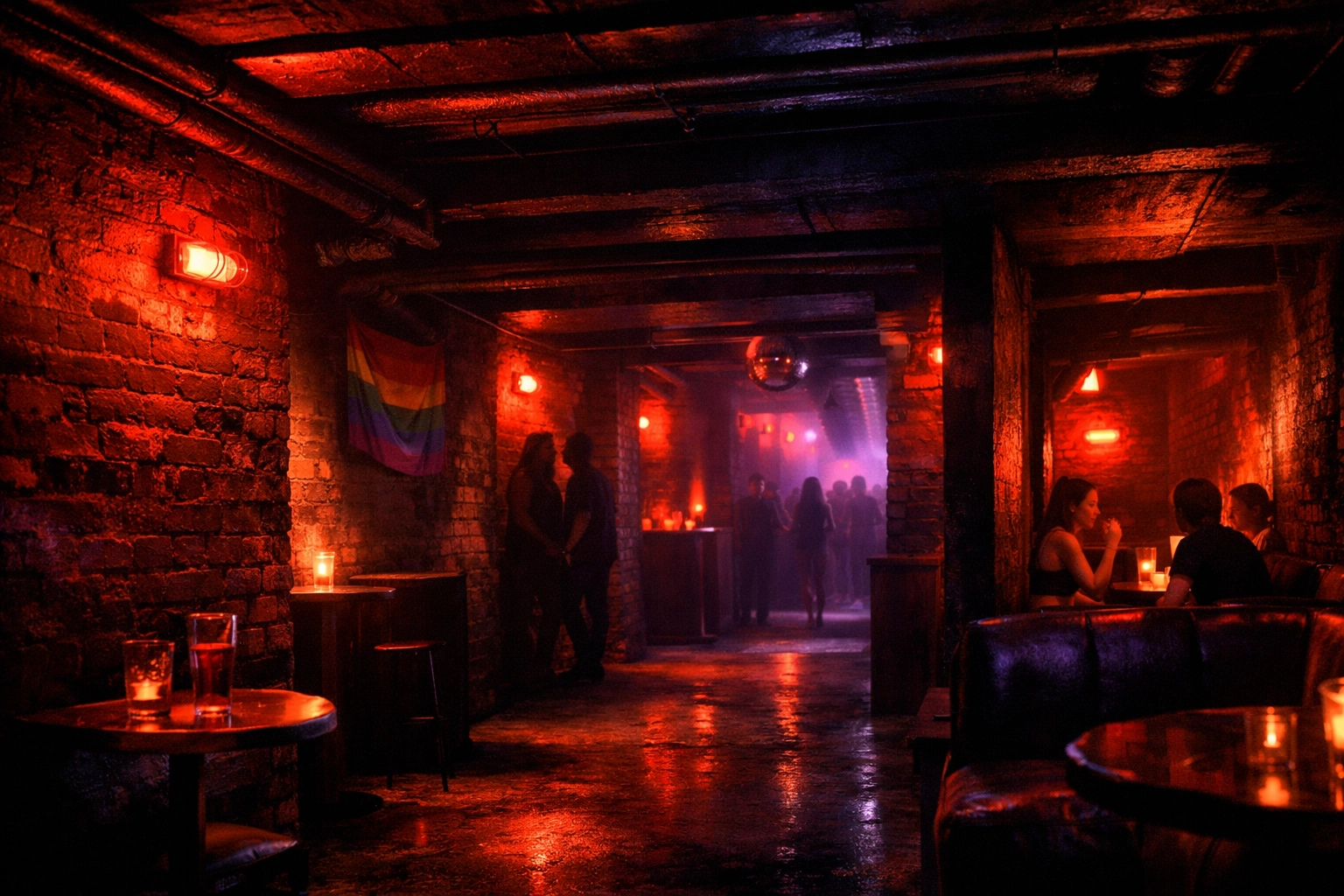
The physical spaces themselves tell stories. Basement bars with ceilings so low you have to duck. Warehouses converted into labyrinths of alcoves and corridors. Back rooms that exist in whispered rumors until you find the right door. These aren't accidental designs: they're intentional ecosystems.
Some of the most iconic cruising bars have histories that stretch back decades. They've survived raids, gentrification, and the digital age's promise that apps would make physical spaces obsolete. Spoiler: they didn't. Because there's something about occupying the same space, breathing the same air, feeling the collective energy of desire that screens can't replicate.
The architecture creates zones: the main bar where first assessments happen, the dance floor where bodies can test compatibility, the darker edges where intentions become clearer. Each space serves its purpose in the unfolding narrative of the night.
The Soundtrack of Want
Music in cruising bars isn't just background: it's infrastructure. The right DJ understands that rhythm drives everything. House music with its building intensity. Techno that strips everything down to essential beats. The occasional unexpected moment when a pop anthem drops and suddenly everyone's united in singing along before returning to their individual pursuits.
The volume matters too. Loud enough that conversation requires leaning close, lips near ears, breath on necks. Loud enough that you can lose yourself in the sound, let it carry you somewhere beyond inhibition. But with enough variation: quieter corners where actual connection can happen if that's what develops.
Codes and Signals
Every cruising bar has its unwritten rulebook. The regulars know it by heart. Newcomers learn by observation or gentle correction. There's the eye contact rule: interest requires acknowledgment, but staring without response is understood as a no. The physical space rule: respecting when someone wants company versus when they're clearly waiting for someone else.
Then there's the question of what people wear, how they carry themselves, where they position their bodies. Leather nights have different codes than underwear parties. Some bars cater to specific communities within the larger community: bears, twinks, daddies, leather daddies, kinksters. The specificity isn't about exclusion; it's about creating space where people know they'll find what they're seeking.
These dynamics make for incredible gay fiction when authors get them right. The tension, the negotiation, the moment when two people's signals finally align: that's storytelling gold. It's why LGBTQ+ ebooks exploring cruising culture resonate so deeply with readers who recognize the authenticity.
The Art of Approach
Approaching someone in a cruising bar is its own skill set. Some people master the confident direct approach: walking up, introducing themselves, stating their interest clearly. Others prefer the gradual escalation: positioning themselves nearby, making eye contact, slowly closing distance until conversation feels natural.
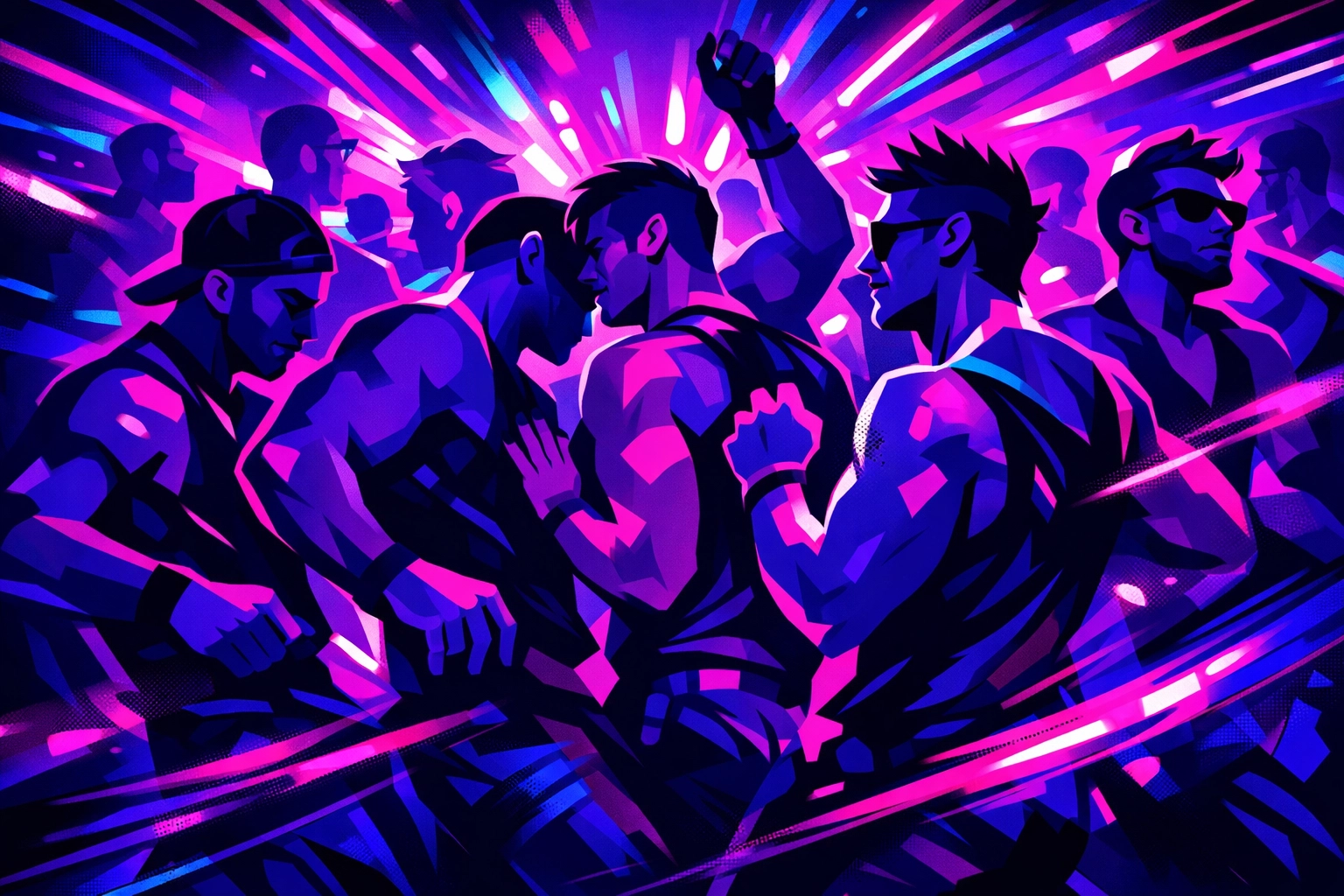
Then there's the dance floor approach, where bodies communicate before words do. The shared cigarette outside approach, where casual conversation can lead to more. The bar approach, where buying someone a drink becomes the opening gambit.
What makes these interactions fascinating is their honesty. Unlike dating apps where people curate perfect profiles, or vanilla bars where everyone's playing it safe, cruising bars strip away pretense. Attraction is immediate and acknowledged. Interest is stated or declined without elaborate justification. It's refreshingly direct in a world that often demands we perform elaborate courtship rituals.
Evolution and Survival
Cruising bars have evolved significantly over the decades. What started as truly underground spaces: literal basements where men gathered in fear of raids: has transformed into more visible establishments. Some have become institutions, beloved fixtures in their neighborhoods. Others maintain their edge, their sense of existing slightly outside mainstream acceptance.
The AIDS crisis changed everything about these spaces. They became sites of both loss and resilience, places where the community gathered not just for connection but for support, information, and collective grief. Many bars became de facto organizing centers, posting health information, hosting fundraisers, serving as communication hubs.
The digital age brought new challenges. Why go to a bar when you could browse infinite options from your couch? But what the apps couldn't replicate was the energy, the atmosphere, the full sensory experience. Cruising bars didn't disappear: they adapted. Many became hybrid spaces, acknowledging that people might connect digitally but still crave physical spaces to meet.
What These Spaces Teach Us
There's something valuable in spaces that allow desire to exist without shame. Where attraction doesn't need to apologize or explain itself. Where masculinity can be performed or deconstructed or ignored entirely. Where femme guys, butch guys, everything-in-between guys can find appreciation.
Cruising bars taught generations of queer men how to read signals, respect boundaries, and be direct about wants and needs. They're practical education in consent: how to offer it, how to receive it, how to withdraw it, how to recognize it. These lessons translate far beyond one-night encounters into relationship skills that serve people throughout their lives.
For many, these bars were first spaces of true belonging. Where seeing desire reflected back felt revolutionary. Where realizing you weren't alone in your attractions changed everything. That first night walking into a cruising bar, seeing hundreds of men who shared your experience: that's a moment gay love stories try to capture but can never quite replicate.
The Future of Cruising Culture
As we move deeper into 2026, cruising bars continue evolving. Some embrace nostalgia, recreating the aesthetic and vibe of earlier decades. Others push forward, incorporating new technology, new music, new approaches to community building. Virtual reality spaces are experimenting with digital cruising experiences. Pop-up events create temporary cruising cultures in unexpected locations.
What remains constant is the need for physical spaces where queer desire can exist unfiltered. Where connection happens without the endless swiping, the profile optimization, the performance of digital desirability. Where you can be present in your body, responsive to real-time chemistry, open to surprises.
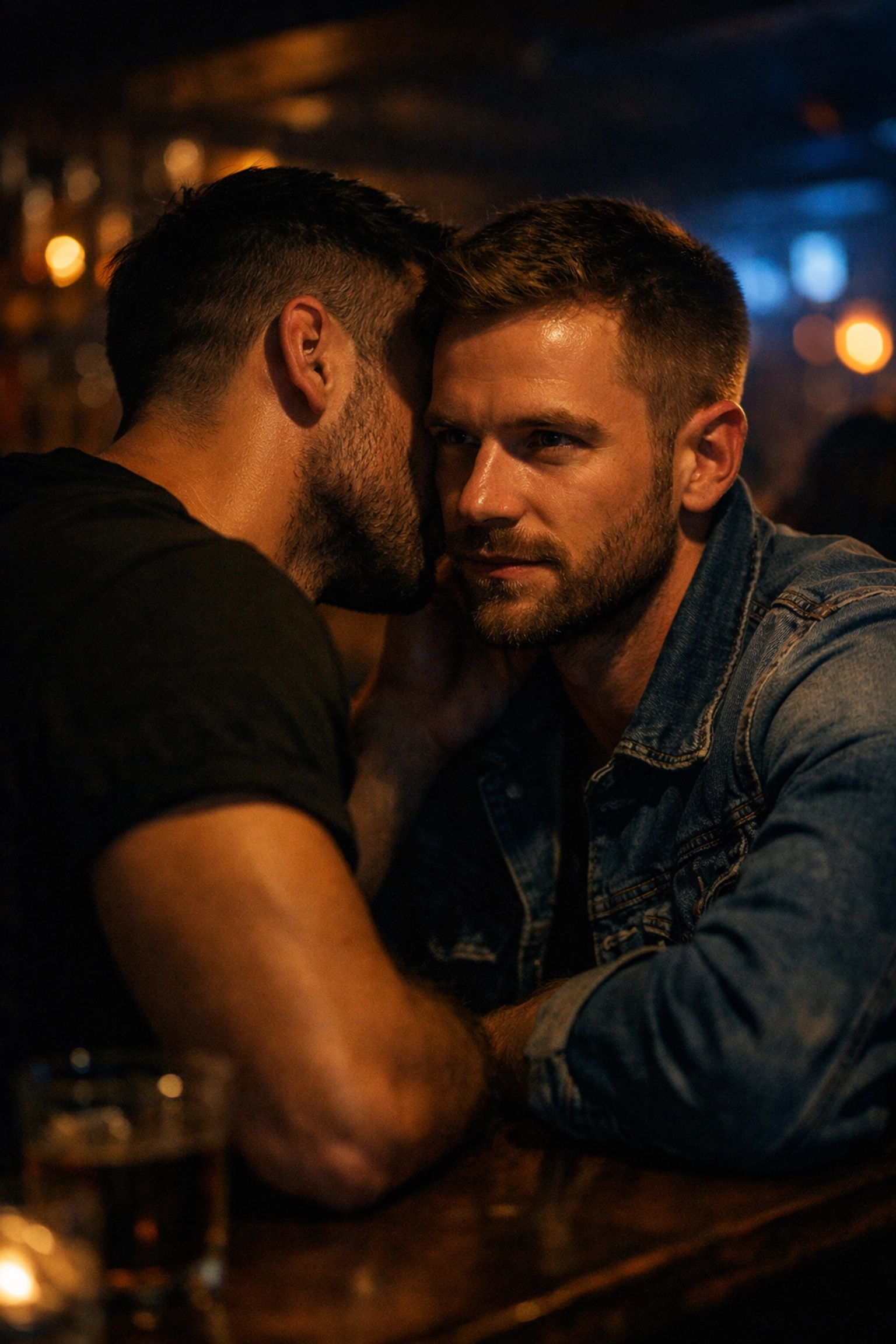
The best MM romance books of recent years understand this. They incorporate cruising culture not as dated backdrop but as living, breathing element of contemporary queer life. They capture the intensity, the honesty, the raw electricity of these spaces.
Looking for stories that capture the authentic intensity of queer nightlife and connection? Explore our collection at readwithpride.com, where we celebrate gay romance novels that don't shy away from the raw, real experiences of LGBTQ+ life.
Follow us for more authentic queer content: Facebook | Instagram | Twitter/X
#ReadWithPride #MMRomance #GayRomance #LGBTQBooks #QueerFiction #GayFiction #MMBooks #GayRomanceBooks #LGBTQLiterature #QueerCulture #MMRomanceBooks #GayLoveStories #AuthenticQueerStories #LGBTQReading #2026GayBooks #GayBookClub #CruisingCulture #QueerNightlife #GayBarCulture #MMContemporary

Leave a Reply
You must be logged in to post a comment.