

readwithpride.com
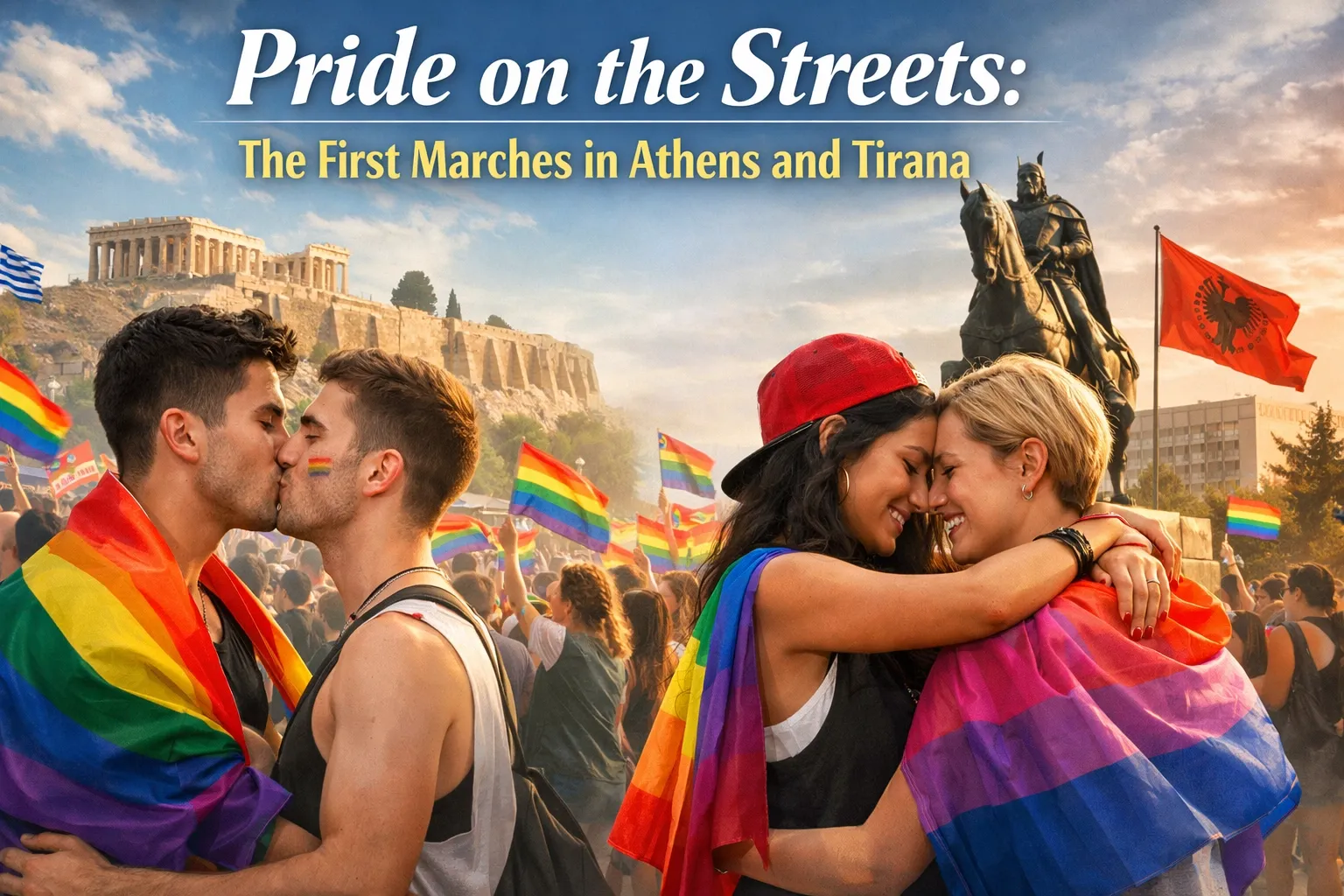
Sometimes visibility is the bravest act of all. When LGBTQ+ communities in Greece and Albania took their first steps into public squares: banners raised, voices loud: they weren't just marching. They were rewriting history.
The stories of Athens Pride and Tirana Pride tell us something powerful about resilience, timing, and the courage it takes to demand recognition in places where tradition runs deep. These aren't just parades with rainbow flags. They're declarations of existence in countries where Orthodox Christianity, conservative family values, and decades of silence tried to keep queer lives hidden.
Let's walk through those first marches: the ones that changed everything.
Athens: From Midnight Gatherings to Daylight Pride
The first attempt at LGBTQ+ visibility in Greece happened on June 28, 1980, when AKOE (the Greek Homosexual Liberation Movement) organized what they called a political demonstration in Athens. Notice the date: June 28, the anniversary of Stonewall. That wasn't a coincidence.
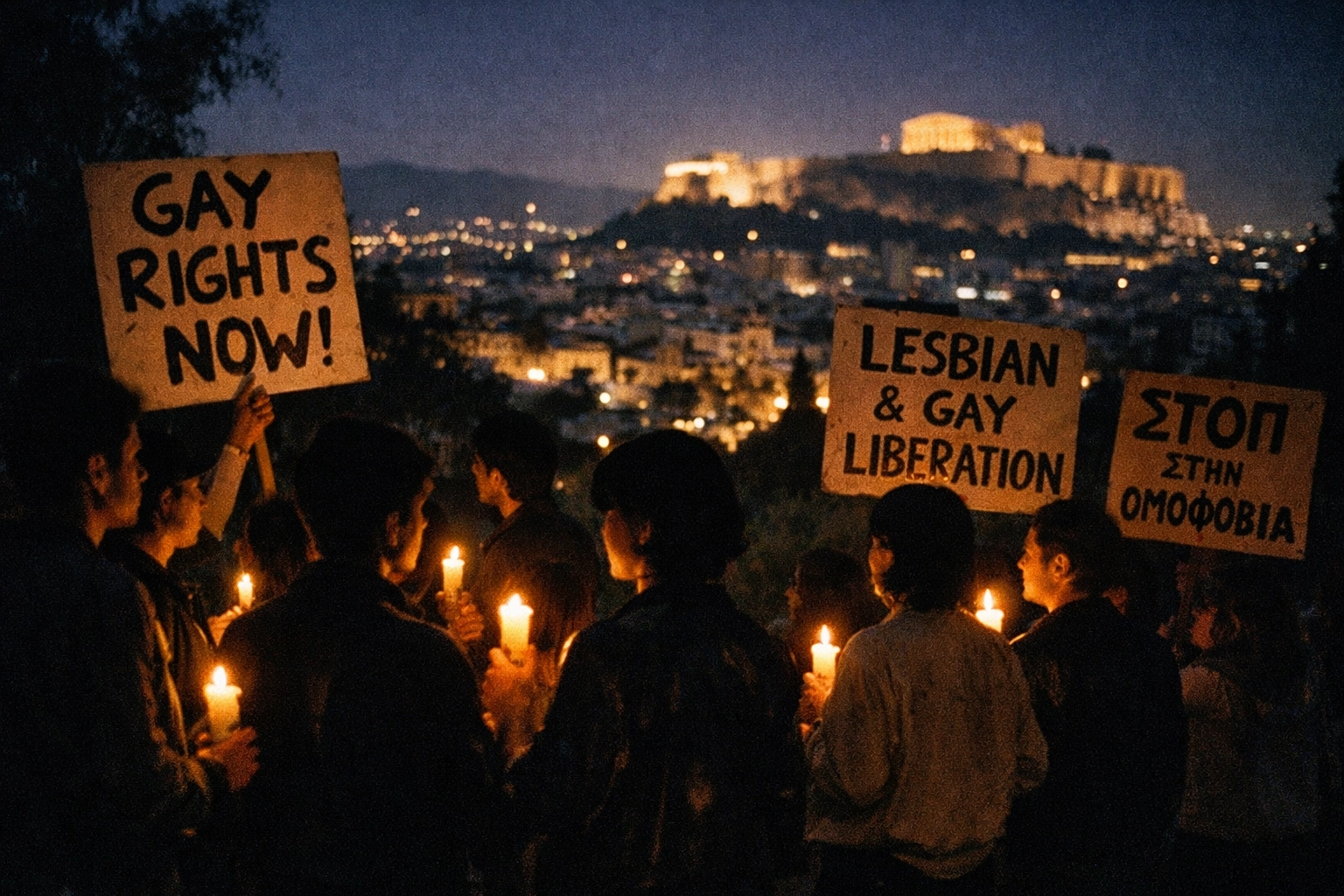
But here's the thing: those early gatherings in the 1980s and through the 1990s weren't the Pride parades we recognize today. They were small, often happening at night, in parks like Strefi Hill or Pedion tou Areos. Queer Greeks met quietly, politically engaged but understandably cautious. This was a country where being openly gay could cost you your job, your family, your safety.
The turning point came in 2003 with the police raid on Spices, a gay club in Athens. The raid resulted in arrests and, tragically, deaths within the community. Greek LGBTQ+ activists compared it to Stonewall: another moment when state violence against queer people became the catalyst for louder, more visible resistance.
Two years later, on June 25, 2005, Athens held its first official Pride parade through the city center: in broad daylight. The slogan was simple and devastating in its humanity: "Affection, Love and Life deserve respect."
About 500 people showed up. By 2018, that number had grown to 60,000.
Tirana: A Later Start in a Harder Climate
Albania's journey to Pride took longer, shaped by decades of Communist isolation under Enver Hoxha and the deeply conservative post-Communist society that followed. Homosexuality was decriminalized in 1995, but social acceptance? That's still a work in progress.
The first Tirana Pride didn't happen until May 17, 2012: International Day Against Homophobia, Transphobia, and Biphobia. And unlike Athens in 2005, where 500 people felt like a victory, Tirana's first march drew only a handful of brave activists who walked through Skanderbeg Square surrounded by police protection and hostile onlookers.
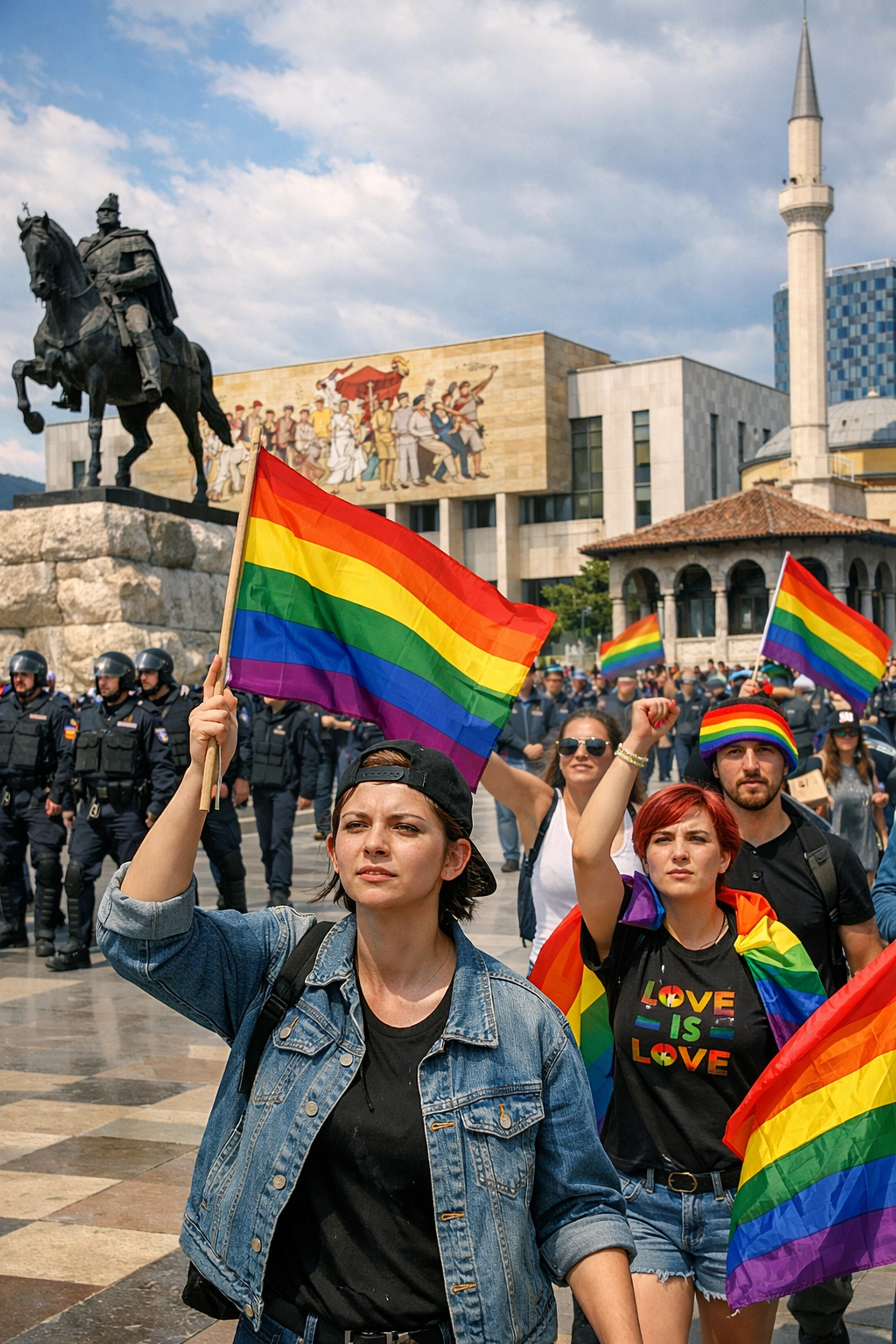
There were eggs thrown. Insults shouted. But they walked anyway.
In the years since, Tirana Pride has grown: slowly, painfully, but steadily. The Albanian LGBTQ+ community has faced violent opposition, including attacks on Pride events and community centers. Yet every year, more people show up. More rainbow flags appear. More straight allies stand beside queer Albanians, creating a human shield against hate.
Progress in Albania looks different than in Greece, but it's no less real.
Urban vs. Rural: Two Countries, Same Divide
Both Greece and Albania share a significant challenge: the urban-rural divide. In Athens, Thessaloniki, or even smaller Greek cities, LGBTQ+ life has visibility. There are gay bars, community organizations, dating apps buzzing with activity. Young Greeks can: relatively: live openly.
But venture into rural Greece or Albania, and the story shifts. Traditional villages, tight-knit communities where everyone knows everyone, Orthodox or Muslim families where coming out means risking everything. Many queer Greeks and Albanians stay closeted in their hometowns, living double lives or fleeing to cities the moment they can.
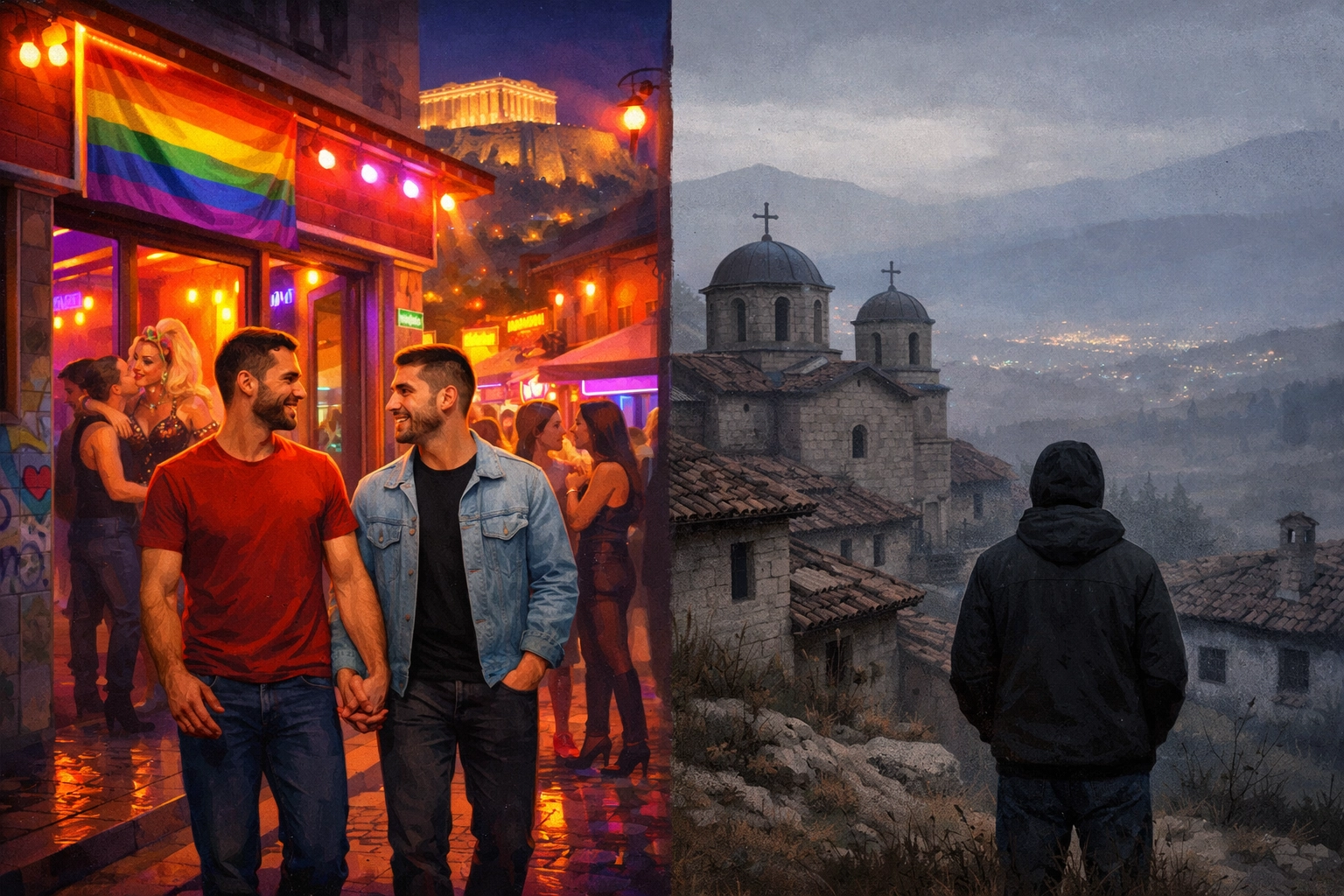
This divide isn't unique to Greece and Albania, of course. But it's particularly stark in places where family honor, religious tradition, and patriarchal expectations hold such power. In these communities, Pride marches feel like something happening on another planet.
That's why those first Athens and Tirana marches mattered so much. They said: We exist. Even here. Even when it's dangerous.
The Cross-Border Connection
Here's something beautiful: Greek and Albanian LGBTQ+ communities have increasingly connected across borders. Albanian queer activists often look to Athens as a model: what Pride could become, what legal protections might be possible. Meanwhile, Greek activists have shown solidarity with their Albanian neighbors, understanding that queer liberation doesn't stop at national boundaries.
There's also romance. Literally. With Albania's accession process to the EU and increased travel between the countries, more Greek-Albanian couples are forming. These relationships carry their own complexities: different languages, different levels of acceptance, different legal rights: but they also represent hope. Love that crosses borders tends to be stubborn and transformative.
If you're into MM romance books that explore cross-cultural relationships, hidden identities, and the courage it takes to love openly, these real-life stories offer endless inspiration. At Read with Pride, we're always looking for gay romance novels that capture these authentic experiences: the messy, complicated, beautiful reality of queer life in places where visibility costs something.
Modern Day: Pride 2026 and Beyond
Fast forward to today: February 2026. Athens Pride is now one of the largest Pride events in Southern Europe, drawing tens of thousands each June. It's corporate-sponsored (which has its own politics), tourist-friendly, and mostly safe. Greek LGBTQ+ people have legal protections against discrimination, civil partnerships (since 2015), and growing: though not universal: social acceptance.
Tirana Pride is smaller but fierce. Each year it happens feels like a victory. Albania now has anti-discrimination laws on the books, though enforcement is inconsistent. The younger generation is pushing boundaries their parents never imagined, using social media to connect, organize, and build community.
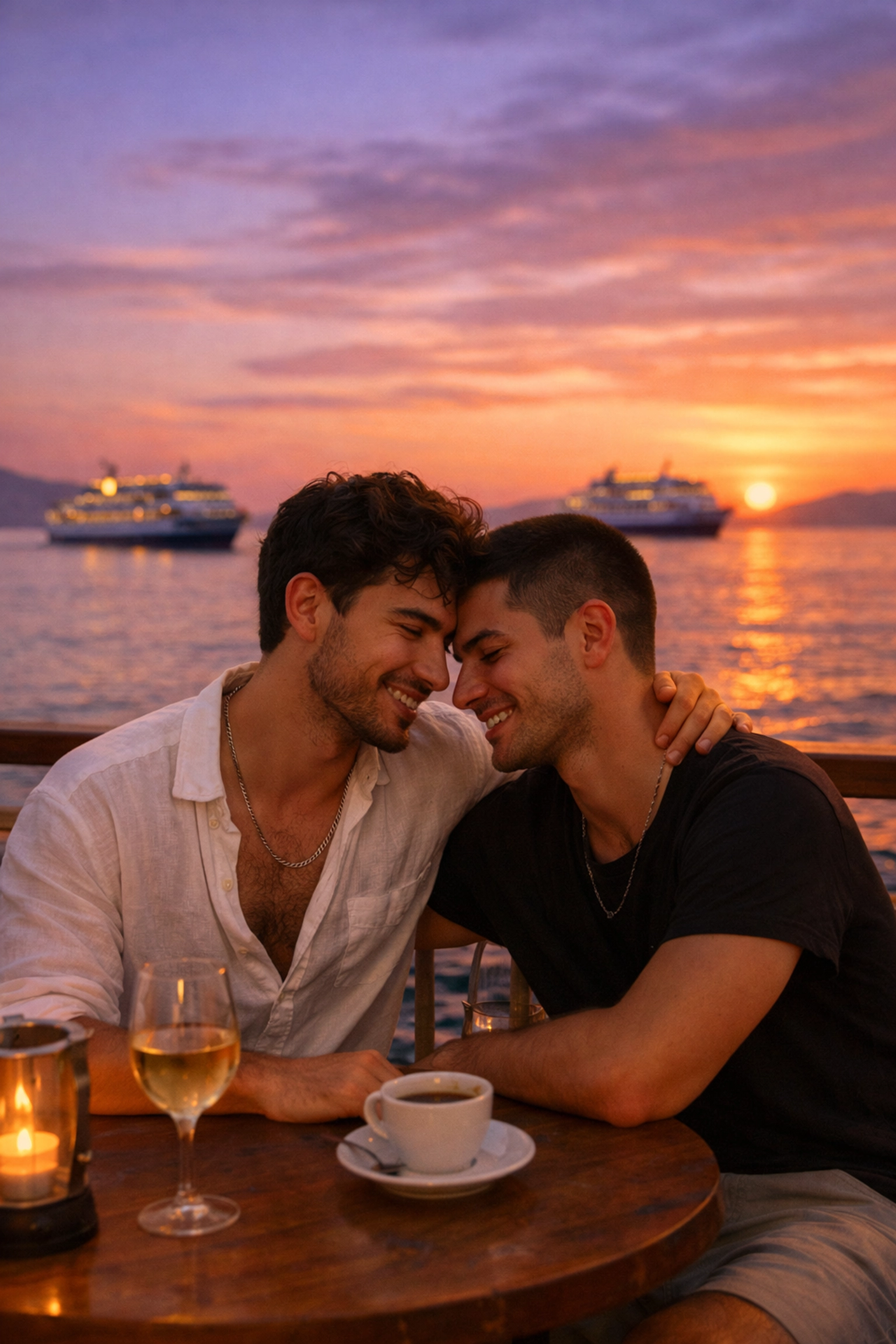
But neither country has reached the promised land. Hate crimes still happen. Rural areas remain hostile. Both Greek and Albanian queer people still face family rejection, workplace discrimination, and the everyday exhaustion of navigating societies that haven't fully accepted them yet.
The Pride marches continue because the work continues.
Why These Stories Matter
When we talk about LGBTQ+ fiction or gay books, we're not just talking about entertainment (though let's be real, we need that too). We're talking about seeing ourselves reflected, about understanding history, about recognizing that every Pride parade: from Athens to Tirana to wherever you're reading this: represents generations of people who refused to stay invisible.
These Greek and Albanian stories remind us that Pride isn't a party the world gave us. It's something queer people fought for, are still fighting for, and will keep fighting for until every person can love openly without fear.
The first marches in Athens and Tirana weren't perfect. They were messy, scary, and smaller than anyone hoped. But they happened. And because they happened, the marches that followed got bigger, louder, prouder.
That's the thing about visibility: once you start, it's almost impossible to go back into hiding.
Want more stories about LGBTQ+ experiences across Europe and beyond? Follow us on Instagram, Facebook, and X/Twitter for daily recommendations, community highlights, and the best MM romance books that celebrate queer love in all its forms.
Explore our full collection of gay romance novels, queer fiction, and LGBTQ+ ebooks at readwithpride.com.
#PrideHistory #AthensPride #TiranaPride #LGBTQGreece #LGBTQAlbania #QueerEurope #MMRomance #GayBooks #ReadWithPride #QueerFiction #LGBTQFiction #GayRomanceBooks #QueerVisibility #PrideMonth #LGBTQHistory #GayLiterature #MMRomanceBooks #QueerStories #LGBTQCommunity

Leave a Reply
You must be logged in to post a comment.