

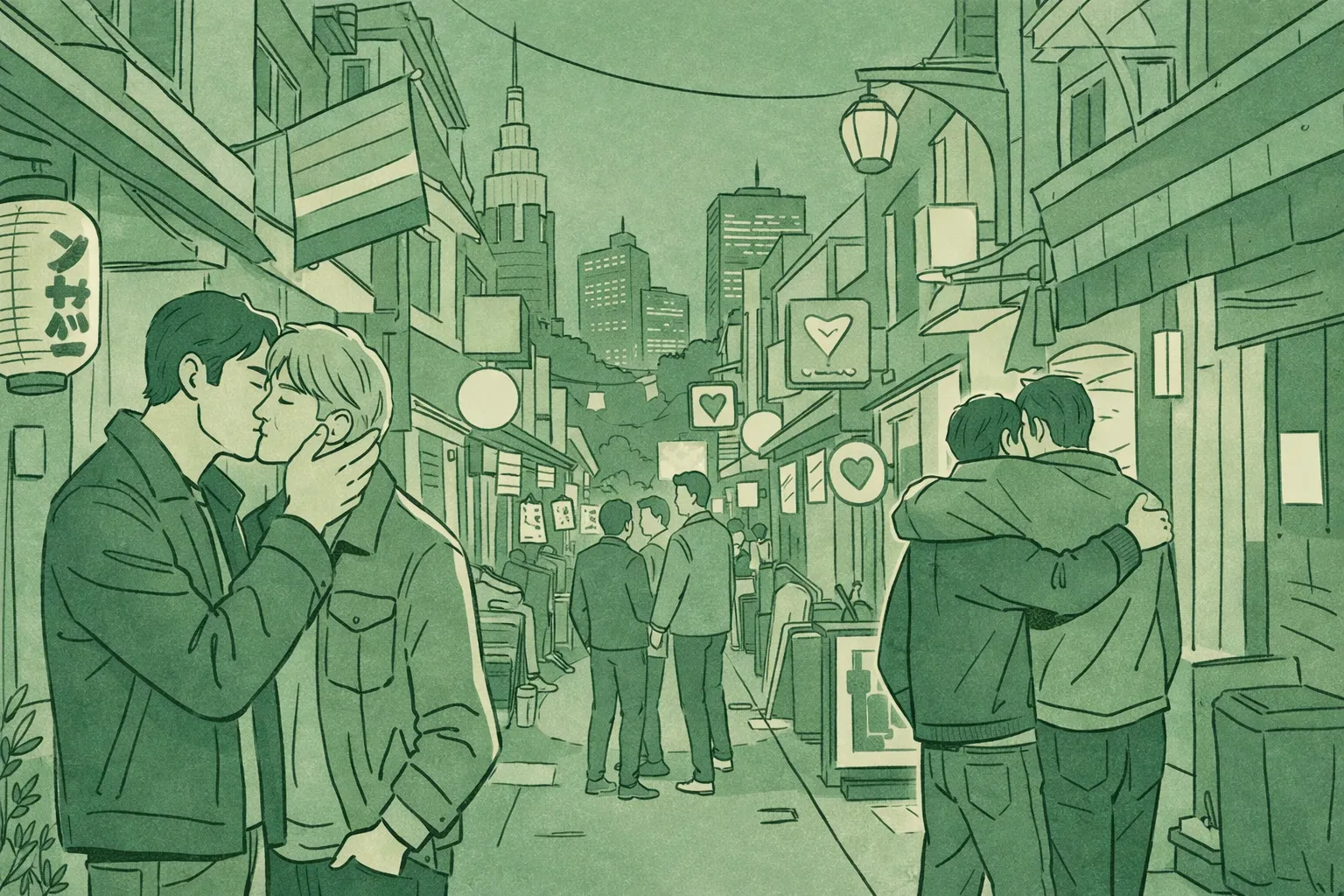
Discover Japan's LGBTQ+ Literary Heritage: Exclusive MM Romance Titles at Read with Pride
Before exploring Tokyo's historic gay district, browse our curated collection of gay romance books and MM novels inspired by Japanese culture and global queer experiences. Visit readwithpride.com for award-winning LGBTQ+ fiction and gay love stories that capture authentic voices from around the world.
The World's Densest Gay Neighborhood: Shinjuku Ni-chōme
Shinjuku Ni-chōme holds a singular distinction: the highest concentration of gay bars on Earth. Spanning just five blocks in central Tokyo, this neighborhood packs approximately 300 gay bars, nightclubs, cafes, and community spaces into an area smaller than most city parks. For over seven decades, Ni-chōme has functioned as Japan's cultural and nightlife epicenter for the LGBT community, offering an unmatched density of queer spaces that reflects both Japanese social structures and the resilience of LGBTQ+ organizing.
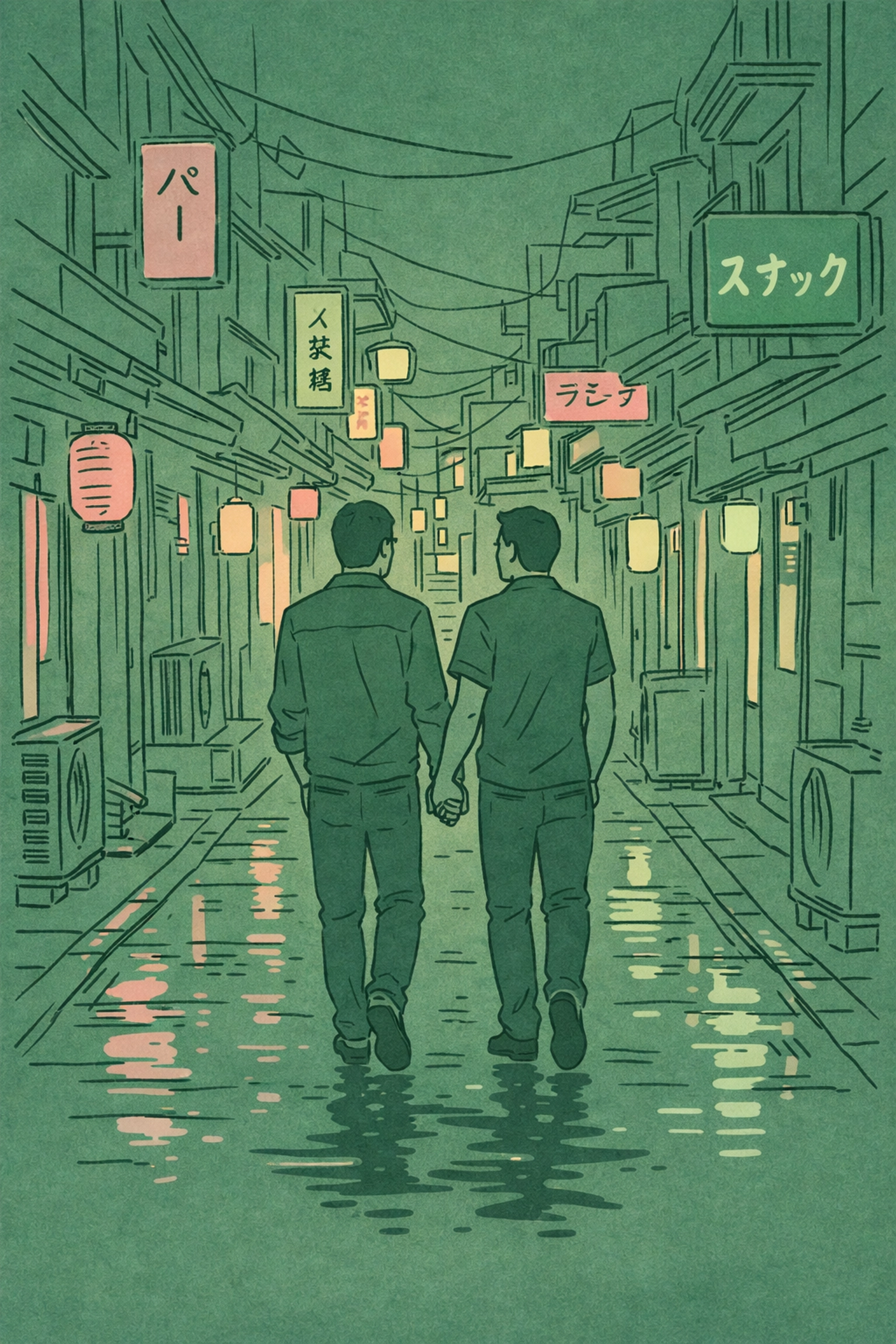
Post-War Origins: From Occupation to Liberation
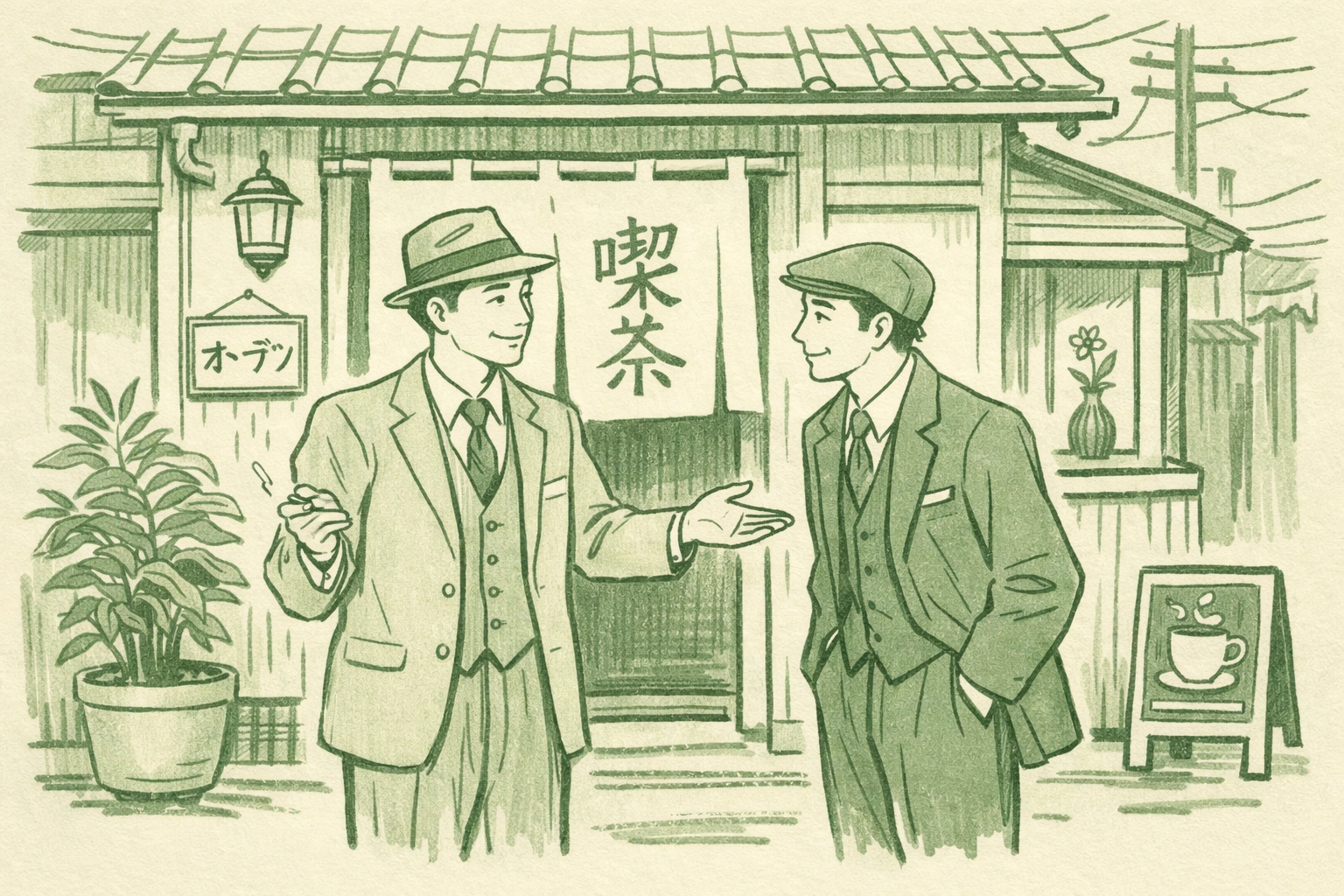
The emergence of Shinjuku Ni-chōme as a gay district traces directly to post-World War II occupation and subsequent legal shifts. During the American Occupation (1945–1952), early gay establishments appeared discreetly, with documented evidence of a gay tea shop operating as early as 1948. However, the neighborhood's transformation accelerated dramatically following the 1956 Prostitution Prevention Law, which criminalized sex work and forced Tokyo's traditional red-light district to close.
As the sex industry vacated Ni-chōme, a gay subculture organically filled the economic and spatial void. By the late 1950s, explicitly gay bars emerged publicly, serving clientele who previously had no dedicated spaces. This transition wasn't gradual: it was swift and decisive, transforming the district's identity within a single decade.
Explore Gay Historical Romance and Cultural Fiction
Readers fascinated by LGBTQ+ history across cultures will appreciate titles like The Berlin Companions and The Phoenix of Ludgate, which explore gay historical romance and the hidden lives of queer men navigating social pressures. Browse our full selection of MM historical romance and gay novels at readwithpride.com.
Cultural Milestones: Building Community Infrastructure
Throughout the 1970s–1990s, Ni-chōme became the setting for institutional achievements that shaped Japan's LGBT movement:
- 1976: Opening of a counseling room specifically for young gay men
- 1986: Japan's first AIDS candlelight vigil held in the district
- 1992: Inaugural Tokyo International Lesbian and Gay Film Festival
- 1994: Japan's first lesbian and gay pride parade launched from Ni-chōme
These milestones established the neighborhood as more than entertainment: it became the organizational center for advocacy, health services, and cultural visibility. The district's bars and cafes functioned as de facto community centers where political organizing, mutual aid, and cultural production occurred simultaneously.
The Mama System: Extreme Specialization and Cultural Context
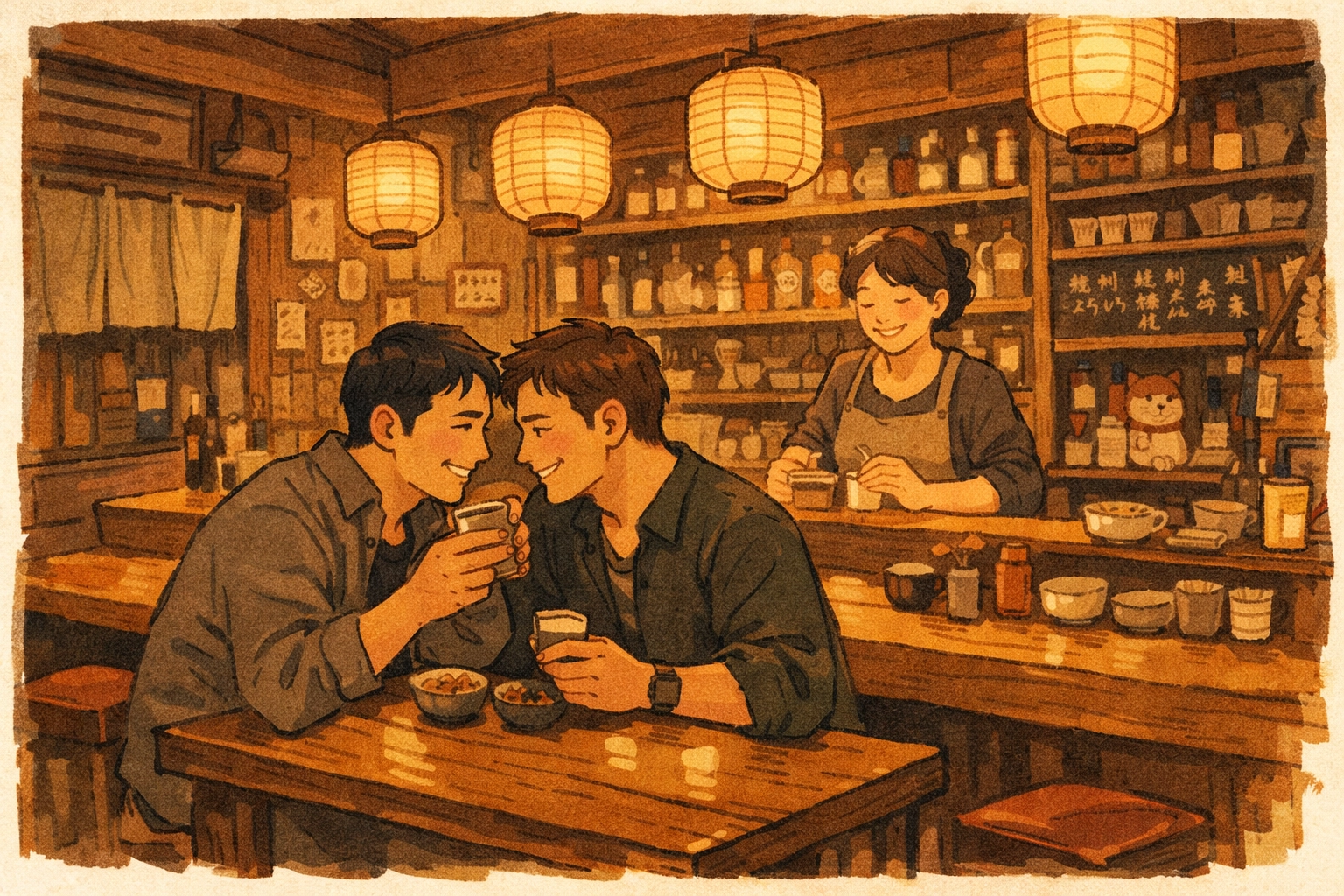
What distinguishes Ni-chōme from Western gay neighborhoods is its extreme specialization. Most bars seat fewer than a dozen patrons and cater to hyper-specific subcultures: bear communities, BDSM enthusiasts, muscular men, young men, butch lesbians, femme lesbians, and countless other identity categories. Bar owners, known as "Mamas," often restrict entry to particular demographics or charge differential pricing to curate their clientele.
This model reflects Japan's broader cultural context. Many LGBT individuals seek private, intimate spaces to express their sexuality due to traditional expectations around marriage, family continuity, and public conformity. The tiny, specialized bars of Ni-chōme provide psychological safety through exclusivity: patrons know exactly who they'll encounter and can express themselves without fear of unwanted judgment or intrusion.
MM Romance Exploring Japanese Culture and Identity
For readers interested in gay fiction that explores Japanese cultural concepts like honne (true feelings) versus tatemae (public facade), our catalog includes stories examining the tension between private desire and public expectation. Discover MM romance books and gay contemporary romance that honor cultural complexity at readwithpride.com.
Decline and Adaptation: 2010–Present
The neighborhood experienced significant decline after 2010. The Japan Times reported in February 2010 that gay bars had dropped by one-third, attributed to rising property values following construction of the Tokyo Metro Fukutoshin Line and increased Internet usage for connection and dating. Additional pressure arrived in 2012 when dancing bans were enforced in popular clubs, though these restrictions lifted by 2014.
The Internet's impact on Ni-chōme cannot be overstated. Apps and websites provided alternatives for meeting partners and community connection, reducing dependency on physical spaces. Younger generations, more comfortable with digital interaction, frequented bars less often. Property speculation driven by improved transit access forced rent increases that many small bar operators couldn't sustain.
Current Landscape: Openness Within Structure
Despite challenges, Ni-chōme continues serving vital functions. The scene is generally described as "open, friendly, and relaxed," maintaining cultural sensitivity and Japanese etiquette while providing safe spaces for self-expression. The neighborhood remains Tokyo's primary LGBT destination, attracting both local regulars and international visitors seeking authentic community experiences.
Approximately 300 establishments still operate, including bars, nightclubs, restaurants, cafes, saunas, love hotels, video stores, and massage parlors. The district's compact geography creates unexpected encounters: turn a corner and discover three specialized bars within ten meters, each serving entirely different demographics. This density fosters visibility and normalization while maintaining the privacy Japanese culture prioritizes.
Read Gay Love Stories and Queer Fiction Inspired by Global Communities
Our LGBTQ+ ebooks collection includes gay romance series and MM fiction exploring community, belonging, and chosen family across cultural contexts. From Tokyo to Berlin to London, these gay romantic fiction titles celebrate queer resilience. Shop new releases and popular gay books at readwithpride.com.
Accessibility for Travelers and Community Members
For international visitors, Ni-chōme offers varying levels of accessibility. Some bars welcome tourists enthusiastically, while others maintain strict locals-only policies. Understanding basic Japanese etiquette: removing shoes when required, greeting the Mama respectfully, understanding cover charges: significantly improves experiences. Many establishments now list information online, making research easier before visiting.
The neighborhood's infrastructure supports diverse needs: affordable standing bars for casual drinks, intimate cocktail lounges for conversation, dance clubs for late-night energy, and cafes for daytime community. This variety ensures that different social preferences and budgets find appropriate venues.
Legacy and Future: Ni-chōme's Ongoing Significance
Shinjuku Ni-chōme's legacy extends beyond its physical space. It demonstrated that LGBT communities could claim urban territory, create self-sustaining economies, and build institutional infrastructure despite legal and social hostility. The district's survival through seven decades of cultural shifts, economic pressures, and technological disruption testifies to community commitment and adaptive capacity.
As Japan gradually shifts toward greater LGBT acceptance: including some municipalities recognizing same-sex partnerships: Ni-chōme's role may evolve. The neighborhood might transition from necessity to choice, from sanctuary to celebration. Yet its historical importance remains fixed: Ni-chōme proved that queer spaces could exist, thrive, and shape broader cultural conversations.
Explore MM Contemporary Romance and Gay Thrillers
For readers who appreciate gay adventure romance and gay psychological thriller genres, browse titles like The Last Blood and The Price of Desire. Our best MM romance selections include steamy MM romance and heartfelt gay fiction for every reader. Visit readwithpride.com today.
Follow Read with Pride on social media for daily recommendations, author interviews, and exclusive offers:
Instagram: @dickfergusonwriter
X/Twitter: @DickFergus94902
Facebook: Dick Ferguson Writer
Discover more LGBTQ+ literature, gay book recommendations, and queer authors at readwithpride.com
#ReadWithPride #Readwithpride #LGBTQebooks #GayBooks #MMRomance #GayRomance #MMBooks #QueerFiction #GayFiction #GayNovels #GayLoveStories #MMNovels #LGBTQFiction #GayLiterature #MMFiction #GayRomanceBooks #MMRomanceBooks #GayRomanticFiction #LGBTQRomance #GayHistoricalRomance #MMHistoricalRomance #GayContemporaryRomance #MMContemporary #BestMMRomance #TopLGBTQBooks #GayEbooks #GayBookRecommendations #LGBTQReading #ReadingWithPride #2026GayBooks #ShinjukuNichome #TokyoGayScene #LGBTQTravel #GayCulture

Leave a Reply
You must be logged in to post a comment.