
readwithpride.com
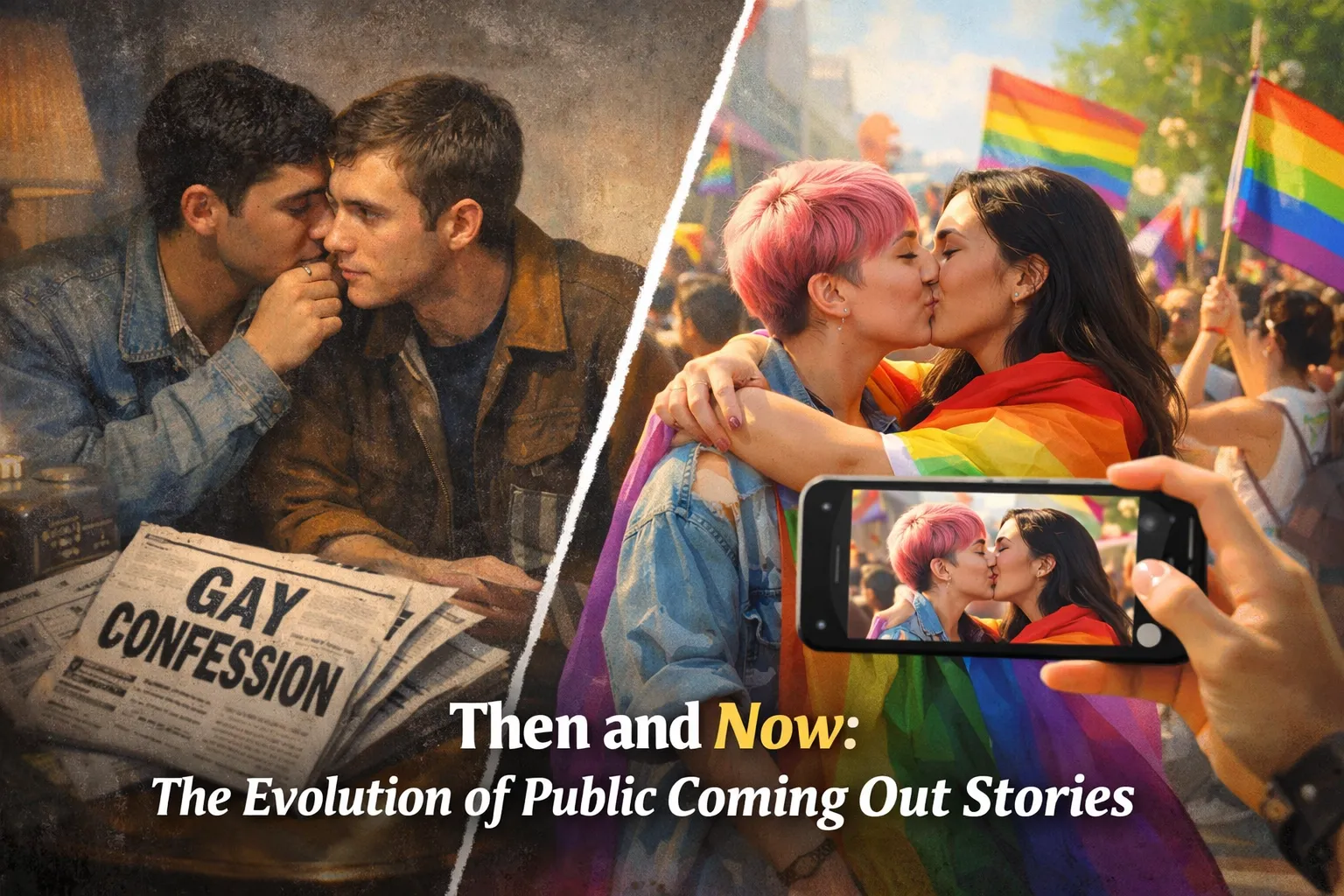
If you’re reading this in 2026, the act of "coming out" might feel like a Tuesday afternoon activity, sometimes a big deal, sometimes a casual mention over brunch, and often something we see reflected in our favorite MM romance books. But it wasn't always a TikTok transition or a heartfelt Instagram carousel. The history of the "public coming out" is a wild, sometimes heartbreaking, and ultimately triumphant journey from coded whispers in jazz clubs to global visibility.
At Read with Pride, we live and breathe stories. We know that the way we tell our truths has changed, but the power of that truth remains the same. Let’s take a walk through time to see how we got from secret societies to the vibrant, unapologetic queer reality of today.
The Secret Debut: Coming Out Into the Community (Early 1900s)
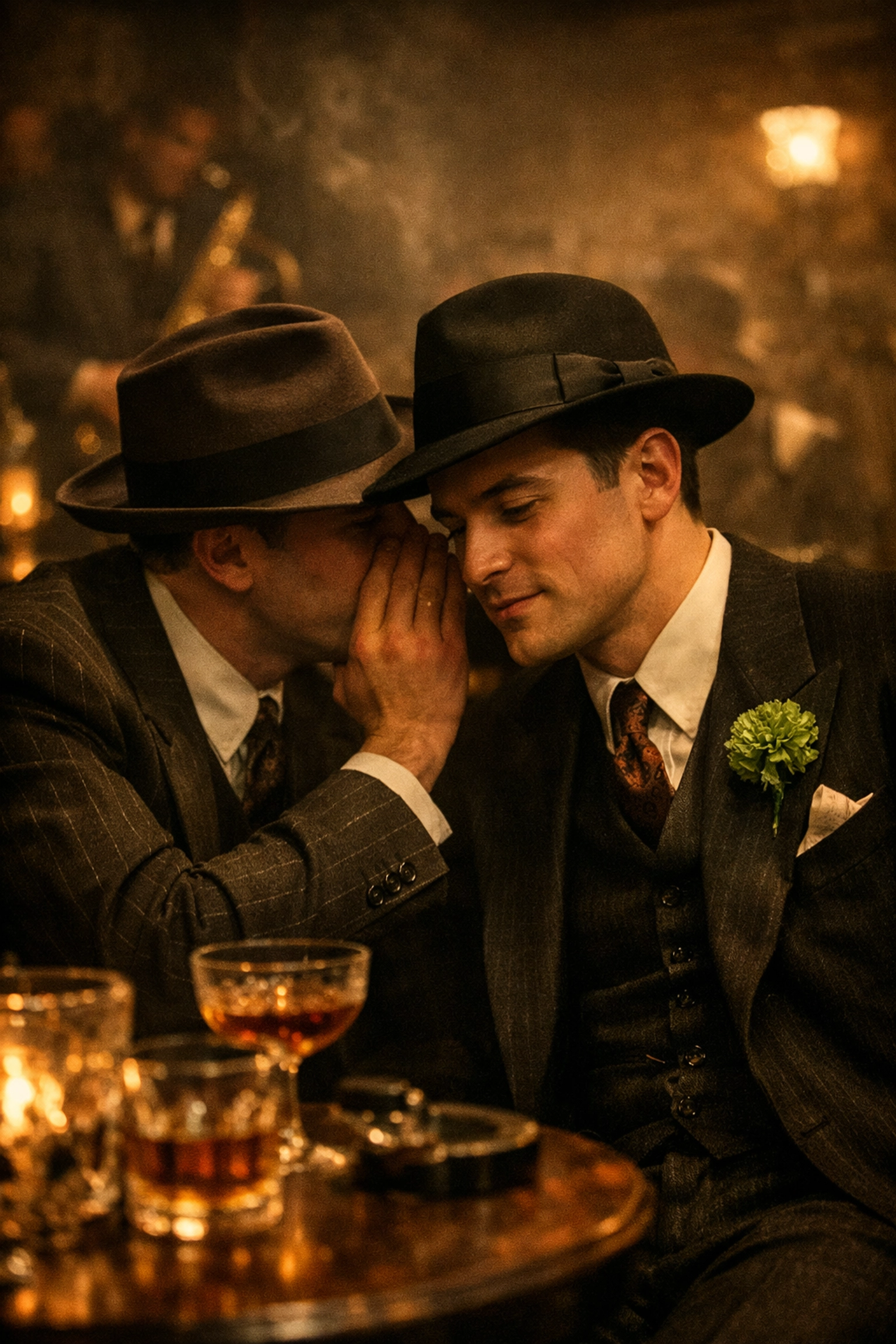
Believe it or not, the phrase "coming out" didn't originally mean telling the straight world you were gay. In the late 19th and early 20th centuries, it was borrowed from high-society debutante balls. For a young gay man in New York, Chicago, or London, "coming out" meant being introduced to the underground queer society.
It was a formal entry into a world of drag balls and secret bars. You weren't coming out of a closet; you were coming into a community. Because the "outside" world was dangerous, gay life relied on a complex system of codes. Have you ever wondered why gay historical romance is so popular? It’s because the tension of that era, the "Friend of Dorothy" whispers and the secret glances, is peak drama.
In this era, groups like the Mattachine Society took their names from masked medieval figures. Visibility wasn't the goal; survival through community was. Coming out was a private ritual, a way of saying, "I am one of you," rather than "I am here" to the world at large.
The Political Explosion: Stonewall and Harvey Milk (1960s – 1970s)
Everything changed in June 1969. The Stonewall Rebellion wasn't just a riot; it was a demand to be seen. By 1970, the first Gay Liberation Marches were telling people to "stop hiding in closets." This was the moment the "closet" metaphor really took hold. Staying "in" was framed as a product of shame imposed by a heteronormative society, and coming "out" became a political weapon.
The real game-changer was Harvey Milk in 1978. He famously urged, "Come Out, Come Out, Wherever You Are." He wasn't just being poetic; he was being strategic. He believed that if every gay person came out to their family, friends, and coworkers, the myths used to prejudice people would crumble. It worked. When people realized their favorite nephew or their reliable accountant was gay, the "boogeyman" narrative failed.
During this time, coming out shifted from a social invitation to a revolutionary act of defiance. It laid the groundwork for the gay fiction and literature that would eventually document our struggles and successes.
The Rite of Passage: The 80s, 90s, and the Crisis
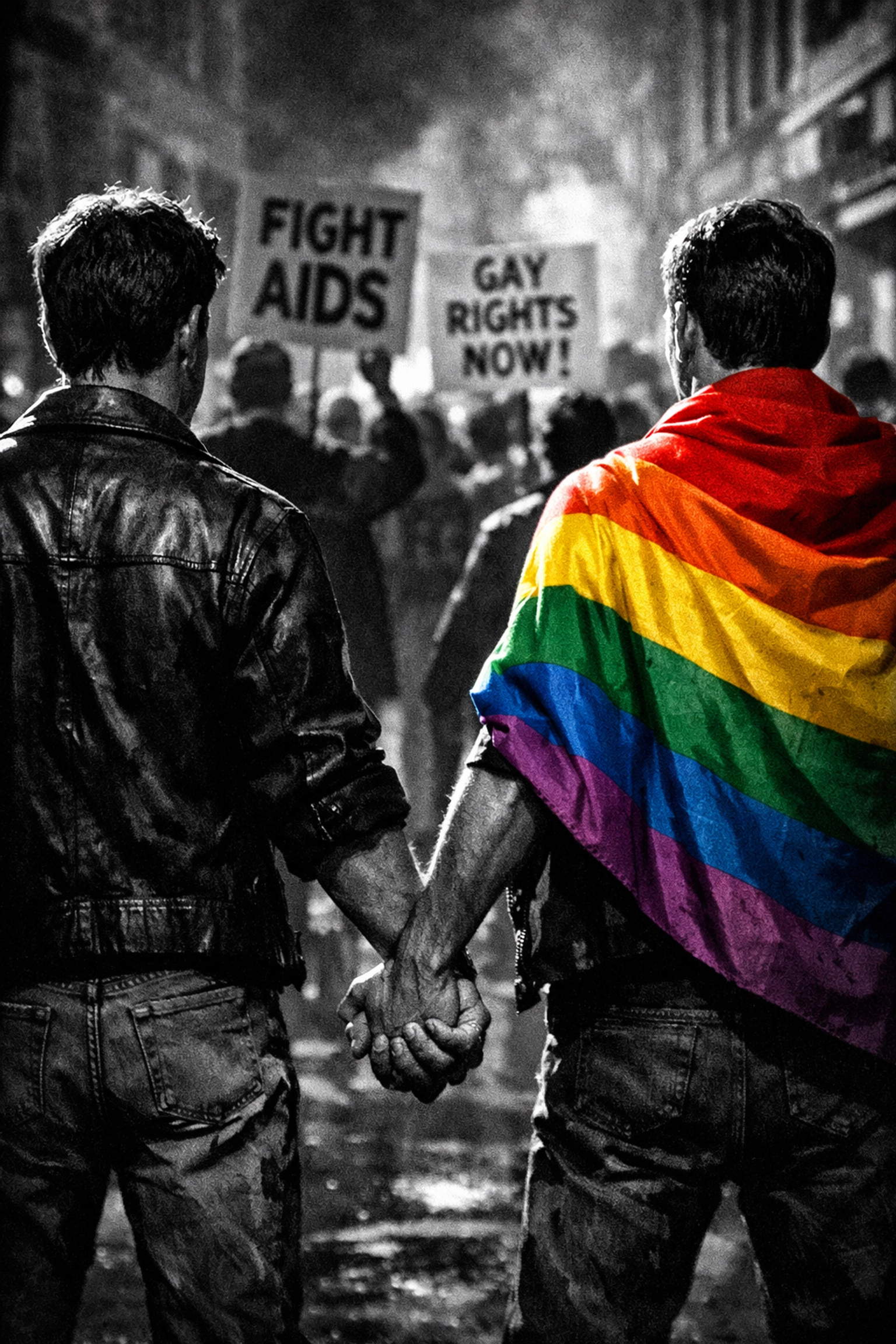
The 1980s brought the devastating AIDS epidemic, which forced a new kind of visibility. Coming out became a matter of life and death. If we were going to fight for funding and healthcare, we had to be visible. National Coming Out Day was established in 1988, turning disclosure into a formalized, annual rite of passage.
This was also the era where we started seeing "the coming out story" as a specific genre of media. In popular gay books and early queer cinema, the plot almost always centered on the trauma and triumph of telling one's parents. While these stories were essential, they often focused on the "moment" of disclosure as the end of the journey. In reality, as we know today, coming out is a lifelong process.
The Digital Revolution: The 2010s and the "Grand Announcement"
By the time the 2010s rolled around, the internet changed the game again. YouTube became the home of the "Coming Out Video." Influencers and celebrities could tell their stories to millions of people at once, bypassing traditional media gatekeepers.
While this provided incredible representation, it also created a new kind of pressure, the "Grand Announcement." There was a feeling that if you didn't have a curated, perfect story to share, you weren't "out enough." However, this era also saw the rise of LGBTQ+ ebooks and digital publishing platforms, allowing for a much wider variety of voices to be heard, including those who didn't fit the "standard" narrative.
If you’re looking for stories that capture this digital-age energy, check out some of the best MM romance titles on readwithpride.com, where modern characters navigate love in the age of social media and instant connectivity.
2026: Letting People In
Where are we now? In 2026, the "public coming out" is evolving once more. Many younger people are moving away from the "big reveal" entirely. Instead of "coming out," there’s a movement toward "letting people in." It’s a subtle shift in power, it implies that your identity is your own, and you choose who is worthy of sharing it.
Today, we see a beautiful diversity in queer fiction. We have MM contemporary stories where being gay is just one part of a complex character's life, and gay fantasy romance where the hero’s sexuality isn't the "problem" to be solved, but a natural part of their world. The reality of gay life in 2026 is that we are everywhere, from the corporate boardroom to the local sports league (and yes, we have plenty of stories about those winter sports activities too!).

Why We Still Tell These Stories
You might ask: in a world with marriage equality and high visibility, do public coming out stories still matter? The answer is a resounding yes.
Coming out remains an "inherently political" act because there are still forces that would prefer we stay silent. Every time a person shares their truth: whether it’s to a million followers or just to one person: it makes the world a little safer for the next person.
At Read with Pride, we believe that gay romance novels and queer authors are a vital part of this evolution. Fiction allows us to explore the "what ifs," to heal from past traumas, and to dream of futures where we are always celebrated. Whether it’s a steamy MM romance or a heartfelt gay fiction piece, these stories affirm our existence.
Looking for Your Next Great Read?
The evolution of our stories continues with you. If you're looking for the new gay releases of 2026 or want to dive into some award-winning gay fiction, we’ve got you covered.
- Discover your next obsession in our post-sitemap1.xml.
- Support independent voices by visiting Dick Ferguson’s store.
- Learn how we're changing the game for creators in The Royalties Revolution.
Whether you love an enemies to lovers MM romance, a slow burn, or a gay psychological thriller, there is a story waiting for you that reflects the reality of who we are today: proud, visible, and ever-evolving.
Stay authentic. Read with pride.
#LGBTQ #ComingOut #GayHistory #MMRomance #QueerFiction #ReadWithPride #GayBooks2026 #PrideHistory #LGBTQAuthors #GayLiterature
Follow us for more stories and updates:

Leave a Reply
You must be logged in to post a comment.