

readwithpride.com
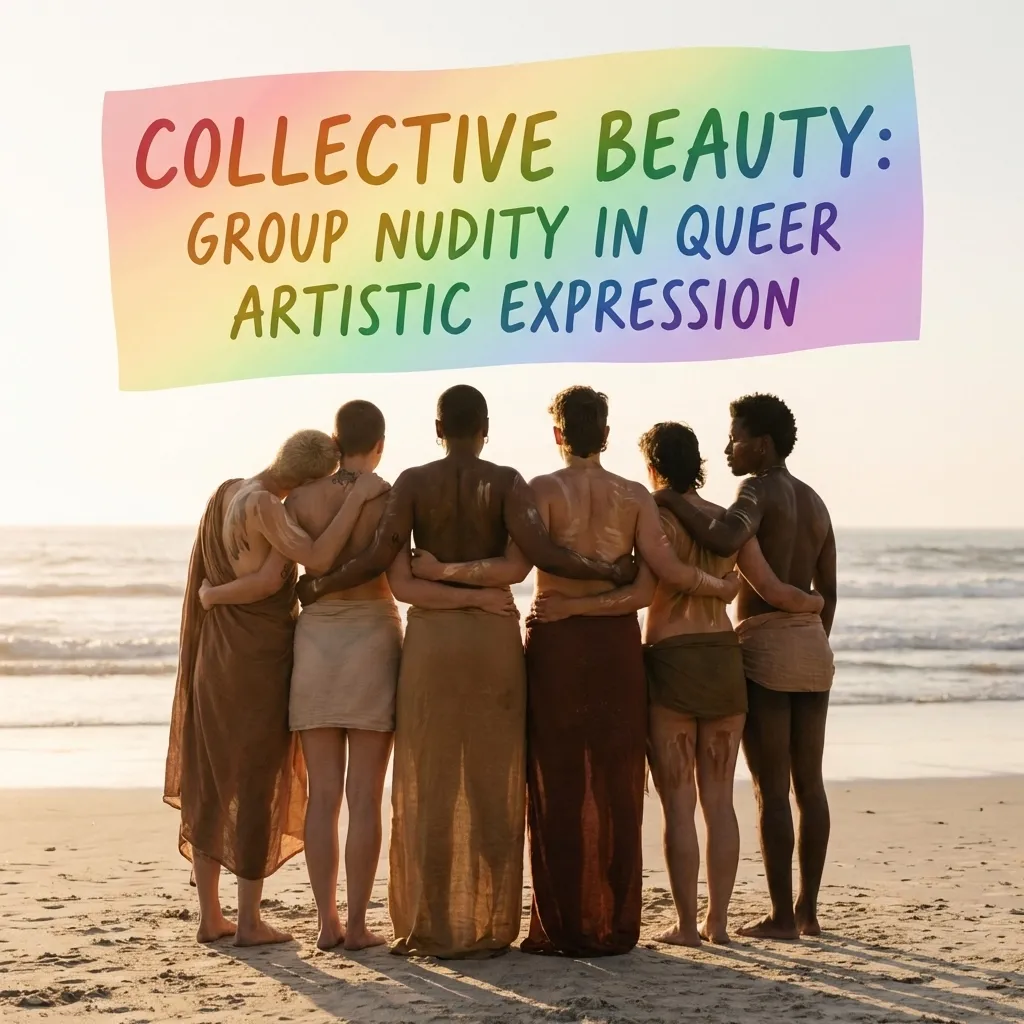
Let’s be honest: when we think about naked bodies in art, our minds often jump straight to the solo hero. We think of the lone statue of David standing tall in Florence or a solitary figure draped across a velvet sofa. But there’s a different kind of power: a louder, more communal energy: that happens when you put multiple naked bodies into a single frame. In the world of queer artistic expression, group nudity isn't just about the "wow" factor; it’s about brotherhood, collective liberation, and the beautiful messiness of being human together.
At Read with Pride, we spend a lot of time talking about how stories connect us. Whether it’s through the pages of the latest MM romance books or a stunning gallery exhibition, the goal is the same: visibility. Seeing ourselves reflected back, not as isolated islands, but as a community.
More Than Just Skin: The Vibe of the Collective
In queer spaces, nudity has often been a radical act. For decades, the "gay body" was something to be hidden, policed, or viewed only through a clinical or pornographic lens. When artists started painting or photographing groups of naked men together, they were doing something revolutionary. They were creating a visual language for kinship.
Think about the way we talk about our favorite gay romance novels. It’s rarely just about the two main characters; it’s about the chosen family that surrounds them. Group nudity in art functions the same way. It represents a "communal care network." It’s the visual equivalent of a found family where everyone is literally and figuratively stripped of their defenses.
The Legacy of the "Flesh Walls"
If we’re going to talk about the power of the group, we have to talk about Martha Edelheit. Back in the 1960s, she started a series called Flesh Walls. These weren't your typical "perfect" models. These were large-scale paintings of men and women just… hanging out. They were resting, reclining, and existing in communal spaces without a shred of self-consciousness.
What makes this so "queer" in spirit is the way it blurs the lines. The figures in these works often have their hands resting on each other’s shoulders or heads resting on chests. Is it erotic? Maybe. Is it platonic? Definitely. It’s that beautiful grey area where intimacy lives. Edelheit’s work captured the countercultural movement of the 60s: the idea of "dropping out" of a rigid, heteronormative society to live collectively.
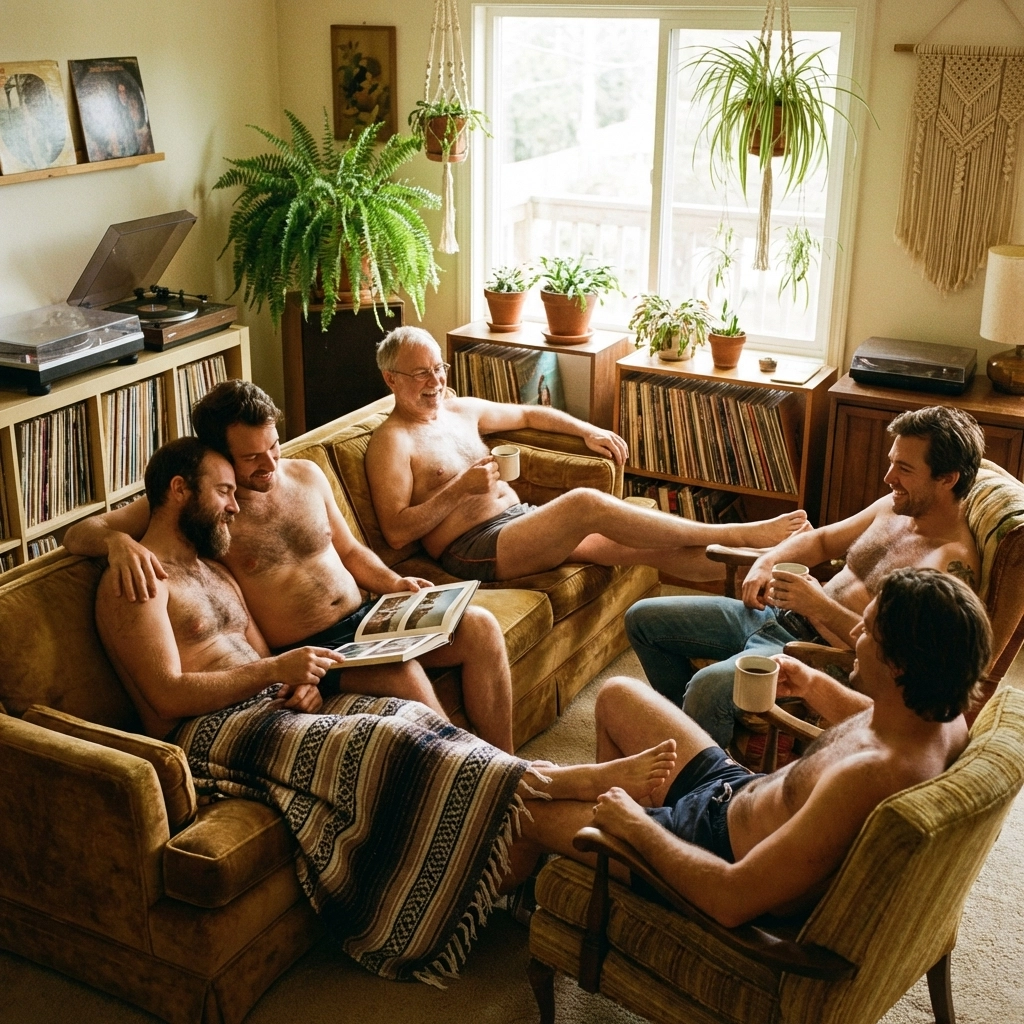
In these paintings, you’ll see "unidealized" details: the stuff the mainstream media usually tries to airbrush away. We're talking stomach rolls, sagging skin, and body hair. This realism is a form of resistance. It says that our bodies don't have to be perfect to be worthy of art. It’s a sentiment we see echoed in the best MM romance being written today, where characters are loved for their flaws, not in spite of them.
From the Museum to the University: The Academic Gaze
For a long time, if you wanted to see naked gay bodies in a museum, you had to look at "classical" art and read between the lines. Queer people have been staring at Greek statues for centuries, finding secret signs and hidden desires in the marble. We’ve always been experts at finding ourselves in spaces that weren't necessarily built for us.
But things are changing. Today, universities and major museums are hosting exhibitions that celebrate the naked queer form as a legitimate, scholarly subject. These exhibitions often explore themes of "non-normative intimacy." They challenge the binary idea that a group of naked men together must either be "just friends" or "at an orgy." Art allows for a middle ground: a space where communal interdependency is the main attraction.
When you walk into a museum and see a massive photograph of twenty naked men on a beach or in a domestic setting, it forces you to confront the concept of collective beauty. You stop looking at the individual parts and start looking at the whole. You see the diversity of the community: different races, ages, and body types: all existing in a shared space of liberation.
Group Nudity as Resistance
Why does seeing a group of naked gay bodies feel so different from seeing a group of naked straight women? Historically, the female nude was often about the "male gaze": objectification for the viewer's pleasure. In contrast, group nudity in queer art often feels like it belongs to the subjects themselves.
Artists like Fernanda Magalhães and Laura Aguilar have used the "grotesque" or the non-conforming body to push back against the "gym-body" standard that can sometimes be toxic within the gay community. By showing groups of bodies that don't fit the "Adonis" mold, they create a space for everyone. It’s a form of political protest. It’s a way of saying, "We are here, we are naked, and we are not going anywhere."
This theme of resistance is a staple in gay literature. We love a story where a group of outcasts comes together to create their own world. Whether it's a gay fantasy romance where a band of warriors finds solace in each other or a gay contemporary romance set in a shared house in the city, the "group" is where the healing happens.
Bridging the Gap: Art and the Modern MM Romance
There is a direct line between the visual art we see in galleries and the stories we read on our Kindles. When you pick up a book from our product-sitemap1.xml, you’re often looking for that same feeling of connection.
In many MM romance books, there are scenes that mirror this artistic group nudity: not necessarily in a sexual way, but in moments of shared vulnerability. Think of the "locker room talk" that turns into a deep emotional confession, or the "skin-to-skin" contact needed for warmth in a survival trope. These moments are "artistic" in their own right because they strip the characters down to their most authentic selves.
If you’re a fan of these themes, you might want to dive into some of our specialized categories. For those who love the intensity of shared experiences, our gay adventure romance section is a great place to start. Or, if you’re looking for something more grounded and emotional, check out our MM contemporary releases.
Curating Your Own Queer Aesthetic
You don’t have to be a museum curator to appreciate the beauty of the collective. The "nudist" movement in art is about more than just taking off your clothes; it’s about taking off the mask. It’s about being seen.
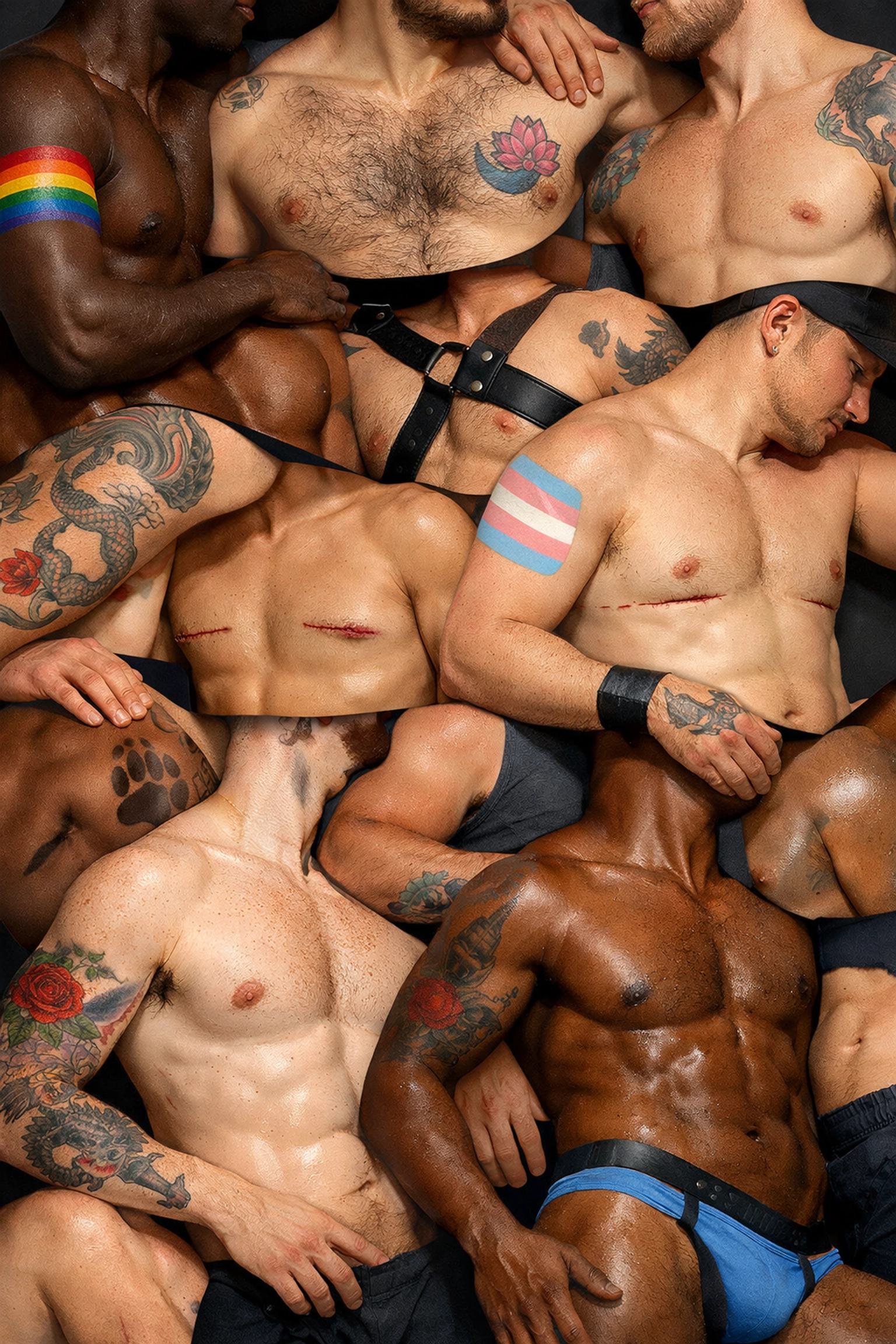
In 2026, we’re seeing a massive resurgence in "body-positive" queer art. We're seeing exhibitions that focus on the aging gay body, the trans body, and the disabled body: all within the context of the group. These works remind us that we aren't just a collection of individuals; we are a tapestry.
Why Visibility Matters in 2026
As we continue to navigate the world, the importance of "Read with Pride" and "See with Pride" has never been greater. Art that features multiple naked gay bodies serves as a visual record of our existence and our joy. It’s a reminder that even when the world feels divided, we have these spaces: galleries, books, and communities: where we can be whole.
Whether you're exploring the history of the veterans' journey or looking for the best MM romance books of 2026, remember that the "collective" is where our strength lies.
Next time you see a piece of art featuring a group of naked bodies, look past the surface. Look for the way they lean on each other. Look for the shared laughter or the quiet moment of rest. That is the true "Collective Beauty" of our community.
Stay connected with us for more stories and art:
- Follow us on Facebook: Read with Pride
- Catch us on X: @Read_With_Pride
- See the beauty on Instagram: @read.withpride
For the best in LGBTQ+ eBooks and gay fiction, visit readwithpride.com.
#QueerArt #MaleNude #ReadWithPride #LGBTQArt #MMRomance #GayLiterature #BodyPositivity #QueerHistory #2026GayBooks #GayRomanceNovels

Leave a Reply
You must be logged in to post a comment.