

readwithpride.com
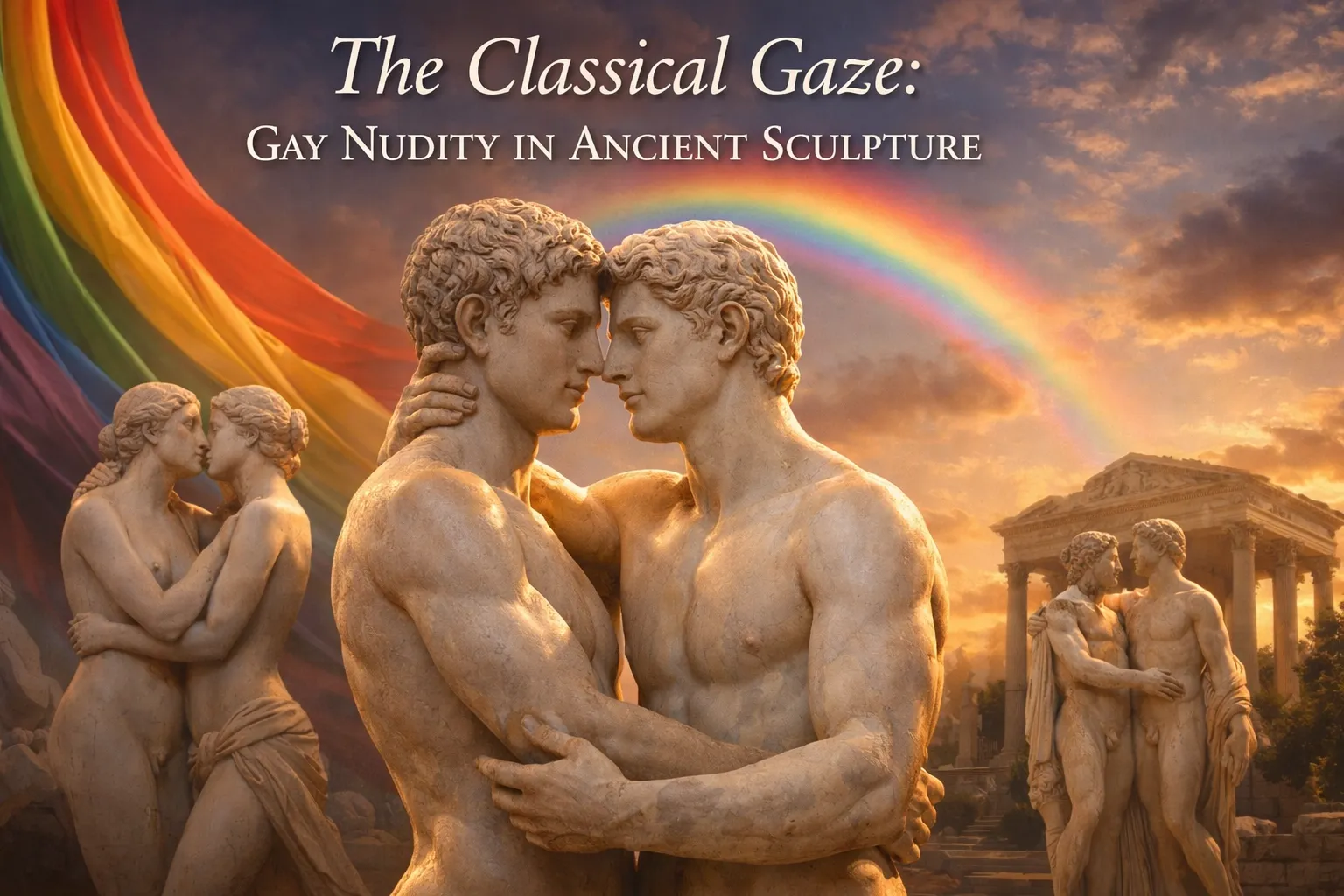
Let’s be real for a second: have you ever walked through a museum, turned a corner into the Greek and Roman wing, and felt like you just accidentally opened a very high-end version of a certain spicy app? There’s a reason those marble guys look the way they do. Long before we had MM romance books or curated Instagram feeds, the ancient world was already perfecting the art of the "male gaze": specifically, a gaze that celebrated the male form in all its naked glory.
At Read with Pride, we’re all about storytelling. But stories aren’t just told with words on a page (though we definitely love those). They’re told in stone, bronze, and the way a culture chooses to represent its heroes. Today, we’re taking a deep dive into the "Classical Gaze" to see how ancient sculpture laid the groundwork for the way we appreciate gay art and gay fiction today.
The OG Thirst Traps: Why the Greeks Loved a Naked Hero
If you think modern gay romance novels are obsessed with washboard abs and perfect jawlines, you should see the Greeks. For the ancient Athenians, the naked male body wasn't just something to look at; it was a philosophical statement. They had a concept called kalos kagathos, which basically translates to "beautiful and good." The idea was that if you were physically fit and beautiful, it was a reflection of your inner virtue.
Early Greek statues, known as Kouros figures, were stiff and formal, but as they moved into the Classical period, things got… interesting. Sculptors started obsessing over anatomy. They wanted to capture the exact ripple of a muscle or the way skin moves over bone.
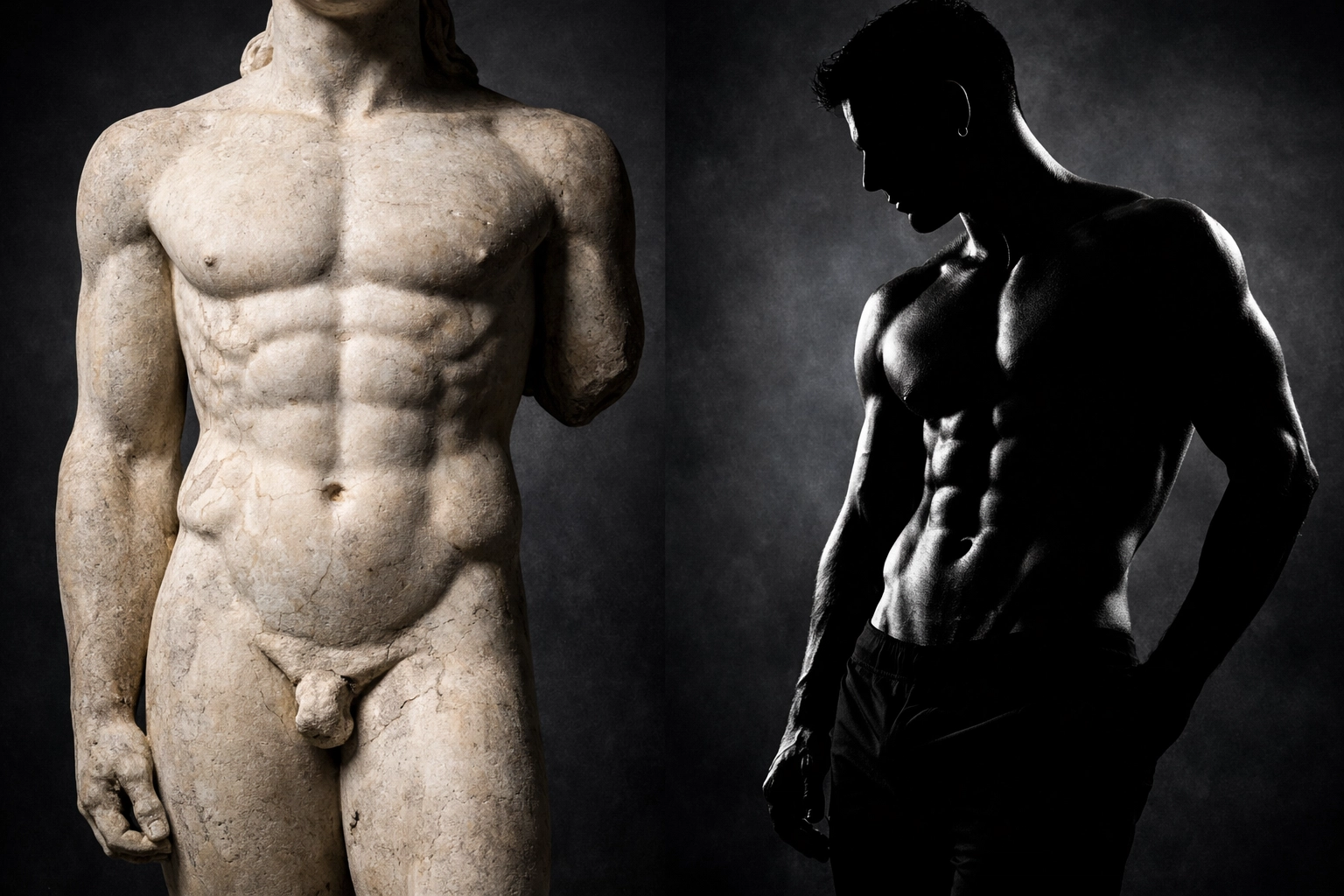
When you look at the Doryphoros (The Spear Bearer) or the Apoxyomenos, you’re looking at what the ancients considered the "canon" of beauty. It’s a standard that hasn’t really left us. When you see a cover for a steamy MM romance or a gay contemporary romance today, that silhouette: the broad shoulders, the tapered waist, the athletic poise: is a direct descendant of those marble men.
It’s Not Just "Roommates": Homoeroticism in the Stone
One of the most annoying things about traditional art history is the way scholars used to describe clearly intimate statues as "just friends" or "comrades in arms." (Sound familiar? It’s the historical version of "they were roommates!")
But the Greeks were a lot more open about it. Their social structures often included mentorships between an older man (erastes) and a younger man (eromenos) that were deeply emotional and often sexual. This dynamic is baked into the art. Look at the way statues of Apollo or Hermes are rendered: there is a softness, a vulnerability, and a blatant sensuality that was meant to be admired by other men.
These sculptures were the "celebrity posters" of their day. They stood in public squares and gymnasiums where men exercised in the nude (the word gymnasium literally comes from gymnos, meaning naked). The "Classical Gaze" was fundamentally a male gaze directed at other men. It’s the historical blueprint for gay literature and the way we visualize desire.
Antinous: The Ultimate Muse of Gay Historical Romance
If we’re talking about gay nudity in ancient art, we have to talk about Antinous. If you’re a fan of gay historical romance, this is the ultimate real-life trope.
Antinous was a beautiful youth from Bithynia who became the favorite: and lover: of the Roman Emperor Hadrian. Their love story was epic, traveling across the empire together until Antinous tragically drowned in the Nile. Hadrian was so devastated that he did what any powerful gay man with an unlimited budget would do: he deified Antinous and ordered thousands of statues of him to be carved and placed all over the Roman world.
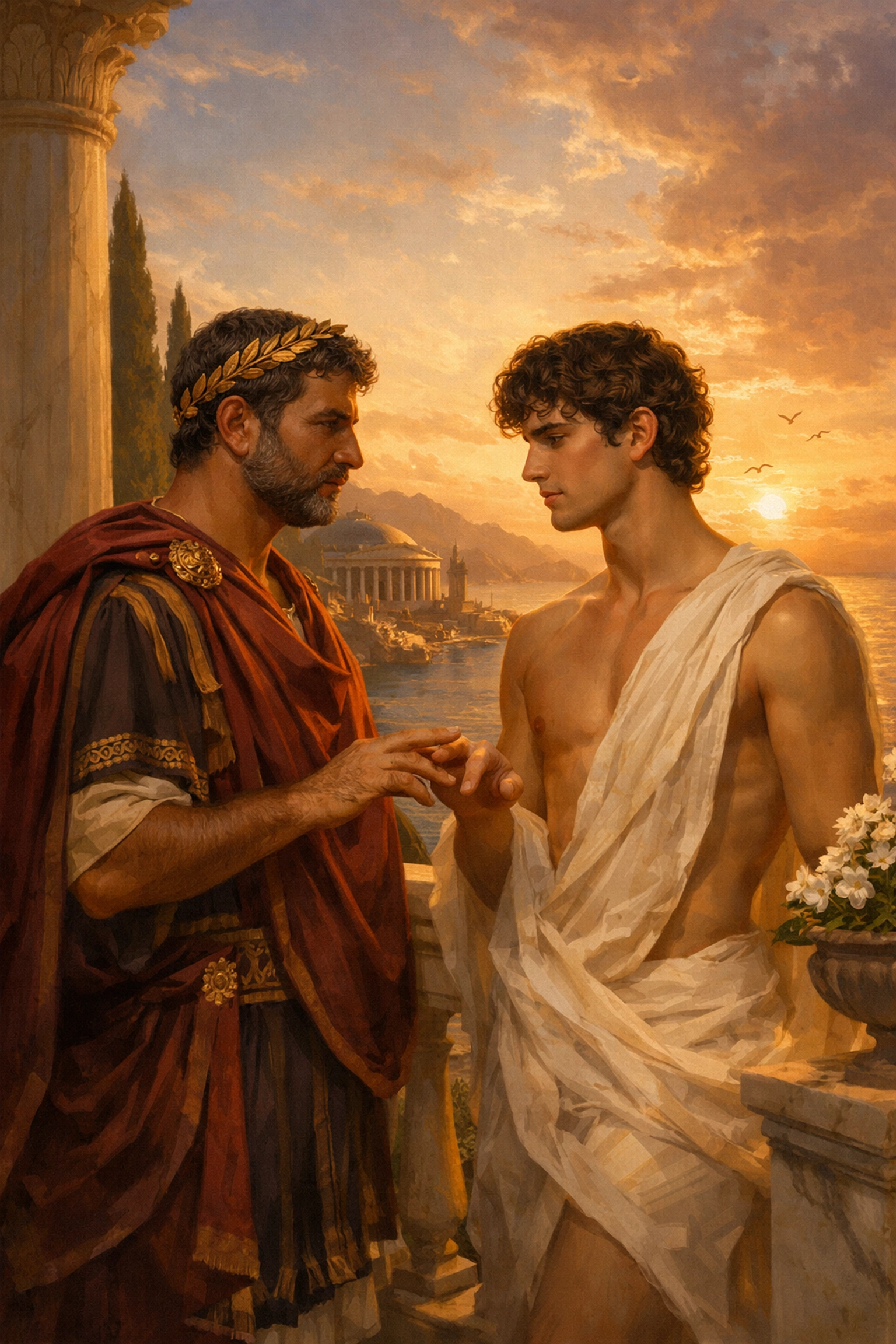
Antinous became a literal god of beauty. Unlike the more rugged, athletic Greek statues, the "Antinous style" is softer, more melancholic, and deeply erotic. These statues aren't just celebrating "virtue"; they are celebrating a specific man who was loved by another man. Whenever we read a heartfelt gay fiction story about loss and devotion, we’re walking in the footsteps of Hadrian and his marble tributes.
From the Museum to the Bookshelf
So, how does this translate to 2026? Why does a 2,000-year-old statue matter to someone looking for their next MM romance fix?
It’s about the lineage of beauty. For centuries, queer people were told their desires were "unnatural." But the statues in the Louvre, the Met, and the British Museum tell a different story. They prove that the celebration of the male body: and the attraction between men: is one of the oldest and most respected traditions in human history.
Modern gay art, from the photography of Robert Mapplethorpe to the illustrations on the latest popular gay books, draws directly from this "Classical Gaze." When we see a hero in a gay fantasy romance described with "sculpted marble features," that’s not just a cliché: it’s a callback to a time when gay beauty was literally the gold standard for the entire world.
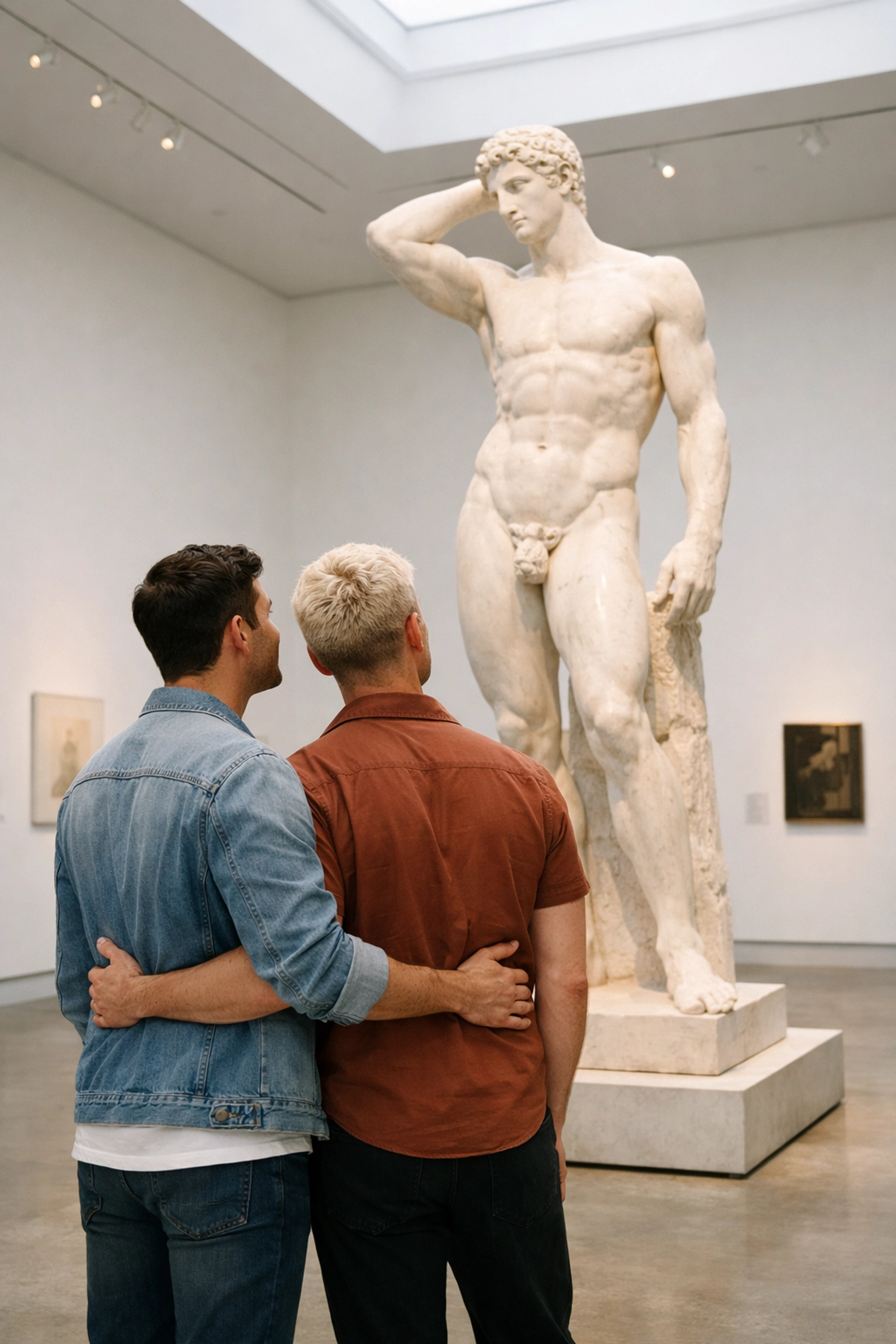
At Read with Pride, we see this influence every day. Whether it's a gay psychological thriller with a protagonist who uses his looks as a weapon or a MM historical romance set in the ruins of Rome, the ghost of the Classical Gaze is always there. It gives our stories a sense of weight and history.
Why We Still Look
Nudity in art is often censored or treated as something "scandalous," but in the context of LGBTQ+ history, it’s a form of reclamation. To look at a naked male body in a museum and see it celebrated as the pinnacle of art is a powerful experience for a community that has often been forced into the shadows.
It reminds us that our bodies are worthy of being turned into art. It reminds us that our attraction is timeless. And it reminds us that the stories we tell today in gay eBooks and queer fiction are part of a massive, beautiful, and very naked tradition.
If you’re looking to dive deeper into stories that celebrate the beauty of the male form: and the complex hearts within them: you’re in the right place. From steamy MM romance to award-winning gay fiction, we’re keeping the spirit of the Classical Gaze alive.
Explore our latest releases and find your next obsession at readwithpride.com. Whether you’re into gay romance series, MM contemporary, or gay classics, we’ve got something that will make you appreciate the "art" of love.

Join the Conversation
What’s your favorite piece of classical art? Does it remind you of a specific MM romance book? Let us know on social media!
- Instagram: read.withpride
- X (Twitter): @Read_With_Pride
- Facebook: Read With Pride
Stay proud, keep reading, and never stop looking at the art that makes you feel seen.
#GayArt #ClassicalGaze #ReadWithPride #MMRomance #LGBTQHistory #GayBooks #QueerArt #AncientGreece #GayFiction #MaleBeauty #2026GayBooks #GayRomanceNovels
Quick Links:

Leave a Reply
You must be logged in to post a comment.