

readwithpride.com
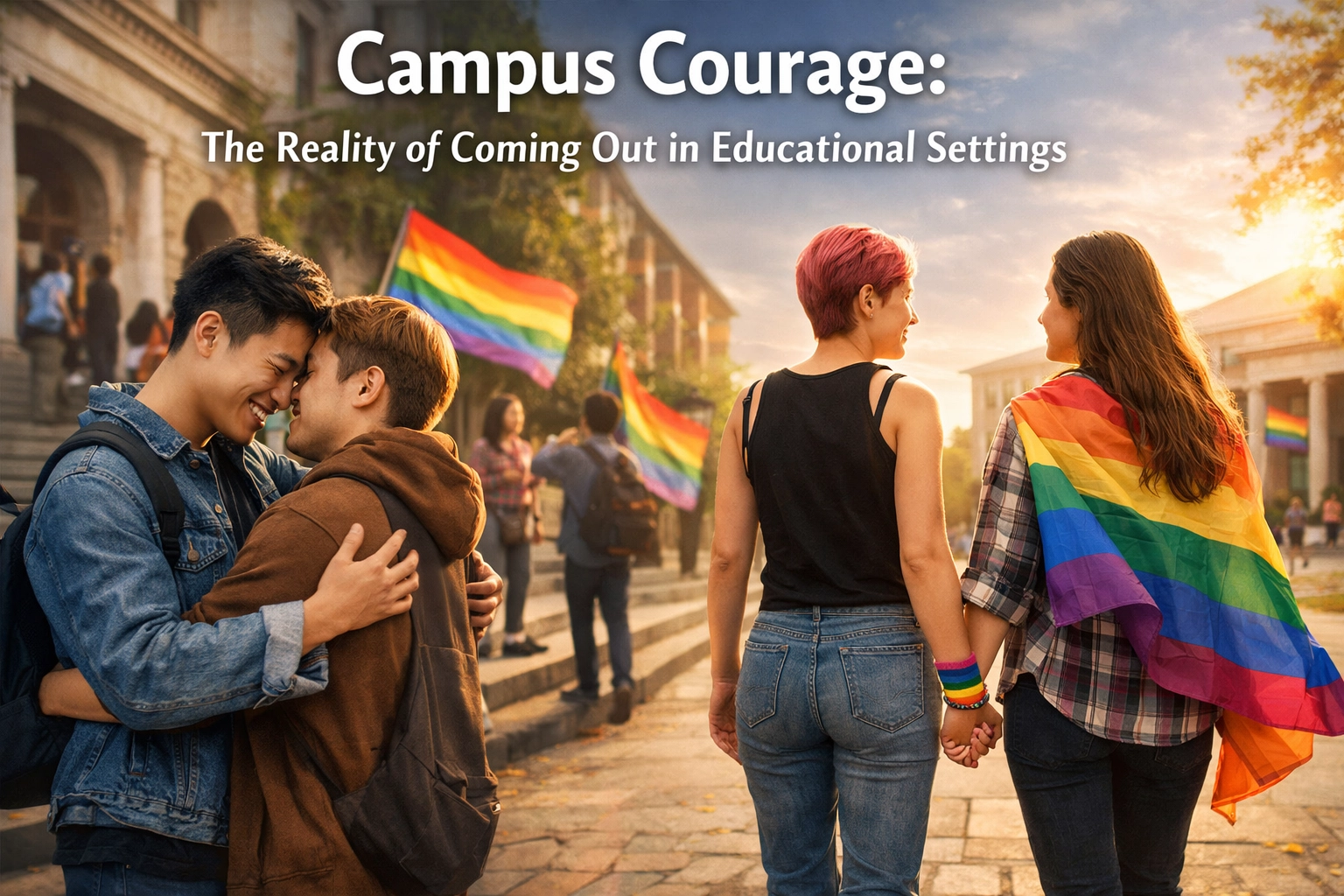
Coming out is rarely a single, cinematic moment with a swelling orchestral score and a slow-motion hug, though we certainly love that trope in our favorite MM romance books. In the real world, especially within the halls of high schools and the sprawling quads of universities, coming out is a continuous process. It’s a series of micro-decisions made every time someone asks, "So, do you have a girlfriend?" or when a professor uses the wrong pronouns.
At Read with Pride, we know that stories are more than just entertainment; they are mirrors and maps. For many students in 2026, the reality of living authentically in an educational setting is a mix of radical courage, occasional awkwardness, and the search for a community that feels like home. Whether you're navigating the locker rooms of a suburban high school or the lecture halls of a major university, the experience of "coming out" is evolving, but it still requires a hell of a lot of heart.
The High School Pressure Cooker: Bullying, Besties, and Brave Faces
High school is a unique beast. It’s a place where social hierarchies can feel like life or death. For LGBTQ+ youth, coming out here can feel like jumping into a pool without knowing if the water is heated or frozen solid.
In the past, the "coming out story" in high school was often a tragedy. Today, thanks to a shift in cultural awareness and the visibility of gay fiction, many Gen Z and Gen Alpha students find a more accepting environment. But let’s keep it real: "more accepting" isn't the same as "perfect."
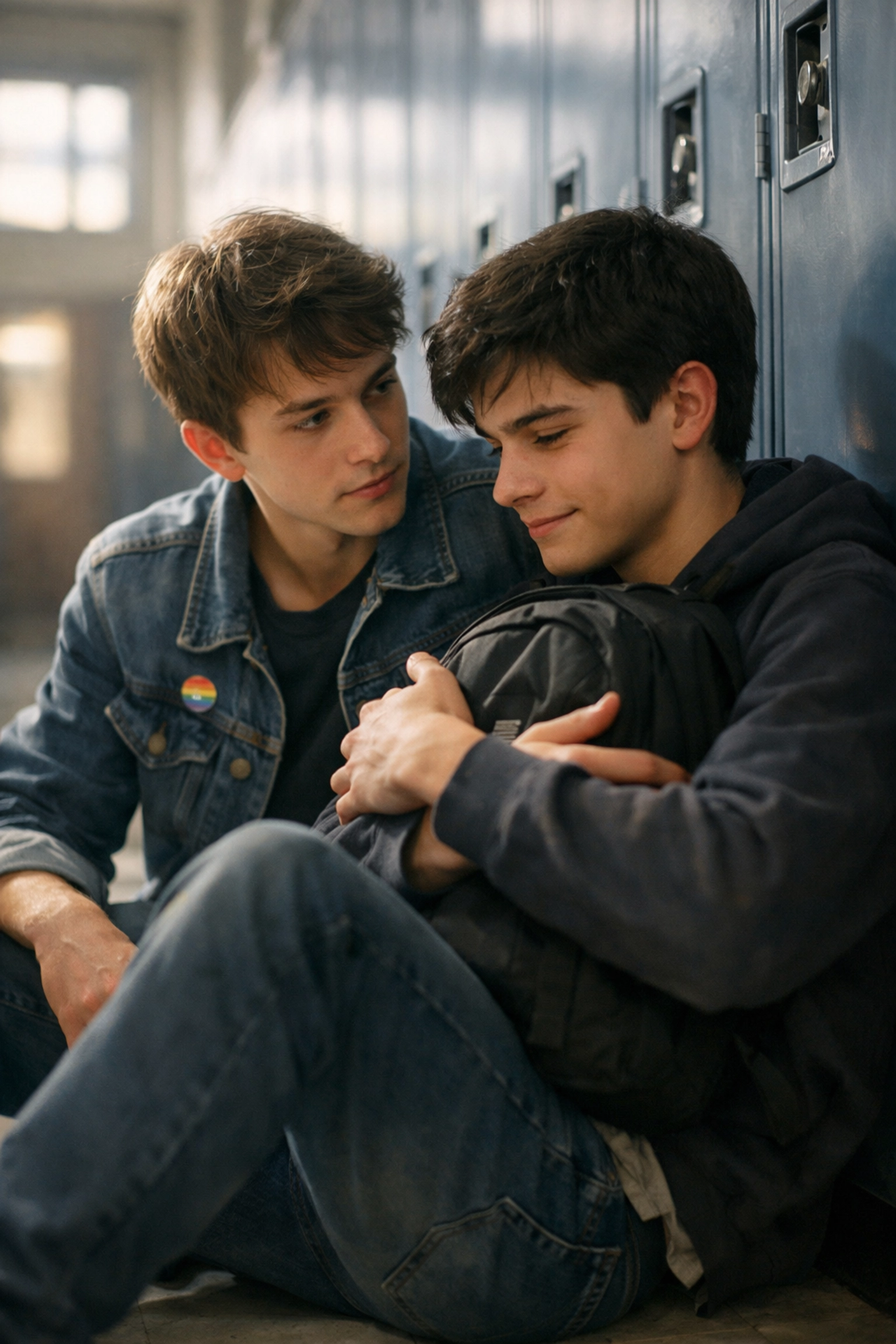
Peer reactions in high school often fall into three categories:
- The "Okay, Cool" Reaction: This is the dream. You say you’re gay, and your friend doesn’t even look up from their phone. Total non-issue.
- The "Gay Best Friend" Trap: This is where things get annoying. Suddenly, you're expected to be the fashion consultant and emotional support human for every straight girl in the zip code. It’s a stereotype that feels like a gilded cage.
- The Cold Shoulder (or Worse): Unfortunately, bullying and isolation still exist. According to recent research, a staggering number of LGBTQ+ students still report feeling lonely or isolated. This is why having access to gay books and queer-inclusive libraries is so vital: it’s a reminder that there is a world beyond the hallway lockers.
The Great University Migration: Finding Your "Gay-Stallation"
For many, university is the "Great Reset." It’s the first time you get to define yourself away from the prying eyes of your hometown. In the world of MM contemporary romance, this is often where the "fresh start" trope kicks in.
University campuses are often bubbles of progressiveness, but they come with their own set of "coming out" challenges. It’s not just about telling your roommate; it’s about navigating professional spaces, sports teams, and Greek life.
The Identity Exploration Phase
College is where many students move from "knowing" to "exploring." You might join a Pride Center (like the ones at Manhattan College or CSU Fullerton mentioned in recent studies) and realize that your identity is more nuanced than a single label. This exploration is beautiful, but it’s also "emotionally taxing and academically disruptive," as researchers have noted. When you're busy deconstructing your entire worldview, it’s hard to focus on Macroeconomics.
Peer Reactions: From Support to "Silent Distance"
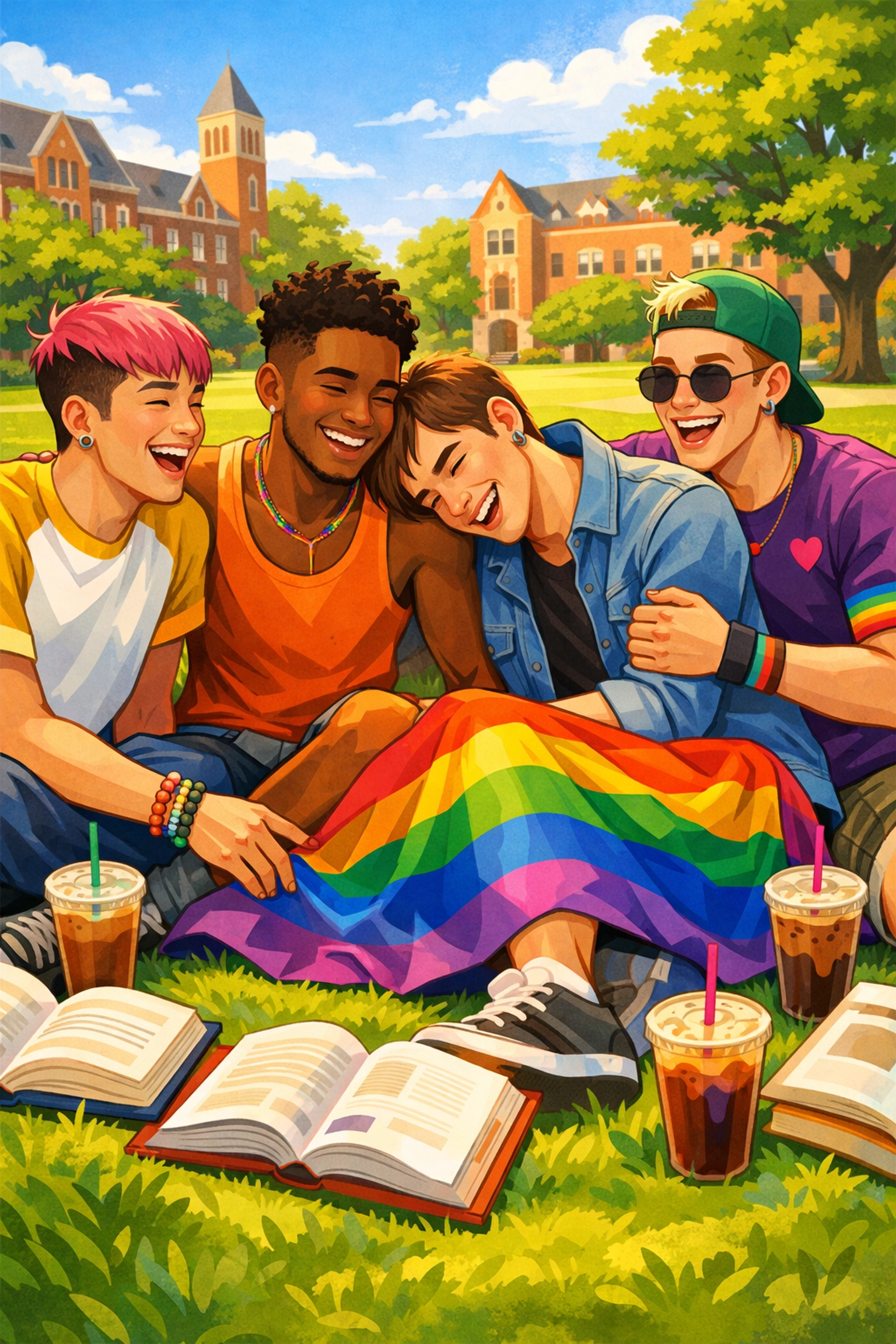
While physical violence is (thankfully) less common on modern campuses, "silent distance" is a real thing. This is when peers don't say anything negative, but they slowly stop inviting you to the "guy's night" or the "girl's brunch." It’s a subtle form of exclusion that can lead to that 70% loneliness rate among LGBTQ+ students.
However, the flip side is the "Found Family." This is our favorite trope for a reason! Universities allow you to find your "Gay-Stallation": a constellation of queer friends who guide you through the dark. These connections often start in student clubs or through shared interests in queer fiction.
Institutional Support: Are Schools Doing Enough?
If you look at the brochures, every school is a "safe space." But the reality often depends on the individual teachers and administrators.
What Works:
- Gender-Neutral Housing: Taking the stress out of the roommate lottery.
- LGBTQ+ Resource Centers: Having a physical space to go where you don't have to explain yourself.
- Inclusive Curriculum: When a history teacher mentions Alan Turing or an English prof assigns gay novels, it signals to the whole class that queer lives matter.
What Still Needs Work:
- Mental Health Services: General counseling is great, but students need therapists who understand "minority stress" and the specific nuances of the coming-out process.
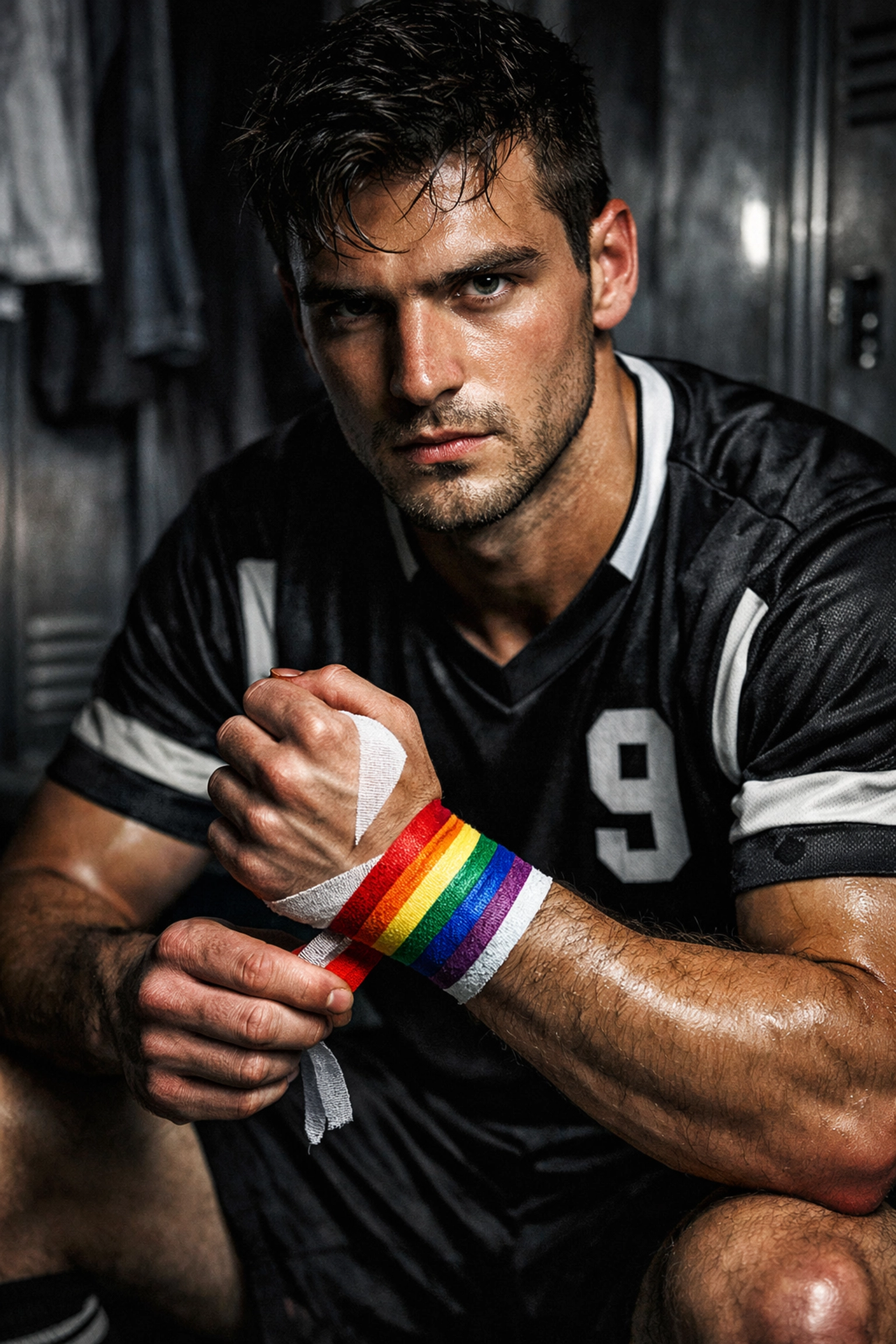
- Athletic Departments: Sports remain one of the "last frontiers" for public coming out. The "jock" culture in many schools still feels like a place where you have to trade your identity for a spot on the starting lineup.
Why We Write (and Read) About It
At Readwithpride.com, we see the data, and we hear the stories. We know that 39 percent of LGBTQ+ youth have seriously considered suicide in the past year. That is a heavy, heartbreaking reality.
This is why we champion MM romance and gay love stories. When a student sees themselves as the hero of a story: not the victim, not the sidekick, and not a tragic statistic: it changes their internal narrative. Reading about a protagonist who navigates the same "Campus Courage" and comes out on top (usually with a very hot boyfriend) isn't just "escapism." It’s a form of survival.
Whether it’s a gay historical romance that shows our long history of resilience or a steamy MM romance that celebrates queer joy, these books are essential tools for anyone navigating the educational closet.
Advice for the Students (and Those Supporting Them)
If you’re currently in the thick of it: trying to decide if today is the day you wear that Pride pin or tell your lab partner the truth: here are a few things to remember:
- Your Timeline is the Only One That Matters: Don't let social media or "Coming Out Day" pressure you. If you aren't ready, you aren't ready. Your safety and mental health come first.
- Find Your "Tribe" Before the "Vibe": Before you come out to the whole world, find one or two "safe" people. Having a support system makes the public stuff much easier.
- Use the Resources: If your school has a GSA (Genders & Sexualities Alliance) or a Pride Center, use it. These places exist because people fought for them.
- Lose Yourself in a Good Book: When the "real world" feels a bit too loud, grab one of the best MM romance books of 2026. Let yourself be reminded that joy is possible, and love is waiting for you.

The Road Ahead
Coming out in high school or university is an act of defiance. It is a statement that says, "I refuse to be invisible so that you can stay comfortable." It takes guts, it takes humor, and occasionally, it takes a really good playlist and a supportive book club.
Educational settings are changing, slowly but surely. As institutional policies align with human reality, the "courage" required to be oneself will hopefully shift from "extraordinary" to "ordinary." Until then, we’ll keep providing the stories that give you the strength to keep going.
Stay proud, stay curious, and keep reading.
Readwithpride.com
#LGBTQ+ #ComingOut #CampusLife #MMRomance #GayFiction #QueerBooks #ReadWithPride #GayLoveStories #CollegeLife #2026GayBooks
Connect with us:

Leave a Reply
You must be logged in to post a comment.