

readwithpride.com
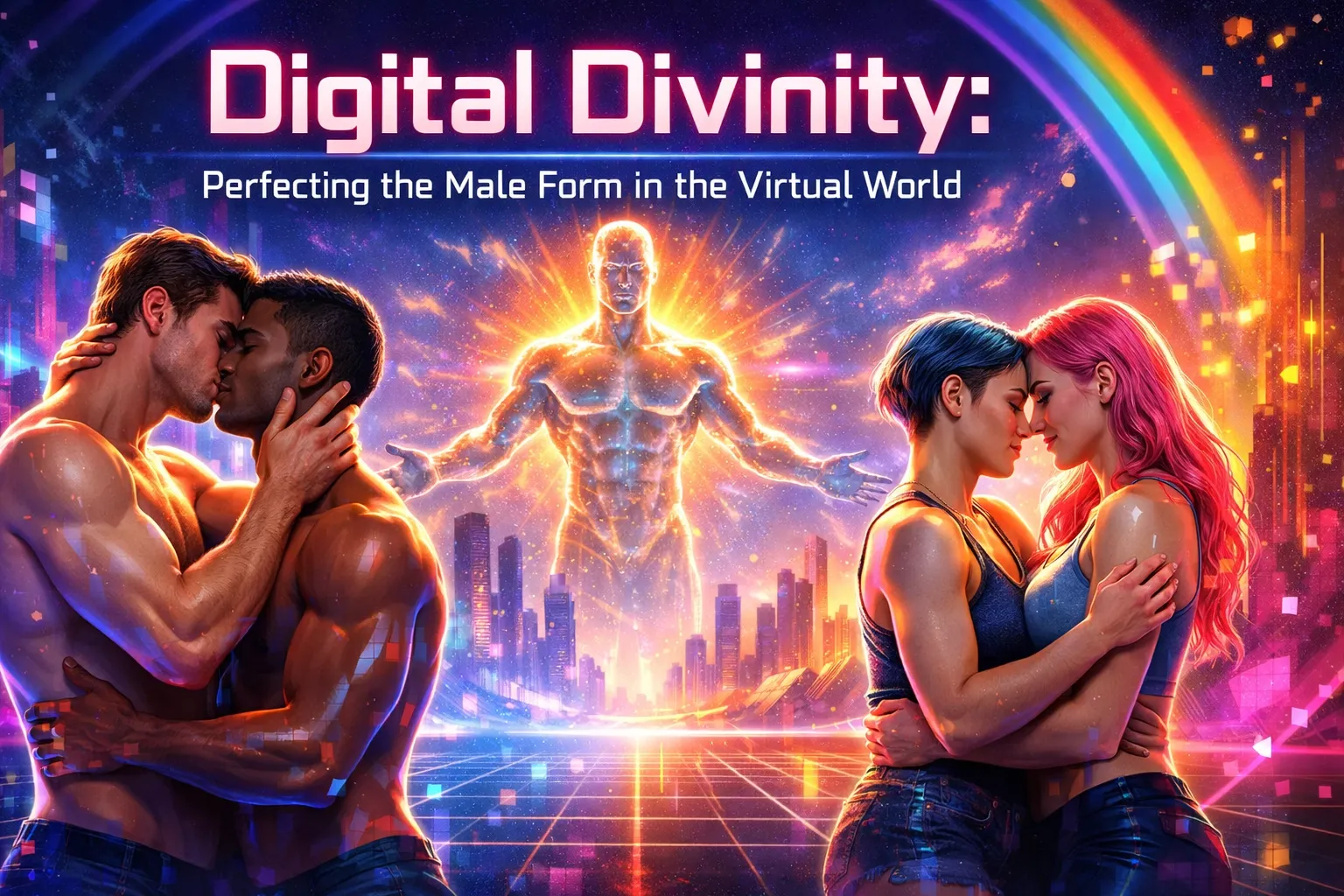
There’s something timeless about the male form. From the marble curves of Michelangelo’s David to the oil-brushed skin of Caravaggio’s youths, we’ve been obsessed with the "perfect" body for centuries. But as we cruise through 2026, the chisel and the paintbrush have been joined by something a bit more… high-tech.
Welcome to the era of Digital Divinity.
In the modern art world, the quest for the ultimate aesthetic has moved from the studio to the software. Digital artists are now using sophisticated 3D modeling tools to sculpt, refine, and celebrate the male body in ways that were previously impossible. We’re talking about every line of a naked body, every ripple of a muscle, and yes, the absolute perfection of a well-rendered bum. At Read with Pride, we’re all about celebrating queer expression in every medium, and today, we’re diving deep into how digital art is redefining masculinity and desire.
The New Age Chisel: 3D Sculpting and Anatomy
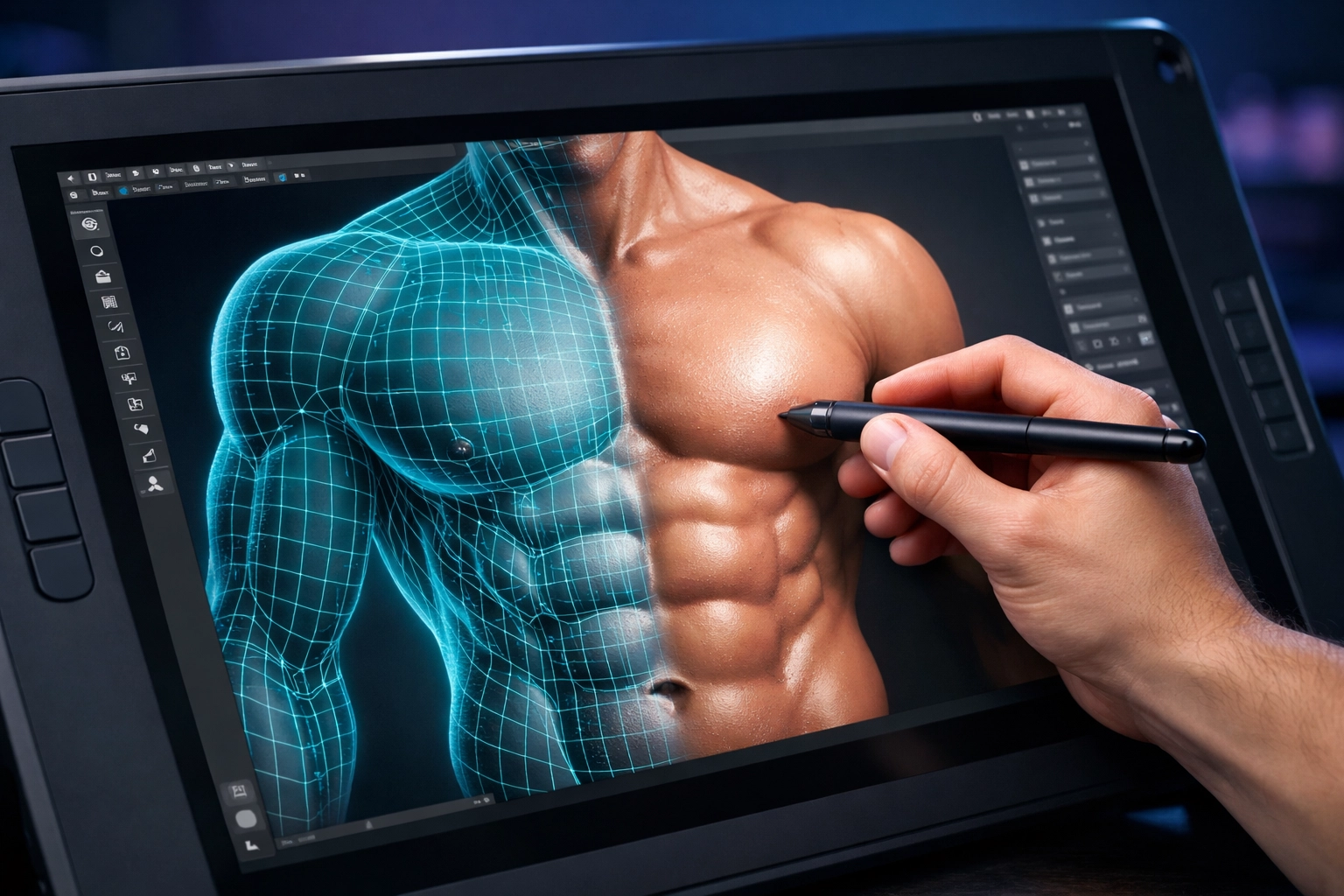
Back in the day, if you wanted to see a stunning depiction of the male form, you’d head to a museum or flip through a dusty art history book. Today, the most breathtaking "naked gay bodies art" is often found on a high-resolution monitor. Digital artists use programs like ZBrush and Blender to act as a virtual thumb, smoothing out digital clay to create hyper-realistic muscles and skin textures.
What makes digital art so fascinating is the level of control. An artist can spend forty hours just working on the "lines of a naked body", the way a shadow falls across a collarbone or the specific tension in a forearm. It’s a process of hyper-fixation that results in "Digital Divinity," where the human form is pushed to its absolute aesthetic limit.
The Obsession with the "Bum" and "Muscle" Aesthetics
Let’s be real: in the world of gay art, the "bum" and "muscle" are more than just body parts, they’re central characters. Digital 3D modeling allows artists to explore these features with anatomical precision. We aren't just looking at a flat image; we’re looking at a three-dimensional study of weight, light, and texture.
Digital artists often talk about the "topology" of the body. This refers to the wireframe structure that dictates how a 3D model moves and catches the light. For a character to look "perfect," the topology around the glutes and thighs has to be flawless. It’s this intersection of math and art that creates those steamy, realistic visuals we see on the covers of the latest MM romance books or in digital galleries.
In 2026, the trend has shifted toward "Hyper-Masculine Realism." We’re seeing a surge in art that emphasizes the V-taper, the serratus muscles, and that specific curve where the lower back meets the glutes. It’s an exploration of the male body that feels both grounded in biology and elevated by fantasy.
Pushing the Boundaries of Human Anatomy
One of the coolest things about digital art is that it doesn’t have to play by the rules of physics. While many artists strive for realism, others use 3D modeling to push the boundaries of what a body can be. This "virtual divinity" allows for bodies that are larger than life, muscles that ripple with impossible definition and proportions that lean into the "superhero" aesthetic.
This isn't just about vanity; it’s about the "gaze." In the LGBTQ+ community, reclaiming the male gaze means celebrating what we find beautiful. Whether it’s in a university art exhibition or a private digital collection, these works challenge traditional notions of what is "allowed" to be shown. They celebrate the naked male form without shame, focusing on the beauty of the lines and the strength of the physique.
Digital Art and the World of MM Romance
You might be wondering, "Penny, how does this affect my reading list?" Well, more than you’d think! The world of gay romance novels and queer fiction has seen a massive shift in cover design. Gone are the days of blurry, low-quality stock photos. Today’s best MM romance books of 2026 often feature bespoke digital art that looks so real you’d swear the character could step off the screen.
When you’re browsing for steamy MM romance or gay contemporary romance at Read with Pride, the visuals matter. They set the tone. Digital divinity in art allows authors to create a visual representation of their protagonists that matches their vision perfectly: down to the last muscle fiber. It creates a more immersive experience for the reader, bridging the gap between the words on the page and the image in their mind.
From Museums to Mobile Screens: Accessibility of Art
One of the most radical things about the rise of digital "naked art" is where we find it. You no longer need an invitation to a prestigious gallery to see world-class anatomical studies. While universities and museums are finally hosting more inclusive exhibitions featuring gay-centric nudism in art, the real revolution is happening on social media and digital platforms.
Artists are sharing their 3D turnarounds, showing the body from every angle. This transparency in the creative process has built a massive community of fans who appreciate the "art of the naked body" not just for its sex appeal, but for the technical skill involved. It’s about the interplay of sub-surface scattering (how light passes through skin) and the meticulous placement of digital hair and pores.
Why It Matters: Authentic Representation
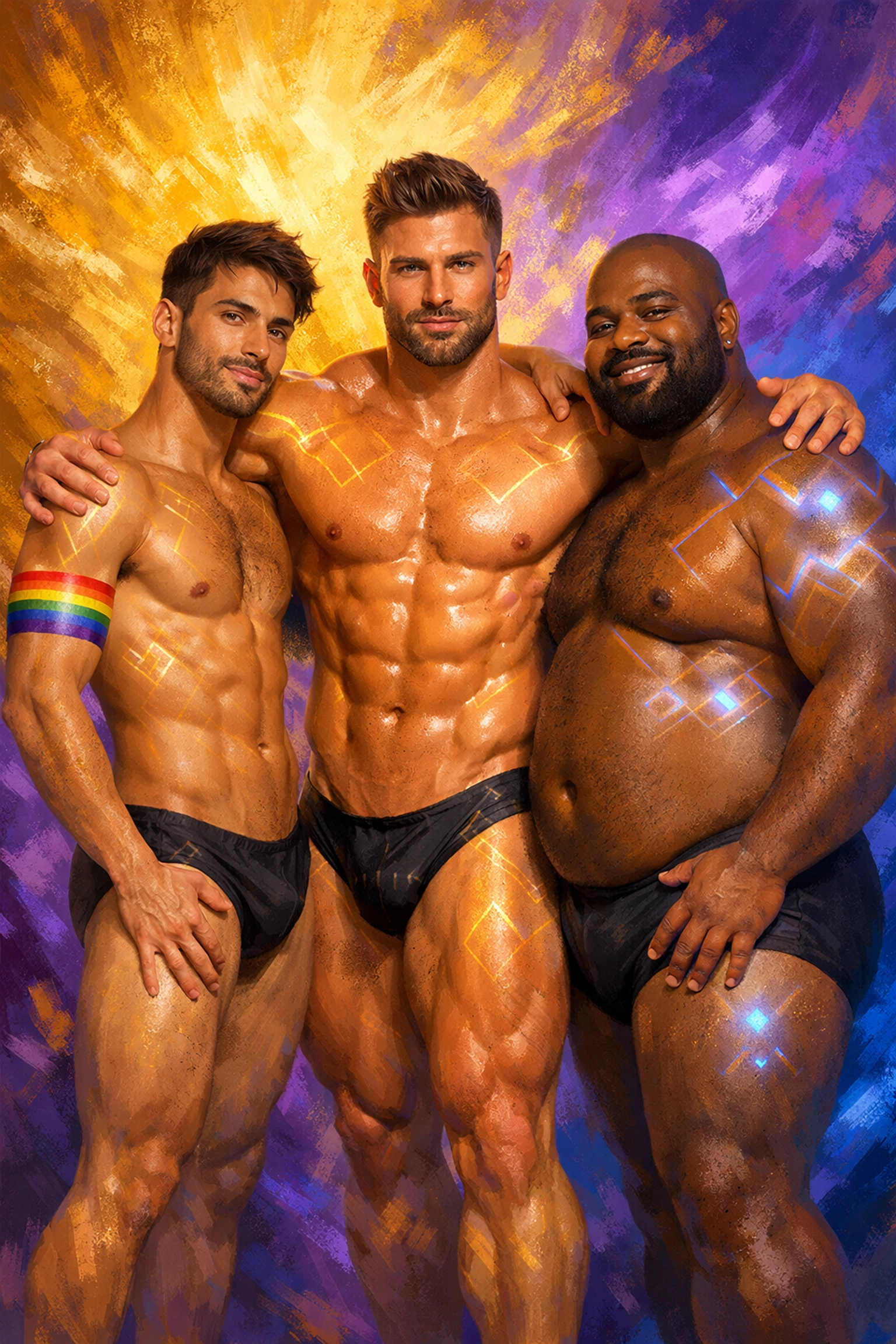
At Read with Pride, we believe in authenticity. While "perfection" is a fun theme in digital art, the true "divinity" comes from the diversity of the male form. Modern digital artists are beginning to use these powerful 3D tools to represent all kinds of bodies: different ethnicities, body types, and abilities.
Digital divinity isn't just about the "ideal" body; it’s about the "ideal" expression of self. By using technology to explore the male form, artists are creating a space where the naked body is celebrated as a work of art, free from the stigmas of the past. It’s a way of saying, "This is us, this is beautiful, and we aren't hiding."
The Future of the Digital Male Form
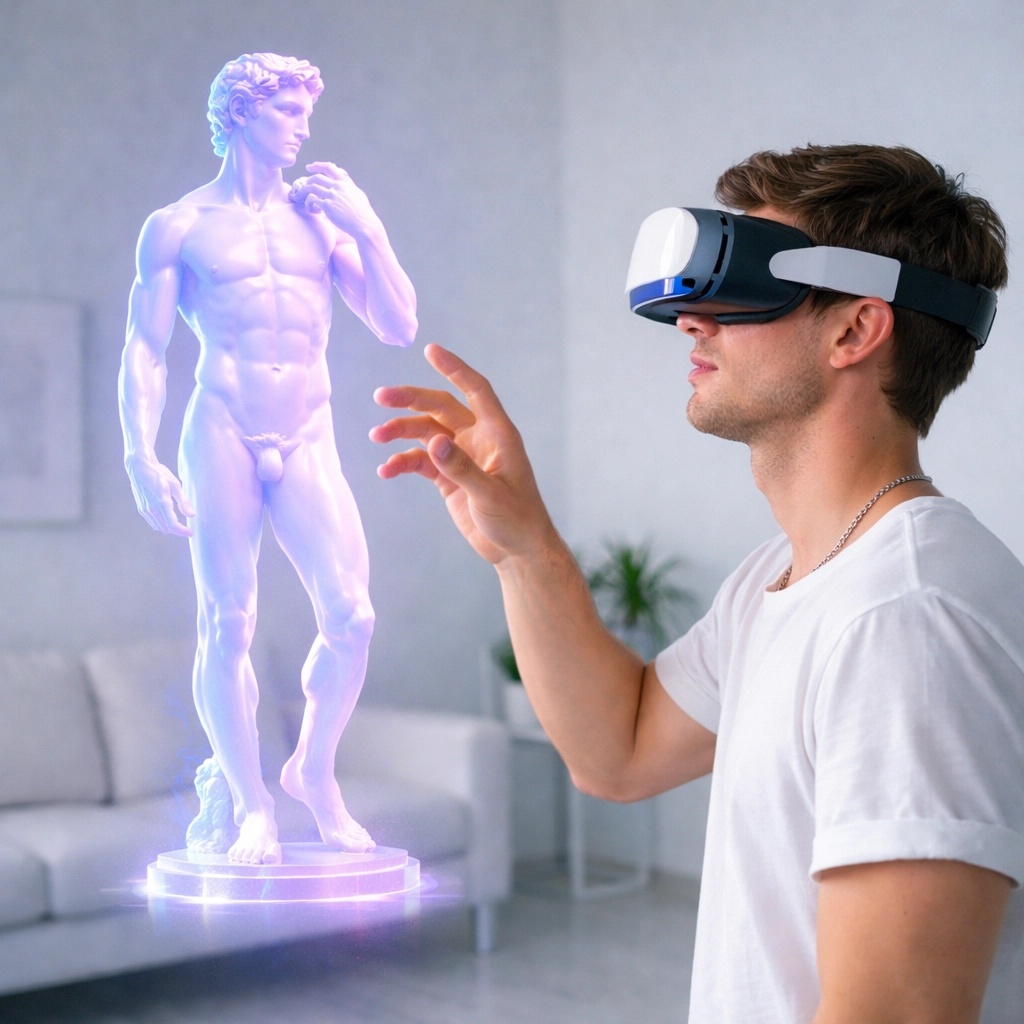
As we look toward the rest of 2026 and beyond, the line between the virtual and the physical will continue to blur. We’re seeing more VR (Virtual Reality) art galleries where you can walk around a 3D-sculpted male figure, appreciating the "bums and muscles" from a first-person perspective. It’s an immersive way to experience "naked art" that Michelangelo could only have dreamed of.
Whether you’re an art student at a university, a fan of gay fiction, or just someone who appreciates a well-rendered physique, the world of digital divinity has something for you. It’s a testament to human creativity and our eternal fascination with our own forms.
Wrapping Up
The male body is a landscape of lines, shadows, and strength. Through the lens of 3D modeling and digital art, we’re finding new ways to worship at the altar of the male form. From the covers of MM romance books to the digital halls of modern exhibitions, the "Digital Divinity" movement is here to stay, and it's looking better than ever.
Ready to explore more? Check out our latest gay love stories and gay novels over at Readwithpride.com. We’ve got the best LGBTQ+ ebooks and gay literature to keep your imagination running wild.
Don't forget to follow us and join the conversation!
- Facebook: Read with Pride
- Twitter/X: @Read_With_Pride
- Instagram: @read.withpride
Keep reading, keep dreaming, and always read with pride.
#GayArt #DigitalDivinity #ReadWithPride #MMRomance #MaleNudeArt #3DModeling #GayBooks2026 #QueerArt #MaleForm #NakedArt #GayRomanceNovels #AnatomyInArt

Leave a Reply
You must be logged in to post a comment.