

readwithpride.com
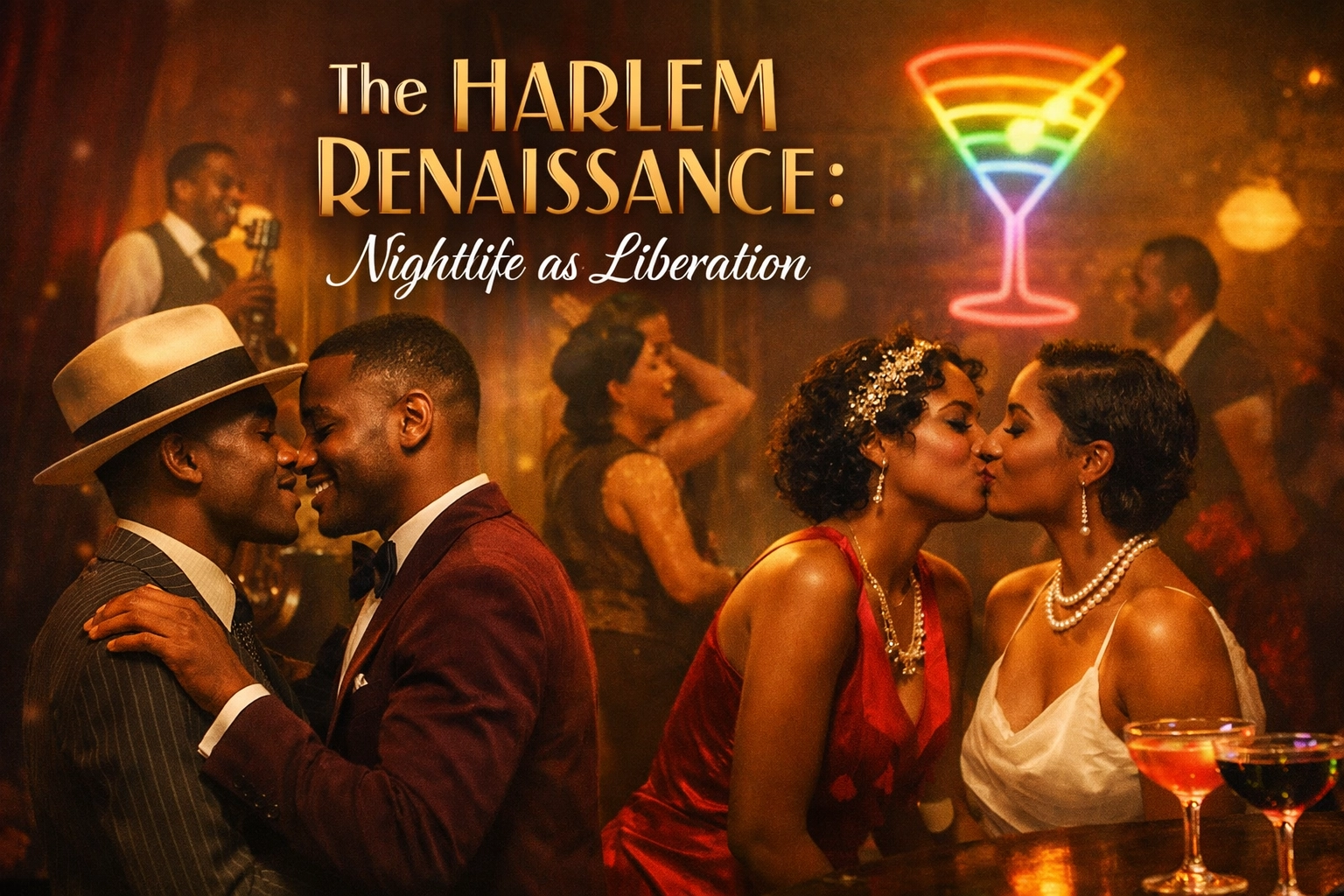
When we think of the 1920s, we usually picture the Great Gatsby: champagne towers, flappers, and Leo DiCaprio toasted us with a martini. But if you really wanted to see the magic happen, you had to head uptown to New York City. The Harlem Renaissance wasn't just a "vibe"; it was a full-blown cultural explosion that redefined Black identity in America. And here’s the best-kept secret that’s finally coming out of the shadows: it was incredibly, unapologetically queer.
In the 1920s and early 30s, Harlem became a sanctuary where the boundaries of race, gender, and sexuality weren't just pushed: they were danced on. If you're a fan of gay historical romance or love diving into the roots of modern queer culture, the speakeasies and "buffet flats" of Harlem are where the real stories live. At Read with Pride, we believe that knowing our history makes our contemporary gay romance novels even richer.
The "Pansy Craze" and the Birth of the Drag Ball
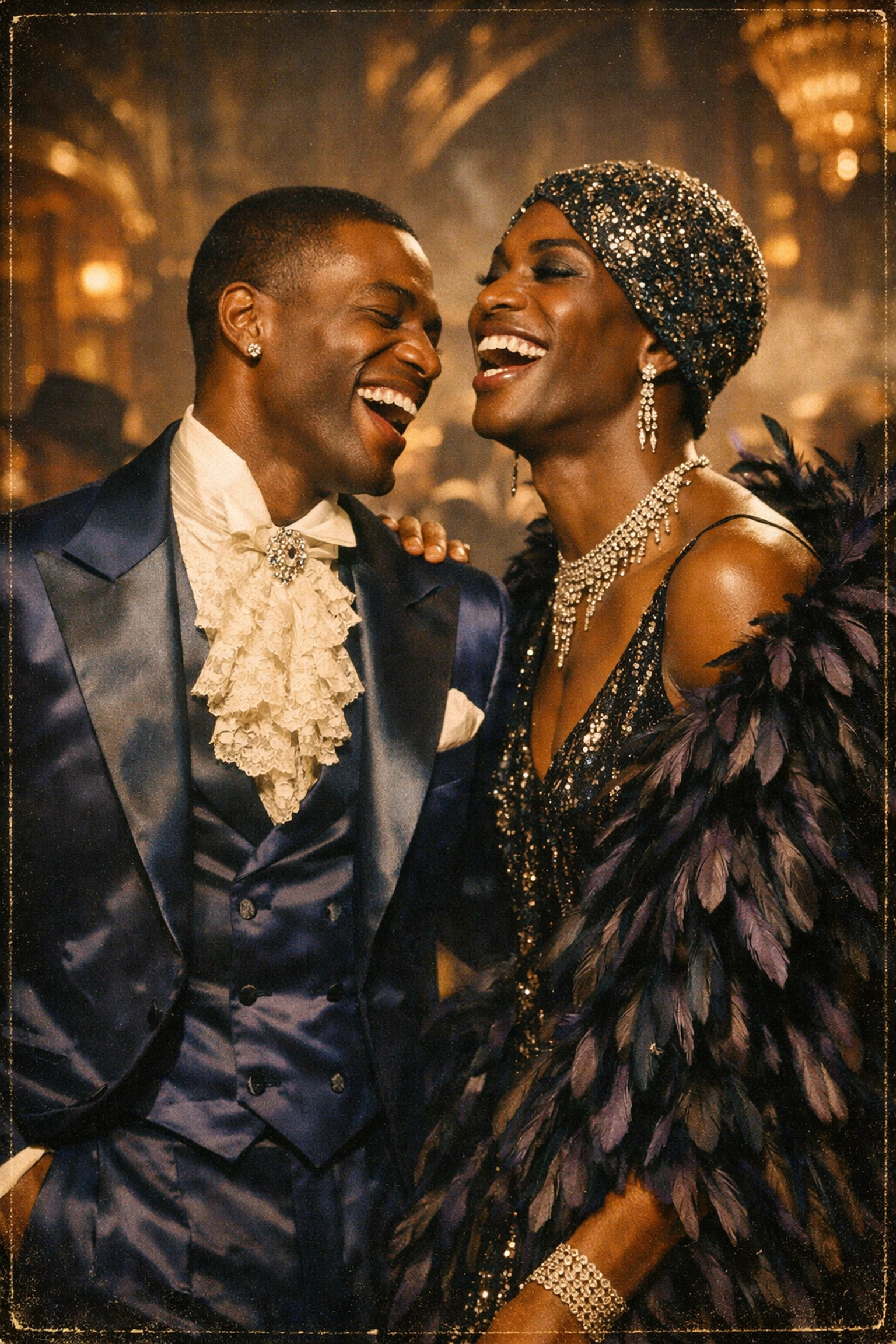
Long before RuPaul’s Drag Race dominated our screens in 2026, Harlem was hosting the "Pansy Craze." This wasn't some underground, whispered-about secret. We’re talking about massive, high-glitz events that took over venues like the Hamilton Lodge and the Rockland Palace.
The most famous of these were the Masquerade and Civil Balls, often called "Drag Balls." Imagine thousands of people: queer, straight, Black, and white: crowding into a ballroom to watch hundreds of "female impersonators" compete for prizes. These events were so popular that even mainstream celebrities like Tallulah Bankhead would show up to watch the spectacle.
For many gay men and trans women of the era, these balls were a rare moment of total liberation. In a world that demanded they hide, the ballroom allowed them to be the stars. This era of history provides the perfect backdrop for MM romance books that explore the tension between public performance and private passion.
Speakeasies and the "Buffet Flat" Secret
Prohibition (1920–1933) was meant to stop America from drinking, but it actually did something much more interesting: it forced nightlife underground, where the rules of "polite society" didn't apply. Because speakeasies were already illegal, many owners didn't care who you were sleeping with, as long as your money was green.
But the real heart of queer Harlem was the "buffet flat." These were private apartments turned into pop-up clubs. Why were they so important?
- Safety: They were much harder for the police to raid than a public bar.
- Privacy: They provided a space for interracial couples: something that was still highly dangerous in the 1920s.
- Community: They were often run by Black women who provided "everything from a buffet to a bed."
In these intimate spaces, jazz musicians like Bessie Smith and Gladys Bentley (who famously performed in a tuxedo and top hat) sang songs that winked at queer life. Gladys Bentley, in particular, was a powerhouse who openly lived with her female partner and sang raunchy, improvised lyrics to popular tunes. She’s the ultimate inspiration for anyone writing or reading gay fiction featuring strong, gender-nonconforming leads.
The Savoy Ballroom: Where Only the Dance Mattered
While places like the Cotton Club were tragically segregated (hosting Black performers for white audiences), the Savoy Ballroom was a different story. Known as the "Heartbeat of Harlem," the Savoy was one of the first racially integrated public spaces in the country.
At the Savoy, your social standing or who you loved mattered a lot less than whether or not you could keep up with the Lindy Hop. It was a space of creative and social liberation where the music: the jazz and the blues: acted as a universal language. When we talk about Read with pride, we’re talking about this exact spirit: the idea that art and literature can create a space where we are all seen as equal.
Queer Icons of the Renaissance
You can't talk about Harlem without mentioning the heavy hitters. Many of the most famous figures of the Harlem Renaissance were part of the "alphabet mafia."
- Langston Hughes: The poet laureate of Harlem. While he was famously private, many scholars point to the queer themes and sensibilities in his work.
- Countee Cullen: A brilliant poet whose wedding was the social event of the year, though his private life told a much more complex, queer story.
- Bessie Smith: The "Empress of the Blues," who was open about her relationships with both men and women.
Their lives weren't just about the struggle; they were about the joy of finding one’s self in a city that was finally waking up. If you're looking for new gay releases that capture this kind of soulful, historical depth, there’s no better place to start than the 1920s.

Why This History Matters in 2026
You might be wondering why a publisher like Read with Pride is looking back a hundred years. The truth is, the themes of the Harlem Renaissance: finding family in the "buffet flats," expressing identity through art, and fighting for a space to exist: are the exact same themes we see in the best MM romance books today.
The "found family" trope that we all love in gay romance novels isn't just a plot point; it was a survival strategy in 1920s Harlem. When we read stories about queer characters finding their tribe, we are participating in a tradition that is over a century old.
Whether you are into steamy MM romance or heartfelt gay contemporary romance, there is a direct line from the jazz clubs of Harlem to the books on your Kindle today. The Harlem Renaissance taught us that nightlife could be a form of protest, and that being your authentic self is the ultimate act of liberation.
Join the Celebration
At Read with Pride, we are dedicated to bringing you the best in LGBTQ+ fiction. From historical epics to modern love stories, our mission is to ensure that our community’s history and future are always in print.
If you're looking for your next obsession, check out our 2026 gay books collection or join our gay book club to discuss the classics and the newcomers alike.
Stay connected with the community:
- Follow us on Facebook
- Catch the latest updates on X (formerly Twitter)
- See our favorite aesthetics on Instagram
The lights of the Hamilton Lodge might have dimmed long ago, but the spirit of Harlem is alive every time you open a book that celebrates queer joy. Let’s keep reading with pride.
#HarlemRenaissance #QueerHistory #GayHistoricalRomance #MMRomanceBooks #ReadWithPride #LGBTQFiction #GayRomanceNovels #BlackHistory #2026Books #JazzAgeQueer

Leave a Reply
You must be logged in to post a comment.