

readwithpride.com
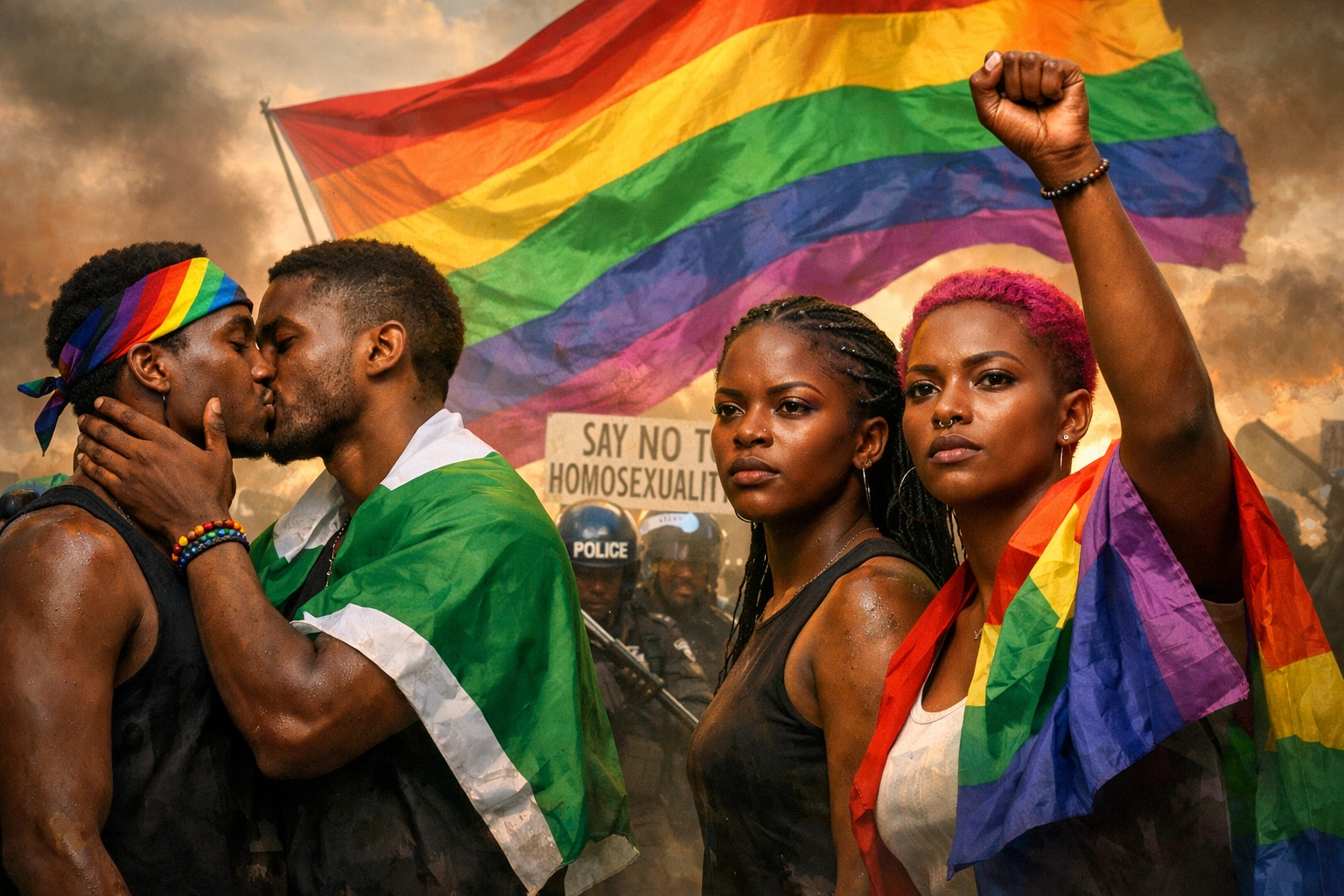
Let’s be real for a second: being queer in Nigeria isn’t just an identity; it’s an act of daily revolution. If you’ve been following the global landscape of LGBTQ+ rights, you know that the African continent has a complex, often beautiful, but frequently heartbreaking relationship with its queer children. At the center of this storm stands Nigeria, a country of vibrant culture, unmatched energy, and, unfortunately, some of the most restrictive laws on the planet.
As we move through 2026, the shadow of the Same-Sex Marriage (Prohibition) Act (SSMPA) still looms large. But if you think that shadow has extinguished the light of the local community, you haven't been paying attention. At Read with Pride, we believe in the power of stories, both the ones we read in MM romance books and the real-life chronicles of survival and joy. Today, we’re diving into the history, the hardship, and the high-key inspiring resistance of queer Nigeria.
What is the SSMPA, Anyway?
To understand the present, we have to look back at January 7, 2014. That was the day the SSMPA was signed into law. On the surface, the name sounds like it’s just about weddings, but the reality is much more invasive.
The SSMPA doesn't just stop people from saying "I do." It criminalizes almost every aspect of queer existence. We’re talking about:
- 14 years in prison for entering into a same-sex marriage contract or civil union.
- 10 years in prison for anyone who "registers, operates, or participates in gay clubs, societies, and organizations."
- 10 years in prison for any "public show of same-sex amorous relationship."
Essentially, the law attempted to erase the community from public life. It wasn't just a legal shift; it was a cultural green light for discrimination. Following its passage, reports of mob violence, extortion by law enforcement, and arbitrary arrests skyrocketed. It turned neighbors into monitors and the street into a potential minefield.
The Human Cost: Living in the "Climate of Fear"
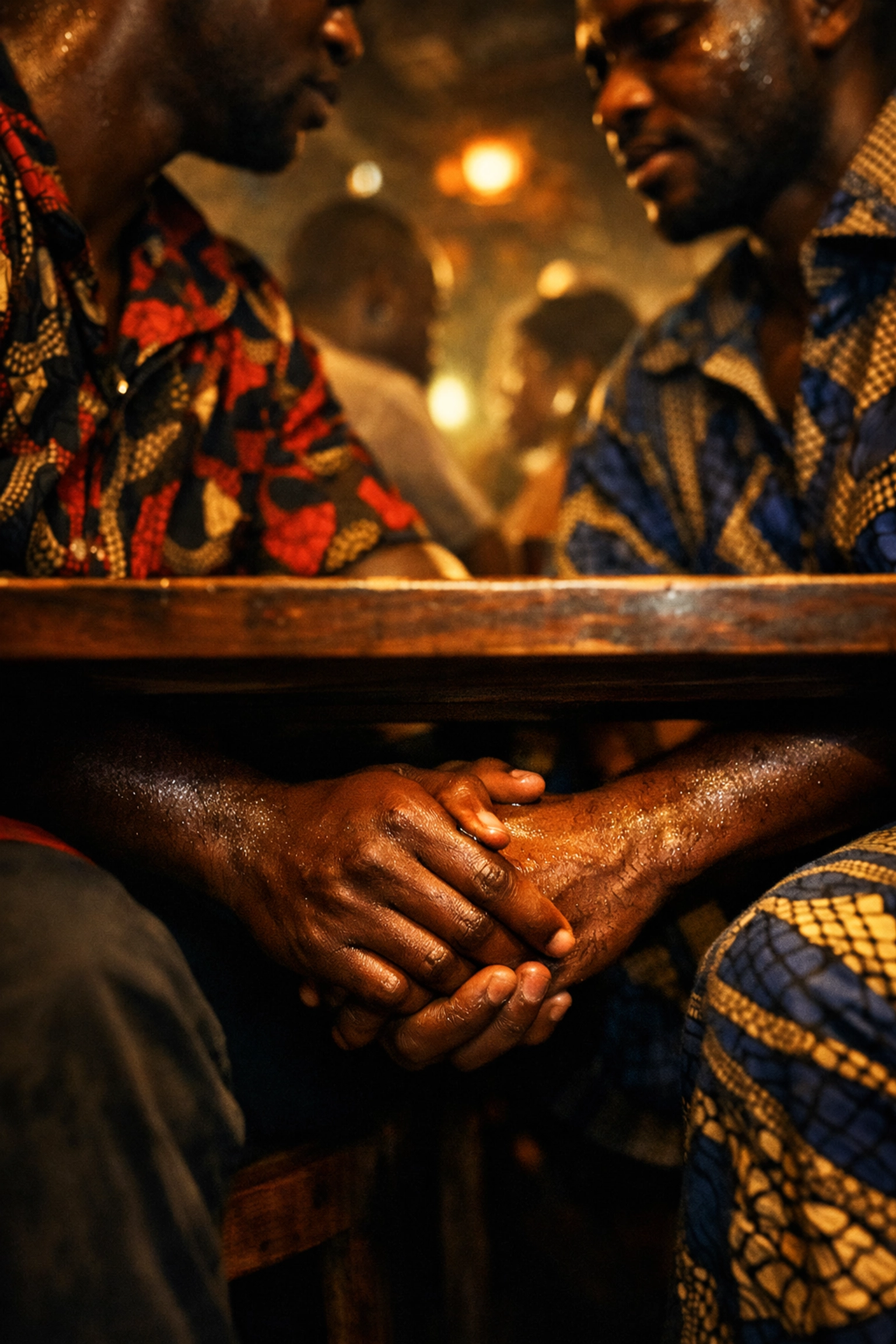
The research is clear: the SSMPA created a "generalized climate of fear." For many, this meant retreating into the closet or fleeing the country. Activists like Bisi Alimi have spoken extensively about the trauma of being hunted in one's own home.
In the years following 2014, "gay-baiting" became a terrifying trend. This is where individuals are lured via social media or dating apps under the guise of a romantic meetup, only to be kidnapped, beaten, and extorted for money by gangs or even corrupt officers. Because the law criminalizes "belonging" to the community, victims are often too terrified to report these crimes to the police, fearing they will be the ones ended up behind bars.
This is where the concept of gay psychological thrillers and gay suspense hits a little too close to home. For queer Nigerians, the tension isn't a plot device; it’s the air they breathe. Yet, even in this suffocating atmosphere, the "Naija" spirit of resilience refuses to break.
The Resistance: Bold, Beautiful, and Unbothered
Resistance doesn't always look like a protest in the street with a megaphone. In Nigeria, resistance is nuanced. It’s found in the "underground" house parties, the secret WhatsApp groups, and the digital spaces where people can finally be themselves.
1. The Digital Sanctuary
Since physical spaces are policed, the internet has become the new frontier. Nigerian queer youth have reclaimed social media to build networks of support. From offering legal advice to providing mental health resources, the community has moved their "clubs and societies" to the cloud. They are sharing gay romance novels and queer fiction that mirrors their own lives, finding solace in the fact that they are not alone.
2. Radical Visibility
Despite the risks, a new generation is stepping out. We are seeing more Nigerian creators, even those living within the country, subtly or overtly expressing their identities through art, fashion, and film. They are challenging the narrative that being queer is "un-African": a colonial lie that ignores the long history of fluid gender and sexuality in pre-colonial African societies.
3. The Power of Storytelling
At Read with Pride, we know that literature is a weapon. When you read a gay historical romance that explores ancient African traditions or a steamy MM romance set in a modern African city, you are engaging in a form of protest. You are asserting that queer joy is universal and that our love stories deserve to be told, regardless of what a piece of 2014 legislation says.

Finding Home in Fiction: Why MM Romance Books Matter
In a world that tells you that your love is a crime, finding a book that says your love is a masterpiece is life-saving. For our readers in Nigeria and across the diaspora, MM romance books provide a "safe house" for the heart.
Whether it's the enemies-to-lovers MM romance trope that reflects the internal struggle of coming out, or a slow burn story that mirrors the caution required in real-life dating, these narratives validate the Nigerian queer experience. If you’re looking for stories that challenge boundaries, check out our product catalog or dive into titles like The Transaction of Self, which explores the complexities of identity.
Looking Forward: Nigeria’s Queer Future in 2026
As of March 1, 2026, the SSMPA has not been repealed. The legal battle is long and exhausting, but the cultural tide is shifting. Younger Nigerians are increasingly disillusioned with the hate-filled rhetoric of the past. They are more connected to the global queer movement than ever before.
The resistance is working because it is decentralized. You cannot arrest an entire digital network. You cannot imprison a feeling. You cannot outlaw the truth.

How You Can Support
You don't have to be in Lagos to stand with the Nigerian queer community. Here is how you can help keep the resistance alive:
- Amplify Queer Nigerian Voices: Follow and support creators, activists, and authors who are doing the work on the ground.
- Educate Yourself: Learn about the pre-colonial history of sexuality in Africa to help debunk the "un-African" myth.
- Read and Share: Keep the demand for LGBTQ+ fiction and gay novels high. The more these stories circulate, the harder they are to ignore. Check out our latest blog posts for more recommendations.
- Donate: Support organizations like the Bisi Alimi Foundation or The Initiative for Equal Rights (TIERS) that provide direct legal and health support to LGBTQ+ Nigerians.
Final Thoughts
Nigeria’s queer community is a testament to the fact that pride isn't just a parade: it’s a pulse. It’s a stubborn, beautiful heartbeat that continues even when the law tries to stop it. Under the SSMPA, life is undoubtedly hard, but the resistance is bold, the joy is defiant, and the stories are just getting started.
Stay tuned to Readwithpride.com for more deep dives into global queer history and the best 2026 gay books to add to your Kindle.
Love is a human right. Always has been, always will be. 🌈🇳🇬
Join the Conversation:
Follow us for more updates and bookish love:
- Facebook: Read with Pride
- X (Twitter): @Read_With_Pride
- Instagram: @read.withpride
#ReadWithPride #QueerNigeria #SSMPA #MMRomanceBooks #GayRomanceNovels #LGBTQRights #QueerResistance #GayFiction #2026GayBooks #AfricanQueerHistory #LoveIsLove

Leave a Reply
You must be logged in to post a comment.