

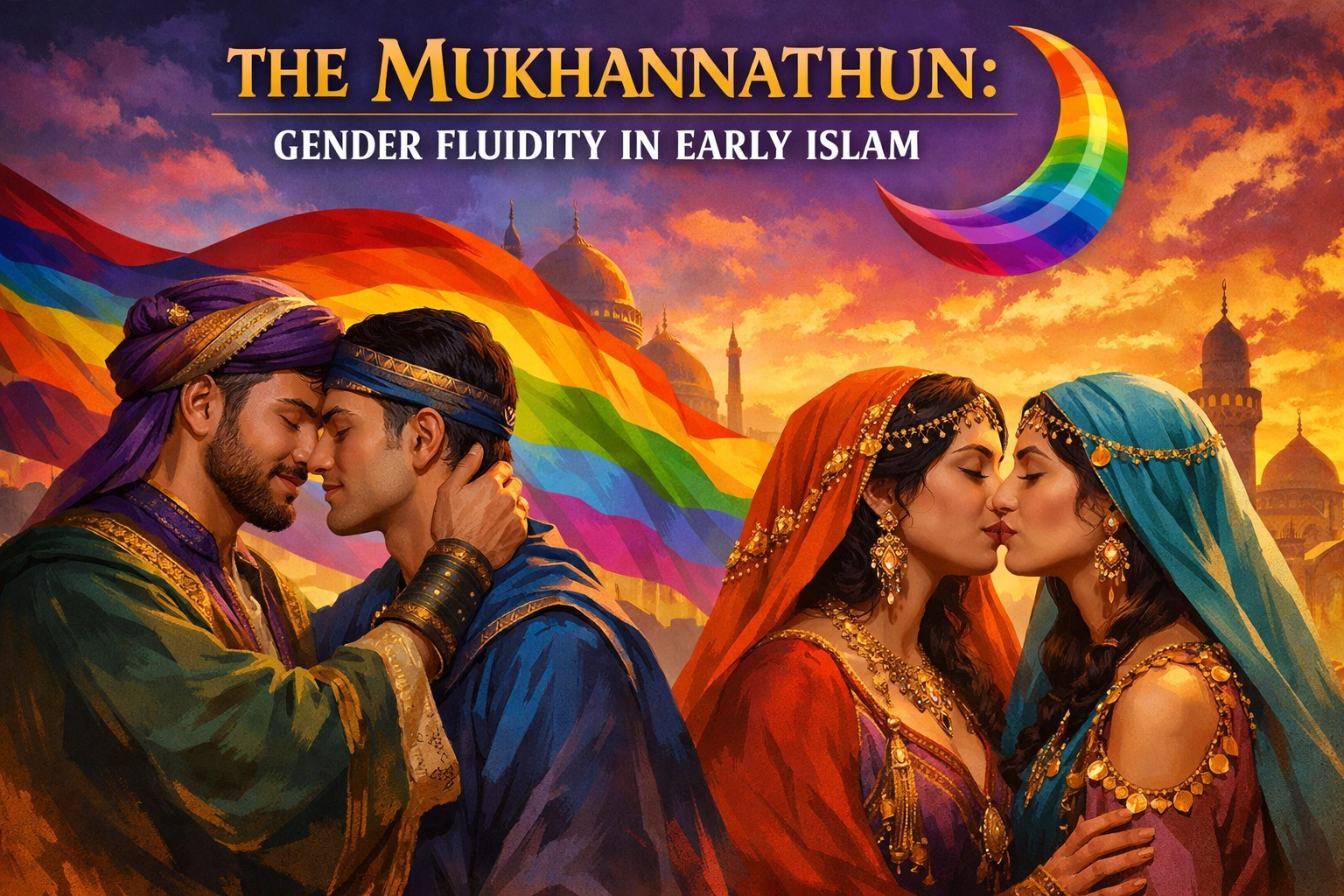
readwithpride.com
When we talk about queer history, the conversation usually slides toward Ancient Greece or maybe the underground ballroom scenes of 1980s New York. But if you’re a fan of gay historical romance or you spend your nights devouring MM romance books, you know that our community has always existed in the "in-between" spaces of every civilization.
Today, we’re hopping into the TARDIS and heading back to 7th-century Arabia, specifically Medina and Mecca. We’re talking about the Mukhannathun, a group of individuals who defied the gender binary long before we had the modern vocabulary to describe them. They weren't just a footnote in history; they were musicians, matchmakers, and socialites who navigated the early Islamic world with a flair that would make a modern drag queen proud.
Who Were the Mukhannathun?
The term Mukhannathun (the plural of mukhannath) comes from the Arabic root KH-N-TH, which literally means "to fold back" or "to be flaccid." In a literal sense, it referred to men who were "effeminate." But in the social context of early Islam, it was much more complex than a simple insult.
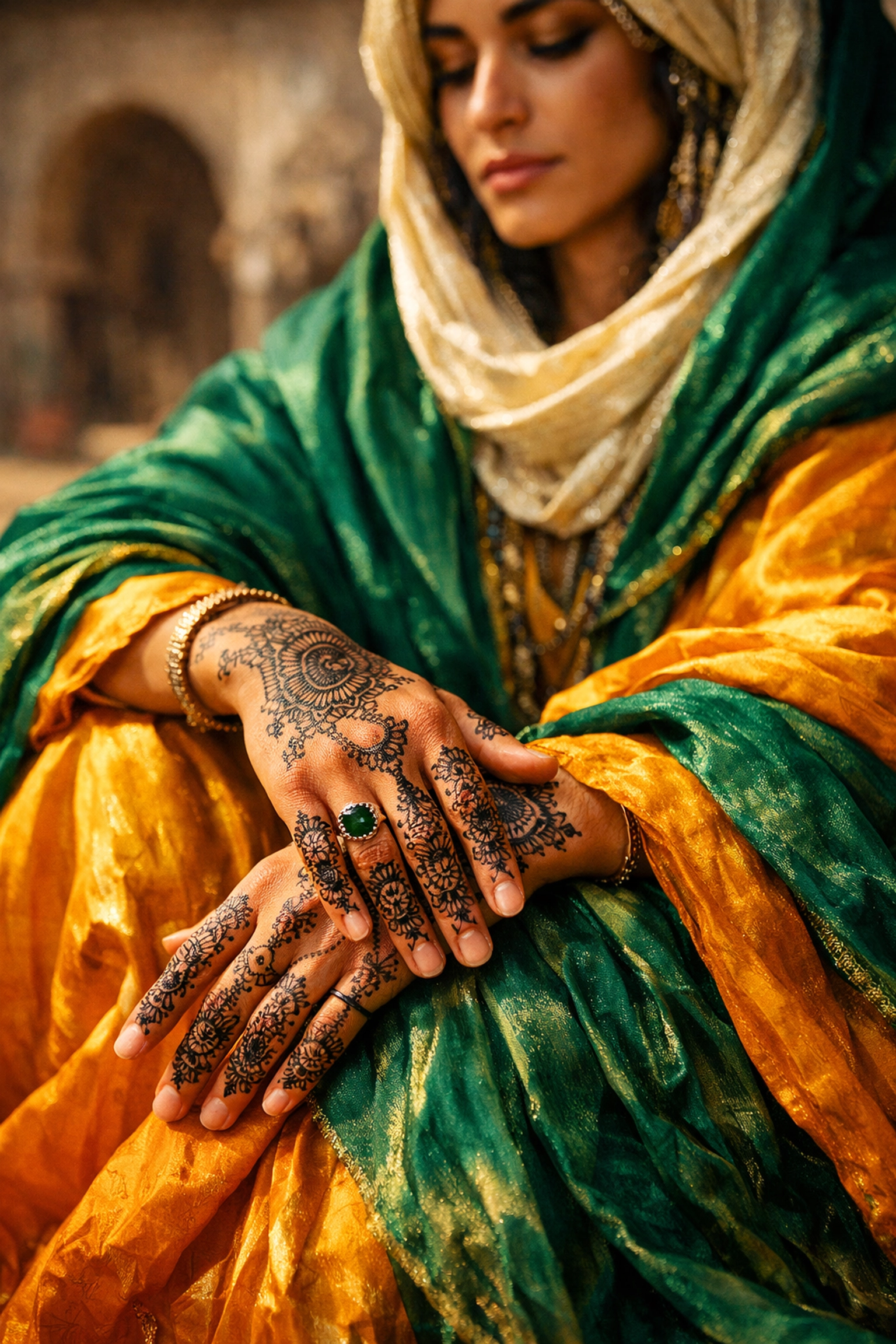
The Mukhannathun were male-assigned individuals who lived, dressed, and spoke in ways that were considered feminine. They used henna on their hands, wore colorful clothing, and, perhaps most interestingly, often used feminine pronouns when talking to one another. If you’re looking for the ancestors of modern gender-fluid and trans identities in queer fiction, this is where the trail gets hot.
Natural vs. Intentional: The Legal Tea
Early Islamic scholars weren't just interested in "yes or no" when it came to gender non-conformity. They actually developed a surprisingly nuanced legal framework. They divided the Mukhannathun into two distinct categories:
- The "Innate" Mukhannathun: These were individuals who were born with feminine traits. The scholars believed that because these traits were "natural" and not a choice, these people weren't at fault. They were accepted as a part of the natural diversity of humanity.
- The "Intentional" Mukhannathun: These were men who adopted feminine traits for "immoral" reasons: usually interpreted as wanting to gain access to women’s spaces for sex or to deceive others.
This distinction is wild when you think about it. It shows that over a thousand years ago, there was an understanding that some people just are different, and that’s okay. It’s the kind of historical nuance we love to see in MM historical romance: the idea that even in "conservative" eras, there was a place for those who didn't fit the mold.
The Life of the Party: Social Roles in Medina
In the early days of Medina, the Mukhannathun weren't hiding in the shadows. They were the life of the party. Because they were seen as "not quite men" but "not quite women," they occupied a unique third-space.
They were often hired as:
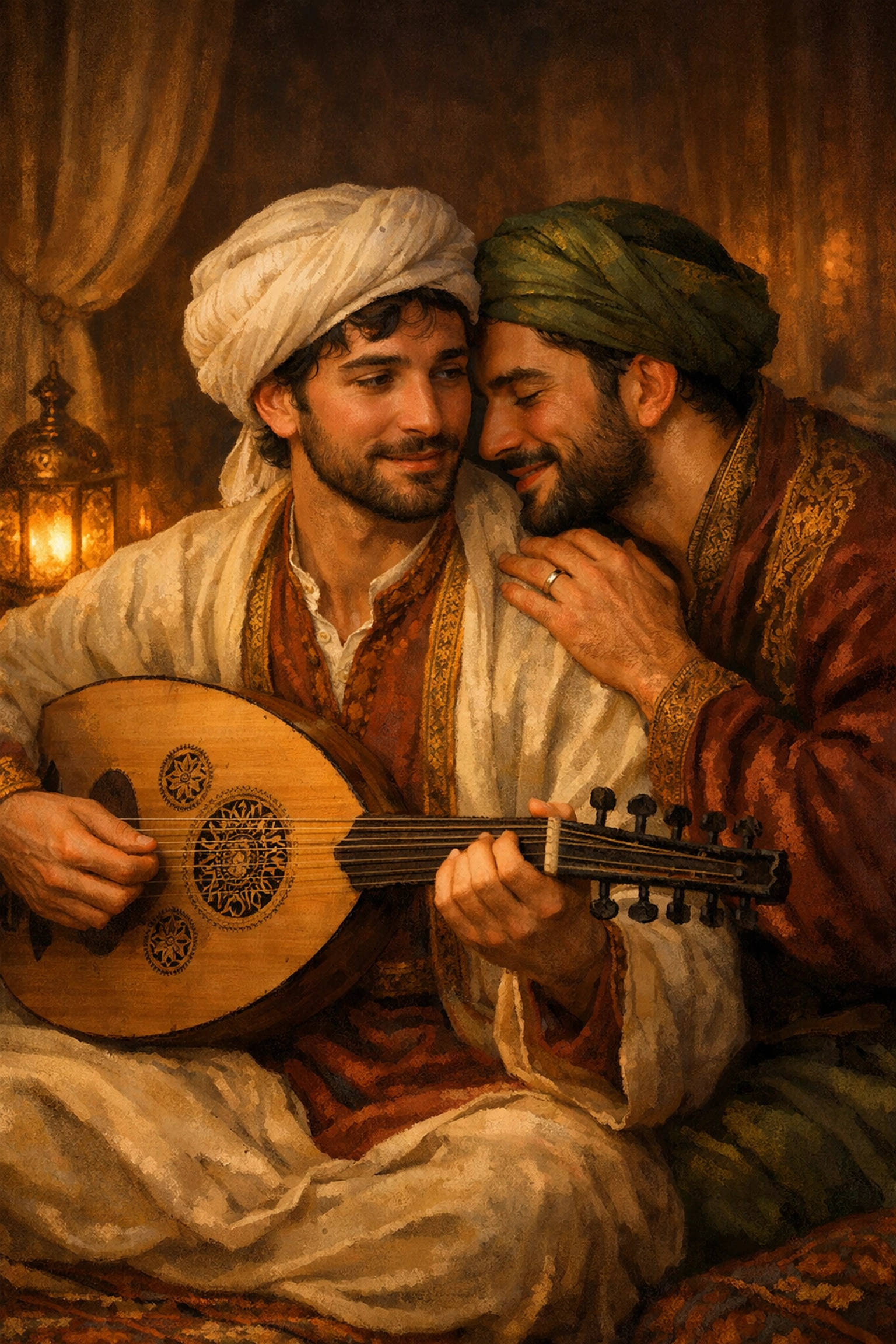
- Musicians and Singers: They were instrumental (pun intended) in developing early Islamic music and performance art.
- Matchmakers: Since they could move between the worlds of men and women more easily than others, they were the ultimate "wingmen" (or wing-people) for arranged marriages.
- Wedding Attendants: They were experts in the aesthetics of the time: henna, fashion, and celebration.
One of the most famous Mukhannathun of the era was a man named Tuways. He was a celebrated musician in Medina and was known for his wit and talent. People like Tuways weren't just tolerated; they were celebrities. For anyone writing gay novels or MM romance books set in this era, the Mukhannathun provide a rich, vibrant template for characters who are both marginalized and essential to their culture.
The Prophet and the Mukhannathun
There’s a lot of debate among historians about how the Prophet Muhammad viewed this group. Some hadiths (records of the Prophet's words and actions) show a level of protection. For example, there’s a story where the Prophet stopped people from killing a mukhannath, essentially saying, "I have been forbidden from killing those who pray."
However, there’s also the story of Hit, a mukhannath who was banished from the Prophet’s household. Why? Not necessarily because he was effeminate, but because he was overheard describing a woman’s body in such erotic detail that the Prophet realized Hit wasn't as "indifferent" to women as previously thought. It was less about his gender identity and more about a breach of trust regarding the privacy of women's spaces.
This complexity is exactly why Read with Pride loves exploring these histories. Reality is never black and white, and our history is full of these grey areas where people lived their truths as best they could.
Beyond the Binary: Legal Recognition
The recognition of the Mukhannathun went deep into the law. Some legal manuals even included the "urinary orifice rule" to help determine legal gender status for inheritance and other rights. This shows that early Islamic society was actively trying to find a legal place for people who didn't fit into the standard male/female boxes.
While it wasn't a perfect utopia of trans rights, it was a far cry from the "it never existed" narrative often pushed today. In fact, many modern trans activists in the SWANA (South West Asian and North African) region point to the Mukhannathun as proof that gender diversity is an indigenous part of their culture, not a "Western import."
Why This Matters for Gay Literature in 2026
At Read with Pride, we’re obsessed with how history informs the stories we read today. Whether you’re looking for popular gay books or the best MM romance of 2026, understanding our roots gives those stories more weight.
Imagine an MM historical romance set in the vibrant markets of 8th-century Baghdad or the courts of the Mughal Empire (where Mukhannathun often rose to power as generals and advisors). This isn't just "fiction": it's based on a reality where gender-fluid people were powerful, talented, and visible.
If you’re an author looking to avoid the 7 mistakes you’re making with LGBTQ+ character development, looking to history like the Mukhannathun is a great way to build authentic, non-stereotypical characters.
The Legacy Lives On
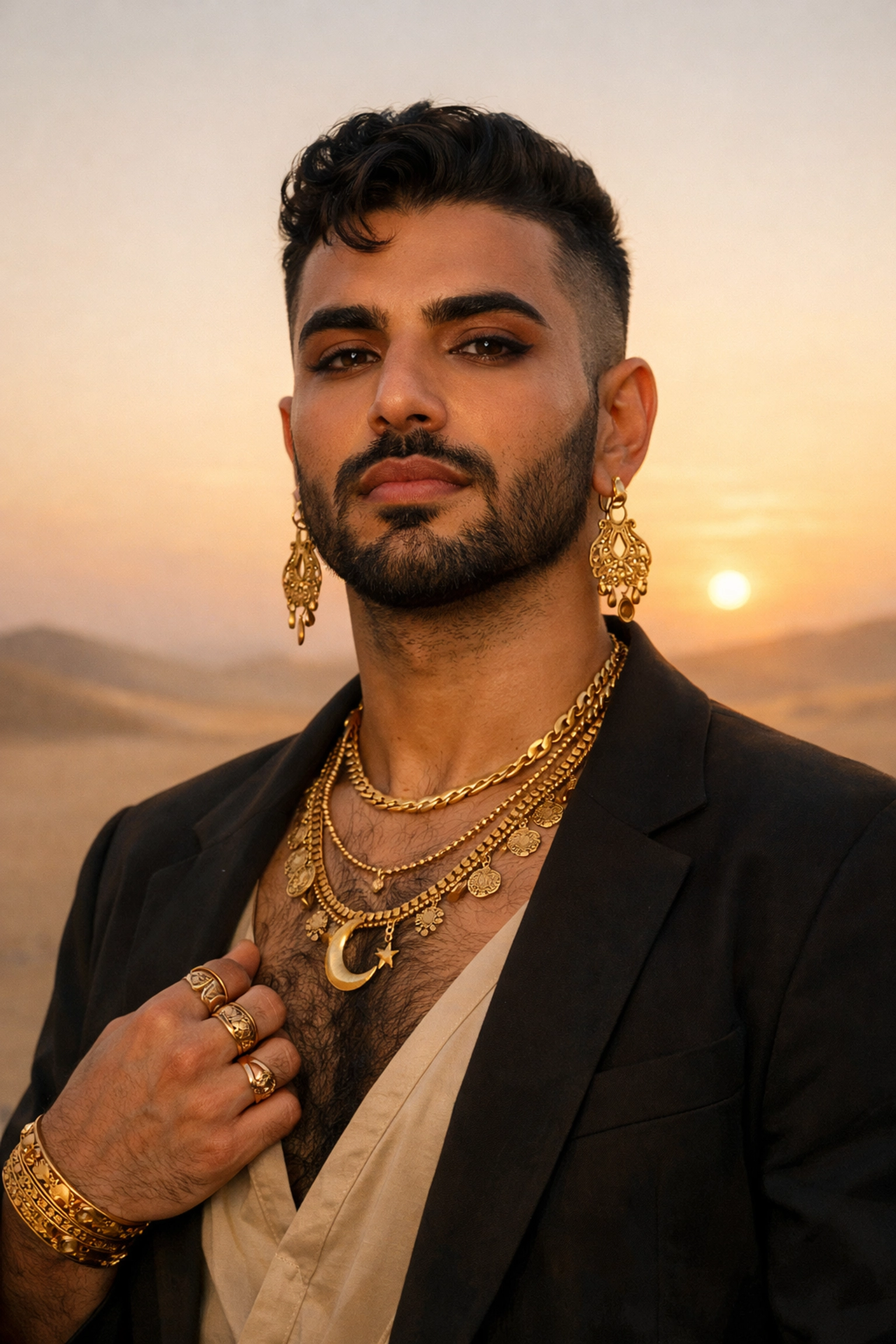
The spirit of the Mukhannathun didn't disappear. It evolved. In South Asia, you see the Khwaja Sira (Hijra) communities, who also held high positions during the Mughal era and continue to fight for their rights today. In the Middle East, queer and trans people are reclaiming these historical terms to build a bridge between their faith, their culture, and their identities.
As we look toward the future of LGBTQ+ ebooks and queer fiction, we should remember that we aren't reinventing the wheel. We are simply picking up the thread of a story that’s been told for over a thousand years.
Want More Queer History and Stories?
If you enjoyed this deep dive into the Mukhannathun, you’ll love the selection of gay love stories and MM historical romance we have at Read with Pride. We are dedicated to bringing you the most authentic and diverse voices in LGBTQ+ fiction.
Check out our latest releases and find your next favorite read:
Don't forget to follow us on social media to stay updated on new releases and more queer history snacks!
- Facebook: Read with Pride
- X (Twitter): @Read_With_Pride
- Instagram: @read.withpride
Keywords: Read with pride, MM romance books, gay romance novels, queer fiction, gay historical romance, gay novels, 2026 gay books, Mukhannathun, LGBTQ+ history, gay literature.
#GayHistory #Mukhannathun #QueerIslam #MMRomance #ReadWithPride #LGBTQBooks #HistoricalGayRomance #2026Reading

Leave a Reply
You must be logged in to post a comment.