

readwithpride.com
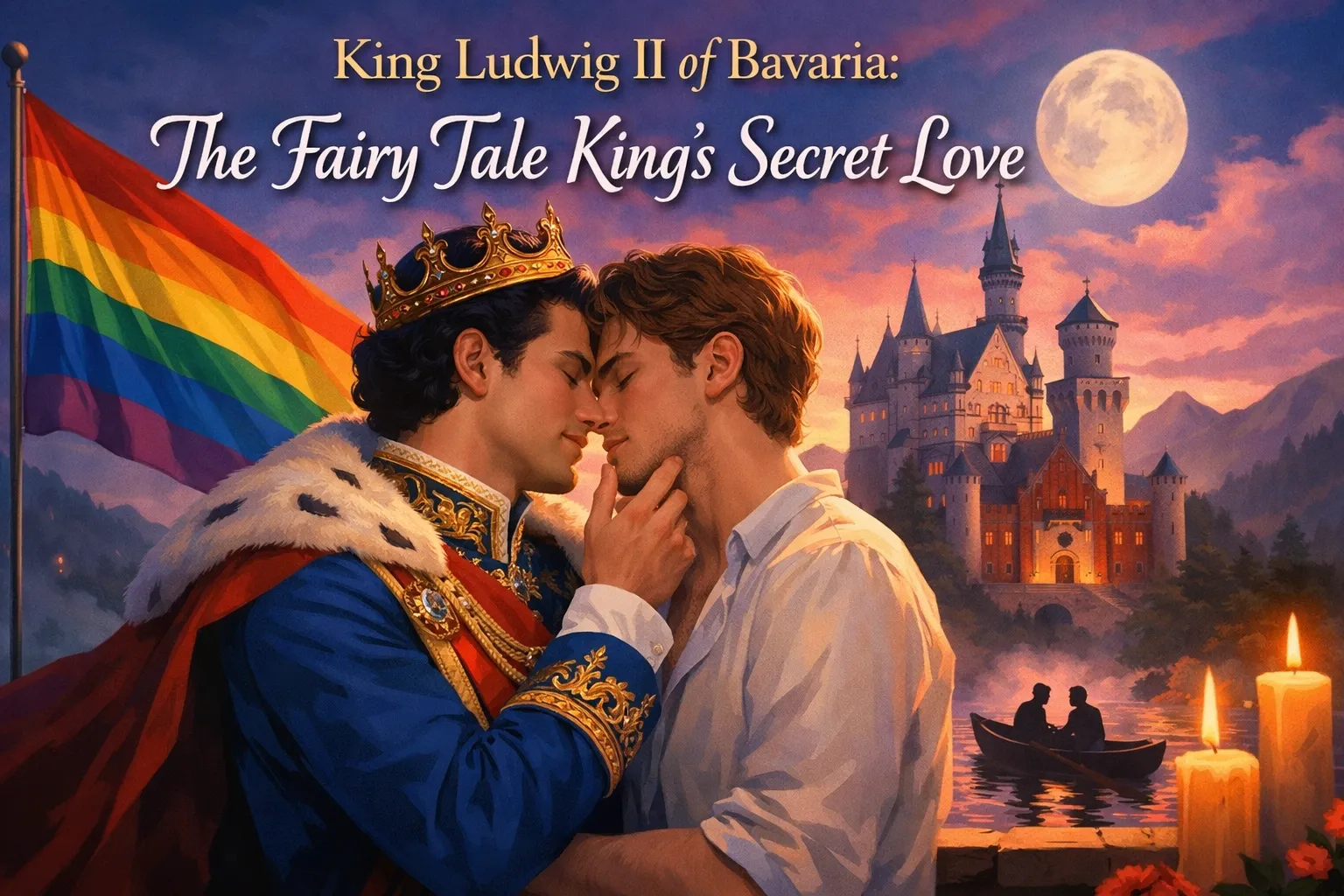
When we talk about "Fairy Tale Kings," we usually picture someone straight out of a Disney movie, charming, perhaps a bit aloof, and definitely looking for a princess. But the real-life "Swan King," Ludwig II of Bavaria, was far more interesting than any animated prince. If you’re a fan of historical MM romance novels, Ludwig’s life is basically the ultimate blueprint: opulent castles, forbidden yearnings, secret midnight sleigh rides, and a tragic ending that still keeps historians (and us) up at night.
At Read with Pride, we’re obsessed with the stories that history tried to straighten out. Ludwig II didn’t just build Neuschwanstein (the inspiration for Sleeping Beauty’s castle); he built a world where he could escape the rigid, heteronormative expectations of 19th-century Munich. Today, we’re diving into the secret loves of Bavaria’s most enigmatic monarch.
The King Who Said "No Thank You" to Marriage
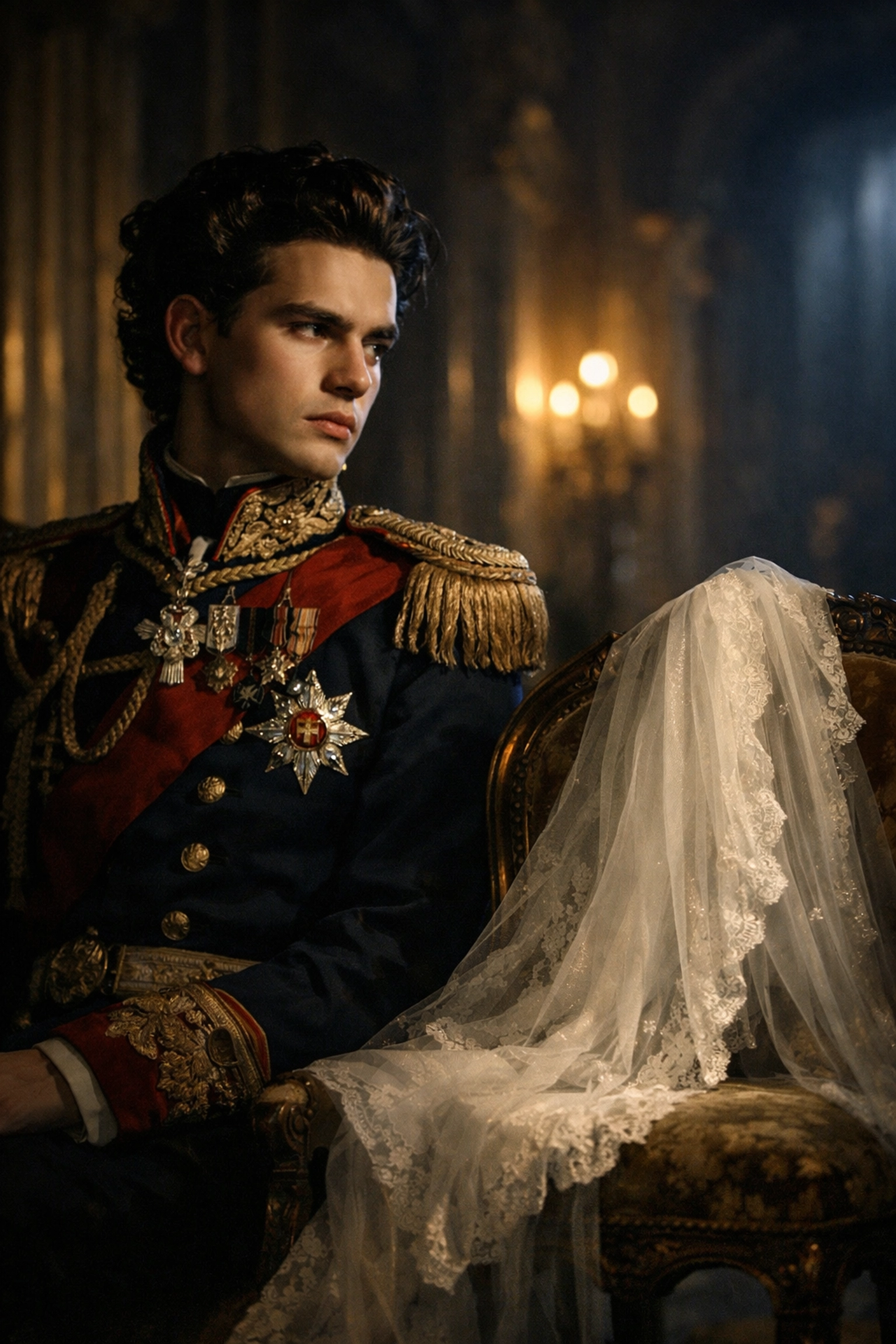
Ludwig ascended the throne in 1864 at the tender age of 18. He was tall, strikingly handsome, and, predictably, the most eligible bachelor in Europe. The pressure to produce an heir was immediate and intense. He eventually got engaged to Duchess Sophie Charlotte in Bavaria (his cousin and the sister of the famous Empress Sisi), but he kept pushing the wedding date back.
After months of "the dog ate my wedding invites" level excuses, he called the whole thing off. Sophie went on to marry someone else, and Ludwig? Well, he retreated further into his dream world. His private diaries, which were later found and analyzed, revealed the truth: he was struggling deeply with his attraction to men, a conflict exacerbated by his devout Catholic faith. This internal tug-of-war: between his royal duty and his authentic self: is a trope we see constantly in gay romance novels, but for Ludwig, the stakes were life and death.
Richard Wagner: The Ultimate Fanboy Obsession
You can't talk about Ludwig without talking about Richard Wagner. Ludwig was obsessed with Wagner’s operas long before they met. Once he became King, his first order of business was to bring Wagner to Munich and pay off his massive debts.
Was it a romance? It’s complicated. Ludwig’s letters to Wagner were intensely emotional, filled with the kind of purple prose you’d find in the best MM romance books. He called Wagner "The Beloved" and wrote, "I cannot live without you." While Wagner was likely more interested in Ludwig’s bottomless treasury than a physical relationship, their bond was the defining emotional connection of Ludwig’s early reign. This "unrequited-ish" obsession fueled Ludwig's desire to build monuments to Wagner’s Norse myths, turning the Bavarian countryside into a physical manifestation of his romantic longing.
The "Favorites": Richard Hornig and the Equerry Era
While Wagner was the intellectual and spiritual love of his life, Ludwig’s physical and romantic life centered on his "favorites": men from his court and stable who became his closest companions.
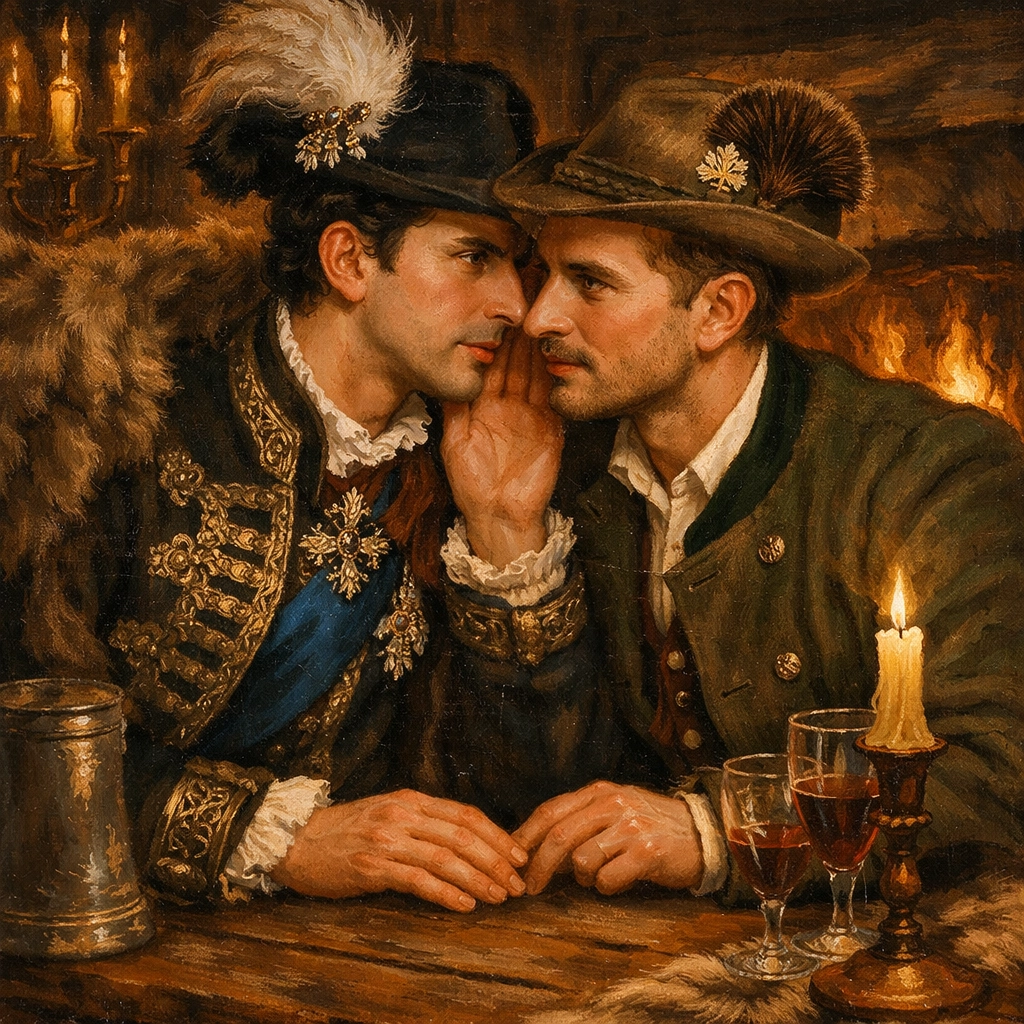
The most significant of these was Richard Hornig, the King’s Master of the Horse. Their relationship lasted roughly twenty years. Hornig wasn't just a servant; he was Ludwig's confidant, travel companion, and, according to many historians, his lover. They spent weeks together in secluded mountain huts, far from the prying eyes of the Munich court.
However, being the King’s favorite wasn't all moonlit walks. Ludwig’s diaries show he was constantly racked with guilt, often making Hornig swear "oaths of purity" only to break them shortly after. If you're looking for gay historical romance inspiration, the tension between these two men: one a king, one a commoner: is pure gold. Their relationship eventually soured when Hornig got married, a betrayal Ludwig never truly recovered from.
Josef Kainz: The Actor and the Alpine Dream
After Hornig, Ludwig turned his attention to the theater. He became infatuated with a young actor named Josef Kainz. Ludwig wanted to recreate his favorite plays in real life, taking Kainz on a trip to Switzerland to "retrace" the steps of William Tell.
Imagine the ultimate "forced proximity" trope: a king and a beautiful actor trapped in the Swiss Alps, forced to perform scenes for an audience of one. However, the fantasy didn't hold up. Kainz grew tired of the King’s late-night demands and his insistence on staying in character. The romance fizzled, proving that even kings have trouble dating in their "scene."
Neuschwanstein: A Queer Space Before We Had the Word
Ludwig’s castles are often dismissed as "madness," but for the LGBTQ+ community, they can be seen as the ultimate "safe space." Ludwig was a man who felt he didn't belong in the world of war and politics. So, he used his wealth to build a world where he did belong.
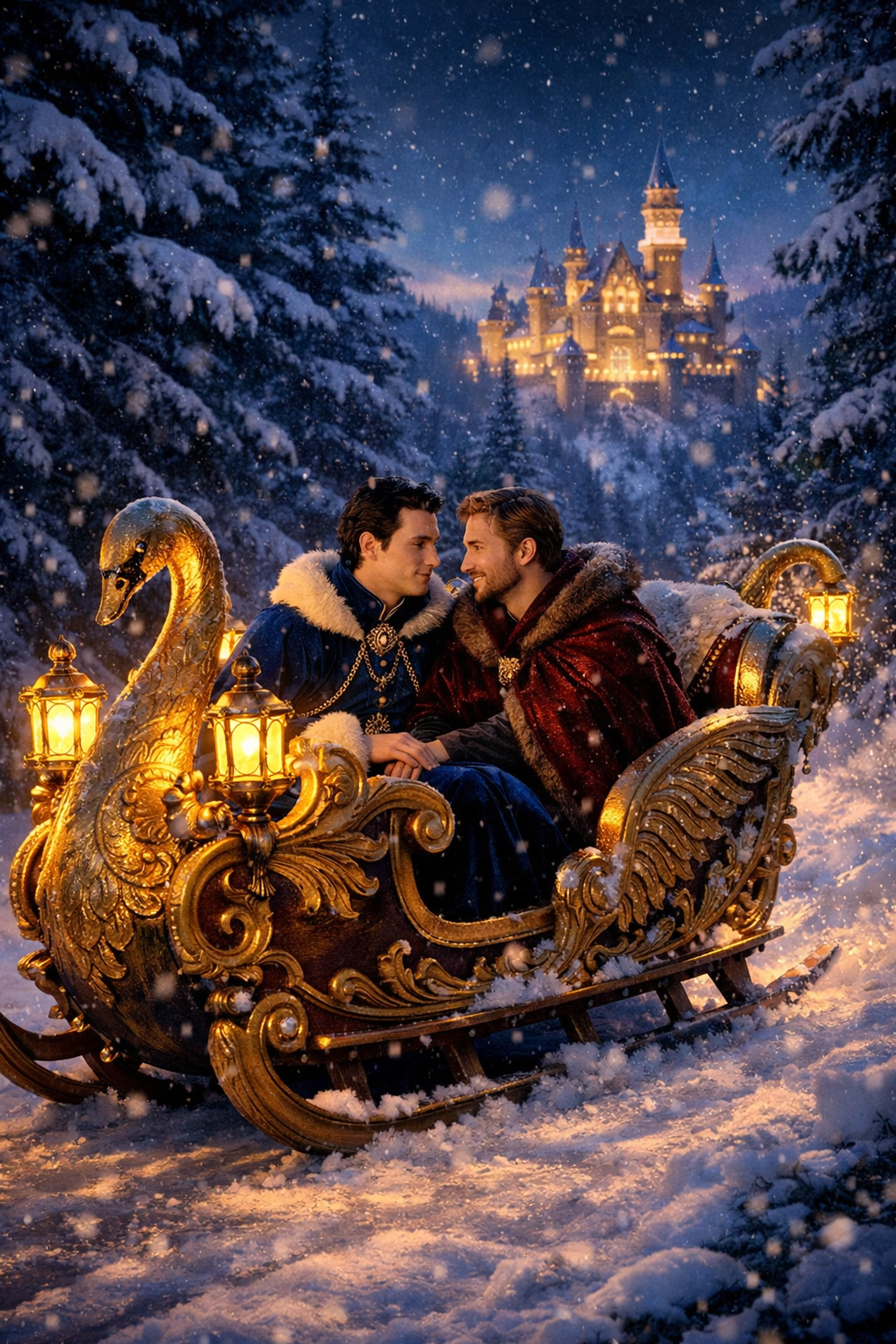
Every inch of Neuschwanstein and Herrenchiemsee is a tribute to male beauty, romantic legends, and the desire to disappear. He spent his nights sleeping and his days awake, often traveling through the snow in an elaborate, gilded sleigh, accompanied by handsome young men in 18th-century livery. He was living out a MM fantasy in real-time, centuries before we had the books to describe it.
The Tragic End of the Swan King
In 1886, Ludwig’s ministers, fed up with his spending and his refusal to engage in statecraft, conspired to depose him. They declared him insane: despite never actually examining him: and locked him away. A few days later, Ludwig’s body, along with the body of the doctor who diagnosed him, was found floating in the shallow waters of Lake Starnberg.
To this day, no one knows what happened. Was it a suicide? An escape attempt gone wrong? Or an assassination? This mystery is why Ludwig remains a staple of gay psychological thrillers and historical mysteries. He died as he lived: surrounded by beauty, shrouded in secrets, and completely misunderstood by the world around him.
Why We Still Love Ludwig in 2026
Why are we still talking about a Bavarian king in 2026? Because Ludwig II represents a part of our history that was nearly erased. He was a man who dared to prioritize beauty and emotion over conquest and tradition. While his life ended in tragedy, his legacy: those stunning castles and the diaries that prove his queer heart: remains.
If you’re looking to dive deeper into stories like Ludwig’s, or perhaps find a steamy MM romance that captures that royal angst, check out our latest releases. We believe that every queer story, whether from a 19th-century king or a modern-day author, deserves to be told with authenticity and pride.
At Readwithpride.com, we’re committed to bringing you the best in LGBTQ+ fiction. From gay historical romance to contemporary M/M books, we’ve got your next favorite read waiting in our store.
Stay curious, stay authentic, and keep reading with pride.

Explore More:
- FAQs about our LGBTQ+ eBooks
- Top 10 Historical MM Romance Novels of 2026
- The Evolution of Gay Literature
Join the Conversation:
Follow us for daily book recs, queer history snacks, and more!
- Facebook: Read with Pride
- X (Twitter): @Read_With_Pride
- Instagram: @read.withpride
#LGBTQHistory #KingLudwigII #MMRomance #GayHistory #HistoricalFiction #ReadWithPride #Bavaria #QueerStories #MMBooks #HistoricalRomance #2026GayBooks

Leave a Reply
You must be logged in to post a comment.