

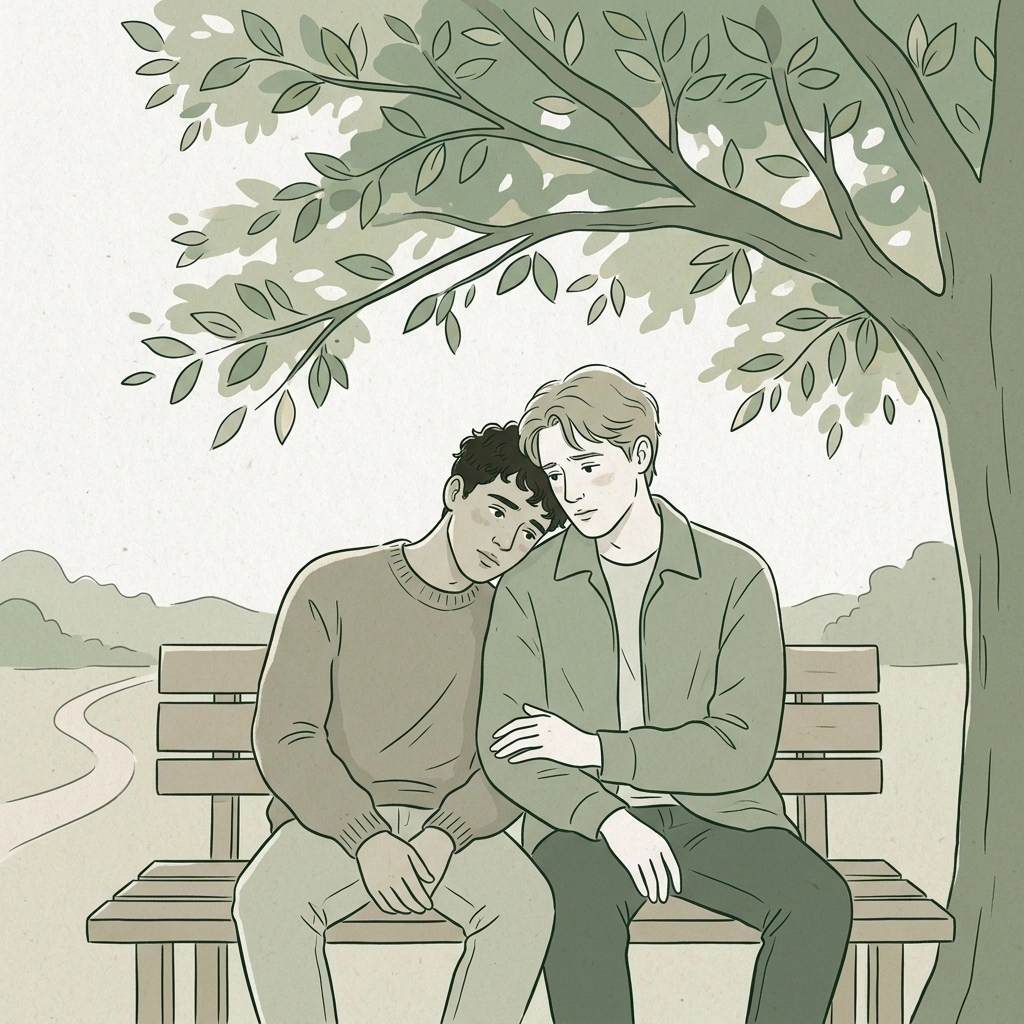
When we talk about queer representation in media, literature, and specifically within the world of MM romance and LGBTQ+ fiction, we often celebrate the "wins": the happy endings, the vibrant covers, and the presence of characters who finally get to see themselves as the heroes of their own stories. But as a publisher at Read with Pride, I’ve noticed that the most impactful stories: the ones that stay with you long after you’ve closed the book: aren't just about the external battles. They aren't just about the fight against a villain or the quest for a happily ever after.
The real magic happens in the quiet moments. It happens when an author dives deep into the internal struggles of a character. Nuance matters because queer identity isn't a monolith, and the journey toward self-acceptance is rarely a straight line (pun intended). To truly represent the community, we have to look at the messy, complicated, and often invisible battles happening inside the mind.
A Guide to Understanding Asexuality and Aromanticism for Allies
To kick off our exploration of nuance, let’s start with a topic that is frequently misunderstood or entirely overlooked: Asexuality and Aromanticism. For many allies: and even some within the broader LGBTQ+ community: these identities can feel like a mystery. But understanding them is crucial for authentic representation.
Asexuality (Ace) refers to a lack of sexual attraction to others, while Aromanticism (Aro) refers to a lack of romantic attraction. These are spectrums, and characters living within them face unique internal struggles that are ripe for exploration in queer fiction.
For an ally, the internal struggle of an Ace or Aro character might be hard to grasp at first. Imagine growing up in a world that is hyper-sexualized, where every movie, song, and book tells you that "finding the one" and "having chemistry" are the ultimate goals of human existence. When you don’t feel those things, the internal monologue isn't necessarily "Who do I like?" but rather "What is wrong with me?"
This is the "Emotionally Invested Reader's" bread and butter. We want to see the character navigate the confusion of feeling "broken" before realizing they are simply different. Authentic representation of these identities requires authors to move past the idea that an Ace person just "hasn't met the right person yet." It requires showing the internal peace that comes with self-discovery, balanced against the external pressure to conform to traditional relationship standards.

The Weight of Internalized Expectations in MM Romance
Moving into the realm of MM romance, the internal struggle often shifts toward the weight of expectation. Whether it’s a gay historical romance where the stakes are life and death, or a gay contemporary romance set in a modern city, the character’s internal world is usually a battlefield of internalized stigma.
In many of our popular gay novels, the conflict isn't just about a "bodyguard romance" trope where the hero has to protect his client. The real hook is the hero’s internal struggle with his own masculinity or his fear of vulnerability. For a man loving another man, there is often a lifetime of unlearning to do.
Authentic M/M books don't just give us two men falling in love; they show us the "breadcrumbs" of their psychological journey. Why is the character hesitant to hold hands in public? It’s not always because of a physical threat; it’s often because of a ghost in their head: a voice from their past telling them they shouldn't be seen. Exploring these internal hurdles is what turns a standard romance into a heartfelt gay fiction masterpiece. It makes the eventual triumph of love feel earned and deeply personal.
Beyond the Coming Out Story
For a long time, gay literature was dominated by the "Coming Out" story. While these stories are vital, authentic representation in 2026 demands that we go further. We need to explore the internal struggles that happen after the closet door is open.
Identity maintenance is a real, ongoing process. How does a man navigate his identity in a workplace that is "accepting but awkward"? How does a gay couple deal with the internal pressure to be "perfect" representatives of the community? These are the nuances that resonate with readers.
When we look at top LGBTQ+ books, the characters often deal with anxiety, shame, and the search for belonging that doesn't just vanish once they tell their parents the truth. In gay psychological thrillers or gay spy romance, these internal tensions can even be the driving force of the plot. The character’s inability to trust themselves because of past trauma is a far more compelling internal struggle than any external villain could provide.
Why the "Emotionally Invested Reader" Craves Nuance
At Read with Pride, we know our audience. Our readers aren't just looking for a quick thrill; they are looking for a connection. They want emotional MM books that reflect the complexity of their own lives.
When an author takes the time to explore internal struggles: like identity confusion or the fear of rejection: it provides validation. As our research suggests, seeing these experiences reflected in media affirms that we are not alone. It’s a powerful thing to read a book and think, "I thought I was the only one who felt that way."
This is why we prioritize MM authors who aren't afraid to get a little messy. Whether it’s a gay fantasy romance where the magic is a metaphor for self-discovery, or a steamy MM romance where the physical intimacy is a breakthrough for a character with a guarded heart, the nuance is the key.

Building a Better Library of Queer Fiction
As we continue to publish and promote gay eBooks and LGBTQ+ Kindle books, our goal is to push the boundaries of what "representation" looks like. We want to move away from one-dimensional stereotypes and toward multifaceted individuals who have rich, complex internal lives.
Authentic representation means:
- Acknowledging the spectrum: Not every gay man is the same; not every Ace person has the same experience.
- Highlighting the psychological journey: The path to self-love is just as exciting as a high-speed chase.
- Valuing vulnerability: Men in MM novels who show fear, doubt, and emotional depth are the ones we remember.
By focusing on these internal struggles, we create stories that are not just "gay books" but great books that happen to be queer. They become universal stories of the human condition, viewed through a beautifully specific lens.
If you’re looking for your next deep dive into the world of gay fiction, check out our curated selection. We have everything from award-winning gay fiction to the latest 2026 gay books that are pushing the envelope of storytelling.
Explore our collection here: Read with Pride Store
Final Thoughts
Nuance isn't just a buzzword; it’s the heartbeat of authentic storytelling. When we allow queer characters to struggle internally, to be flawed, and to navigate their identities with all the complexity they deserve, we honor the community. We move beyond "rainbow-washing" and into the realm of true art.
Thank you for being part of this journey with us. Let’s keep reading, keep writing, and: most importantly: keep reading with pride.
Follow us on social media for more updates and book recommendations:
- Instagram: https://www.instagram.com/dickfergusonwriter
- X (formerly Twitter): https://www.x.com/DickFergus94902
- Facebook: https://www.facebook.com/profile.php?id=61572869844598
- Website: www.readwithpride.com
Dick, here are three blog post options for tomorrow:
- The Rise of "Found Family": Why the Trope Resonates So Deeply in MM Romance.
- Breaking the Silence: Representing Mental Health in Modern Queer Fiction.
- From Swords to Spaceships: How Queer Characters Are Reclaiming Genre Fiction.
#ReadWithPride #MMRomance #QueerFiction #LGBTQBooks #GayLiterature #GayFiction #AsexualRepresentation #GayRomanceBooks #ReadingWithPride #GayNovel #MMFiction #GayLoveStory

Leave a Reply
You must be logged in to post a comment.