

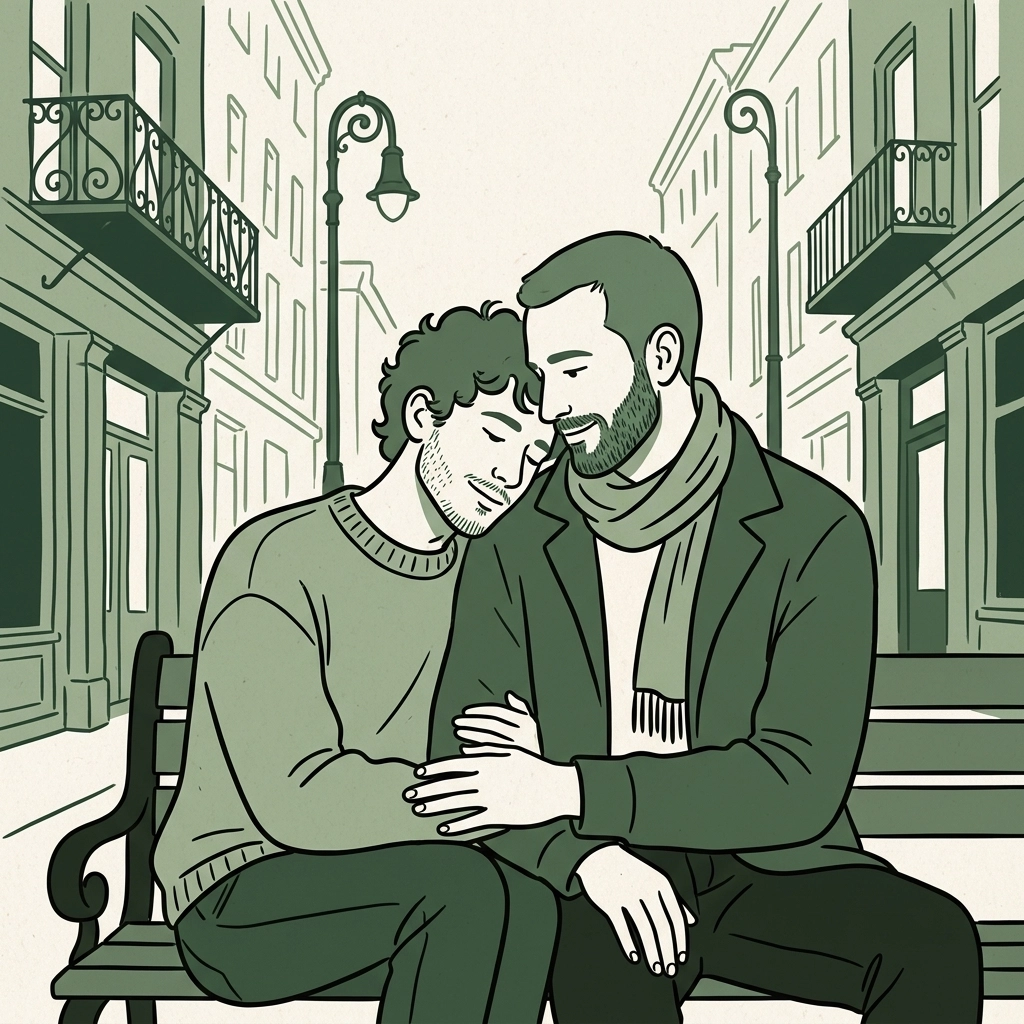
If you’ve ever stepped off the tube at Leicester Square or Piccadilly Circus and felt a sudden shift in the energy: a bit more sparkle, a bit more pride, and a whole lot of history: you’ve likely wandered into Soho. For many of us in the LGBTQ+ community, Soho isn't just a district in Central London; it’s a sanctuary. It’s the place where we find our tribe, our history, and sometimes, the inspiration for the next great gay love story.
At Read with Pride, we believe that every street corner in Soho tells a story as compelling as any MM romance novel. Whether you’re looking for a place to grab a drink or you’re a writer searching for the perfect setting for your next gay historical romance, understanding the roots of this iconic neighborhood is essential.
So, grab a coffee (or something stronger), and let’s dive into the 10 things you absolutely need to know about the queer history of Soho.
1. The Underground Origins (1600s – 1700s)
Believe it or not, Soho’s reputation as a place for "alternative" lifestyles isn't a modern invention. As far back as the late 17th century, Soho was already gaining a reputation. While other parts of London were more well-known for "molly houses" (early secret meeting places for gay men), Soho was a burgeoning hub where men would solicit other men for sex. It was risky, it was underground, and it laid the very first bricks of what would become a global queer destination.
2. The Oscar Wilde Connection
You can’t talk about gay literature or Soho without mentioning the legend himself, Oscar Wilde. In the late Victorian era, Wilde was a frequent fixture in Soho’s upscale establishments. He was often seen at Kettner’s, a restaurant on Romilly Street that still stands today. Wilde used these spaces to host gatherings and meet with young men, a history that eventually came to light during his infamous 1895 trials.
For fans of MM historical romance, walking past Kettner’s feels like walking through the pages of a high-stakes novel. It’s a reminder of the bravery it took to live and love in an era of intense persecution.

3. The Cave of the Golden Calf (1912)
Decades before the modern "gay bar" was a concept, there was the Cave of the Golden Calf. Opened in 1912 on Heddon Street, it was a subterranean cabaret club that welcomed the avant-garde, the artistic, and the queer. It was described as a "place given up to gaiety," serving as a proto-gay bar where people could express themselves more freely than in the judgmental light of day. This bohemian spirit is exactly what we look for in queer fiction: that sense of finding a hidden world where you finally belong.
4. The Trocadero Long Bar
Opened in 1896, the Trocadero Long Bar was a massive, opulent space that became a notorious "gentlemen-only" establishment. Because of its location near Piccadilly Circus, it quickly became a premier spot for homosexual liaisons. It was the kind of place where a lingering look or a specific way of holding a drink could signal everything. This kind of "coded" history is a staple in many MM novels, highlighting the resilience and creativity of our community throughout the centuries.
5. A Century of Police Raids
It wasn't all glitter and secret glances. Soho’s history is deeply scarred by police persecution. In 1935, a club was famously shut down following a raid, only to reopen under a different name, the Rainbow Roof, which was subsequently targeted for "unlicensed dancing." Police records from the time are filled with descriptions of these venues as "rendezvous for homosexual perverts."
When you read gay thriller or gay psychological thriller books today, those themes of being watched and marginalized aren't just tropes: they are based on the lived experiences of those who built Soho.
6. The Mid-Century Migration to Earl's Court
Interestingly, Soho wasn't always the "only" place to be. In the 1960s and 70s, many queer people moved toward West London, specifically Earl's Court. Why? The rents were cheaper! Soho actually saw a bit of a decline as a queer hub during this period. However, iconic spots like Madame Jojo’s (which opened in 1968) kept the flame alive with legendary drag performances that challenged gender norms long before it was "mainstream."

7. The 1980s Renaissance
The Soho we recognize today: vibrant, loud, and unapologetically queer: really took shape in the 1980s. This was the era of the great resurgence. Heaven had opened just down the road in 1979, and by 1986, the Swiss Tavern on Old Compton Street transformed into Comptons of Soho.
Soon after, other staples like The Village, Halfway II Heaven, and Rupert Street opened their doors. This explosion of visibility coincided with the rise of modern gay fiction and the beginning of the MM contemporary genre, as stories moved from the shadows and into the bright lights of the city.
8. From Red-Lights to Rainbow Flags
For a long time, Soho was London's premier red-light district. It was a chaotic mix of sex shops, brothels, and queer bars. By the late 80s, Westminster Council began a heavy crackdown on the sex industry. As the brothels were cleared out, the LGBTQ+ community moved in, repurposing the empty spaces into the cafes and bars that define the neighborhood today. It’s a classic story of community resilience: taking space that society deemed "shameful" and turning it into a place of pride.
9. The Tragedy and Triumph of the Admiral Duncan
One of the most defining moments in Soho’s history happened on April 30, 1999. A neo-Nazi extremist targeted the Admiral Duncan pub with a nail bomb. The attack claimed three lives and injured scores more. While the tragedy was meant to tear the community apart, it did the exact opposite.
The outpouring of support and the massive vigil held on Old Compton Street solidified Soho as the spiritual and cultural home of London’s LGBTQ+ community. It proved that we weren't going anywhere. This theme of finding strength in tragedy is something you’ll find in many emotional MM books and heartfelt gay fiction.
10. The Fight Against Gentrification
Today, Soho faces a new challenge: gentrification. Rising rents and property developments threaten the very venues that make the area iconic. However, the spirit of Read with Pride lives on in the activists and business owners fighting to keep Soho queer.
Whether you’re reading LGBTQ+ eBooks on your commute or visiting Old Compton Street for a night out, you are part of this ongoing story. Supporting queer authors and queer spaces is how we ensure that the next 130 years of Soho’s history are just as vibrant as the last.

Why Soho Matters to Readers and Writers
At eBooks by Dick Ferguson, we are constantly inspired by the real-world settings that have shaped queer life. Soho provides the perfect backdrop for everything from a gay spy romance to a steamy MM romance. It’s a place where history is written on the walls and pride is in the air.
If you’re looking to immerse yourself in more queer stories, why not check out our latest releases? From gay historical romance that captures the tension of the Victorian era to gay contemporary romance set in the heart of the city, we have something for every reader.
Ready to find your next favorite read?
Explore the Read with Pride E-Book Store
Follow us on social media:
- Instagram: https://www.instagram.com/dickfergusonwriter
- X (Twitter): https://www.x.com/DickFergus94902
- Facebook: https://www.facebook.com/profile.php?id=61572869844598
- Website: www.readwithpride.com
#ReadWithPride #LGBTQHistory #SohoLondon #MMRomance #GayBooks #QueerCommunity #GayLiterature #LondonHistory #OldComptonStreet
Proactive Blog Post Options for Dick:
- Beyond the Tropes: Why "Enemies to Lovers" Still Rules the MM Romance Charts in 2026.
- Queer London: A Literary Walking Tour of Bloomsbury’s Famous Gay Authors.
- The Evolution of the "Coming Out" Story: How Queer Fiction is Changing in the Mid-2020s.

Leave a Reply
You must be logged in to post a comment.