Intersectionality Matters: Why Embracing Every Part of Our Identity Strengthens the Queer Experience
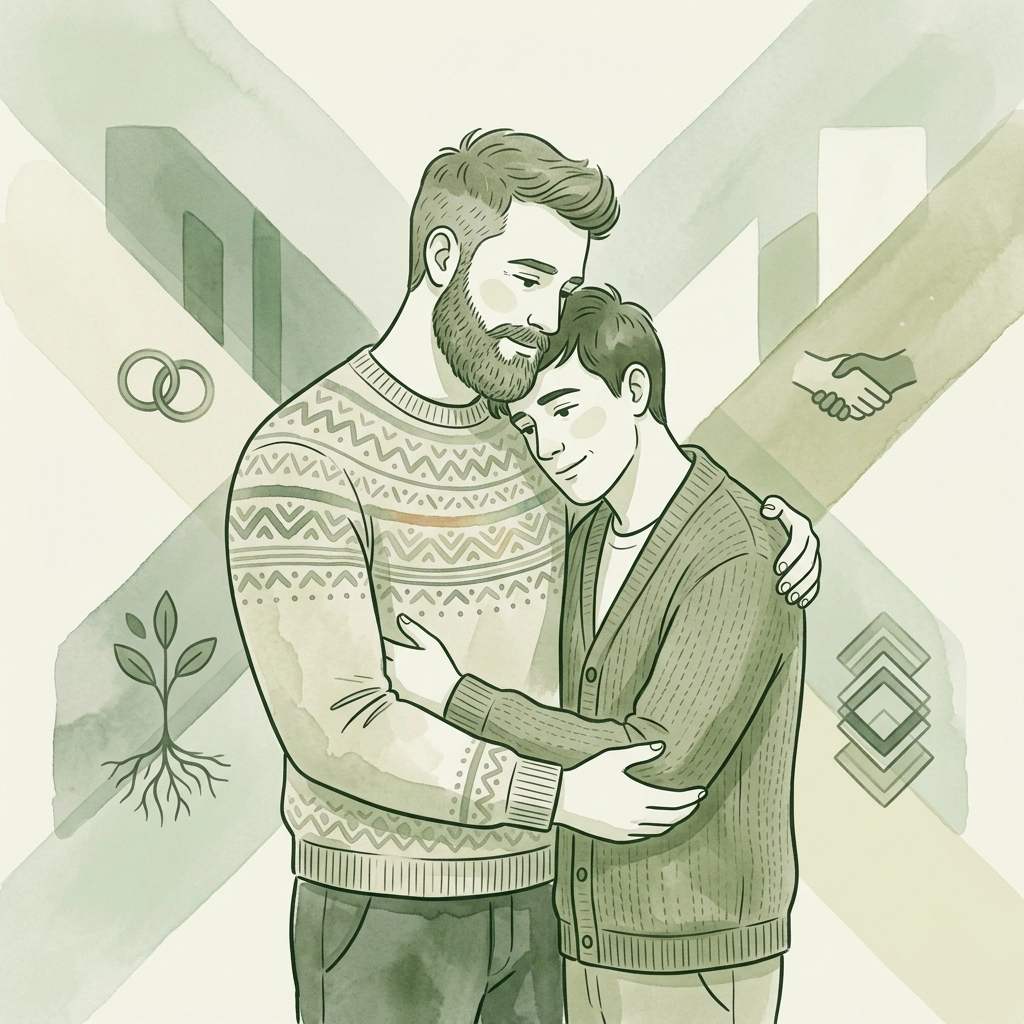
When we talk about the queer experience, it’s easy to get caught up in a single narrative. But the truth is, being part of the LGBTQ+ community isn’t a monolith. We aren’t just "one thing." We are a vibrant, messy, beautiful collection of intersecting identities. Intersectionality, a term coined by Kimberlé Crenshaw, is the framework that helps us understand how our various social identities (like race, gender, disability, and class) overlap to create unique experiences of both discrimination and joy.
At eBooks by Dick Ferguson, we believe that embracing every part of who we are, whether that’s being a gay man of color, a disabled trans person, or a bi man navigating neurodiversity, doesn’t just complicate our stories; it strengthens them. It makes our queer fiction more authentic and our MM romance more deeply felt.
Today, we’re diving into why these intersections matter, starting with a crucial and often misunderstood part of our community.
A Guide to Understanding Asexuality and Aromanticism for Allies
To kick off our journey into intersectionality, we have to look at the "A" in LGBTQIA+. For many allies (and even some within the community), asexuality and aromanticism remain a bit of a mystery. But if we want to truly read with pride, we need to understand the full spectrum of human connection.
What is Asexuality?
Asexuality (often shortened to "Ace") is a sexual orientation where a person experiences little to no sexual attraction to others. It’s important to remember that asexuality is a spectrum. Some folks might be "Gray-Ace" (experiencing attraction rarely) or "Demisexual" (only experiencing attraction after a strong emotional bond is formed).
What is Aromanticism?
Aromanticism (or "Aro") refers to people who experience little to no romantic attraction. While many people are both Ace and Aro, some are one and not the other. You can be a gay man who is asexual but still seeks a deep, romantic M/M partnership. Or you can be aromantic but still enjoy sexual relationships.
Why This Matters for Allies
As allies and readers of gay literature, understanding these identities helps us move away from the "sex-only" or "romance-only" tropes that can sometimes limit our understanding of queer lives. When we acknowledge Ace and Aro identities, we validate the idea that love and connection come in infinite forms. In the world of MM novels, seeing an asexual hero find a partner who respects and loves them for exactly who they are is incredibly powerful.

More Than Just a Label: The Power of Intersecting Identities
Intersectionality is about recognizing that a person's experience of the world is shaped by all their identities at once. For example, a white gay man and a Black gay man both navigate homophobia, but the Black gay man also navigates racism. These aren’t two separate "problems" to be dealt with one at a time; they are fused together into a singular lived experience.
When we embrace intersectionality in our LGBTQ+ ebooks, we get stories that feel real. We see characters who aren't just "the gay best friend" but are men with complex cultural backgrounds, spiritual lives, and physical abilities. This richness is what makes gay romance books so much more than just "escapism." They become mirrors for our own complicated lives.
Strengthening the Queer Experience Through Diversity
Why does this strengthen us? Because it fosters empathy. When we read a gay historical romance that features a protagonist navigating both his sexuality and the class struggles of his time, we learn about resilience. When we pick up a gay thriller where the hero’s disability is a part of his life but not the "problem" to be solved, we see a more inclusive world.
Embracing these intersections allows us to:
- Amplify marginalized voices: We move the spotlight to those who have been historically pushed to the edges of the "mainstream" queer movement.
- Build deeper community: Understanding each other's unique struggles makes our collective bond stronger.
- Create better art: Diverse perspectives lead to more innovative and heartfelt gay fiction.
The M/M Romance Perspective: Why We Need Complex Heroes
In the world of MM romance, there’s been a beautiful shift toward more intersectional storytelling. We’re moving beyond the "standard" tropes and exploring what it means to be a man loving another man in all sorts of contexts.
Take, for example, the high-stakes world of a gay spy romance or the grit of a gay psychological thriller. When the author layers in elements of the character's heritage or neurodivergence, the stakes feel higher because the character is more grounded. We aren't just reading about a "spy"; we're reading about this specific man, with his specific history and identity.
Dick Ferguson’s own work often touches on these deep, personal layers. In the announcement for The King of Spades and Broken Roses, he talks about his most personal M/M romance yet, proving that the most resonant stories come from a place of authentic, multi-layered experience.

Navigating the World as a Queer Man: The Emotional Depth
Let’s be real: navigating the world as a queer man is an emotional journey. Whether you’re looking for steamy MM romance or emotional MM books, you’re likely looking for a connection to that "Emotionally Invested Reader" profile. We want to feel the angst, the yearning, and the ultimate triumph of a character who has had to fight for their space in the world.
Intersectionality adds "good angst." It’s the tension of a man trying to reconcile his traditional upbringing with his modern identity, or a disabled veteran finding that he is still worthy of a gay love story. These aren't just plot points; they are the heart of popular gay books today.
If you’re looking for a story that combines gritty reality with deep emotional connection, check out Dust and Bone. It’s a perfect example of how the darker, more complex parts of our identity can lead to the most beautiful reflections.
Building a Better Book Club: Read with Pride
At Read with Pride, our mission is to provide a home for LGBTQ+ reading that celebrates every shade of the rainbow, and everything in between. Whether you are searching for new gay releases, award-winning gay fiction, or the best MM romance of 2026, we want you to find yourself in the pages.
Our gay book club community thrives when we share stories that challenge us to see the world through someone else's intersectional lens. It’s not just about "reading with pride"; it’s about learning with pride.
How to Support Intersectional Queer Literature
- Seek out diverse authors: Support queer authors and MM authors from different backgrounds.
- Look for "own voices" stories: There is a unique power in a story told by someone who has lived it.
- Share your recommendations: Help others find those top LGBTQ+ books that feature intersectional identities.

Final Thoughts: The Strength in Our Differences
Intersectionality isn't a buzzword; it's a lifeline. By embracing every part of our identity, our race, our ability, our specific place on the Ace/Aro spectrum, we create a queer experience that is indestructible. We stop being a "minority" and start being a multifaceted force of nature.
So next time you pick up one of our gay novels or LGBTQ+ Kindle books, look for the layers. Celebrate the intersections. Because that is where the real magic of gay love stories lives.
Follow us on social media for more gay book recommendations and updates!
- Instagram: https://www.instagram.com/dickfergusonwriter
- X (Twitter): https://www.x.com/DickFergus94902
- Facebook: https://www.facebook.com/profile.php?id=61572869844598
- Official Site: www.readwithpride.com
Explore the Store: https://readwithpride.com/e-book-store/dickfergusonwriter/
#readwithpride #LGBTQebooks #MMromance #gayfiction #intersectionality #aceandaro #gaybooks #queerliterature #M/Mbooks #writewithpride
Hey Dick, here are three blog post options for tomorrow:
- The Evolution of the Grumpy/Sunshine Trope in Modern MM Romance: Why we still love this classic dynamic and how new authors are putting a fresh, queer twist on it.
- From Page to Heart: Why High-Angst Gay Fiction is the Ultimate Emotional Catharsis: Exploring the science of why "hurts so good" stories are so popular among gay readers.
- Finding Home: The Importance of "Found Family" in Queer Adventure Novels: A look at how M/M adventure stories use the found family trope to build emotional stakes.

Leave a Reply
You must be logged in to post a comment.