

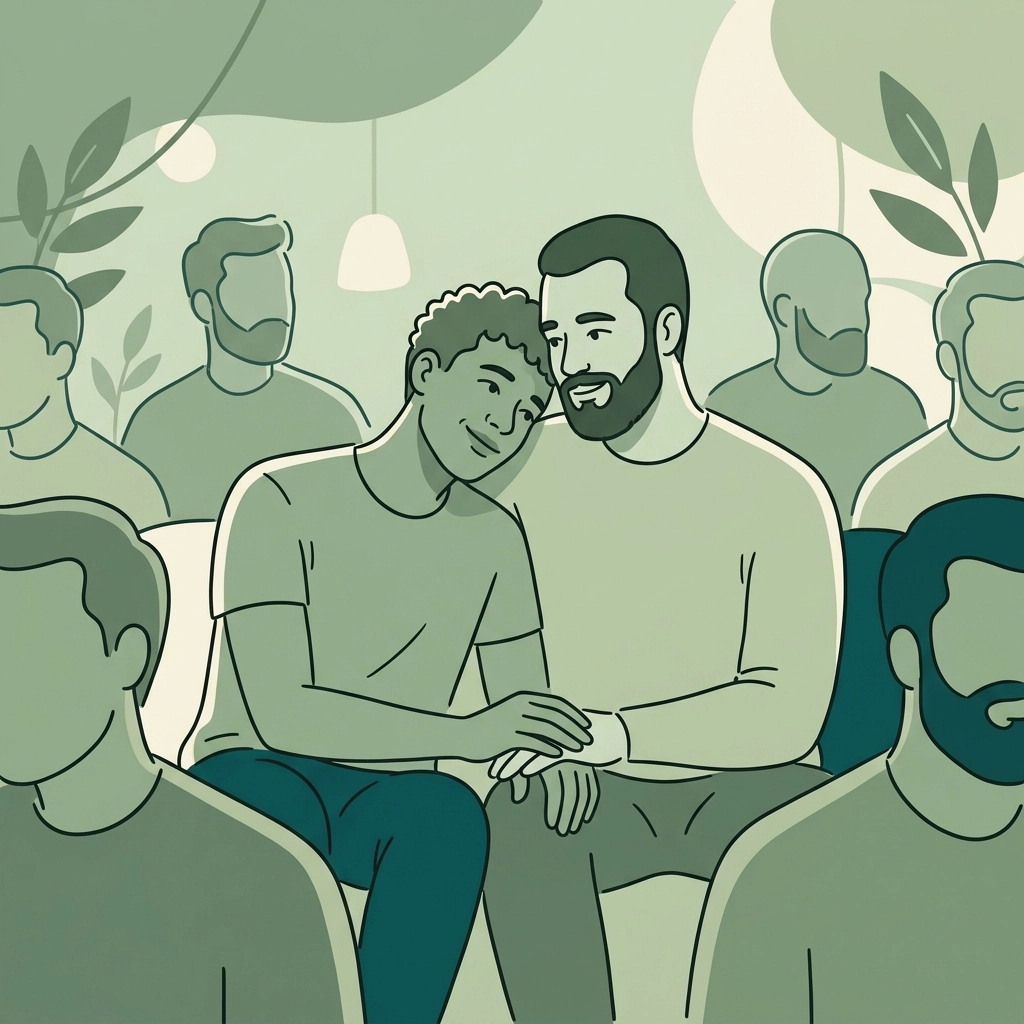
Let’s be real: sometimes being queer can feel a little bit like being the only person at a party who knows the secret password. You’re there, you’re visible, but you’re still looking for the people who truly get it. Whether you’ve just come out or you’ve been out for decades, finding your "tribe" is a journey that never really ends. At Read with Pride, we believe that community is the backbone of the LGBTQ+ experience. It’s what turns a solitary life into a shared story.
But where do you start? How do you navigate the nuances of a community that is as diverse as the colors of the rainbow? From understanding the often-overlooked identities in our midst to finding the perfect MM romance book club, here are ten things you should know about finding your queer community.
1. A Guide to Understanding Asexuality and Aromanticism for Allies
To find a community that is truly inclusive, we have to start by understanding all the letters in our alphabet. Often, our spaces are heavily focused on sexual and romantic attraction, which can leave our asexual (ace) and aromantic (aro) siblings feeling like they’re on the outside looking in.
If you’re looking to be a better ally or find your place within the ace/aro community, knowledge is your best friend. Asexuality is a spectrum where individuals experience little to no sexual attraction. Aromanticism is a similar spectrum but regarding romantic attraction. It’s important to remember that for many in the M/M books world, intimacy isn't always about the physical; it's about the emotional depth and the "emotionally invested reader" profile we all love.

Being an ally means recognizing that someone’s lack of sexual attraction doesn't make their queer identity any less valid. When you're looking for your tribe, look for spaces that don't prioritize "hook-up culture" as the only way to connect. True community is built on shared values and mutual respect, regardless of where you fall on the attraction spectrum.
2. Online Spaces are the Modern "Gateway"
For many gay men and queer folks, especially those in rural areas, the internet is the first place we find our people. Whether it’s a niche subreddit, a Discord server for gay fiction fans, or a Facebook group dedicated to MM historical romance, online communities provide a safe "first step."
However, the key is intentionality. Don't just lurk; engage! Comment on a thread about your favorite gay novels, share your thoughts on a high-angst MM contemporary plot twist, or join a virtual watch party. These digital connections often blossom into real-world friendships.
3. Literature as a Connection Point
There is something incredibly bonding about sharing a love for a specific story. At eBooks by Dick Ferguson, we see this every day. Readers who are moved by the raw emotion in Dust and Bone or the deep, personal journey in The King of Spades and Broken Roses often find themselves seeking out others who felt the same way.
Joining a gay book club: either online or in person: is one of the most effective ways to find your tribe. It bypasses the awkward small talk and dives straight into the themes that matter: love, identity, struggle, and triumph. Plus, talking about popular gay books is a great way to meet guys who share your emotional frequency.
4. Hobby-First Groups are Game Changers
Sometimes, the best way to find a queer community isn't to look for a "queer group," but to look for a "hobby group" that happens to be queer. Think: gay sports leagues, queer hiking groups, or LGBTQ+ tabletop gaming clubs.
When you lead with an interest: like gay fantasy romance or Japanese aesthetics as seen in Blossoms and Reflections: the pressure to "perform" your queerness drops. You’re just a guy who likes sports/games/art who also happens to be gay. It creates a natural, low-pressure environment for building long-term bonds.
5. The Importance of Intergenerational Connection
One of the biggest losses in the modern queer era is the gap between generations. If you’re a younger man looking for your tribe, don't just stick to people your own age. The "gay elders" in our community have survived things many of us can't imagine, and their wisdom is a treasure trove.

Conversely, if you're an older member of the community, reaching out to the younger generation helps keep our history alive. Finding a tribe that spans ages ensures a richer, more grounded experience of what it means to be queer.
6. Look Beyond the "Scene"
The "scene": typically bars and clubs: is a staple of queer life, but it’s not for everyone. If loud music and late nights aren't your vibe, don't feel like you're failing at being gay. Many of the most meaningful connections happen in quiet spaces: community centers, queer-owned coffee shops, or volunteer organizations.
If you’re looking for gay romance in your real life, remember that the "meet-cute" is just as likely to happen at a charity car wash or a local pride planning meeting as it is on a dance floor.
7. Safety and Privacy are Priorities
When you're searching for your tribe, your safety: both physical and emotional: comes first. Always check if a group has a code of conduct. Do they respect pronouns? How do they handle conflict? A community that doesn't prioritize the safety of its most vulnerable members isn't a tribe; it's just a clique.
When meeting people from the internet for the first time, stick to public places. A quick coffee to talk about your favorite MM thriller is a much safer bet than a private residence.
8. Intersectionality Isn't a Buzzword
Your tribe should reflect the full spectrum of the human experience. As you look for community, be mindful of intersectionality. How does the group treat queer people of color, trans individuals, or those with disabilities? A community that only caters to one specific type of "gay man" is missing out on the beauty of our collective diversity.

Embracing intersectionality within your tribe means you’re not just finding a place to belong; you’re helping build a place where everyone belongs.
9. Volunteerism Builds Bonds
There is no faster way to bond with someone than by working toward a common goal. Volunteering for an LGBTQ+ youth center, a health clinic, or an arts festival puts you shoulder-to-shoulder with people who share your heart. It moves the focus from "what can this community do for me?" to "what can we do for each other?"
This sense of shared purpose is often the "glue" that turns acquaintances into a chosen family.
10. Be Patient and Be Yourself
Finding your tribe doesn't happen overnight. You might join three different book clubs before you find the one where you can truly discuss the nuances of MM contemporary tropes without judgment.
The most important thing is to be authentically you. If you’re into gay spy romance and high-angst MM fiction, don't pretend you're only into lighthearted rom-coms just to fit in. Your tribe is out there, and they are looking for exactly who you are.
Conclusion
Finding your queer community is an act of bravery. It’s about stepping out of the shadows and saying, "Here I am, and I want to connect." Whether you find that connection through the pages of a gay love story or at a local community meeting, remember that you deserve a space where you are celebrated, not just tolerated.
At Read with Pride, we’re here to provide the stories that reflect your life. Check out our latest releases and find your next favorite read at our store: https://readwithpride.com/e-book-store/dickfergusonwriter/.
Let’s keep reading, keep connecting, and keep building our tribe.
Follow us on social media:
#LGBTQ #MMRomance #GayFiction #QueerCommunity #ReadWithPride #GayBooks #MMRomanceBooks #FindingTribe #GayLiterature #QueerAuthors
Proactive Blog Options for Dick:
- The Evolution of the "Grumpy x Sunshine" Trope in MM Romance: A deep dive into why this dynamic remains a fan favorite in 2026 and how it reflects real-world queer relationships.
- Why High-Angst MM Fiction is Healing for the Queer Soul: An exploration of how reading "painful" stories helps us process our own trauma and find emotional catharsis.
- From Screen to Page: How Queer Cinema is Influencing Modern MM Novels: A look at the interplay between visual storytelling and the latest trends in gay literature.

Leave a Reply
You must be logged in to post a comment.