

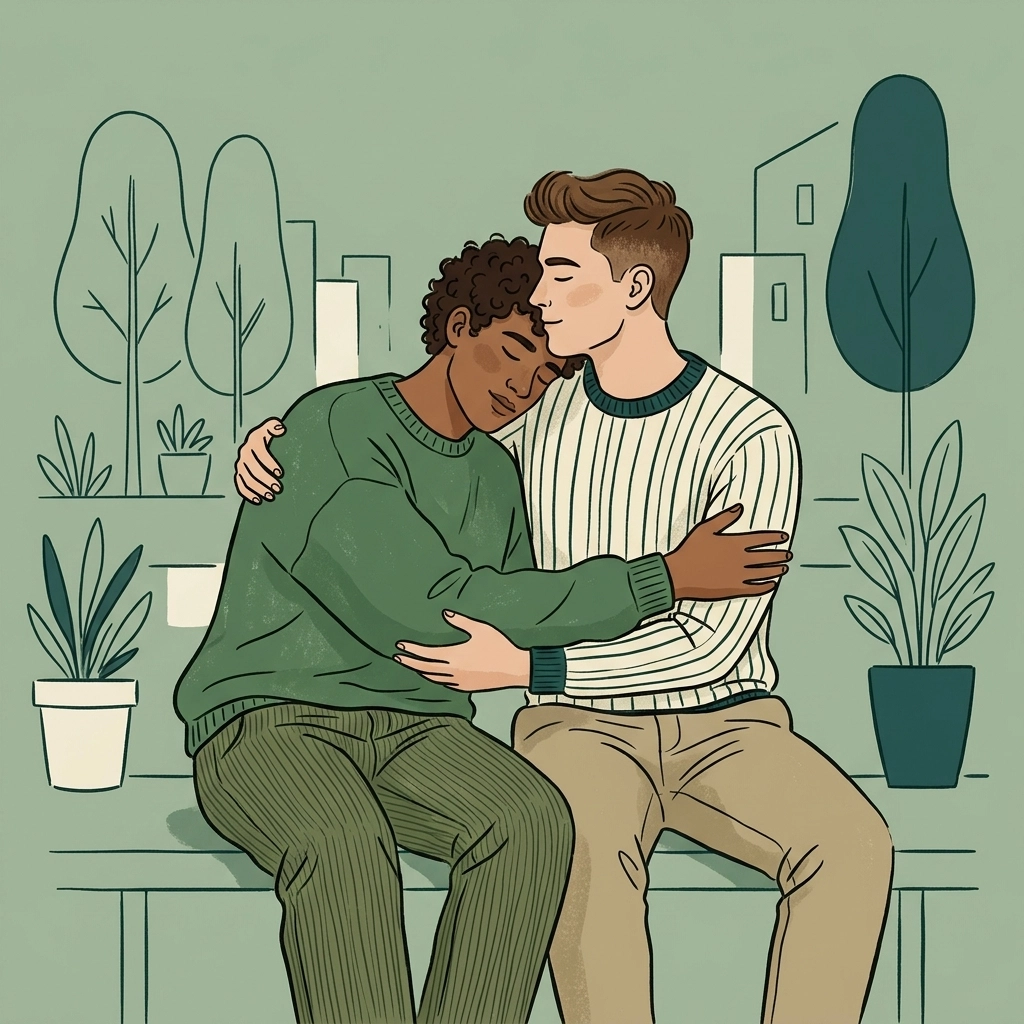
Hey there, book lovers and community builders! At eBooks by Dick Ferguson, we believe that every story matters. But more importantly, we believe that the way those stories overlap is where the real magic happens. When we talk about the LGBTQ+ community, it’s easy to get caught up in the big, broad strokes. But the queer experience isn't a monolith. It’s a vibrant, complex tapestry woven from threads of race, gender, ability, and, often overlooked, the spectrum of romantic and sexual attraction.
To truly understand why intersectionality is the backbone of a stronger community, we need to start by broadening our definitions. Today, we’re kicking things off with a deep dive into a corner of our community that often needs more visibility.
A Guide to Understanding Asexuality and Aromanticism for Allies
If we’re going to talk about intersectionality, we have to talk about the "A" in LGBTQIA+. For a long time, the mainstream narrative of the queer community has been heavily focused on who we are sexually attracted to. But what about those who experience little to no sexual or romantic attraction?
Asexuality (Ace) refers to people who experience limited or no sexual attraction to others. Aromanticism (Aro) refers to people who experience little to no romantic attraction. While these two identities often overlap, they aren't the same. Someone can be an aromantic sexual person, or a romantic asexual person.
For allies, and even for those within the gay and bisexual community, understanding this is crucial. Why? Because our community has often fought for the right to be "seen" as sexual beings to counter old prejudices. In doing so, we sometimes accidentally create spaces that are hyper-sexualized, leaving our Ace and Aro siblings feeling sidelined.

The Split Attraction Model
To be a good ally, you should get familiar with the Split Attraction Model. This suggests that sexual attraction and romantic attraction are two different things.
- Sexual Attraction: A desire for sexual contact with a specific person.
- Romantic Attraction: A desire for emotional intimacy or a committed relationship (the "crush" feeling).
By acknowledging these nuances, we make our gay book club spaces and community centers more inclusive. We stop assuming that every MM romance must follow a specific "steam" level to be valid, and we start valuing gay love stories that prioritize emotional connection or platonic partnership. Building a stronger community means making sure the "A" isn't just a letter at the end of the acronym, but a fully supported part of our family.
What is Intersectionality, Anyway?
The term "intersectionality" was coined by Professor Kimberlé Crenshaw. Originally, it described how Black women face a unique form of discrimination that isn't just "racism plus sexism," but a specific experience where those two things overlap.
In the world of gay fiction and queer literature, intersectionality helps us see that a white, cisgender gay man has a very different lived experience than a Black trans man or a disabled bisexual man. When we ignore these intersections, we default to the "most privileged" version of queerness, which usually leaves out the very people who fought hardest for our rights, like the trans women of color at Stonewall.

Why Diverse Identities Build Strength
When we embrace intersectionality, we don't just "add people to the list." We actually change the way we think. Here is why diversity makes us a powerhouse:
- Innovation in Storytelling: In MM novels and gay literature, intersectional characters bring fresh perspectives. A gay historical romance hits differently when it explores the complexities of class or race alongside a man/man relationship.
- Resilience through Solidarity: When we show up for racial justice, disability rights, and economic equality, we are showing up for our own. A large portion of the queer community lives at these intersections.
- Wider Reach: By promoting LGBTQ+ ebooks that feature diverse leads, we reach readers who have felt invisible for decades. Whether it’s gay fantasy romance or a gay thriller, seeing yourself reflected is a revolutionary act.
Intersectionality in M/M Romance and Gay Novels
As a publisher focusing on M/M books, we’ve seen a shift. Readers are no longer satisfied with "cardboard cutout" characters. They want heartfelt gay fiction that reflects the real world. This means characters who are dealing with more than just their "coming out" story.
They are characters who are navigating their careers, their cultural heritage, and their physical abilities. For instance, in our recent release, The King of Spades and Broken Roses, we see a deeply personal exploration of character that goes beyond the surface. This is what we mean by emotional MM books, stories that dig into the grit of identity.
Breaking the Tropes
Diverse identities help us break out of tired tropes. In gay contemporary romance, we’re seeing more stories involving:
- Neurodivergent leads: Showing that love and intimacy look different for everyone.
- Different socioeconomic backgrounds: Moving away from the "billionaire" trope to show the reality of working-class queer life.
- Intergenerational friendships: Bridging the gap between the elders who survived the crisis and the youth who are redefining gender today.
By supporting queer authors who write these stories, you are directly contributing to a more robust and empathetic community.

How You Can Support a More Intersectional Community
Being an ally or a supportive community member isn't a one-time thing; it’s a practice. Here’s how you can help:
- Diversify Your Bookshelf: Don't just read one type of MM romance. Seek out gay romantic fiction written by authors of color, disabled authors, and trans authors.
- Listen More, Speak Less: In community spaces, if a topic like racism or ableism comes up, listen to those with the lived experience.
- Support Inclusive Platforms: Use sites like Read with Pride to find top LGBTQ+ books that celebrate a wide range of identities.
- Challenge Assumptions: If you're at a gay book club and every book chosen features the same type of protagonist, speak up! Suggest a gay adventure romance or a gay psychological thriller with a diverse lead.
The Future of Gay Literature is Intersectional
As we move through 2026, the demand for new gay releases that reflect our complex world is only growing. Whether it’s steamy MM romance or award-winning gay fiction, the stories that resonate most are the ones that feel true. And truth is rarely simple. It’s layered, messy, and intersectional.
By valuing our differences, we don’t divide the community, we fortify it. We ensure that no one is left behind, whether they are Ace, trans, BIPOC, or disabled. Together, we are writing a better story for all of us.
Ready to find your next favorite read? Explore our collection of popular gay books and MM historical romance at our store: Check out the Read with Pride Store.
Follow us on social media!
Stay updated with the latest in gay fiction and MM romance books:
- Instagram: Follow @dickfergusonwriter
- X (Twitter): Follow @DickFergus94902
- Facebook: EBooks by Dick Ferguson
- Website: www.readwithpride.com
#readwithpride #LGBTQebooks #gaybooks #MMromance #gayromance #queerfiction #gaynovels #writewithpride #readingwithpride #intersectionality #acearoally
Hey Dick! Here are three blog post options for tomorrow:
- The Evolution of the 'Grumpy x Sunshine' Trope in MM Romance: A look at why this dynamic remains a fan favorite and how modern authors are subverting expectations.
- Why 'Found Family' is the Most Important Theme in Gay Literature: Exploring the emotional depth of chosen families and why they resonate so deeply with queer readers.
- A Beginner's Guide to Gay Historical Romance: From Regency London to the 1970s( why looking back helps us move forward.)

Leave a Reply
You must be logged in to post a comment.