

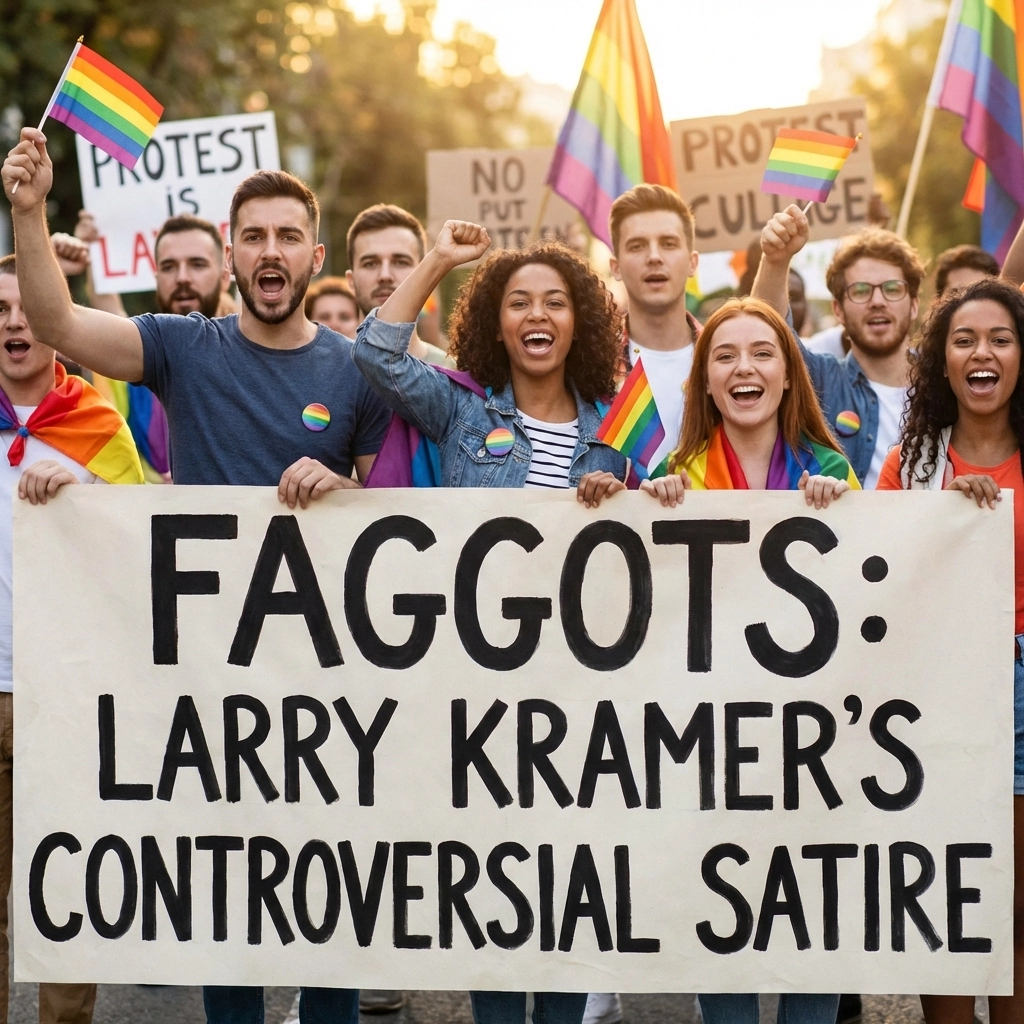
Sometimes the most important books are the ones that piss everyone off. Larry Kramer's 1978 novel Faggots wasn't just controversial, it was practically radioactive. The gay community didn't just dislike it; they tried to bury it. Manhattan's only gay bookstore banned it. Critics begged people not to buy it. The New York Times called it some of the worst writing they'd ever encountered. And yet, despite, or maybe because of, all that fury, it became one of the bestselling gay novels of all time.
Here's the thing about Faggots: Kramer wasn't trying to make friends. He was trying to save lives, even if nobody wanted to hear it.
The Party Before the Storm
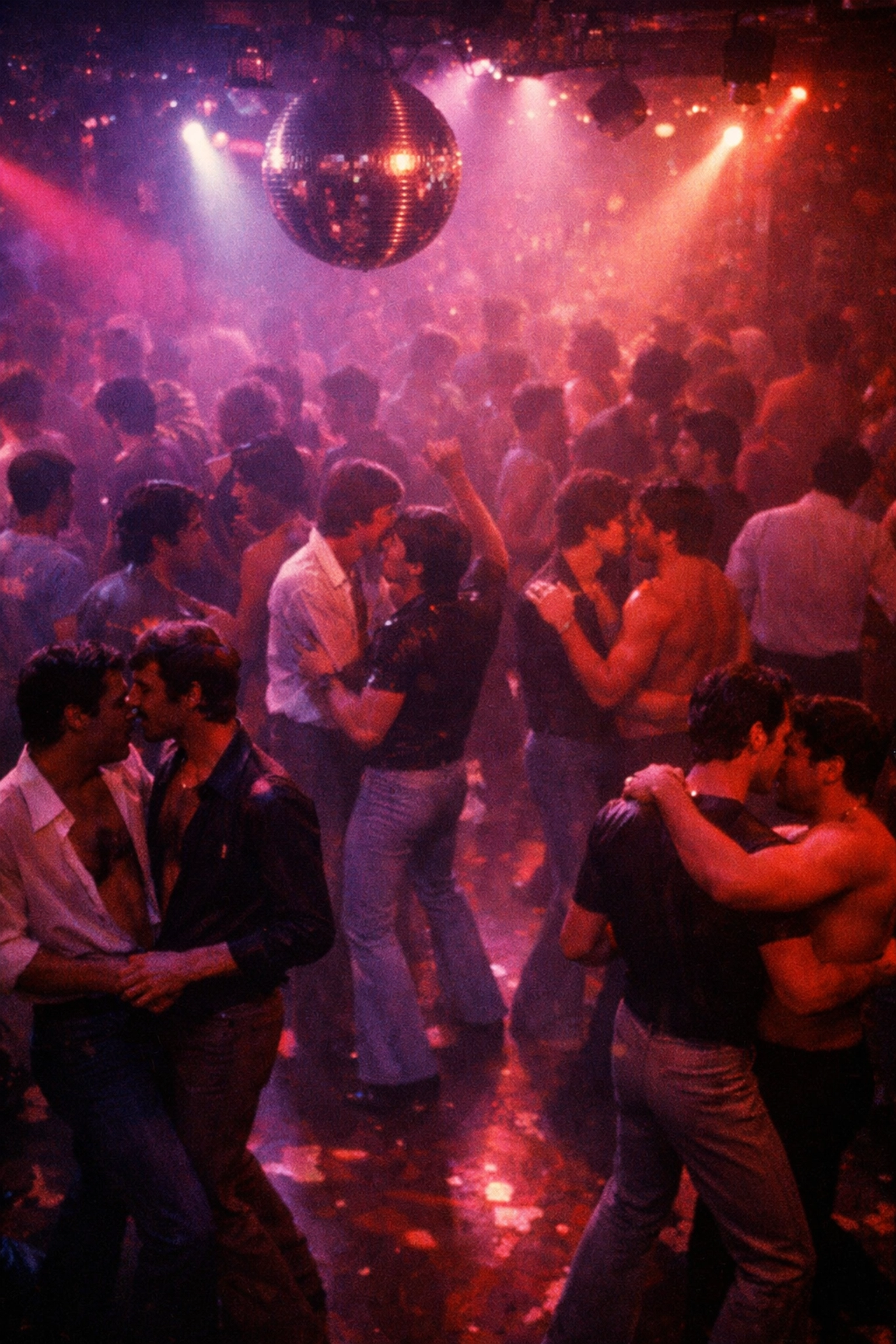
Picture 1970s New York. Stonewall is fresh in the rearview mirror, disco is pumping, and the gay community is finally, finally living out loud. After decades of hiding, criminalizing, and pathologizing, queer folks were claiming their right to pleasure, visibility, and sexual freedom. The Fire Island scene was legendary. Bathhouses were packed. Liberation meant liberation, especially sexual liberation.
Into this glittering, hedonistic landscape came Larry Kramer with a bucket of cold water and a megaphone.
Faggots follows Fred Lemish (basically Kramer in a thin disguise) as he navigates New York's gay scene, desperately searching for love while surrounded by what Kramer saw as meaningless hookup culture. Fred is hopelessly in love with Dinky Adams, a character based on someone Kramer loved in real life, but Dinky is more interested in the next party, the next drug, the next encounter. The novel is a satirical, often brutal portrait of promiscuity, recreational drug use, and what Kramer viewed as the community's self-destructive spiral into sexual excess.
The book's most famous line? "This is unacceptable. You're all assholes. You must stop fucking each other to death."
Yeah. Subtle it was not.
Why Everyone Hated It (At First)

The backlash was immediate and fierce. Gay critics didn't just pan Faggots, they actively discouraged people from reading it. The consensus was that Kramer had written something deeply harmful to gay liberation. Here was this ascetic scold wagging his finger at a community that had only just begun to breathe freely.
The Washington Post called it a portrait of a "peculiarly ugly, vicious, perverse, depraved, sado-masochistic subculture." But it was the gay community's rejection that really stung. In their eyes, Kramer was attacking the very foundation of post-Stonewall freedom. After all, hadn't they fought for the right to live and love on their own terms? Who was Larry Kramer to tell them they were doing it wrong?
Kramer's argument was more nuanced than his critics wanted to admit. He wasn't anti-sex (despite what many claimed). He was anti-just sex. His fear was that by conflating gay liberation with sexual liberation alone, the movement was reducing itself to a "single-issue" cause. Political power, community building, love, all of it was being overshadowed by the race toward the next orgasm. Gay liberation, he argued, should be about so much more than who we could fuck and where.
But in 1978, nobody wanted to hear it. The party was too good. The freedom was too new. And Kramer? He was just a killjoy.
Then Everything Changed

When the AIDS crisis exploded in the early 1980s, Faggots suddenly looked less like satire and more like prophecy. The very behaviors Kramer had condemned, the drug use, the multiple partners, the bathhouse culture, were identified as major risk factors for HIV transmission. Suddenly, "you must stop fucking each other to death" didn't sound like moral panic. It sounded like a warning.
Kramer's redemption within the gay community was complicated and partial. Some saw him as a visionary who'd tried to warn them. Others viewed his earlier criticisms as sex-negative moralizing that happened to coincide with a medical catastrophe. The debate continues today: Was Kramer's warning rooted in genuine moral clarity, or was he just lucky that his conservative views about sex aligned with epidemiological reality?
The truth probably lives somewhere in the messy middle. Kramer's love for his community was never in question, his entire life's work, from Faggots to founding ACT UP, proved that. But his methods, his tone, and his timing were all spectacularly bad. He was right about the danger, but wrong about the cause. The problem wasn't sex itself; it was a virus, combined with a government that didn't care if gay men lived or died.
Why Faggots Still Matters
Fast-forward to 2026, and Faggots remains essential reading for anyone trying to understand queer literary history. Not because it's perfect, it's deeply flawed in places, but because it captures a specific moment in time with unflinching honesty. This is what the gay scene looked like in the late 1970s, filtered through one man's controversial perspective. It's messy, angry, satirical, and uncomfortable.
And that's precisely why it matters.
Too often, our queer fiction focuses on the triumphs, the love stories, the happy endings. We need those stories, god knows we need them. But we also need books like Faggots that show the community at war with itself, wrestling with hard questions about identity, politics, and what liberation actually means.
Kramer didn't write Faggots to make the gay community look good. He wrote it because he was terrified of what he saw happening. He wrote it out of love, even if that love came wrapped in rage and judgment. The book is a time capsule, a warning, a love letter, and a middle finger all at once.
Reading It Today

If you decide to pick up Faggots now, go in with context. Remember that this was written before AIDS, before marriage equality, before PrEP, before most of the milestones that define modern queer life. The world Kramer was critiquing doesn't exist anymore, not in the same way, anyway.
But the central tension of the book, the question of what liberation means, and whether sexual freedom alone is enough, remains relevant. How do we build community? How do we balance pleasure with responsibility? How do we critique ourselves without giving ammunition to those who hate us? These questions didn't die with the 1970s.
Faggots is also, despite everything, often funny. Kramer had a sharp satirical eye, and his descriptions of Fire Island parties and bathhouse dynamics are frequently hilarious. It's angry comedy, but it's comedy nonetheless.
The Larry Kramer Legacy
Beyond Faggots, Kramer's legacy as an AIDS activist and playwright (The Normal Heart, anyone?) is undeniable. He was a fighter, a troublemaker, and someone who refused to shut up even when, especially when, people wanted him to. His work helped define not just gay literature but LGBTQ+ activism itself.
At Read with Pride, we believe in celebrating the full spectrum of queer literature, the joyful, the painful, the controversial. Books like Faggots remind us that our history isn't simple. It's complicated, contradictory, and full of people who loved their community enough to risk being hated by it.
So yes, read the MM romance that makes you swoon. Devour the gay love stories with happy endings. But also make room for the books that challenge you, that make you uncomfortable, that force you to think about what it really means to live with pride.
Larry Kramer earned his place in gay literary history not by playing it safe, but by saying what needed to be said: even when nobody wanted to listen.
Explore more groundbreaking LGBTQ+ literature at ReadwithPride.com
Follow us for daily queer book recommendations:
📘 Facebook
🐦 Twitter/X
📸 Instagram
#ReadWithPride #LGBTQBooks #GayLiterature #QueerFiction #LarryKramer #Faggots #GayHistory #QueerClassics #LGBTQHistory #GayBooks #MMRomance #QueerReads #LGBTQLiterature #GayBookClub #QueerAuthors #HistoricLGBTQBooks #GayNovels #PrideReading #ReadQueer #BookRecommendations2026

Leave a Reply
You must be logged in to post a comment.