

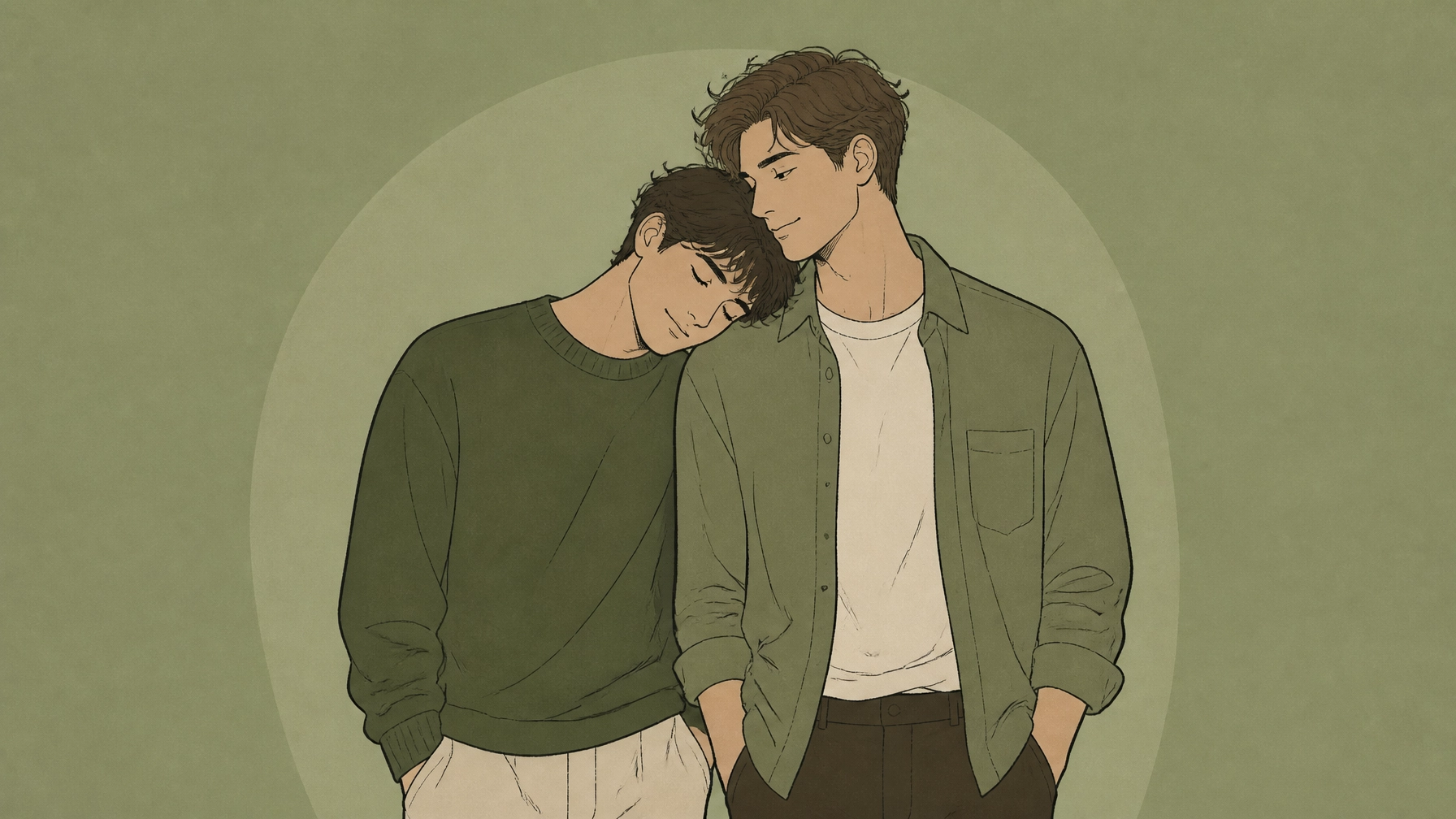
Hello there, fellow story-seekers and soul-searchers. If you’ve ever picked up one of Dick Ferguson’s novels, you know we’re all about the deep stuff: the raw emotions, the complex identities, and the beautiful, often messy reality of being human. Today, we’re stepping away from the fictional worlds of MM romance for just a moment to talk about something very real and incredibly vital: the non-binary experience.
Whether you’re here because you’re questioning your own reflection, you want to be a better ally to the LGBTQ+ community, or you’re a writer looking to add authentic queer fiction to the world, this guide is for you. Let’s pull back the curtain on the "binary gaze" and learn how to thrive in the spaces in between.
What Does "Non-Binary" Actually Mean?
At its simplest, being non-binary means your gender identity doesn't fit neatly into the "man" or "woman" boxes. But let's be honest: nothing about the human heart is ever that simple, right?
The term "non-binary" is both a specific identity and a big, beautiful umbrella. Underneath it, you’ll find folks who feel like a mix of both genders, folks whose gender changes over time (genderfluid), or folks who don't feel like they have a gender at all (agender).
It’s important to remember that being non-binary isn't a "new trend." While the language we use might be evolving, people have existed outside the gender binary in almost every culture throughout history. When you read with pride, you’re often tapping into a legacy of resistance and authenticity that stretches back centuries.
Identity vs. Presentation
One of the biggest hurdles for beginners is realizing that how someone looks isn't the same as who they are. A non-binary person might present masculinely, wear a beard, and love gay romance books, yet still not identify as a man. Their internal sense of self: their gender identity: is what matters most.
Dismantling the Binary Gaze
So, what is this "binary gaze" we keep talking about?
Think of it like a pair of glasses that everyone is forced to wear from the moment they’re born. These glasses filter everything into two categories: blue or pink, masculine or feminine, him or her. The binary gaze assumes that these are the only two ways to exist and that anything else is "confusing" or "unnatural."
For non-binary people, the binary gaze can feel like a heavy weight. It’s the constant expectation to "pick a side" or to perform masculinity or femininity in a way that makes other people comfortable. Thriving beyond this gaze means taking those glasses off and realizing that the world is a technicolor spectrum, not a black-and-white photo.

Thriving Beyond the Binary
Thriving isn't just about surviving; it's about finding joy in your authenticity. Here are a few ways to start thriving beyond the binary gaze, whether for yourself or in support of the people you love.
1. Reclaim the Narrative
In many gay novels and mainstream media, non-binary characters are often pushed to the side or treated as "the mystery to be solved." To thrive, we have to center our own stories. This is why queer authors are so essential. When we tell our own stories, we move from being "objects" under the binary gaze to "subjects" with our own agency and desires.
2. Practice Gentle Self-Compassion
If you’re exploring your own identity, remember: there is no "right" way to be non-binary. You don't owe anyone androgyny. You don't have to change your name or your pronouns to be valid (though many people find great peace in doing so!). Your identity is yours alone.
3. Find Your "Read With Pride" Community
Whether it’s an online forum, a local gay book club, or just a group of friends who "get it," community is everything. Surrounding yourself with people who don't need you to explain your existence is a form of healing.
Non-Binary Representation in MM Romance
As fans of M/M books, we often see stories focused on two cisgender men. But the landscape of MM contemporary fiction is shifting. We’re seeing more authors include non-binary characters who find love, heat, and "happily ever afters" within the genre.
Why does this matter? Because representation is a mirror. When a non-binary reader sees a character like themselves being loved: not despite their gender, but as a whole person: it chips away at the harmful effects of the binary gaze. It tells the reader: "You are worthy of the kind of searing, passionate love found in the best gay love stories."

What Makes Good Representation?
If you’re writing or looking for popular gay books with non-binary rep, look for these elements:
- Agency: The character should have their own goals and flaws outside of just "being non-binary."
- Respect: Other characters should respect their pronouns and name, even if they make mistakes occasionally.
- Nuance: The story should acknowledge the "full spectrum of human emotion": as Dick Ferguson does so well: without making the character’s gender the only source of conflict.
How to Be a Better Ally
You don't have to be non-binary to help dismantle the binary gaze. Here’s how you can show up for the community:
- Respect Pronouns: If someone tells you they use they/them, he/him, or neopronouns like ze/zir, use them. If you mess up, apologize briefly, correct yourself, and move on. Don't make it about your own guilt.
- Educate Yourself: Don't expect your non-binary friends to be your personal Wikipedia. Read LGBTQ+ ebooks, listen to podcasts, and do the work.
- Support Queer Creators: Buy books from MM authors who include diverse identities. Check out the curated selection at the Read with Pride E-book Store.

Conclusion: Living with Pride
Living beyond the binary gaze is a journey, not a destination. It’s about unlearning the scripts we were given and writing our own. At Read with Pride, we believe that every story matters and every identity deserves to be celebrated.
Whether you're looking for gay romance, a gay psychological thriller, or a heartfelt gay fiction piece that explores the complexities of the soul, you’ll find a home here. Let's keep reading, keep learning, and keep thriving: together.
Follow us on social media for more stories, updates, and queer bookish love:
- Instagram: https://www.instagram.com/dickfergusonwriter
- X (Twitter): https://www.x.com/DickFergus94902
- Facebook: https://www.facebook.com/profile.php?id=61572869844598
- Website: www.readwithpride.com
3 Blog Post Options for Tomorrow:
- The Art of the Slow Burn: Why Emotional Tension Beats Instant Gratification in MM Romance (Deep dive into pacing and character depth).
- Beyond the Coming Out Trope: Exploring the "Second Adolescence" of Queer Adulthood (A look at identity formation later in life).
- From Gritty Urban Streets to Intimate Journeys: How Setting Shapes the Soul of a Story (A craft-focused post on world-building in literary fiction).
{“@type”:”BlogPosting”,”image”:[“https://cdn.marblism.com/0r2TPOtFFVD.webp”,”https://cdn.marblism.com/Fljnsz71gyV.webp”,”https://cdn.marblism.com/N7j5t9Wl-IR.webp”,”https://cdn.marblism.com/PZN_1Sm5kmG.webp”],”author”:{“name”:”Dick Ferguson”,”@type”:”Person”},”@context”:”https://schema.org”,”headline”:”Non-Binary 101: A Beginner’s Guide to Thriving Beyond the Binary Gaze”,”keywords”:”non-binary, LGBTQ+ ebooks, gay books, MM romance, queer fiction, gay novels, Read with pride”,”publisher”:{“logo”:{“url”:”https://readwithpride.com/logo.png”,”@type”:”ImageObject”},”name”:”Read with Pride”,”@type”:”Organization”},”description”:”A comprehensive beginner’s guide to understanding non-binary identities and thriving beyond the binary gaze in the LGBTQ+ community and literature.”,”datePublished”:”2026-05-26″,”mainEntityOfPage”:{“@id”:”https://readwithpride.com/non-binary-101-guide”,”@type”:”WebPage”}}

Leave a Reply
You must be logged in to post a comment.