

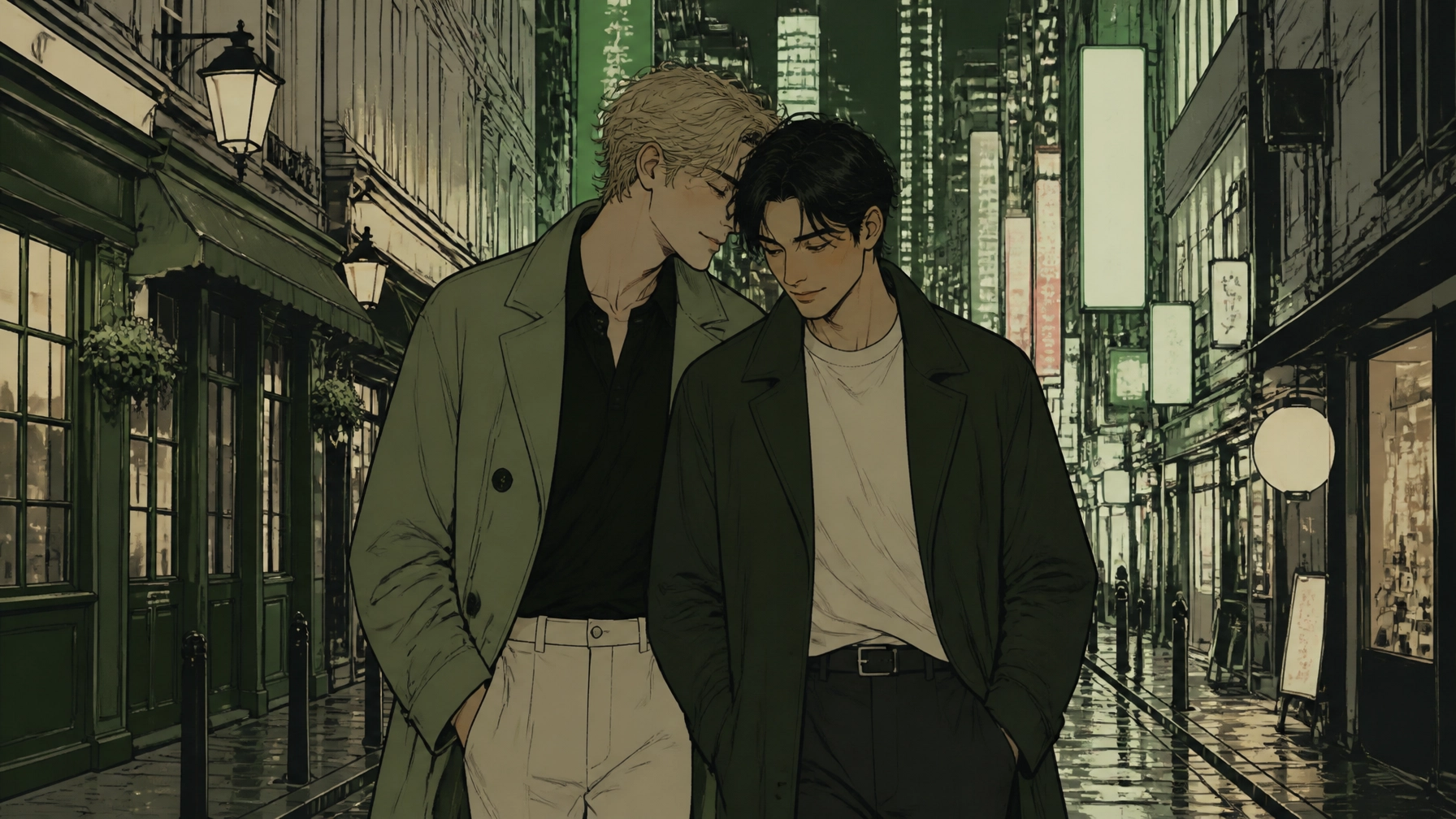
There is something transformative about a story that doesn't just tell you what happened, but makes you feel the weight of every heartbeat and the texture of every shadow. For many of us in the LGBTQ+ community, fiction isn't just an escape: it’s a mirror. It’s where we go to find the histories we weren't taught and the identities we are still learning to name.
Whether you're wandering through the clandestine jazz clubs of 1920s Soho or the neon-soaked alleys of Shinjuku Ni-chome, literature allows us to bridge the gap between "then" and "now." At Read with Pride, we believe in stories that dive deep into the emotional trenches of the human experience. Today, we’re exploring ten powerful ideas for navigating queer history and identity through the lens of fiction, starting with a topic that is reshaping how we see ourselves.
1. The Beauty of Being Non-Binary: Living Beyond the Binary Gaze
In a world that often demands we choose a "side," the non-binary experience in fiction is a breath of fresh air. It’s about more than just pronouns; it’s about the internal journey of rejecting a binary gaze that seeks to categorize every emotion and body.
In MM romance and queer literature, we are seeing a beautiful surge in characters who exist in the "in-between." These stories challenge the reader to look beyond traditional masculinity and see the person beneath. Writing or reading about non-binary identity allows us to explore a radical kind of self-love: one that doesn't ask for permission to exist. When a character stands before a mirror and sees a person who doesn't fit a label, it mirrors the experience of so many of us who have felt like outsiders in our own skin.
2. Finding Sanctuaries in the City: From Soho to Shinjuku
Geography plays a massive role in queer identity. For decades, cities like London and Tokyo have served as beacons. Soho was the beating heart of London’s queer nightlife long before "Pride" was a household word. Shinjuku Ni-chome remains a dense, vibrant sanctuary where visibility is a form of resistance.
Exploring these spaces through fiction lets us walk in the footsteps of those who came before. Fiction can capture the specific tension of a hidden basement bar in the 1950s or the electric safety of a modern-day Shinjuku café. These aren't just settings; they are characters in their own right, reminding us that we have always sought out: and found: each other.
3. The Ancestry of Desire: Historical Gay Fiction as a Mirror
We often hear that history is written by the victors, but in gay fiction, history is written by the lovers. Historical MM romance isn't just about men in waistcoats; it's about the timeless nature of queer desire. When we read about two men finding love in an era that forbade it, we are reclaiming our ancestry.
These stories provide a profound sense of continuity. They tell us that we aren't a "modern trend": we are a constant. By exploring the complexities of past relationships, we better understand the struggles and triumphs of our contemporary lives.
4. Lyrical Prose and the Architecture of Emotion
If you’ve read the work of Dick Ferguson, you know that the "how" of a story is just as important as the "what." Lyrical, evocative prose has the power to pull a reader into the "gritty urban landscapes" and "intimate personal journeys" of a character’s soul.
When we explore identity through literature, we need language that can match the complexity of our feelings. Sometimes, a straightforward sentence isn't enough to describe the "searing hate" or "passionate love" that defines a relationship. Lyrical fiction treats emotion as a landscape, allowing us to wander through the characters' internal struggles with empathy and nuance.
5. The Radical Vulnerability of Nudism and Naturism
There is a unique intersection between queer identity and the practice of social nudism that fiction is uniquely equipped to explore. Nudism, in its purest form, is about stripping away the masks we wear for society.
In a world where gay and bisexual men are often hyper-aware of how they are perceived, the setting of a naturist environment allows for a radical kind of vulnerability. It’s not about sex; it’s about the normalization of the human body and the removal of the "armor" we use to protect ourselves. Stories that weave these themes together offer a rare look at what happens when characters are forced to be their most authentic selves, both physically and emotionally.
6. Coming Out as an Ongoing Act
We often talk about "Coming Out" as a one-time event, but fiction shows us it’s actually a lifelong process. Whether it’s coming out to a new friend, a coworker, or even to oneself for the tenth time, these narratives of self-discovery are essential.
Modern queer fiction is moving away from the "tragic coming out" trope and toward stories of resilience. It’s about the courage it takes to be honest in a world that often rewards silence. These stories resonate because they reflect the authentic internal struggles we all face as we navigate different spaces and relationships.
7. The Fluidity of the Bisexual Experience
Bisexuality is often misunderstood or erased, even within queer spaces. Fiction offers a vital platform to explore the nuances of being bisexual. It’s about acknowledging that attraction isn't a zero-sum game.
In MM novels, a bisexual protagonist brings a unique perspective to a relationship. Their journey often involves dismantling the pressure to "pick a side" and instead embracing a more fluid understanding of their own heart. These stories celebrate the full spectrum of human emotion and the complexity of being true to oneself.
8. Navigating the Dark: Jealousy, Possession, and Connection
Not all queer stories are sunshine and rainbows, and they shouldn't have to be. To truly explore identity, we have to look at the darker aspects of the human experience. Jealousy, possessiveness, and angst are part of the human condition.
By unflinchingly confronting these themes, authors can create multi-dimensional characters who feel real. We’ve all felt the sting of insecurity or the "possessive jealousy" that can bubble up in a relationship. Fiction that explores these "searing" emotions allows us to process them in a safe space, leading to a deeper understanding of why we love the way we do.
9. Chosen Family: Building Communities in Literature
One of the most powerful themes in LGBTQ+ fiction is the concept of chosen family. When biological families fall short, we build our own. From the ballroom scenes of New York to the tight-knit groups of friends in London’s West End, literature celebrates these bonds.
These stories remind us that identity isn't just about who we are as individuals, but who we are in relation to our tribe. They highlight the resilience and connection that define the queer community, proving that love: in all its forms: is what truly sustains us.
10. The Future of Queer Stories: Reading with Pride in 2026
As we look toward the future, the horizon for queer fiction is broader than ever. We are moving into a world where popular gay books aren't just niche interests: they are mainstream powerhouses.
The future is about intersectionality, genre-bending, and unashamedly "reading with pride." Whether it’s a gay thriller, a psychological drama, or a heartfelt contemporary romance, the goal remains the same: to tell stories that matter. By supporting queer authors and engaging with diverse narratives, we ensure that the next generation of readers will find themselves on every page.
Find your next favorite read and support independent queer literature at the Read with Pride E-Book Store.
Follow us on social media:
#MMRomance #GayFiction #QueerHistory #NonBinaryPride #ReadWithPride #DickFerguson #LGBTQBooks #BisexualRepresentation #GayLiterature #Writewithpride


{“@type”:”BlogPosting”,”image”:[“https://cdn.marblism.com/kr_ASSPg5MA.webp”,”https://cdn.marblism.com/bAPtx2YhzIs.webp”,”https://cdn.marblism.com/FXSebsE066l.webp”,”https://cdn.marblism.com/dAN-Hec5u6v.webp”,”https://cdn.marblism.com/wdu-EMjFw_P.webp”],”author”:{“url”:”https://readwithpride.com/”,”name”:”Penny”,”@type”:”Person”},”@context”:”https://schema.org”,”headline”:”From Soho to Shinjuku: Top 10 Ideas for Exploring Queer History and Identity Through Fiction”,”publisher”:{“logo”:{“url”:”https://readwithpride.com/logo.png”,”@type”:”ImageObject”},”name”:”eBooks by Dick Ferguson”,”@type”:”Organization”},”description”:”Explore the evolution of queer history and identity through fiction. From Soho’s clubs to Shinjuku’s neon streets, discover 10 powerful themes in MM romance and LGBTQ+ literature.”,”datePublished”:”2026-06-29″,”mainEntityOfPage”:{“@id”:”https://readwithpride.com/blog/from-soho-to-shinjuku-queer-fiction”,”@type”:”WebPage”}}

Leave a Reply
You must be logged in to post a comment.