

readwithpride.com
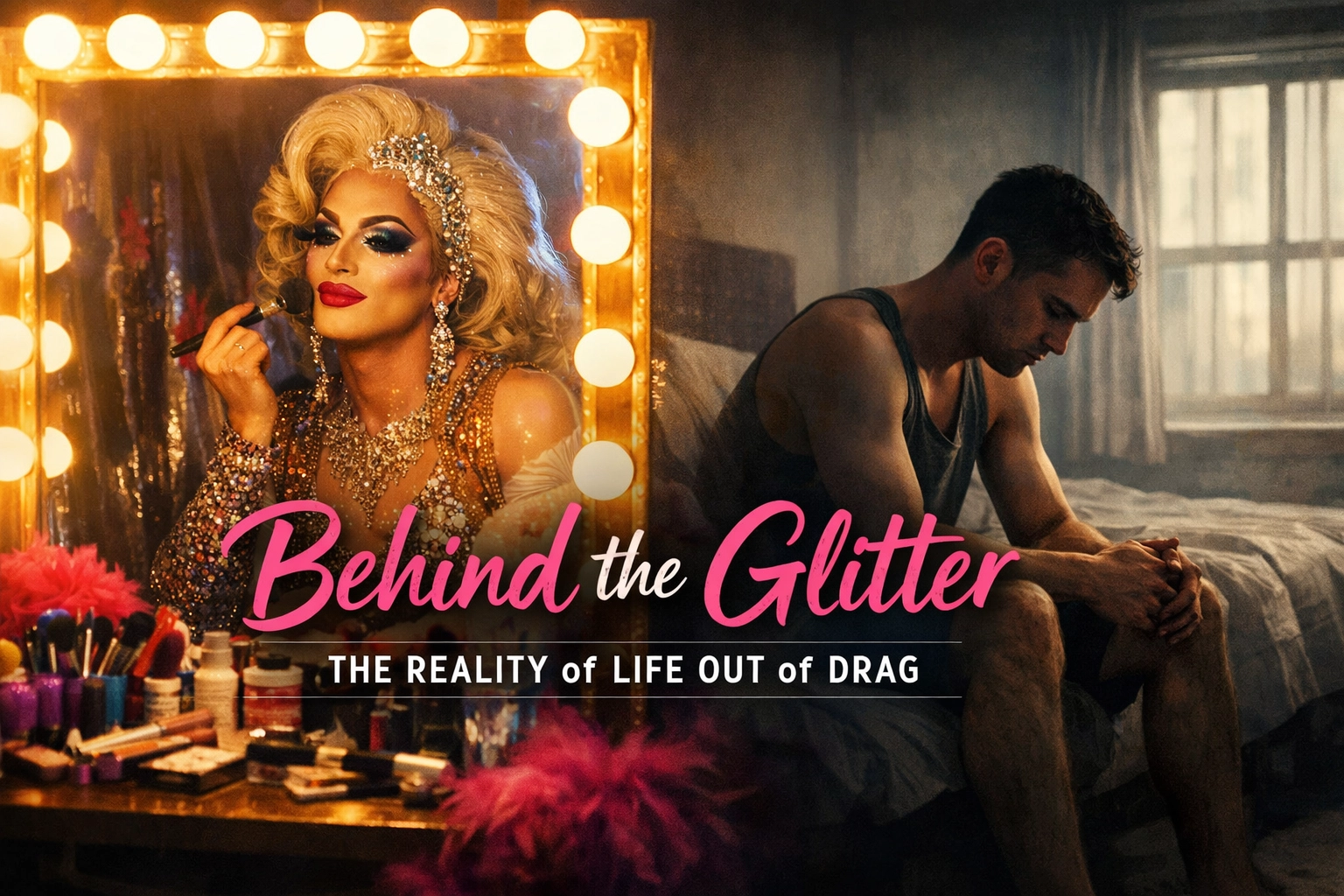
We've all seen the spectacular performances, the death drops, the lip syncs, the absolutely stunning transformations that leave us gagging. But what happens when the lashes come off, the padding is removed, and the queen becomes… well, just a person?
The reality of life out of drag is something most people never think about. We're so captivated by the fantasy, the artistry, and the sheer confidence radiating from the stage that we forget there's a whole human being underneath those layers of makeup and illusion. And honestly? That person's story is just as compelling, if not more so.
The Morning After the Show
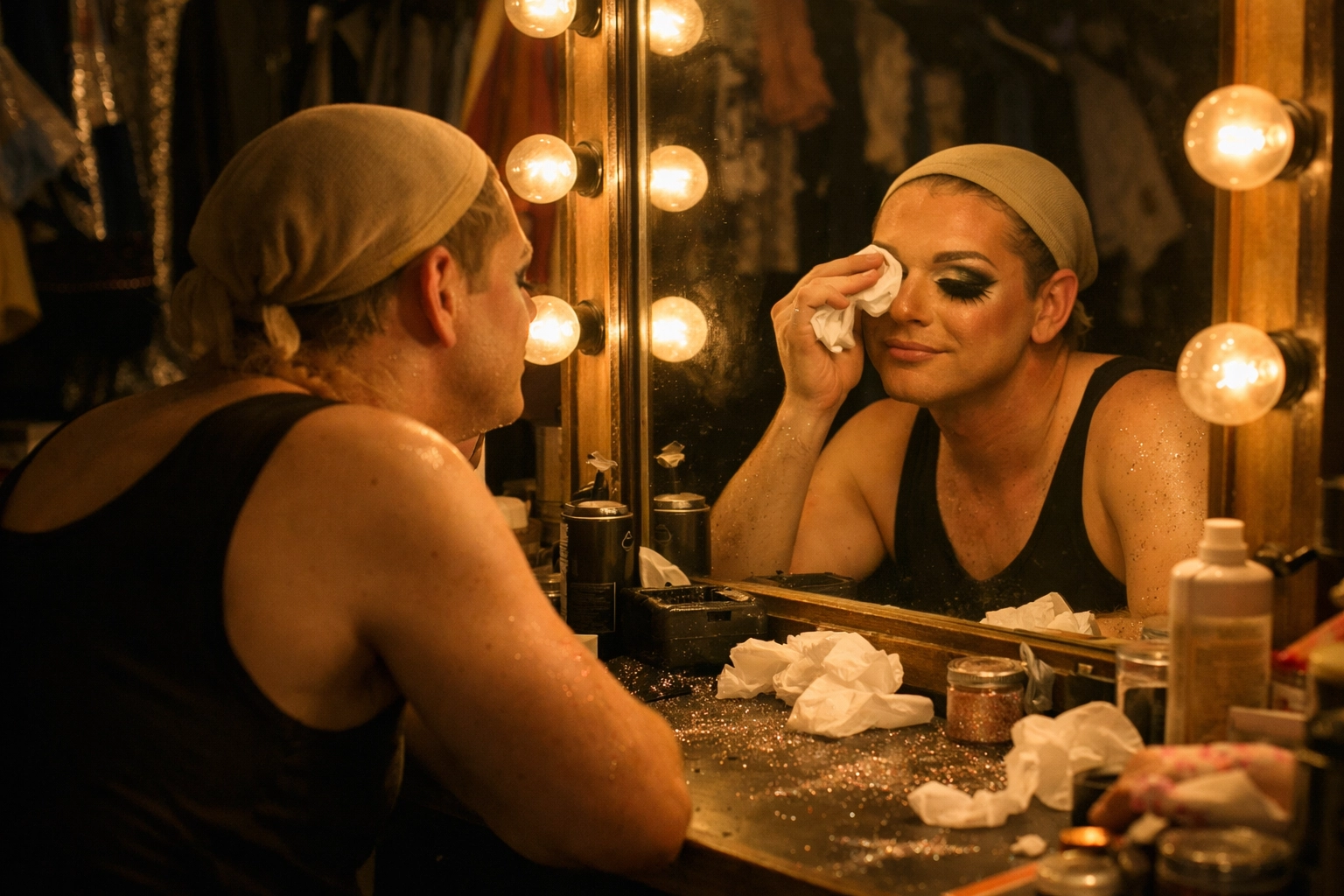
Picture this: It's 3 AM. The music has stopped, the crowd has dispersed, and our queen is sitting in front of a mirror with makeup wipes, peeling away the glamour one swipe at a time. The transformation back isn't nearly as thrilling as the one that happens before a show. There's no dramatic reveal, no applause, just tired eyes, sore feet, and probably some leftover glitter that'll be showing up in random places for the next week.
This is the reality that most drag performers live with constantly. The unglamorous part of a glamorous job. And it's not just about removing makeup. It's about transitioning back into a world that doesn't always celebrate them the way an audience does.
Living Between Two Worlds
One of the most fascinating aspects of drag culture is how performers navigate their dual identities. And here's the thing, it's not always a clean split. Many queens will tell you that their drag persona has influenced their everyday personality just as much as their authentic self informs their drag character.
Take someone like Pattie Gonia, an environmental drag activist who has spoken openly about not wanting to "hide through drag" but rather "reveal through drag." This perspective captures something profound: drag isn't always about creating a completely separate persona. Sometimes, it's about amplifying parts of yourself that society tries to dim.
But the practical realities? Those can be complex. Imagine being recognized at the grocery store when you're just trying to buy oat milk in sweatpants. Or navigating professional environments where your weekend gig involves performing in 6-inch heels and a rhinestone bodysuit. The compartmentalization required is real, and it's exhausting.
The Day Jobs and Side Hustles
Here's a truth bomb: most drag performers aren't making RuPaul money. In fact, most aren't even making enough from drag alone to pay the bills. The costume budget alone for a single number can run hundreds or even thousands of dollars, and that's not including wigs, makeup, or performance fees that sometimes barely cover your Uber to the venue.
So what do queens do when they're not performing? Pretty much everything. They're teachers, nurses, graphic designers, baristas, activists, and yes, some are even avid readers of MM romance books (because who doesn't love a good slow-burn love story between performances?).
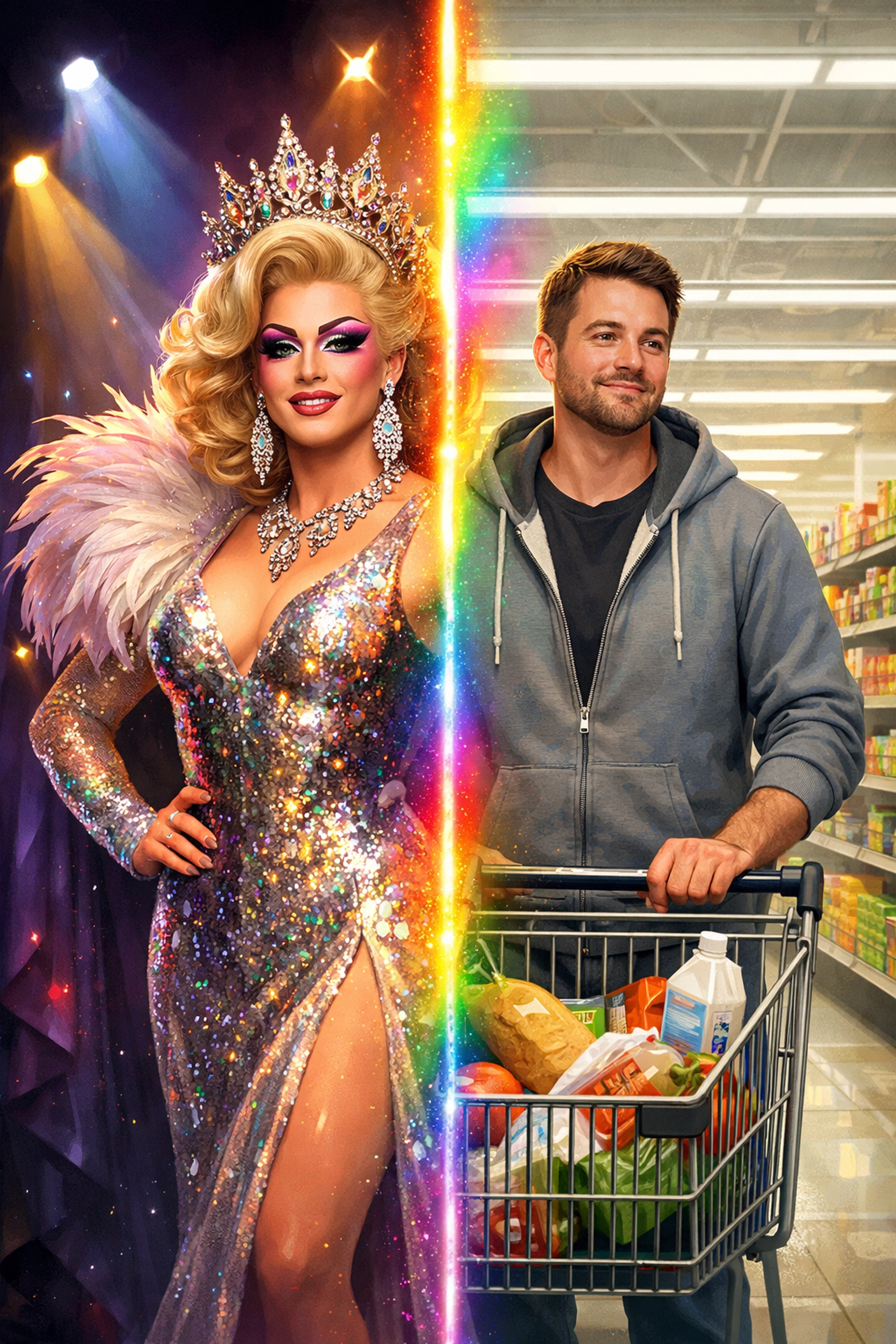
The day job reality adds another layer to the out-of-drag experience. It's one thing to be a fierce performer commanding a stage; it's another to clock in for a 9-to-5 where your coworkers might not even know about your alter ego. Some queens are completely out about their drag work, integrating both worlds seamlessly. Others keep them separate, protecting their personal peace or navigating workplaces that aren't as accepting as they should be.
The Physical Toll
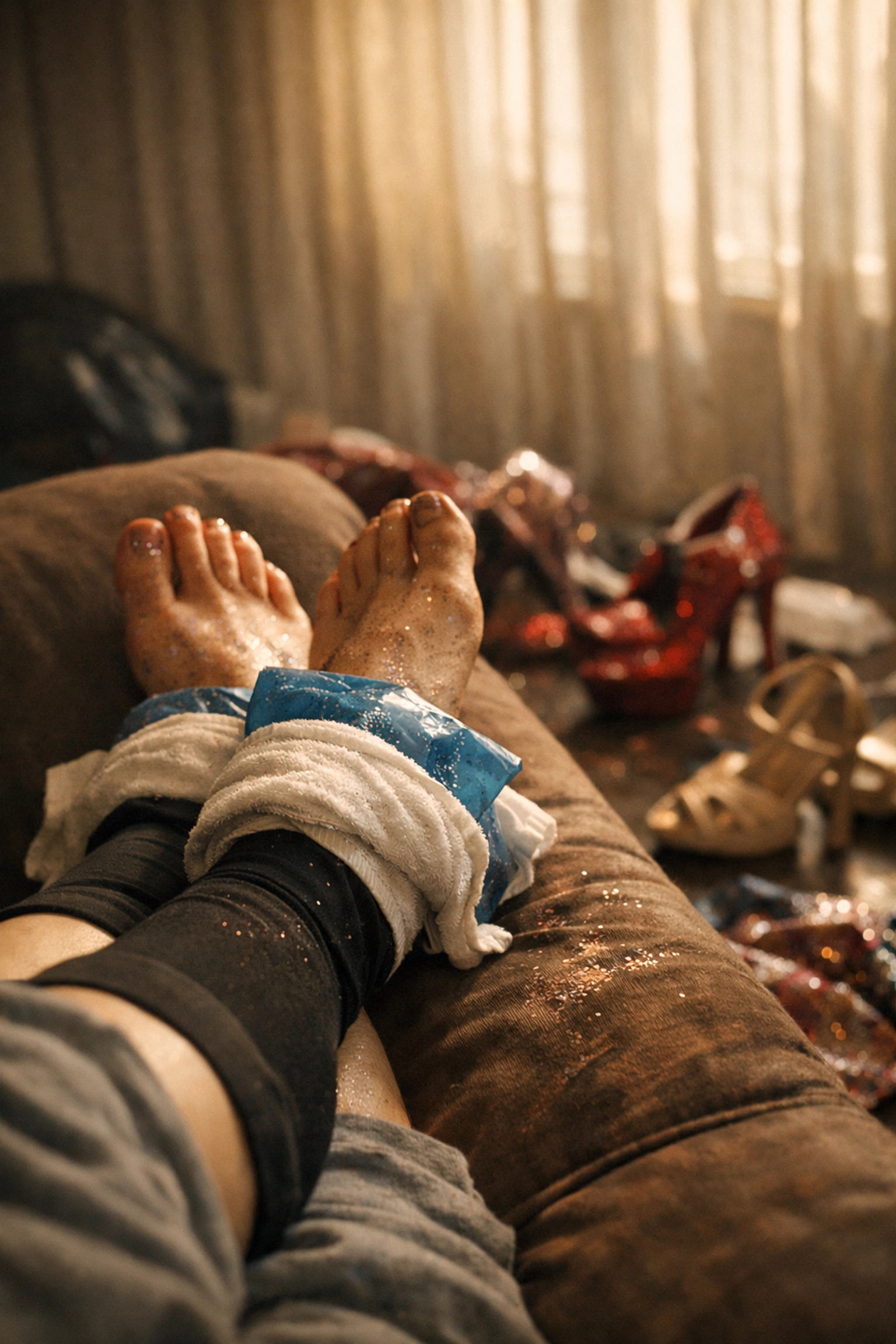
Let's talk about something we don't discuss enough: the physical impact of drag. Those stunning bodies you see on stage? They often come with a price. Binding, tucking, padding, and wearing heels for hours can take a serious toll on the body. Many performers deal with chronic pain, back problems, and foot issues that persist long after the performance ends.
Out of drag, recovery becomes essential. This might mean ice baths, physical therapy, or simply spending entire days in compression garments and comfortable clothing. The glamorous stage presence requires unglamorous maintenance, and it's a reality that challenges the "drag is easy" misconception some people hold.
Relationships and Dating
Dating as a drag performer adds its own unique complications. When do you tell someone you're seeing that you perform in drag? First date? Third? After they've already fallen for you? And how do you navigate partners who might feel threatened by or jealous of your drag persona?
Some performers find that their drag work becomes a litmus test for potential partners. If someone can't handle the reality of what they do: the late nights, the dedication, the community: then they're probably not the right fit. It's similar to how characters in gay romance novels often have to find partners who accept all parts of them, not just the convenient pieces.
The queer dating world is complex enough without adding drag into the mix, but many performers will tell you it's also a gift. It weeds out people who aren't serious, who can't handle their confidence, or who want them to be something they're not.
Mental Health and Identity
Perhaps the most significant aspect of life out of drag is the mental and emotional work it requires. Drag can be therapeutic, transformative, and empowering. But it can also be a mirror that reflects back all your insecurities, your self-doubt, and your vulnerabilities.
Many performers struggle with the question: "Who am I without my drag?" This isn't about losing yourself in a character: it's about understanding which parts of you are performance and which parts are fundamental truth. The line isn't always clear, and that ambiguity can be both beautiful and terrifying.
Depression, anxiety, and burnout are real issues in the drag community, exacerbated by financial instability, discrimination, and the pressure to constantly be "on" for audiences. Out of drag, many performers are doing the hard work of therapy, self-care, and community support that keeps them healthy enough to return to the stage.
The Activism and Advocacy
Here's something beautiful about many drag performers: their work doesn't stop when the wig comes off. Out of drag, many queens are fierce activists, community organizers, and advocates for LGBTQ+ rights, environmental causes, racial justice, and more.
The visibility that drag provides becomes a platform for change. Performers use their voices: both in and out of drag: to raise money for nonprofits, speak at events, educate communities, and fight for the rights of marginalized people. Some have raised millions of dollars for various causes, proving that drag is so much more than entertainment.
This activism is often where the line between drag and everyday life blurs most beautifully. The confidence, the refusal to be silenced, the commitment to visibility: these qualities don't disappear with the makeup. They're woven into who these people are, regardless of what they're wearing.

Finding Community Beyond the Stage
One of the most powerful aspects of life out of drag is the community that performers build with each other. These aren't just colleagues or competition: they're chosen family. They're the people who understand the unique challenges, celebrate the victories, and show up when life gets hard.
This community extends beyond fellow performers to include the broader LGBTQ+ family. Whether it's connecting over shared experiences reading queer fiction, discussing the latest LGBTQ+ ebooks, or simply existing together in spaces where they can be fully themselves, this sense of belonging is crucial.
The Ordinary Moments
At the end of the day, drag performers are people who experience all the ordinary, mundane, beautiful moments of life that everyone else does. They grocery shop (though possibly with more glitter residue than average). They binge-watch shows. They read books: maybe diving into some gay romance books or exploring new MM fiction from emerging queer authors. They have lazy Sundays and bad hair days and existential crises about what to have for dinner.
These ordinary moments are perhaps the most important part of life out of drag because they're reminders that beneath all the artistry and performance is a human being worthy of love, respect, and the right to simply exist.
The reality of life out of drag isn't less-than the spectacle of performance: it's just different. It's quieter, more vulnerable, and infinitely more complex. And maybe that's the point. Drag gives performers the armor and the platform to be seen, but out of drag is where they get to just be.
Want to explore more stories from the LGBTQ+ community? Visit Read with Pride for gay fiction, MM romance books, and compelling LGBTQ+ literature that celebrates all facets of our diverse community.
Follow us on Instagram, Facebook, and X for daily recommendations, community stories, and the best in 2026 gay books.
#DragCulture #LGBTQCommunity #ReadWithPride #QueerStories #DragQueens #LGBTQLife #AuthenticLiving #MMRomance #GayFiction #QueerLiterature #LGBTQBooks #DragReality #CommunityStories #LGBTQActivism #QueerVoices

Leave a Reply
You must be logged in to post a comment.