

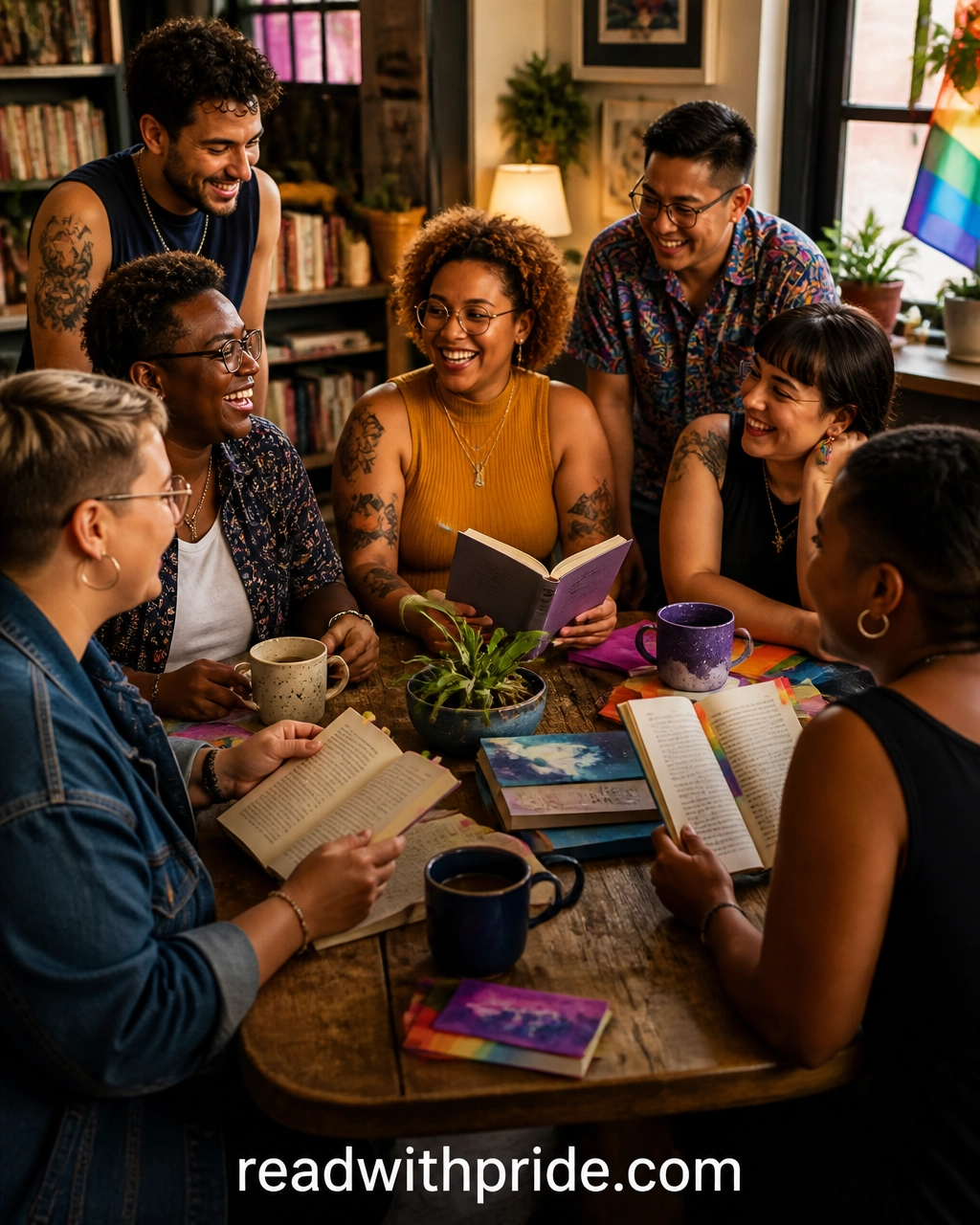
There is something quietly magical about making things with other queer people. A shared table, a pile of supplies, a playlist that moves from emotional pop to unapologetic dance classics, and suddenly you are not just crafting, gardening, reading, or volunteering.
You are building a little world together.
That is the secret power of queer hobbies. They give us something to do with our hands while connection happens naturally. No awkward networking script required. Just show up, pick up a paintbrush, plant a seedling, fold a zine, or argue passionately about whether a fictional couple has communicated properly.
Spoiler: they probably have not.
A Queer Makers Circle Is Chosen Family in Progress
A queer craft circle or community makers workshop is a perfect example of community building through a hands-on hobby. People can make cards, bookmarks, zines, art prints, knitted gifts, or wonderfully chaotic objects that may or may not have a practical purpose.
The activity creates an easy rhythm:
- Someone brings the supplies.
- Someone else brings snacks.
- A newcomer asks how the glue gun works.
- Three people immediately offer contradictory advice.
- By the end of the evening, everyone has shared a story.
That repeated contact matters. Community is rarely built in one dramatic moment. It grows through small rituals: remembering someone’s pronouns, saving them a seat, checking in after a difficult week, or celebrating their first successful attempt at something new.
A queer hobby space can become a place where LGBTQ+ people feel seen without having to explain every part of themselves.

The MM Romance Tropes Are Practically Writing Themselves
Shared hobbies also have excellent romantic potential, which is why they appear so often in our favourite MM romance tropes.
Found family
The makers circle begins as a casual gathering and slowly becomes the emotional centre of everyone’s lives. There are group chats, emergency cake, birthday traditions, and at least one person who owns a label maker.
In a great found-family story, love is not limited to romance. Friends become support systems. Neighbours become siblings. Community members show up with soup, spare keys, and the exact colour of thread someone needed.
Enemies-to-lovers among craft rivals
Picture two talented queer makers competing at every local market. One creates flawless hand-bound journals. The other produces bold, colourful designs and insists that “minimalist” is just another word for boring.
They critique each other’s work. They reach for the same pair of scissors. They are forced to collaborate on a community exhibition.
Obviously, this is an enemies-to-lovers MM romance waiting to happen.
The best version is not about one character “winning” the other over. It is about discovering that rivalry was covering admiration, vulnerability, and a shared desire to make something meaningful.

Forced proximity in a shared workshop
The workshop’s heating breaks. The community market is tomorrow. Two men who have been carefully avoiding one another must stay late to finish the display.
There is one functioning desk lamp. One packet of biscuits. One tiny sofa that is absolutely not designed for emotional breakthroughs.
Forced proximity works because it creates space for honesty. Away from the noise of everyday life, characters have to talk, listen, and eventually admit that the tension between them may not be entirely about cardstock.
Naturally, we recommend a healthy amount of slow burn and at least one meaningful hand touch while passing a paintbrush.
Community Gardening Adds a Little Green-Flag Energy
Not every shared hobby needs to happen indoors. A queer community garden or volunteering group can bring people together through planting, repairing, cooking, and caring for a shared space.
Gardening is especially good at reminding us that community building takes patience. You do the work before you see the results. You water what is growing. You make room for different kinds of life. You accept that some things need support, shade, or another chance.

It is also peak found family territory. Someone grows tomatoes. Someone brings tea. Someone knows which seedlings are secretly dramatic. Before long, the garden becomes a place to celebrate milestones, share resources, and make new friends.
And yes, it has strong gay romance novel potential: two volunteers assigned to repair the same raised bed, a slow-burn connection over compost, and a community picnic where everyone knows they are in love except the protagonists.
Find Your People, Then Find Your Next Read
A shared hobby does not need to be impressive. You do not have to be an expert, own expensive equipment, or arrive with a perfectly curated identity. Bring curiosity. Bring your full self where it feels safe. Bring snacks if you want to become instantly popular.
Whether your joy lives in crafting, community gardening, queer book clubs, team sports, volunteering, or local makers markets, these spaces can help turn ordinary time into belonging.
When you are ready for more stories about connection, explore the curated gay romance collection at Read with Pride. Discover MM romance books, lesbian romance, LGBTQ+ ebooks, heartfelt queer fiction, and gay love stories filled with found family, forced proximity, enemies-to-lovers tension, and plenty of emotional payoff.
You can also read more from the Read with Pride LGBTQ+ blog, follow Read with Pride on Facebook, and join us on Instagram.
Find a hobby. Find your people. Find a romance novel where the rivals finally share the glue gun.
#ReadWithPride #QueerJoy #QueerHobbies #CommunityBuilding #MMRomance #MMRomanceTropes #GayRomance #GayRomanceBooks #LGBTQBooks #QueerFiction #FoundFamily #EnemiesToLovers #ForcedProximity #LesbianRomance #LGBTQReading

Leave a Reply
You must be logged in to post a comment.