
There is no single roadmap for queer relationships. No official order of events. No universal checklist that says: come out, find a partner, move in, get married, adopt a dog, and live happily ever after.
Some people come out before their first relationship. Others fall in love first and find the language for themselves later. Some build a chosen family before they feel ready for romance. Others discover that monogamy suits them beautifully, while someone else feels more at home in a polyamorous relationship structure.
Queer relationships are not defined by following a traditional timeline. They are shaped through honesty, consent, care, communication, and the freedom to decide what a meaningful life looks like.
That is why stories matter. The best MM romance books, lesbian romance, and other LGBTQ+ fiction give us space to explore life’s big moments safely. Through gay romance novels and queer love stories, we can see characters navigating identity, family, commitment, desire, uncertainty, and joy in ways that feel recognisable: and sometimes wonderfully aspirational.
Coming out is a process, not a single scene
Popular storytelling often treats coming out as one dramatic conversation. Someone sits across from their family, takes a breath, says the words, and the entire emotional arc resolves within a few pages.
Real life is rarely that tidy.
Coming out may happen gradually, in different places and with different people. It can involve sexuality, gender identity, relationship style, or all three. Someone might first come out to a close friend, then a sibling, then a partner. Someone else may choose not to come out in every setting because safety, privacy, culture, work, or family circumstances make that decision complicated.
There is no deadline and no required performance of bravery.
For some LGBTQ+ people, coming out brings relief. For others, it brings grief, uncertainty, or a mixture of emotions that changes from day to day. Even a positive response can be exhausting when you have spent years imagining the worst.
The most supportive approach is simple: let people come out in the way and at the pace that feels right for them.
That principle appears across many powerful coming out stories. The emotional heart is not always the announcement itself. Sometimes it is the quiet moment afterwards: choosing a name, introducing a partner, wearing something that finally feels right, or realising you no longer need to edit every sentence before speaking.
Chosen family makes belonging practical
Chosen family is more than a warm phrase. It is the network of people who show up.
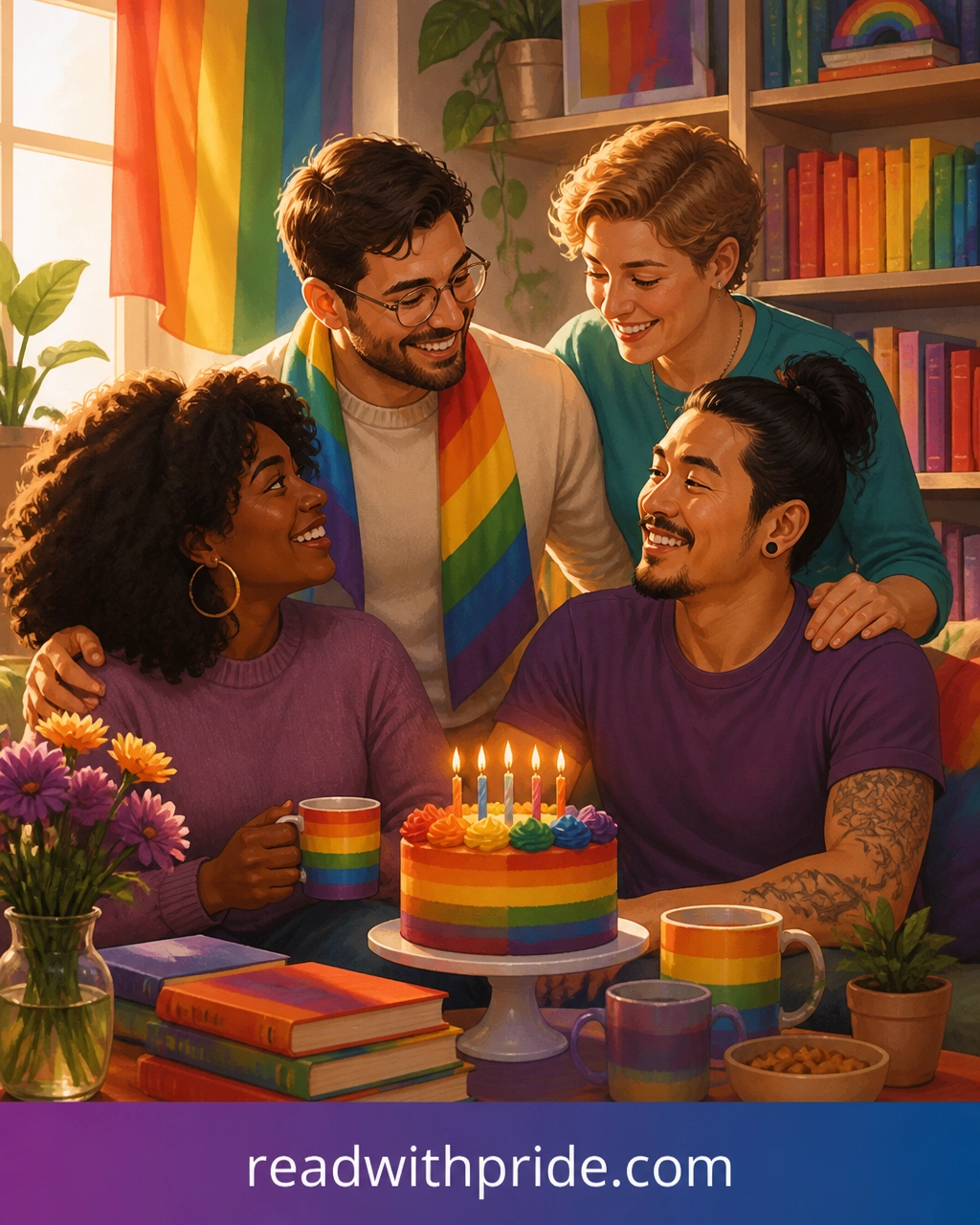
They might be close friends, partners, ex-partners, neighbours, colleagues, mentors, community members, or the person who has somehow become your emergency contact despite living three time zones away. Chosen family is built through mutual care rather than biology, and it can be one of the most important relationship milestones in queer life.
Chosen family may look like:
- Sharing holidays with people who affirm you.
- Creating traditions that have nothing to do with blood relations.
- Having someone accompany you to an appointment.
- Introducing a new partner to the people who know your whole story.
- Being welcomed into a home without needing to explain yourself.
- Building a support network around parenting, illness, grief, ageing, or major change.
For queer parents, life milestones may include adoption, fertility treatment, co-parenting agreements, a C Section 2026 parenting journey, or simply the first time a child draws a family picture that includes everyone they love. These moments deserve stories that treat LGBTQ+ families as complete, ordinary, complicated, and joyful.
Read with Pride’s family and relationships collection explores the many ways people create belonging. The stories we read can remind us that family is not only something we inherit. It is also something we practise.

Partnership milestones do not have to follow a script
The first date, first kiss, first “I love you,” moving in together, meeting the family, sharing finances, and making a long-term commitment can all feel significant. But not every couple wants every milestone, and not every relationship needs to be measured by the same markers.
A committed queer partnership might involve marriage: or not. It might mean living together, living apart, travelling regularly, raising children, sharing a pet, or simply creating a reliable life of mutual support.
The important question is not, “Are we doing relationships correctly?”
It is, “Does the life we are building reflect what we both genuinely want?”
That question can be especially meaningful in queer relationships because many of us have had to examine assumptions that heterosexual couples are often handed automatically. What does commitment mean to us? What does family mean? What does fidelity mean? Which traditions feel affirming, and which ones feel like costumes that do not fit?
A relationship becomes stronger when those questions can be discussed openly.
Monogamy can be a conscious queer choice
Monogamy is often treated as the default setting for romance. Yet queer couples may approach it as an intentional agreement rather than an automatic expectation.
Monogamy can mean different things to different people. For some, it involves sexual exclusivity. For others, it includes emotional exclusivity, shared finances, or a clear agreement about online and offline intimacy. There is no universal definition.
Partners benefit from discussing details instead of relying on assumptions:
- What counts as flirting?
- How do we handle friendships with exes?
- What kind of privacy do we each need?
- How do we talk about attraction to other people?
- What does repair look like if one of us feels hurt?
These conversations are not signs that romance has lost its magic. They are ways of making the magic sustainable.
Many MM romance themes explore this beautifully. A love story can include grand passion while still making room for awkward conversations, changing boundaries, vulnerability, and the everyday work of choosing each other.
Polyamory asks for clarity, consent and care
Polyamory and ethical non-monogamy are not simply plot devices or shorthand for relationship chaos. They are relationship structures built around informed consent, communication, autonomy, and ongoing negotiation.
A polyamorous relationship may include multiple romantic or sexual connections, with everyone involved aware of the arrangement and able to make meaningful choices. It can take many forms, from established partners dating separately to interconnected networks sometimes called polycules.
Like monogamy, polyamory is not automatically easy or difficult. The quality of a relationship depends on how people treat one another.
Important conversations may include:
- Safer-sex agreements.
- How much information partners want to share.
- Time, scheduling, and emotional availability.
- Meeting a partner’s other partners.
- Privacy and public disclosure.
- How jealousy, insecurity, or changing needs will be handled.
Jealousy is not a moral failure. It is an emotion that may carry useful information about fear, uncertainty, attachment, or unmet needs. The goal is not to pretend difficult feelings never happen. The goal is to respond to them with honesty rather than punishment.
Queer stories that include consensual non-monogamy can expand the possibilities readers imagine for their own lives. They also remind us that love does not become less real simply because it does not fit a two-person template.

What MM romance can teach us about milestones
Readers often come to gay romance novels, MM fiction, lesbian romance, and LGBTQ+ novels for the chemistry. We stay for the emotional transformation.
A strong queer romance can show us:
- That being loved does not require becoming less complicated.
- That coming out can be gradual and still be courageous.
- That chosen family can be as central as romantic love.
- That domestic life can be thrilling when you have fought to make it possible.
- That commitment is built through repeated acts of care.
- That second chances require accountability, not just longing.
- That happily ever after can mean many different things.
On Read with Pride, readers can explore titles connected directly to the platform, including Coming Into the Light: 60 Ways to Share Your Authentic Self, a supportive guide for anyone thinking about authenticity and disclosure.
For readers seeking emotionally charged MM romance books, The Silence of the Sun offers a heartfelt gay love story shaped by first love, family pressure, grief, and the courage to pursue a meaningful future.
And for readers who enjoy queer relationships with a more adventurous structure, Milano Nudo explores trust, communication, curiosity, and transformation within a bisexual couple’s relationship.
These are not instructions for how to live. They are invitations to imagine.
Every milestone deserves room for change
Relationships evolve. Identities evolve. Families evolve. The person you are at twenty may not want the same things at thirty-five, and that is not a failure of consistency. It is evidence that you are paying attention.
You may change your mind about marriage. You may move from monogamy to ethical non-monogamy, or from non-monogamy to a different structure. You may become a parent, decide not to become one, or create a family that looks entirely different from what you once expected.
The healthiest relationships make room for honest updates.
Try asking yourself:
- What kind of love helps me feel safe and alive?
- Who do I want beside me during difficult seasons?
- Which traditions genuinely belong to me?
- What support do I need before a major conversation?
- How can I make space for my partner’s identity and autonomy?
- What would a fulfilling future look like if I stopped measuring it against someone else’s timeline?
There is no wrong answer, provided the relationships involved are grounded in consent, respect, and care.
A daily invitation for LGBTQ+ writers
This article is part of Read with Pride’s 14:00 daily “LGBTQ+ Relationships & Life Milestones” series, celebrating the stories, questions, and turning points that shape queer lives.
Are you an LGBTQ+ writer with a story, guide, romance, memoir, or collection of essays waiting to be shared? Open an account and publish through Read with Pride. New writers can publish unlimited books for one year for free, paying only bank card sales transaction fees. The opportunity is open to LGBTQ+ writers worldwide.
Your story does not need to follow a familiar formula. We welcome gay fiction, lesbian romance, bisexual characters, trans narratives, queer historical romance, contemporary love stories, reflective nonfiction, and imaginative LGBTQ+ fiction 2026 readers can connect with.
For readers, writers, and anyone building a life beyond restrictive scripts, browse Read with Pride. Join a queer book club, share a recommendation, discover new gay releases, or find the next story that makes a milestone feel a little less lonely.
Follow Read with Pride on Facebook and Instagram for more LGBTQ+ reading, queer relationship reflections, and community stories.
Love does not have to look one particular way to be real. Whether your life includes monogamy, polyamory, chosen family, coming out stories, quiet domestic rituals, or a spectacular combination of all of the above, you deserve relationships with room to breathe.
You deserve queer love stories that see the whole journey.
#ReadWithPride #Readwithpride #QueerRelationships #LifeMilestones #MMRomanceBooks #GayRomanceNovels #ComingOutStories #QueerBookClub #LGBTQFiction2026 #CSection2026 #GayFiction #LGBTQNovels #QueerLoveStories #LGBTQReading #LesbianRomance #MMFiction #ChosenFamily #Polyamory #QueerFiction #GayBooks

Leave a Reply
You must be logged in to post a comment.